Are you tired of waiting forever for your pasta to cook? What if you could have perfectly cooked pasta in a fraction of the time?
Cooking pasta in a pressure cooker is a game-changer for anyone who wants a quick, easy, and delicious meal. You’ll discover simple steps to make your pasta just right—no mush, no mess. Keep reading to unlock the secret to fast, foolproof pasta that will save you time and impress your taste buds every time.
Credit: www.simplyhappyfoodie.com
Choosing The Right Pasta
Choosing the right pasta is important for cooking in a pressure cooker. Not all pasta types handle pressure cooking well. The texture and cooking time can change based on the pasta shape. Picking the right pasta helps you get a perfect dish every time.
Types Of Pasta Suitable For Pressure Cooking
Short pasta shapes work best in a pressure cooker. They cook evenly and quickly. Examples include:
- Penne
- Fusilli
- Rotini
- Macaroni
- Rigatoni
Long pasta like spaghetti or linguine can clump or cook unevenly. Small pasta such as orzo or ditalini also cook well. Avoid very thin pasta or fresh pasta, which may become mushy.
Adjusting Cooking Times By Pasta Shape
Different pasta shapes need different cooking times in the pressure cooker. Thick or large pasta takes longer. Small or thin pasta cooks faster. Use these general guidelines:
| Pasta Shape | Pressure Cooking Time |
|---|---|
| Short, thick pasta (penne, rigatoni) | 3 to 5 minutes |
| Small pasta (orzo, ditalini) | 2 to 3 minutes |
| Long pasta (spaghetti, linguine) | Not recommended |
Adjust time slightly based on brand and pasta thickness. Always release pressure quickly to avoid overcooking.
Preparing The Pressure Cooker
Getting your pressure cooker ready is the first key to cooking pasta perfectly. It’s not just about tossing ingredients inside; careful preparation sets the stage for even cooking and avoids sticky, clumped noodles. Let’s look at how choosing the right pot and adding the right amount of liquids can make all the difference.
Selecting The Proper Pot Size
Choosing the right size pressure cooker is crucial. If the pot is too small, pasta can stick together or cook unevenly. Too large, and the water might not cover the pasta properly, affecting cooking times.
Think about how much pasta you want to cook. For a family meal, a 6-quart cooker often works well. For smaller portions, a 3-quart pot is easier to handle and heats faster.
Have you ever tried cooking pasta in a pot that was too full? It usually results in mushy or undercooked noodles. Avoid this by leaving enough space for the pasta to move freely.
Adding Water And Oil
The amount of water you add is a critical factor. Too little water causes pasta to dry out; too much leads to soggy results. Aim to add just enough water to cover the pasta by about an inch.
Adding a bit of oil, such as olive oil, helps prevent the pasta from sticking together. Just a teaspoon or two mixed into the water is enough.
Don’t forget to stir the pasta briefly after adding it to the water and oil. This quick step stops noodles from clumping before you seal the lid.
Step-by-step Cooking Process
Cooking pasta in a pressure cooker is fast and simple. The process requires a few key steps to ensure your pasta cooks evenly and does not stick together. Understanding the right amount of pasta and water, setting the correct pressure and time, and knowing how to release the pressure are essential. Follow these clear steps for perfect pasta every time.
Measuring Pasta And Water
Start by measuring the pasta. Use about 4 ounces (115 grams) for two servings. Add enough water to cover the pasta completely. Usually, one and a half cups of water work well for this amount. Avoid adding too much water to prevent mushy pasta. Stir the pasta and water gently before cooking to avoid clumping.
Setting Pressure And Time
Close the pressure cooker lid securely. Set the pressure level to high. Cooking time depends on pasta shape and size. For most pasta, set the timer for 4 to 6 minutes. Shorter times work for thin pasta like angel hair. Thicker pasta shapes need a few extra minutes. Always refer to your pressure cooker’s manual for specific settings.
Quick Release Vs Natural Release
After cooking, release the pressure carefully. Quick release means turning the valve to release steam immediately. This stops the cooking process fast and keeps pasta firm. Natural release lets the pressure drop slowly on its own. This method results in softer pasta and works well for thicker shapes. Choose quick release for al dente pasta and natural release for softer texture.
Tips For Perfect Pasta Texture
Cooking pasta in a pressure cooker saves time and keeps it tender. Use just enough water to cover the pasta and cook for half the usual time. Quick release the pressure to avoid overcooking and enjoy perfectly textured pasta every time.
Cooking pasta in a pressure cooker can be fast and easy. To get perfect pasta texture, follow some helpful tips. These tips will ensure the pasta is neither too soft nor too hard. Let's explore these tips for achieving the ideal pasta texture.
Avoiding Overcooking
Pressure cookers cook food quickly. This can lead to overcooked pasta if not careful. Cook pasta for half the time on the package. This prevents it from becoming mushy. Always use the quick release method to stop cooking immediately.
Stirring Before Cooking
Always stir pasta before sealing the pressure cooker. This keeps it from clumping together. Make sure all pasta is submerged in water. This ensures even cooking and prevents sticking.
Adjusting For Different Brands
Different brands may need different cooking times. Check the recommended time on each package. Some pasta cooks faster than others. Adjust the cooking time based on brand instructions for best results.
Flavoring And Serving Ideas
Flavoring and serving pasta cooked in a pressure cooker can be quick and delicious. The pressure cooker locks in taste while saving time. Use simple ingredients to turn plain pasta into a tasty meal.
Adding Sauces And Seasonings
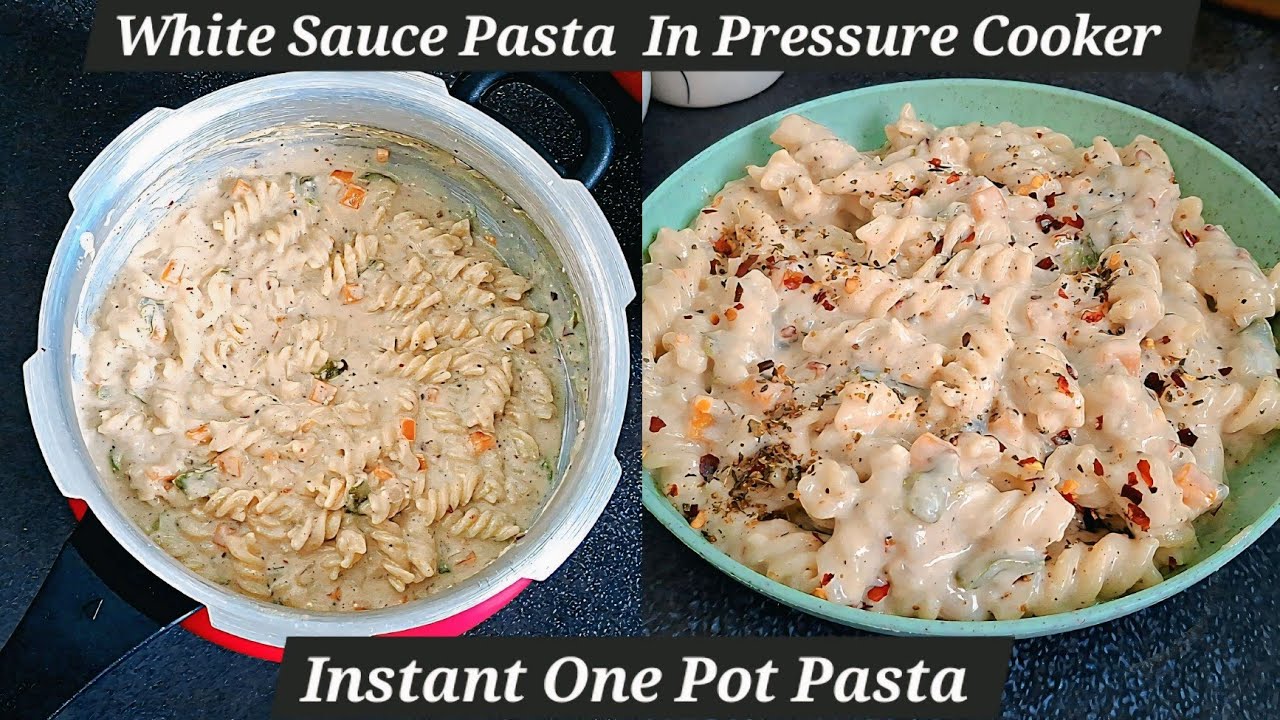
Start with your favorite sauce. Tomato-based, creamy Alfredo, or pesto work well. Pour sauce after cooking or add it before pressure cooking.
Season with salt, pepper, garlic powder, or Italian herbs. Fresh basil or parsley adds a nice touch. Stir sauce into pasta gently to avoid breaking noodles.
- Use canned tomatoes or jarred sauce for convenience.
- Add cheese like Parmesan or mozzarella for richness.
- Mix in a splash of olive oil for smooth texture.
Incorporating Vegetables And Proteins
Vegetables add color and nutrition. Use spinach, bell peppers, mushrooms, or zucchini. Chop them small to cook evenly in the pressure cooker.
Proteins make pasta filling. Try cooked chicken, sausage, shrimp, or beans. Add proteins after cooking or cook quickly with pasta if small pieces.
- Sauté vegetables first for better flavor.
- Use cooked meats to avoid overcooking.
- Mix everything gently before serving.
Credit: www.youtube.com
Troubleshooting Common Issues
Cooking pasta in a pressure cooker can save time but may cause some common problems. These issues can affect texture and taste. Understanding how to fix them helps get perfect pasta every time.
Use these tips to handle common pasta problems in your pressure cooker. Keep pasta firm, avoid burning, and fix undercooking with simple tricks.
Dealing With Mushy Pasta
Mushy pasta happens when it cooks too long or has too much water. Reduce cooking time by 1-2 minutes to prevent overcooking. Use just enough water to cover the pasta.
- Stir pasta before sealing the cooker to separate pieces.
- Quick-release pressure right after cooking to stop softening.
- Choose firm pasta types for better texture under pressure.
Handling Sticking And Burning
Sticking or burning occurs when pasta sits on the bottom without enough water. Add a bit of oil to the water to prevent sticking. Stir pasta well before closing the lid.
- Use enough water to cover pasta completely.
- Place a trivet or steaming rack under the pasta to avoid direct heat.
- Clean the cooker base to remove any burnt bits before cooking.
Fixing Undercooked Pasta
Undercooked pasta means the cooking time was too short or pressure was too low. Add 1-2 minutes of pressure cooking time for firmer pasta.
- Use the natural release method for extra cooking after pressure time.
- Check pasta texture and repeat pressure cooking in short bursts if needed.
- Use pasta shapes that cook evenly under pressure for best results.
Credit: catherine244.substack.com
Frequently Asked Questions
How Long To Cook Pasta In A Pressure Cooker?
Cook pasta in a pressure cooker for 4-6 minutes under high pressure. Cooking time varies by pasta type and thickness. Always follow specific pasta package instructions and adjust water amount for best results.
Can I Cook All Pasta Types In A Pressure Cooker?
Most pasta types cook well in a pressure cooker, including spaghetti, penne, and macaroni. Avoid delicate or fresh pasta, which may overcook quickly. Adjust cooking time based on pasta shape and thickness for perfect texture.
How Much Water Is Needed For Pressure Cooker Pasta?
Use just enough water to cover the pasta by about an inch. Too much water can lead to mushy pasta, while too little may cause burning. Typically, 3-4 cups of water suffices for one pound of pasta.
Should I Add Salt Before Cooking Pasta In A Pressure Cooker?
Yes, add salt to the water before cooking pasta in a pressure cooker. Salt enhances flavor and seasons the pasta evenly. Use about 1-2 teaspoons of salt per quart of water for best taste.
Conclusion
Cooking pasta in a pressure cooker saves time and effort. It cooks pasta evenly and quickly. You only need water, pasta, and a pinch of salt. Be sure to follow the right cooking time to avoid mushy pasta. Pressure cooking helps keep flavors inside the pasta.
It’s a great method for busy days or simple meals. Try it yourself to enjoy fast, tasty pasta dishes at home. Simple, quick, and easy—perfect for any kitchen.