Are you tired of the same old scrambled or fried eggs? What if you could make perfectly cooked eggs that are easy to serve, fun to eat, and ready in no time?
Cooking eggs in a muffin pan might be the simple trick you didn’t know you needed. Imagine having a batch of tasty, evenly cooked eggs waiting for you whenever hunger strikes. Keep reading, and you’ll discover how this easy method can change your breakfast game for good.
Choosing The Right Muffin Pan
Choosing the right muffin pan affects how your eggs cook and taste. The pan type influences heat distribution and ease of cleaning. Selecting the best pan helps achieve perfect eggs every time.
Material Options
Muffin pans come in different materials, each with unique benefits.
- Aluminum:Heats quickly and evenly. Lightweight and affordable.
- Stainless Steel:Durable and resistant to rust. May heat unevenly.
- Silicone:Non-stick and flexible. Easy to remove eggs and clean.
- Non-stick Coated:Simple to clean and prevents sticking. Avoid metal utensils to protect coating.
Choose a material that fits your cooking style and cleaning habits.
Size And Shape Considerations
Muffin pans vary in cup size and shape. This affects egg size and cooking time.
- Standard size:Holds about 3.5 ounces. Perfect for regular egg portions.
- Mini size:Smaller cups, ideal for bite-sized eggs or snacks.
- Deep cups:Hold more egg mixture. Suitable for adding vegetables or cheese.
- Shallow cups:Cook eggs faster. Good for thinner egg layers.
Pick a pan size that matches your recipe needs and portion preference.
Preparing The Pan For Cooking
Preparing the muffin pan properly is key for cooking eggs perfectly. The right preparation stops eggs from sticking. It helps in easy removal and cleaning. Two common ways prepare the pan: greasing and using silicone liners.
Greasing Techniques
Greasing the pan creates a smooth, non-stick surface. Use butter, oil, or non-stick spray. Apply a thin, even layer in each muffin cup.
- Butter adds flavor and prevents sticking well.
- Vegetable oil or olive oil works for a lighter option.
- Non-stick sprays are quick and easy to use.
Use a brush or paper towel to spread the grease evenly. Make sure to cover the bottom and sides of each cup. This ensures eggs do not stick during cooking.
Using Silicone Liners
Silicone liners fit inside each muffin cup. They act as a reusable, non-stick barrier. Easy to clean and safe for ovens. Silicone liners help eggs keep their shape.
- Place liners in each muffin cup before adding eggs.
- No need to grease the pan if using liners.
- After cooking, eggs lift out easily without sticking.
Silicone liners are great for mess-free cooking. They also make cleanup faster and simpler.
Egg Preparation Methods
Egg preparation plays a crucial role in how your muffin pan eggs turn out. The texture, flavor, and even cooking time can change significantly depending on how you handle the eggs before baking. Understanding the different preparation methods helps you tailor the results to your taste and schedule.
Whole Eggs Vs. Beaten Eggs
Using whole eggs means cracking each egg directly into the muffin cups. This method keeps the yolks intact, giving you a classic fried-egg-like experience but baked. It’s visually appealing and perfect if you want a runny or just-set yolk.
Beaten eggs, on the other hand, create a uniform texture similar to scrambled eggs. Whisking the eggs before pouring them in the muffin pan helps them cook evenly and quickly. This method is great if you want to mix in ingredients like cheese, herbs, or vegetables easily.
Adding Milk Or Cream
Adding milk or cream to beaten eggs softens the texture and adds moisture. Just a splash can make your baked eggs fluffier and creamier, especially if you prefer a tender bite over a firm one.
Use whole milk for a balance of richness without heaviness, or cream for a richer, more decadent feel. Have you noticed how a little cream changes the flavor and mouthfeel? It’s a simple tweak that can elevate your egg muffins from ordinary to delightful.
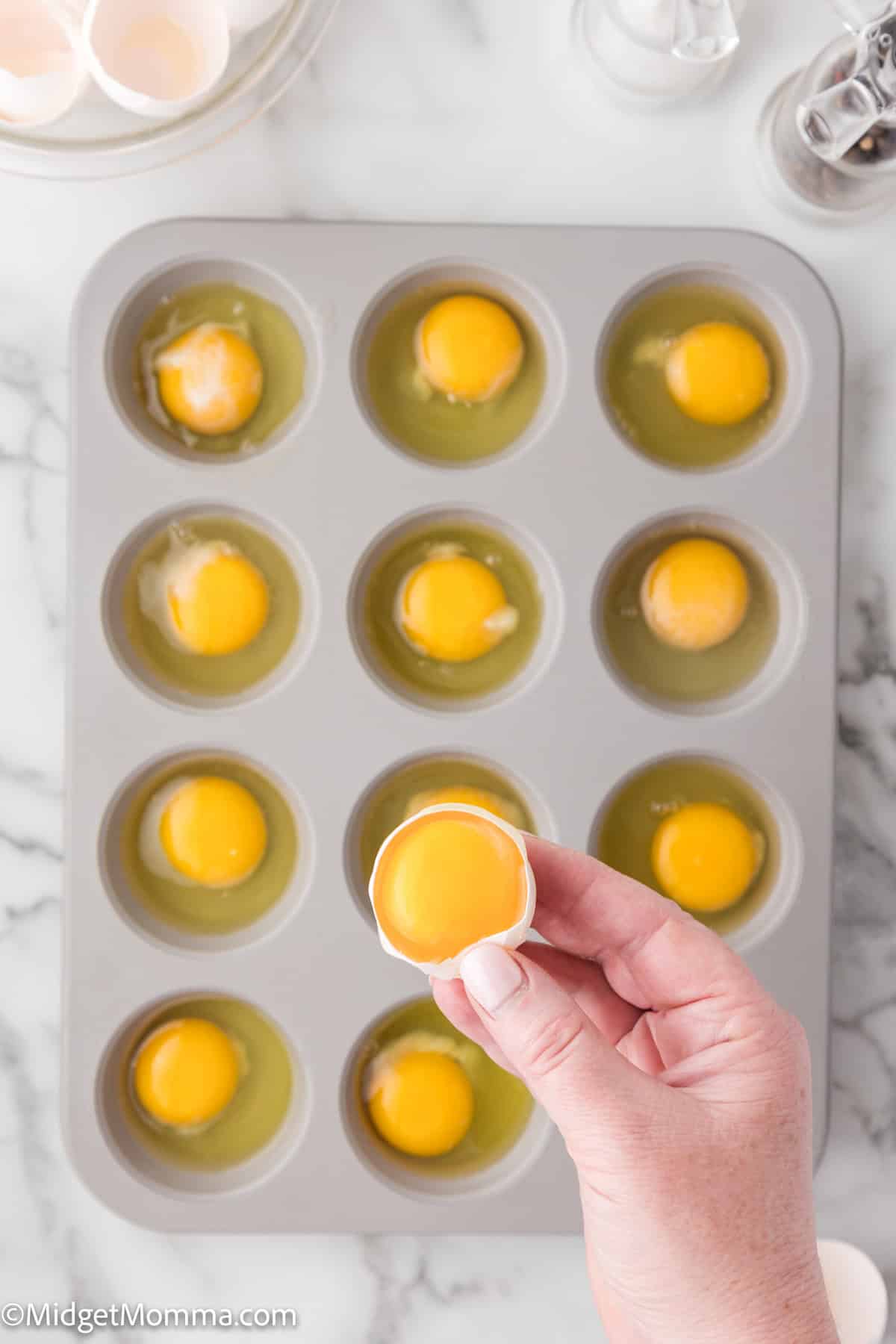
Credit: www.midgetmomma.com
Flavor Enhancements
Sprinkle cheese, herbs, or spices into the egg mixture for extra taste. Small vegetables like peppers or spinach add color and flavor to baked eggs.
Cooking eggs in a muffin pan is not only a convenient breakfast solution but also a canvas for creativity. Imagine the joy of customizing each egg cup with unique flavors that cater to your taste buds. The possibilities are endless when you start experimenting with different ingredients to enhance the flavors of your eggs.
Cheese And Herbs
Adding cheese and herbs can transform a simple egg dish into something extraordinary. Consider using shredded cheddar or crumbled feta for a creamy and tangy twist. Fresh herbs like chives, parsley, or basil can add a burst of freshness that pairs beautifully with melted cheese. Why not mix different cheeses for a unique flavor profile? A combination of mozzarella and parmesan might surprise you with its balance of creaminess and sharpness. Try sprinkling a little smoked paprika on top for an unexpected, smoky flavor.
Vegetables And Meats
Incorporating vegetables and meats into your muffin pan eggs can make breakfast more exciting and nutritious. Diced bell peppers, onions, or spinach not only add color but also a delightful crunch. Consider adding cooked bacon, sausage, or ham for a hearty kick. If you're adventurous, try smoked salmon with a sprinkle of dill for a gourmet touch. The great thing about using a muffin pan is the ability to create different flavors in each cup. This way, you can cater to everyone's preferences in a single batch. What combinations will you try to make your breakfast both delicious and unforgettable?
Cooking Techniques
Cooking eggs in a muffin pan is simple and versatile. Choosing the right technique can improve texture and flavor. Two popular methods are baking at a set temperature and using a water bath. Each method offers unique benefits and results.
Baking Temperature And Time
Set the oven temperature between 325°F and 350°F (160°C to 175°C). This range cooks eggs evenly without drying them out. Use a muffin pan sprayed with cooking oil or butter to prevent sticking.
Pour beaten eggs or whole eggs into each muffin cup. Bake for 12 to 18 minutes, depending on the egg size and your oven. Check doneness by gently shaking the pan; eggs should be set but still moist.
Using A Water Bath
A water bath keeps eggs moist and tender. Place the filled muffin pan in a larger pan. Add hot water halfway up the sides of the muffin pan.
Bake at 325°F (160°C) for about 15 to 20 minutes. The water bath slows cooking and adds gentle heat around the eggs. This method reduces the risk of overcooking and creates a creamy texture.
Serving Ideas
Eggs cooked in a muffin pan open many serving options. They are easy to prepare and versatile. These egg muffins fit perfectly into different meals and snacks. Below are some simple and tasty ways to serve them.
Breakfast Sandwiches
Egg muffins make great breakfast sandwich fillers. Use a toasted English muffin or bagel as a base. Layer the egg muffin with cheese and ham or bacon. Add fresh spinach or tomato slices for extra flavor. Wrap it in foil for a warm, portable meal. This sandwich is quick to eat and filling for busy mornings.
On-the-go Snacks
Egg muffins are perfect for quick snacks during the day. They are easy to grab and carry in a lunchbox. Serve them with a side of fruit or a small salad. Season with herbs or spices to match your taste. These snacks provide protein and keep energy levels up. Ideal for work, school, or travel breaks.
Cleaning And Maintenance Tips
Cleaning and maintaining your muffin pan after cooking eggs is key to keeping it in great shape and ensuring your breakfasts stay delicious. Eggs can stick stubbornly, but a little care goes a long way in making cleanup easier and extending the life of your pan. Let’s dive into some simple yet effective tips that will save you time and frustration.
Removing Stuck-on Egg
Stuck-on egg residue can be frustrating, but soaking the muffin pan in warm, soapy water for 15-20 minutes usually loosens it up. Use a soft sponge or a non-abrasive scrubber to gently remove any remaining bits—avoid steel wool as it can damage the pan’s surface.
If soaking doesn’t do the trick, sprinkle a bit of baking soda on the problem areas and add a few drops of water to make a paste. Let it sit for 10 minutes, then scrub gently. This natural method helps break down protein residue without harsh chemicals.
Extending Pan Life
Preventing damage starts with how you use the pan. Always grease each cup with a small amount of oil or non-stick spray before cooking eggs to reduce sticking and make cleaning easier.
Avoid using metal utensils that can scratch the surface; opt for silicone or wooden tools instead. Also, hand wash your muffin pan instead of putting it in the dishwasher, which can wear down coatings over time.
Have you noticed how a little extra care can keep your kitchen tools working better for longer? Treat your muffin pan well, and it will reward you with perfect egg cups every time.

Credit: msrachelhollis.com

Credit: www.realmomnutrition.com
Frequently Asked Questions
How Long To Cook Eggs In A Muffin Pan?
Bake eggs in a muffin pan at 350°F for 12-15 minutes. Cooking time varies by oven and egg size. Check eggs for doneness by firmness. Avoid overcooking to keep eggs moist and tender.
Can I Add Vegetables To Eggs In A Muffin Pan?
Yes, you can add chopped vegetables like spinach, peppers, or onions. Mix them with eggs before pouring into the muffin pan. This adds flavor, nutrition, and texture to your baked eggs.
Should I Grease The Muffin Pan Before Cooking Eggs?
Always grease the muffin pan with oil or cooking spray. This prevents eggs from sticking, making removal easier. You can also use silicone muffin liners for easy cleanup.
What Type Of Eggs Work Best For Muffin Pan Cooking?
Large eggs work best for muffin pan recipes. They provide the right volume and texture. Use fresh eggs for the best flavor and consistency.
Conclusion
Cooking eggs in a muffin pan is quick and simple. You can make many eggs at once without fuss. Just crack eggs into the pan, season, and bake. This method saves time and keeps eggs neat. Perfect for busy mornings or meal prep.
Experiment with veggies, cheese, or herbs for variety. Enjoy tasty, easy eggs every time you cook this way. Give it a try and see how easy breakfast can be.