Are you ready to enjoy tender, flavorful corned beef without spending hours in the kitchen? Cooking corned beef in a pressure cooker is the secret to saving time while locking in all those delicious juices.
In this guide, you’ll discover simple steps that make the process quick and foolproof. Whether you’re preparing a family dinner or a special meal, you’ll learn how to get perfect results every time. Keep reading to find out how to make your corned beef juicy, tender, and full of flavor—fast.

Credit: www.acedarspoon.com
Choosing The Right Corned Beef
Choosing the right corned beef is essential for a tender, flavorful meal, especially when using a pressure cooker. The cut you pick affects cooking time and texture, so it’s worth spending a little extra time selecting the best piece. Have you ever bought corned beef that turned out tough or dry? Picking wisely can help you avoid that experience.
Types Of Corned Beef Cuts
Corned beef typically comes from either the brisket or round cuts of beef. The brisket is the most popular choice because it becomes tender and juicy when cooked slowly or under pressure. It has a good balance of fat and meat, which helps keep it moist.
The round cut is leaner and often less expensive, but it can be tougher and may require longer cooking to become tender. If you prefer a leaner option, be prepared to adjust cooking times or add moisture during cooking. Some people also use flat cut brisket, which is leaner than the point cut but still works well in a pressure cooker.
What To Look For At The Store
When you’re at the store, check the color and smell of the corned beef. It should have a bright pink or reddish color without any grayish spots. Avoid packages that look slimy or have an off smell, as these are signs of spoilage.
Look for corned beef that is well-brined and clearly labeled. Some packages include seasoning packets, which can save you time. Also, note the weight and thickness — thicker cuts may need longer cooking, so consider your pressure cooker capacity and how much time you want to spend.
Don’t hesitate to ask the butcher for advice; they can recommend the best cut for your cooking method and taste preferences. Have you ever found a hidden gem by asking a store expert? It’s a simple step that can make a big difference.
Preparing Corned Beef For Cooking
Preparing corned beef correctly before cooking it in a pressure cooker sets the stage for a tender, flavorful meal. Taking time with the prep ensures that your beef isn’t overly salty and that the spices penetrate deeply. Let’s look at how you can get your corned beef ready for the pressure cooker.
Rinsing And Soaking Tips
Rinsing corned beef is a crucial step to wash away excess brine and salt that can overpower the final dish. Gently rinse the beef under cold running water until the surface looks less salty.
If you want to reduce saltiness even more, soak the beef in cold water for 1 to 2 hours. Change the water once or twice during soaking to draw out extra salt.
Do you prefer a milder taste or a punchier flavor? Adjust your rinsing and soaking time accordingly to match your preference.
Seasoning And Spices To Add
Corned beef already comes with a spice packet in most cases, but adding your own spices can enhance the dish. Consider adding whole peppercorns, bay leaves, mustard seeds, and crushed garlic for a more complex flavor.
Some cooks like to toss in a cinnamon stick or cloves for a subtle warmth that surprises the palate. Fresh herbs like thyme or parsley added after cooking can brighten up the dish.
Think about the flavors you enjoy—do you want something earthy, spicy, or aromatic? Tailor your seasoning to create a dish that feels uniquely yours.
Setting Up Your Pressure Cooker
Setting up your pressure cooker correctly is a key step to cooking corned beef that’s tender and full of flavor. It’s not just about plugging it in and turning it on. You need to think about the right equipment and how to use it safely to get the best results.
Choosing The Right Pressure Cooker
Not all pressure cookers are made equal, and selecting the right one can save you time and frustration. If you cook regularly, an electric pressure cooker with multiple settings offers convenience and precision. On the other hand, a stovetop pressure cooker heats up faster and often reaches higher pressure, which can make your corned beef cook even more evenly.
Consider the size too. A 6-quart cooker is perfect for a family, but if you’re cooking for a crowd, going bigger makes sense. Think about the features that matter to you, like a timer, pressure release options, or easy-to-read gauges. What features have you found most helpful in your kitchen tools?
Essential Safety Precautions
Safety should never be an afterthought when using a pressure cooker. Always check the gasket for cracks or wear before you start; a damaged seal can cause steam leaks and affect cooking. Never overfill your cooker—stick to the recommended two-thirds full rule to prevent food or liquid from blocking the pressure release valve.
Keep the pressure release valve clean and unobstructed. It’s easy to forget, but a blocked valve can create dangerous pressure buildup. When releasing pressure, use a long utensil or wear oven mitts to protect your hands from the hot steam. Have you had any close calls or learned safety tips the hard way? Sharing those experiences can make all of us more cautious.
Credit: bitzngiggles.com
Cooking Corned Beef Step-by-step
Cooking corned beef in a pressure cooker saves time and keeps the meat tender. The process is straightforward and perfect for a hearty meal. Follow these steps to cook corned beef perfectly every time.
Adding Ingredients To The Cooker
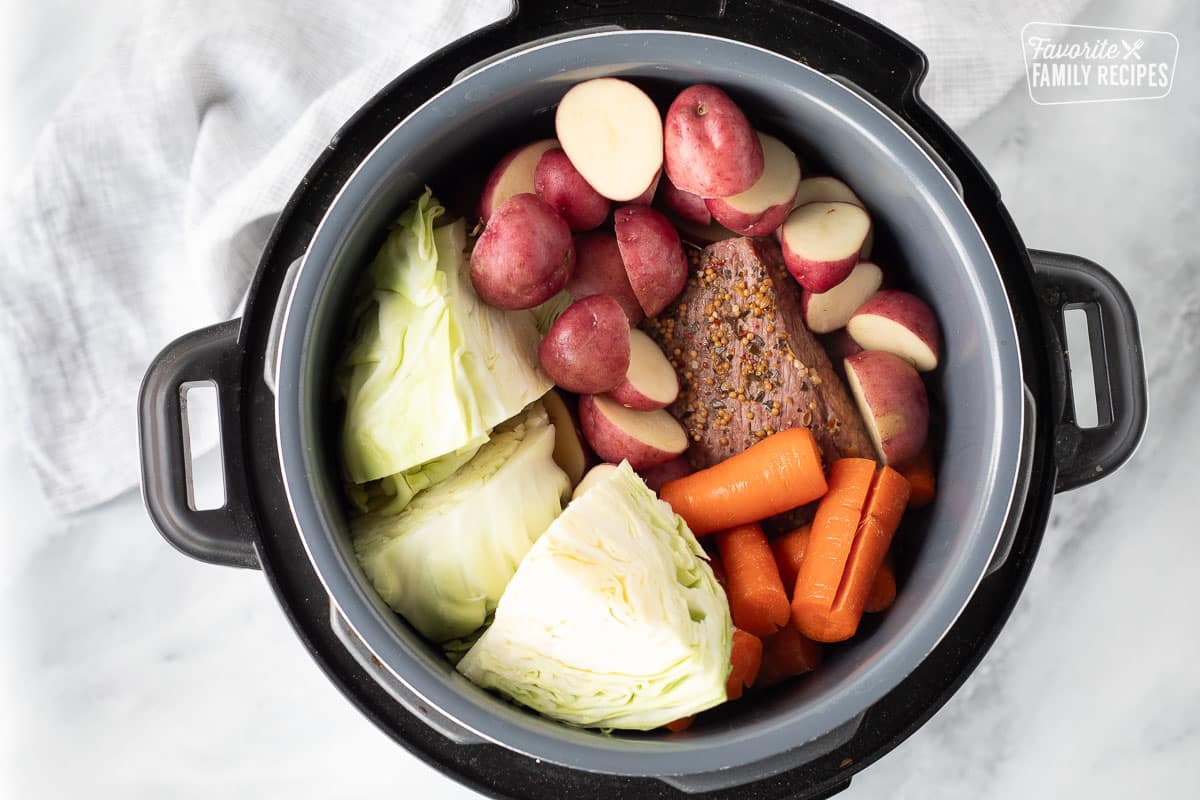
Start by placing the corned beef brisket in the pressure cooker. Pour in enough water to cover the meat. Add the seasoning packet that comes with the corned beef. For extra flavor, include:
- Chopped onions
- Garlic cloves
- Bay leaves
- Whole peppercorns
- Carrots and potatoes
These ingredients enhance the taste and make the meal complete.
Recommended Cooking Times
Seal the pressure cooker lid tightly. Cook the corned beef on high pressure. The cooking time depends on the meat size:
| Weight | Cooking Time |
|---|---|
| 2 to 3 pounds | 60 minutes |
| 3 to 4 pounds | 75 minutes |
| 4 to 5 pounds | 90 minutes |
Adjust the time slightly based on your pressure cooker model.
Pressure Release Methods
After cooking, release the pressure carefully. Use one of these methods:
- Natural release:Let the pressure drop on its own. This takes 15 to 20 minutes.
- Quick release:Use the valve to release pressure fast. Do this if you need to serve immediately.
Natural release keeps the meat juicy. Quick release speeds up the process but may cause tougher meat.
Adding Vegetables And Sides
Adding vegetables and sides to your corned beef cooked in a pressure cooker can elevate the meal from simple to spectacular. The right veggies complement the rich, salty flavor of the beef and absorb the delicious broth. Choosing the right vegetables and adding them at the right time ensures they cook perfectly without turning mushy or underdone.
Best Vegetables For Corned Beef
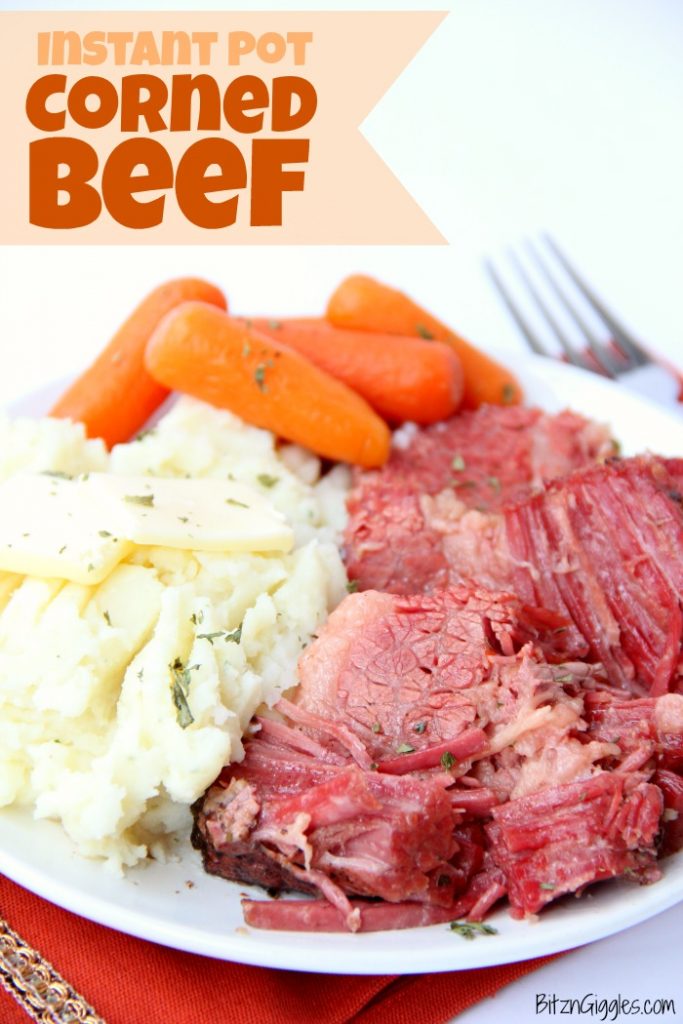
Root vegetables work wonderfully with corned beef. Potatoes, carrots, and parsnips soak up the savory flavors and add natural sweetness. Cabbage is a classic choice that brings a mild crunch and balances the saltiness of the beef.
- Potatoes: Yukon Gold or red potatoes hold their shape well.
- Carrots: Cut into thick chunks to avoid overcooking.
- Parsnips: Add a subtle earthiness and sweetness.
- Cabbage: Quartered or halved, it steams beautifully alongside the meat.
- Turnips or rutabagas: For a slightly peppery taste.
Freshness matters here. The firmer the vegetables, the better they’ll stand up to pressure cooking without becoming mushy.
Timing For Adding Vegetables
Pressure cooking corned beef requires staggered timing for adding vegetables. The beef needs a longer cooking time to become tender, but vegetables cook much faster.
A good rule is to add root vegetables about 10-15 minutes before the cooking time ends. For cabbage, add it just 5 minutes before the end. This timing keeps them tender yet firm, avoiding that overcooked texture.
Think about how you like your vegetables. Do you prefer them softer or with a little bite? Adjust the timing slightly to match your texture preference.
Checking For Tenderness And Doneness
Pierce the corned beef with a fork to check tenderness. If it slides in easily, the meat is done. Cook longer if the beef feels tough.
Cooking corned beef in a pressure cooker can significantly reduce cooking time while ensuring a tender and flavorful outcome. However, determining the right tenderness and doneness can sometimes be tricky. After all, no one enjoys a meal that's either too tough or overly mushy. It's essential to understand how to check for the perfect texture to ensure your dish is a success.
How To Test Meat Tenderness
To check if your corned beef is tender, use a fork to gently pierce the meat. If the fork slides in with minimal resistance and the meat begins to pull apart easily, it's ready. A good rule of thumb is that it should feel almost as soft as a ripe avocado. If you're unsure, consider cutting a small slice. Taste it to see if it meets your expectations. This simple test can save you from serving undercooked or overly chewy beef.
Adjusting Cooking Time If Needed
Sometimes, even after the recommended cooking time, the corned beef might not be as tender as you'd like. If this happens, don't worry. Simply reseal the pressure cooker and cook for an additional 5-10 minutes. It's wise to increment the time cautiously. Remember, you can always cook it a bit more, but you can't undo overcooking. After the additional time, test again for tenderness using the fork method. Have you ever tried adjusting the cooking time to achieve perfect tenderness? This small tweak can make a world of difference in your dish's texture. Don't hesitate to experiment to find your preferred level of doneness.
Serving And Storing Corned Beef
Corned beef cooks quickly and stays tender in a pressure cooker. Store leftovers in an airtight container and refrigerate within two hours. Serve chilled or reheat gently for best taste.
Cooking corned beef in a pressure cooker is quick and easy. After cooking, serving and storing the corned beef correctly is essential. This ensures it remains delicious and safe to eat. Proper techniques enhance the dining experience and make use of leftovers.
Carving Tips
Let the corned beef rest before carving. This allows juices to settle. Use a sharp knife for clean slices. Cut against the grain for tender bites. This makes the meat easier to chew. Slice the beef thin for sandwiches or thicker for main dishes.
Storage And Leftover Ideas
Store leftover corned beef in an airtight container. Keep it in the refrigerator for up to four days. For longer storage, freeze in a freezer-safe bag. Label with the date to track freshness. Leftover corned beef is versatile. Make sandwiches with rye bread and mustard. Dice for a hearty hash with potatoes and onions. Add chunks to a cabbage soup for added flavor. Use it in a warm Reuben casserole.
Credit: www.favfamilyrecipes.com
Troubleshooting Common Issues
Cooking corned beef in a pressure cooker can be a game-changer, but sometimes things don’t go as planned. You might end up with meat that’s tougher than expected or worry about overcooking. Let’s tackle these common issues so your corned beef turns out tender and flavorful every time.
Dealing With Tough Meat
If your corned beef feels tough after cooking, it’s usually because the meat hasn’t broken down enough. Pressure cookers work fast, but tougher cuts need enough time to become tender. Try adding 10 to 15 more minutes of cooking time next round and check the texture again.
Another tip is to let the meat rest after cooking. Allow it to sit in the hot liquid for 10 minutes with the lid off. This helps the fibers relax, making the beef easier to cut and chew.
Have you ever noticed that some corned beef brands vary in tenderness? Choosing a well-marbled piece or one labeled “brisket flat cut” can make a difference. Quality matters as much as cooking time.
Preventing Overcooking
Overcooked corned beef can become mushy and lose its flavor. Pressure cookers are powerful, so timing is crucial. Set your timer carefully and avoid guessing the cooking duration.
Using natural pressure release rather than quick release helps keep the meat juicy. It allows the juices to redistribute instead of rushing out and drying the beef.
Want to avoid overcooking? Try this simple trick: start with the minimum recommended cooking time and test the meat. If it needs more, cook in small increments. This keeps you in control and prevents going too far.
Frequently Asked Questions
How Long To Cook Corned Beef In A Pressure Cooker?
Cook corned beef for about 70 minutes under high pressure. This time ensures tender, flavorful meat without overcooking. Adjust timing slightly based on the corned beef size or your pressure cooker model for best results.
Can You Cook Corned Beef Without Soaking It First?
Yes, you can cook corned beef without soaking. Soaking reduces saltiness but is optional. Using a pressure cooker helps tenderize and balance flavors even without soaking.
What Liquid Is Best For Cooking Corned Beef In A Pressure Cooker?
Use water, beef broth, or a mix with spices. These liquids add flavor and keep the corned beef moist. Avoid using only salty brine to prevent excess saltiness.
How Do You Know When Corned Beef Is Done In A Pressure Cooker?
Corned beef is done when it’s fork-tender and easily shredded. Pressure cooking for 70 minutes usually achieves this. Check texture by piercing with a fork after natural pressure release.
Conclusion
Cooking corned beef in a pressure cooker saves time and effort. The meat turns tender and flavorful fast. You just need the right steps and ingredients. A pressure cooker keeps the beef juicy and soft. This method suits busy days and simple meals.
Try it soon for a tasty, easy dinner. Enjoy the rich taste without long cooking hours. Simple, quick, and delicious—that’s how pressure cooking works.