Are you tired of spending hours cooking chicken legs that never turn out juicy and tender? What if you could have perfectly cooked chicken legs in just a fraction of the time?
Cooking chicken legs in a pressure cooker is the secret to saving time while locking in flavor and moisture. You’ll discover easy steps and tips that make your chicken legs delicious every single time. Keep reading, and you’ll never look at chicken legs the same way again!
Choosing The Right Chicken Legs
Choosing the right chicken legs is key to cooking them perfectly in a pressure cooker. The type of chicken you select affects cooking time and flavor. Picking the right size, weight, and freshness ensures juicy and tender results. Understanding these factors helps you get the best from your meal.
Fresh Vs Frozen
Fresh chicken legs usually cook faster and taste better. They retain natural juices and texture. Frozen chicken legs need thawing or longer cooking times. Cooking frozen chicken directly is possible but may cause uneven cooking. Fresh chicken often looks brighter and feels firmer. Frozen pieces can have ice crystals or freezer burn if stored too long.
Size And Weight Considerations
Chicken legs come in different sizes. Smaller legs cook quicker and are easier to handle. Larger legs need more time in the pressure cooker. Even size helps cook all pieces evenly. Weigh chicken legs before cooking to adjust time properly.
- Small legs: 3 to 4 ounces each
- Medium legs: 4 to 6 ounces each
- Large legs: 6 to 8 ounces each
For mixed sizes, use the size of the largest leg for timing. This avoids undercooked meat. Proper size choice leads to juicy, tender chicken every time.
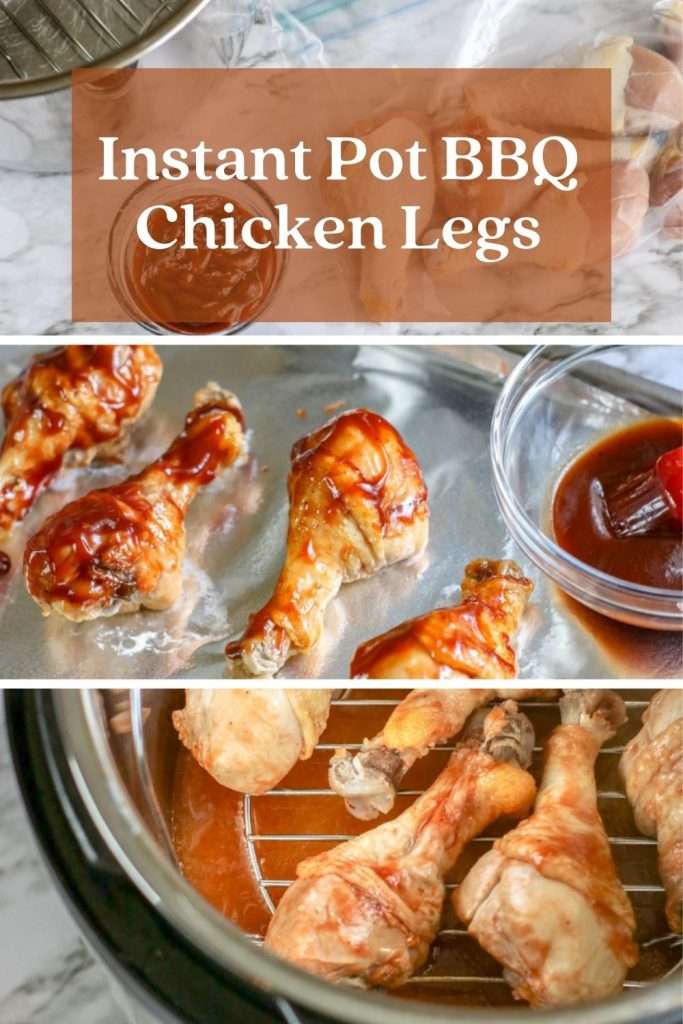
Credit: www.lovinglivinglancaster.com
Preparing Chicken Legs For Pressure Cooking
Preparing chicken legs properly improves cooking results in a pressure cooker. Clean and season the chicken well to ensure the best taste and texture. This section covers key steps for preparation.
Cleaning And Trimming
Start by rinsing chicken legs under cold water. Pat dry with paper towels to remove excess moisture. Trim off any extra fat, skin folds, or leftover feathers. Check for small bones or cartilage and remove them if needed. Clean chicken helps prevent unwanted flavors and ensures even cooking.
Seasoning And Marinating
Season chicken legs with salt and pepper for basic flavor. Use herbs and spices like garlic powder, paprika, or thyme to add taste. Marinate in a mixture of oil, lemon juice, and spices for 30 minutes to 2 hours. Marinating tenderizes meat and enhances its flavor deeply. Avoid over-salting, as pressure cooking concentrates flavors.
Setting Up Your Pressure Cooker
Setting up your pressure cooker correctly ensures tender and flavorful chicken legs. This step prepares the cooker for even heat distribution and proper pressure buildup. It also helps avoid common cooking mistakes like dry meat or uneven cooking.
Selecting The Right Model
Choose a pressure cooker that fits your kitchen and cooking needs. Electric models often have preset programs for poultry. Stovetop models heat faster and offer more control. Look for one with a secure locking lid and pressure release valve. The size matters too. A 6-quart cooker is perfect for most families.
Adding Liquid And Accessories
Pressure cookers need liquid to create steam and build pressure. Use broth, water, or a mix of both. Add at least one cup of liquid to the pot. Place a trivet or steamer basket inside to keep the chicken above the liquid. This prevents the meat from boiling and losing texture. Avoid overcrowding the cooker. Leave space for steam to circulate.
Cooking Time And Pressure Settings
Cooking chicken legs in a pressure cooker takes about 15-20 minutes. Use high pressure for best results. Ensure the cooker is sealed properly for even cooking.
Cooking chicken legs in a pressure cooker is a game-changer for busy home cooks. The ability to whip up a flavorful meal in a fraction of the time is truly satisfying. However, understanding the right cooking time and pressure settings is crucial for achieving perfectly tender chicken legs.
Recommended Cooking Times
Cooking times for chicken legs in a pressure cooker can vary based on size and whether they are bone-in or boneless. Typically, bone-in chicken legs require about 10 to 12 minutes on high pressure. Boneless legs, being leaner, might take around 8 to 10 minutes. If you're cooking frozen chicken legs, add an extra 4 to 5 minutes to the cooking time.
High Vs Low Pressure
Choosing between high and low pressure can affect the texture and juiciness of your chicken. High pressure is ideal for quickly breaking down the muscle fibers, resulting in tender meat. It's perfect when you're in a hurry and need dinner on the table fast. On the other hand, low pressure can be used if you prefer a more gentle cooking process, which might help retain more natural juices. However, it will take a bit longer, which might not always be practical. Have you ever wondered why some meals taste better when cooked slowly? Sometimes, experimenting with pressure settings can yield surprising results. Why not try both settings and decide which suits your taste better? In the end, the choice between high and low pressure depends on your time constraints and taste preferences. A little experimentation can go a long way in finding what works best for your kitchen routine.
Step-by-step Cooking Process
Cooking chicken legs in a pressure cooker is a fantastic way to get juicy, tender meat quickly. The process involves a few key steps that ensure the chicken cooks evenly and locks in flavor. Let’s break down the essential stages so you can master this technique in your own kitchen.
Searing The Chicken Legs
Searing is a crucial step that adds flavor and texture to your chicken legs. Heat some oil in the pressure cooker on the sauté setting or on the stove if your cooker is stovetop-friendly. Place the chicken legs skin-side down and cook until the skin turns golden brown and crispy.
Don't overcrowd the pot; sear in batches if necessary. This step not only enhances taste but also helps seal in the juices, preventing the chicken from drying out during pressure cooking.
Pressure Cooking Procedure
After searing, add your liquid—broth, water, or a sauce of your choice—to the pot. Ensure there’s at least 1 cup of liquid to generate enough steam for pressure cooking. Place the chicken legs back in the pot, arranging them evenly without stacking too much.
Seal the lid securely and set your pressure cooker to high pressure. Cooking time for chicken legs is usually between 10 to 15 minutes depending on size. Keep in mind that thicker pieces may require the higher end of this range.
Natural Vs Quick Release
Once cooking finishes, you face an important choice: natural release or quick release of pressure. Natural release means you let the pressure drop on its own, which takes about 10 to 15 minutes. This gentle cooldown helps the meat retain moisture and stay tender.
Quick release involves manually releasing the pressure immediately, which speeds up the process but can sometimes make the meat less tender. Try both methods to see which texture you prefer. What’s your ideal balance between speed and tenderness?
Tips For Juicy And Flavorful Chicken Legs
Cooking chicken legs in a pressure cooker can be quick and convenient, but getting them juicy and full of flavor requires a few smart tricks. Small adjustments can make a big difference in texture and taste. Here are practical tips to help you avoid dryness and boost flavor every time you cook chicken legs under pressure.
Avoiding Overcooking
Pressure cookers work fast, so timing is everything. Overcooked chicken legs turn dry and tough instead of tender and juicy.
- Set the cooking time between 10 to 15 minutes depending on the size of the legs.
- Use natural pressure release for about 5 minutes before quick releasing to keep moisture locked in.
- Check your cooker’s manual since times can vary by model.
Think about the last time you overcooked meat—did it lose that satisfying juiciness? Avoid that by keeping a close eye on time and pressure release.
Enhancing Flavor With Herbs And Spices
Simple herbs and spices can transform plain chicken legs into a flavor-packed meal. Don’t be afraid to experiment with what you have in your kitchen.
- Add garlic, paprika, thyme, or rosemary directly to the pot before sealing it.
- Consider marinating the legs for 30 minutes beforehand to deepen the flavor.
- Use broth instead of water as the cooking liquid to enrich the taste.
Have you ever noticed how a pinch of smoked paprika or a sprig of fresh thyme changes the whole dish? Small flavor boosters like these make your chicken legs stand out without extra effort.
Serving Suggestions
Serving chicken legs cooked in a pressure cooker opens many tasty possibilities. The rich and juicy meat pairs well with a variety of sides and garnishes. These choices enhance the meal’s flavor and presentation. Simple sides and fresh garnishes can make your dish more inviting and balanced.
Side Dishes That Pair Well
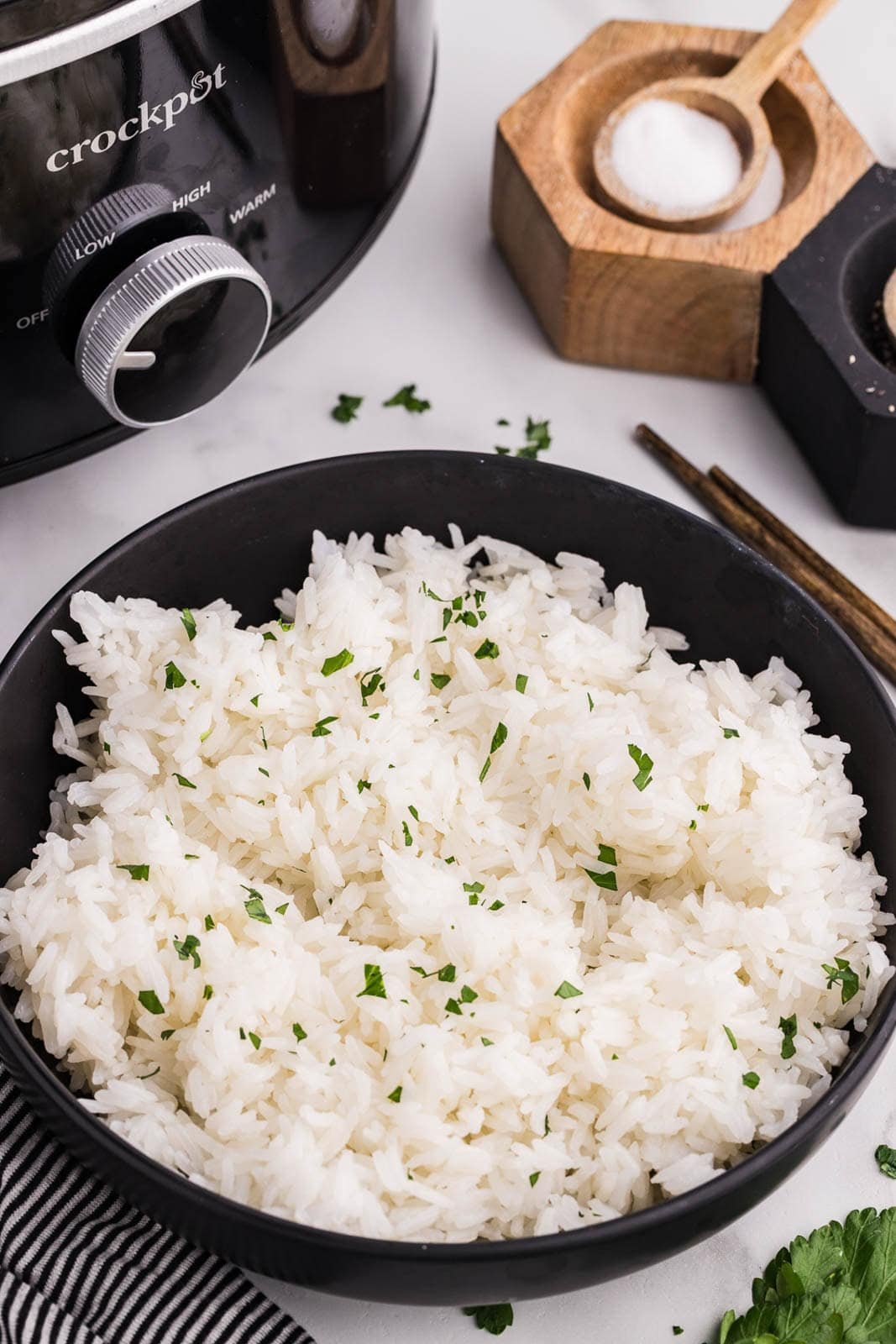
- Steamed rice absorbs the savory juices perfectly.
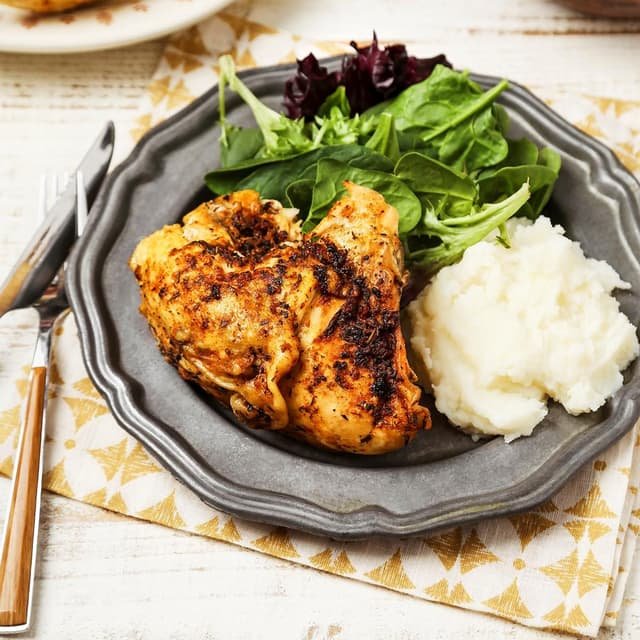
- Mashed potatoes offer a creamy contrast to tender chicken.
- Roasted vegetables add color and a slight crunch.
- Green beans or asparagus provide freshness and a healthy touch.
- Simple pasta tossed in olive oil and herbs complements the meal.
Garnishing Ideas
- Fresh parsley or cilantro adds a bright, fresh note.
- Lemon wedges provide a zesty contrast to rich chicken.
- Chopped green onions bring a mild, sharp flavor.
- Toasted sesame seeds add a subtle crunch and nutty taste.
- A drizzle of flavored oil, like garlic or chili, enhances aroma.

Credit: lynnswayoflife.com
Troubleshooting Common Issues
Cooking chicken legs in a pressure cooker is fast and convenient, but sometimes things don’t turn out as expected. Troubleshooting common issues can help you get juicy, tender meat every time. Let's look at what might go wrong and how you can fix it quickly.
Dry Or Tough Chicken
Dry or tough chicken usually means it was overcooked or the pressure was too high. Chicken legs have skin and fat that help keep moisture in, but too much time under pressure squeezes out the juices.
Try reducing the cooking time by a couple of minutes next time. Also, add a bit of liquid like broth or water to create steam and keep the meat moist. I once learned this the hard way—cutting down cooking time made a huge difference in tenderness.
Another trick is to use the natural release method instead of quick release. Letting pressure drop slowly helps the meat reabsorb juices instead of drying out.
Undercooked Meat
Undercooked chicken means it didn’t spend enough time under pressure or the pressure cooker didn’t reach full pressure. This can be risky because chicken needs to be cooked thoroughly for safety.
If you find your chicken is still pink inside, simply close the lid again and cook under pressure for a few more minutes. Make sure the sealing ring is properly in place and the steam valve is set correctly to build pressure.
Check your pressure cooker’s manual for recommended cooking times for chicken legs. Sometimes altitude or the size of the legs means you need a bit more time. Have you noticed that cooking times vary even with the same recipe? Adjust accordingly to get it right.

Credit: urbanblisslife.com
Frequently Asked Questions
How Long To Cook Chicken Legs In A Pressure Cooker?
Chicken legs typically cook in a pressure cooker for 10-12 minutes. This timing ensures they are fully cooked and tender. Always check for an internal temperature of 165°F for safety. Adjust time slightly for frozen or larger pieces.
Can I Cook Frozen Chicken Legs In A Pressure Cooker?
Yes, you can cook frozen chicken legs in a pressure cooker. Increase cooking time by about 5 minutes. Ensure the pressure cooker reaches full pressure before timing. Always verify the chicken is cooked through before serving.
What Liquid Is Best For Pressure Cooking Chicken Legs?
Water, broth, or stock works best as the cooking liquid. They help create steam and keep chicken moist. Adding herbs or spices to the liquid enhances flavor. Use at least one cup for optimal pressure cooking.
How To Keep Chicken Legs Tender In A Pressure Cooker?
Use the right cooking time to avoid overcooking. Adding a bit of oil or butter helps retain moisture. Natural pressure release also improves tenderness. Avoid opening the cooker too early to keep juices sealed.
Conclusion
Cooking chicken legs in a pressure cooker saves time and keeps meat tender. You only need a few simple steps to get juicy results. The cooker locks in flavor and cooks evenly. It’s a great way to prepare dinner fast.
Try different seasonings to match your taste. This method fits busy days and small kitchens well. Enjoy a delicious meal with less effort. Give it a try and see how easy it is.