Are you tired of spending too much time cooking brown rice, only to end up with a mushy or undercooked mess? Cooking brown rice in a pressure cooker can be a game-changer for your meals.
It’s quick, simple, and locks in the natural nutty flavor you love. You’ll discover step-by-step how to get perfectly fluffy brown rice every single time. Keep reading, and you’ll never look at cooking rice the same way again.
Choosing The Right Brown Rice
Choosing the right brown rice sets the foundation for a perfectly cooked meal in your pressure cooker. Not all brown rice is created equal, and understanding the differences can save you from unexpected textures or cooking times. Let’s dive into what makes each type unique and how to spot quality grains that suit your taste and cooking style.
Types Of Brown Rice
Brown rice comes in several varieties, each with its own flavor and texture. The most common types are:
- Long-grain brown rice:This type stays fluffy and separate when cooked, making it ideal for salads and pilafs.
- Short-grain brown rice:It tends to be stickier and softer, perfect for dishes where you want a creamy texture.
- Basmati brown rice:Known for its nutty aroma and light texture, it cooks faster than some other brown rices.
- Red and black brown rice:These have a deeper flavor and are rich in antioxidants, but may require longer cooking times.
Have you noticed how your favorite recipe changes when you switch rice types? The right choice depends on the dish you’re preparing and your texture preference.
Selecting Quality Grains
Quality matters as much as type when picking brown rice. Look for grains that are whole, unbroken, and free of dust or debris. Freshness influences taste and cooking time, so check the packaging date or buy from stores with high turnover.
Consider organic options if you want to avoid pesticides. Also, storing rice in an airtight container in a cool, dry place keeps it fresh longer. Have you ever cooked rice that tasted stale or had an odd smell? That’s usually a sign of old or improperly stored grains.
Preparing Brown Rice For Cooking
Preparing brown rice properly before cooking can make a big difference in both texture and taste. Brown rice has a tough outer bran layer, so taking a few extra steps can help you achieve fluffy, evenly cooked grains in your pressure cooker. Let’s dive into some simple, effective ways to get your brown rice ready.
Rinsing Techniques
Rinsing brown rice removes excess starch and any dust or debris left from processing. You can place the rice in a fine mesh strainer and rinse it under cold running water for about 30 seconds. Stir the rice gently with your fingers to make sure every grain gets washed.
Some people prefer to rinse until the water runs clear, which usually takes two to three rinses. This helps prevent the rice from becoming gummy when cooked. Have you noticed how rinsing changes the texture of rice in your dishes?
Soaking Benefits
Soaking brown rice before cooking softens the grains and reduces the pressure cooker’s cooking time. A soak of 30 minutes to an hour is often enough to hydrate the rice. This step can also help reduce phytic acid, which makes nutrients more available for your body.
Don’t soak for too long, though, or the rice might become mushy. If you’re short on time, rinsing alone still works well. How might your cooking routine change if you started soaking your brown rice regularly?
Setting Up The Pressure Cooker
Place the brown rice and water inside the pressure cooker pot. Secure the lid tightly and set the valve to the sealing position. Select the pressure cooking mode and adjust the time for perfect, fluffy rice.
Setting up your pressure cooker correctly is crucial to cooking perfect brown rice. An improper setup can lead to undercooked or mushy rice, and nobody wants that. With a little preparation and the right tools, you'll be ready to master this simple yet transformative cooking method.
Pressure Cooker Types
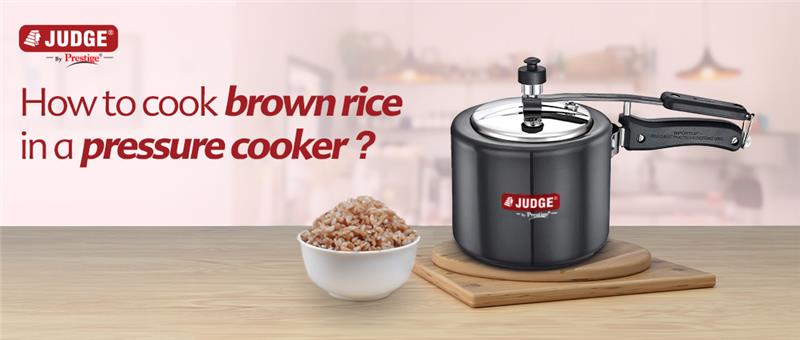
Choosing the right pressure cooker can make a significant difference. There are two main types: stovetop and electric. Stovetop models often provide more control over pressure levels, while electric ones offer convenience with preset functions. Each type has its own advantages, so consider your cooking habits. If you prefer hands-on control, a stovetop model might be your best bet. On the other hand, if you like the idea of setting it and forgetting it, an electric pressure cooker could be perfect for you.
Essential Accessories
Equipping yourself with the right accessories can streamline the cooking process. A stainless-steel steam rack can prevent the rice from sticking to the bottom. It's a lifesaver, especially when you're cooking multiple batches. Measuring cups and spoons ensure you get the rice-to-water ratio just right. A simple mistake in measurement can be the difference between fluffy and soggy rice. Finally, having a wooden spoon handy helps fluff the rice without scratching your pressure cooker's inner pot. Have you ever forgotten an essential accessory and had to improvise? What unusual kitchen tool did you end up using? Share your experience in the comments below!
Credit: judge.ttkprestige.com
Cooking Brown Rice Step-by-step
Cooking brown rice in a pressure cooker can save you time and give you perfectly tender grains every time. It’s all about mastering the right balance of water, pressure, and release method. Once you get these down, your brown rice will come out fluffy without being mushy or undercooked.
Rice-to-water Ratio
The amount of water you use makes a huge difference in texture. For brown rice, the ideal ratio is generally 1 cup of rice to 1.25 cups of water. This slightly lower water amount compared to stovetop cooking helps avoid mushy rice in a pressure cooker.
If you prefer firmer rice, try reducing the water to 1 cup per 1 cup of rice. If you like it softer, add a little more water but be cautious not to overdo it. Have you ever had rice turn out too sticky? Adjusting this ratio is often the key to fixing that problem.
Pressure And Time Settings
Set your pressure cooker to high pressure for brown rice. The ideal cooking time is usually around 20 to 22 minutes. Cooking it longer can lead to soggy rice, while less time might leave it undercooked.
Using the timer on your pressure cooker helps avoid guesswork. You might find that your cooker’s brand and model require slight tweaks, so take notes after each batch. How do you usually decide the cooking time for grains? Experimenting with short bursts of pressure cooking can reveal your rice’s perfect texture.
Natural Vs Quick Release
After cooking, you have two options to release the pressure: natural release or quick release. Letting the pressure drop naturally for about 10 minutes allows the rice to finish steaming gently, improving texture and moisture distribution.
Quick release can be faster but may cause uneven cooking or slightly tougher grains. If you’re in a hurry, quick release works, but natural release often produces better results. Have you noticed a difference in your rice texture depending on how you release the pressure?
Tips For Fluffy Brown Rice
Cooking brown rice in a pressure cooker can be tricky. Achieving fluffy rice requires some key strategies. These tips can help you get that perfect texture. Let's dive into some essential advice.
Avoiding Overcooking
Time management is crucial for cooking brown rice. Set the pressure cooker to the correct time. Usually, 20-22 minutes work well. Adjust the time based on your cooker model. Quick-release the pressure to prevent further cooking. This keeps the rice from becoming mushy.
Stirring And Resting
After cooking, stir the rice gently. This helps separate the grains. Avoid vigorous stirring to prevent breaking the grains. Let the rice rest for 5 minutes after stirring. Resting helps the grains firm up and absorb any remaining moisture.
Flavor Variations And Additions
Brown rice cooked in a pressure cooker is a blank canvas waiting for your creative touch. Adding flavor variations and extras can transform a simple side dish into something exciting and unique. These easy tweaks let you match the rice to whatever meal you’re serving or simply make your rice more enjoyable on its own.
Using Broth And Spices
Swap water for broth to instantly boost the flavor of your brown rice. Chicken, beef, or vegetable broth each brings a different depth, making your rice taste richer and more savory.
Spices also play a crucial role. Try adding a cinnamon stick or a few cardamom pods for a subtle warmth. A pinch of turmeric not only adds color but also a mild earthiness. Don’t forget salt and pepper—you’d be surprised how much these simple seasonings enhance the final dish.
Adding Vegetables And Herbs
Chopped onions, garlic, or bell peppers can be added right into the pressure cooker before sealing it. These ingredients soften during cooking and infuse the rice with fresh, vibrant flavors.
Fresh herbs like parsley, cilantro, or basil are best added after cooking. Their bright flavors can really brighten the dish and give it a fresh, lively finish.
Have you tried tossing in frozen peas or corn? They add texture and a touch of sweetness without extra prep. What’s your favorite vegetable to add to rice for an easy flavor upgrade?
Troubleshooting Common Issues
Cooking brown rice in a pressure cooker is quick and convenient, but sometimes things don’t go as planned. You might end up with rice that’s either too mushy or undercooked. Understanding how to fix these common issues will save you time and frustration in the kitchen.
Fixing Mushy Rice
Mushy rice often happens when there’s too much water or the cooking time is too long. Next time, try reducing the water slightly—around 1.25 cups of water per cup of brown rice usually works well. Also, make sure to release the pressure quickly instead of letting it release naturally; this prevents the rice from cooking further.
If you already have mushy rice, spread it out on a baking sheet and let it air dry for a few minutes. This can help reduce the sogginess before serving. Have you noticed your rice sticking to the pot? Adding a teaspoon of oil before cooking can create a nice non-stick layer.
Dealing With Undercooked Grains
Undercooked brown rice means the grains are still hard or chewy, which can be frustrating. This usually happens if there isn’t enough water or the cooking time is too short. Adding a splash more water and cooking under pressure for an additional 5 minutes can help soften those stubborn grains.
After the extra cooking, let the pressure release naturally for 10 minutes to allow the steam to finish cooking the rice evenly. If you rush this step, you might still find hard bits. Have you tried rinsing your rice before cooking? This can improve moisture absorption and even cooking.
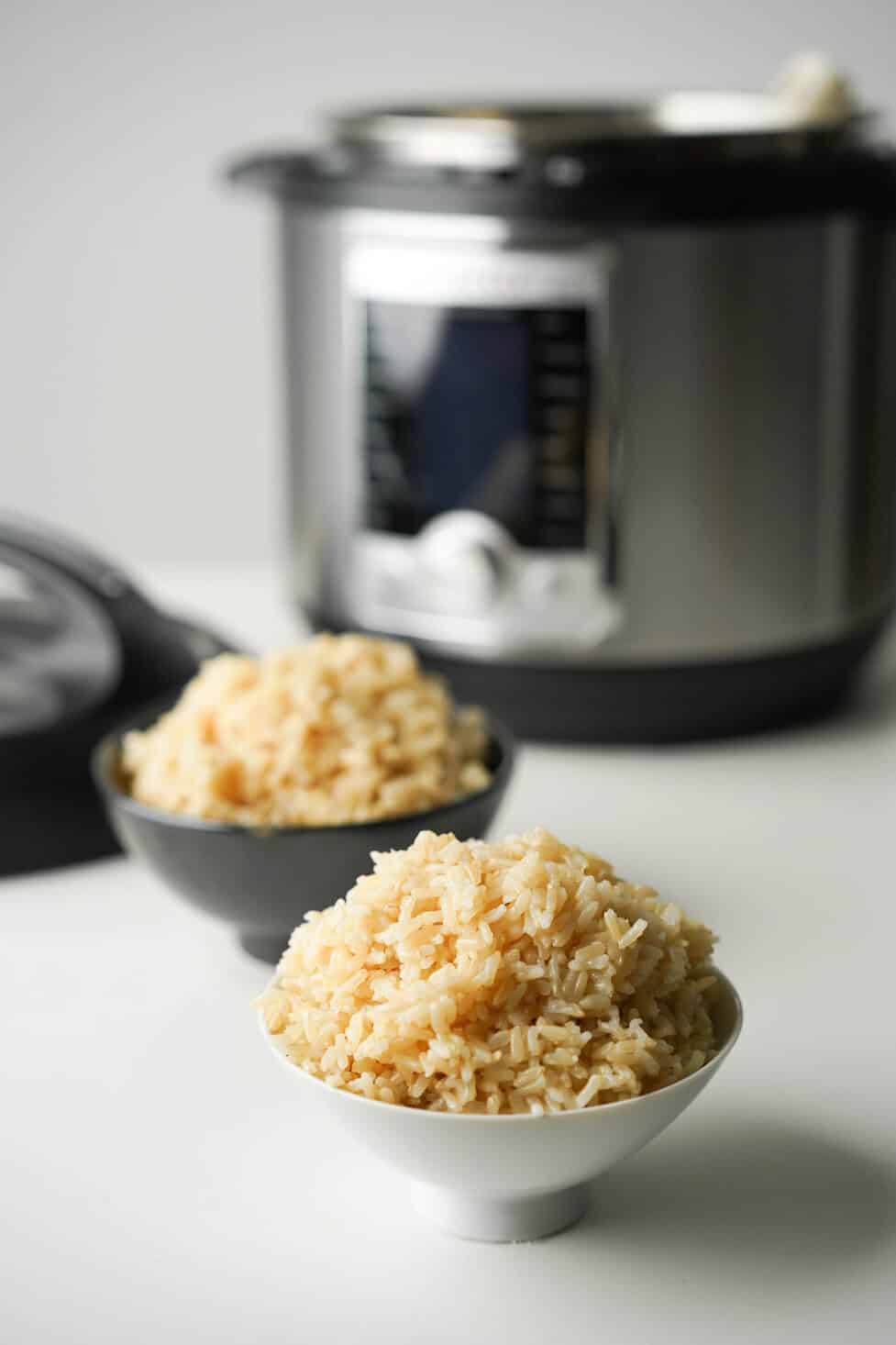
Credit: www.hungryhuy.com
Storing And Reheating Brown Rice
Storing and reheating brown rice correctly can make a big difference in taste and texture. If you’ve ever reheated rice that turned out dry or mushy, you know how disappointing it can be. Understanding the right methods helps you keep your brown rice fresh and enjoyable for later meals.
Proper Storage Methods
After cooking, let your brown rice cool down to room temperature before storing. This prevents condensation, which can make rice soggy or spoil faster.
Use airtight containers to lock in moisture and keep out air. Glass containers with tight lids or BPA-free plastic containers work well.
Label the container with the date so you remember how long it’s been stored. Brown rice stays good in the fridge for about 4 to 6 days.
Freezing brown rice is a great option if you want to keep it longer. Portion the rice into freezer-safe bags or containers. This way, you can thaw only what you need without wasting any.
Reheating Tips For Best Texture
Reheating brown rice without drying it out can be tricky. Adding a splash of water before reheating helps restore moisture.
If you use a microwave, cover the rice with a damp paper towel or microwave-safe lid. Heat in short intervals, stirring occasionally to distribute heat evenly.
On the stove, place rice in a pan with a little water or broth. Cover and warm on low heat, stirring gently until heated through.
Have you noticed how reheated rice sometimes clumps together? Fluff it gently with a fork before serving to keep each grain separate and light.

Credit: www.acouplecooks.com
Frequently Asked Questions
How Long Does Brown Rice Take In A Pressure Cooker?
Brown rice takes about 15-20 minutes under high pressure in a pressure cooker. Cooking time depends on rice variety and cooker type. Always allow natural pressure release for best texture and flavor.
What Is The Water To Rice Ratio For Brown Rice?
Use a water to brown rice ratio of 1. 5:1 in a pressure cooker. This ratio ensures rice cooks fully without being mushy or dry. Adjust slightly for altitude or rice brand.
Can You Cook Brown Rice Without Soaking It First?
Yes, you can cook brown rice in a pressure cooker without soaking. Soaking reduces cooking time but isn’t necessary. Just increase cooking time slightly if unsoaked.
How To Prevent Brown Rice From Sticking In A Pressure Cooker?
To prevent sticking, rinse rice thoroughly before cooking. Add a teaspoon of oil or butter. Use the correct water ratio and avoid opening the cooker too soon.
Conclusion
Cooking brown rice in a pressure cooker saves time and effort. It cooks evenly and stays fluffy. You only need water, rice, and a few minutes. No need to watch it closely. Perfect for busy days or quick meals. Try it once and see the difference.
Enjoy healthy, tasty brown rice with less fuss. Simple steps lead to great results every time.