If you’ve ever wondered how to cook beef ribs on a gas grill to get that perfect balance of smoky flavor and tender meat, you’re in the right place. Cooking beef ribs can seem tricky, but with the right steps, you’ll impress your friends and family every time.
Imagine biting into juicy, flavorful ribs that fall off the bone—sounds delicious, doesn’t it? Keep reading, and you’ll discover simple tips and tricks that make your gas grill the secret weapon for mouthwatering beef ribs. Your next cookout just got a whole lot better.
Choosing The Right Beef Ribs
Choosing the right beef ribs sets the foundation for a delicious grilling experience. Not all ribs are created equal, and the cut you pick impacts flavor, tenderness, and cooking time. Understanding the types and knowing how to select quality meat will help you get the best results on your gas grill.
Types Of Beef Ribs
Beef ribs come mainly in two varieties: back ribs and short ribs. Back ribs are taken from the rib section near the spine and have less meat but great flavor. Short ribs come from the plate or brisket area, offering more meat and a richer taste.
Think about what texture you prefer. Do you want ribs with more meat to bite into, or are you aiming for ribs with a stronger beefy flavor and a bit of chew? Your choice here affects your grilling approach and how long you’ll cook the ribs.
Selecting Quality Meat
Look for ribs that have a bright red color and a good amount of marbling. Fat is essential because it melts during cooking, keeping the meat juicy and flavorful. Avoid ribs with dark spots or dry edges—they’re likely not fresh.
Feel the ribs if possible. They should be firm but not hard, indicating freshness. Also, ask your butcher about the source of the meat; grass-fed or grain-fed beef can taste quite different, which might change how you season and cook your ribs.
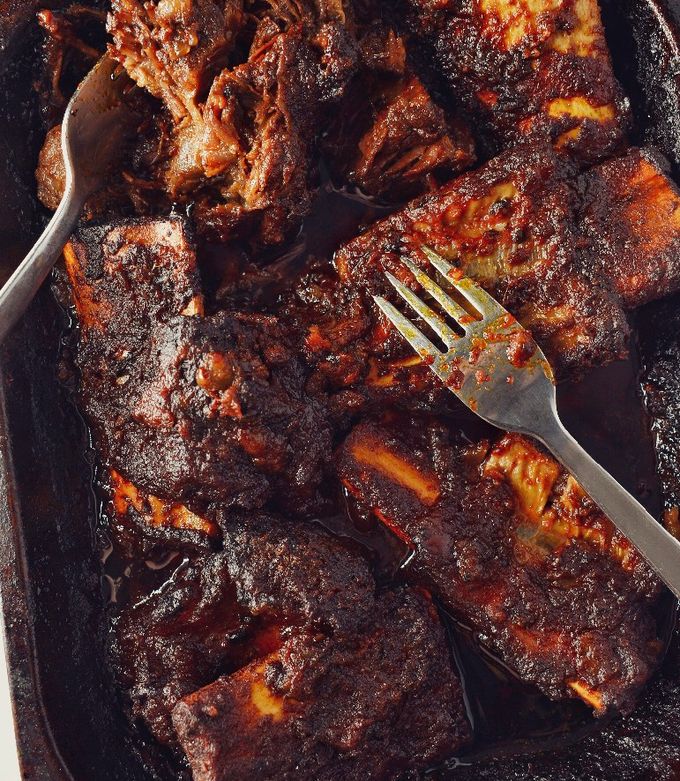
Credit: cookpad.com
Preparing Beef Ribs For Grilling
Preparing beef ribs for grilling is a key step to ensure tender and flavorful results. Proper preparation helps the meat cook evenly and absorb the spices well. This process includes cleaning the ribs and adding taste with marinades or dry rubs. Taking time here improves the grilling experience and final dish.
Trimming And Cleaning
Start by removing the silver skin from the ribs. This thin, tough layer can prevent flavors from soaking in. Use a sharp knife to lift the edge and peel it off carefully. Trim away excess fat, but leave some for flavor and moisture. Rinse the ribs under cold water and pat dry with paper towels. This step readies the meat for seasoning and grilling.
Marinating And Dry Rubs
Marinating adds moisture and flavor to beef ribs. Use a simple mix of oil, acid like vinegar or lemon juice, and spices. Let the ribs soak for at least 2 hours or overnight for best taste. Dry rubs work well too. Combine salt, pepper, paprika, garlic powder, and brown sugar. Rub the mixture evenly over the ribs. Allow the ribs to rest with the rub for about an hour before grilling. Both methods boost taste and tenderness in the final meal.
Setting Up The Gas Grill
Cooking beef ribs on a gas grill involves preheating the grill to medium heat. Place the ribs on the grill and cook until tender, turning occasionally. Use a meat thermometer to ensure the ribs are cooked to the desired temperature.
Setting up your gas grill correctly is the first step to delicious beef ribs. A well-prepared grill ensures even cooking and enhances the flavor. It's essential to manage temperature and heat zones for perfect ribs. Let's explore some key aspects of setting up a gas grill.
Temperature Control
Temperature control is crucial for juicy ribs. Begin by preheating the grill. Set it to a medium-high setting, around 350°F. Use the grill's thermometer for accuracy. Consistent temperature helps cook the ribs evenly. Avoid opening the lid too often. It causes heat loss.
Direct Vs Indirect Heat
Understanding heat zones is key for grilling ribs. Direct heat cooks food directly over the flame. It's great for searing. Indirect heat cooks food away from the flame. It's ideal for slow cooking. For ribs, start with indirect heat. Place ribs away from the flame. This allows them to cook slowly and absorb flavors. Finish with direct heat for a nice crust.
Grilling Techniques For Beef Ribs
Grilling beef ribs on a gas grill is an art that combines patience with technique. The way you handle the heat and prepare the ribs can transform them from tough to tender, bursting with flavor. Let’s dive into the grilling techniques that will help you master the perfect beef ribs every time.
Searing The Ribs
Searing locks in juices and creates a delicious crust on the ribs. Start with a hot grill—around 450°F—to get that beautiful caramelization. Place the ribs directly over the flames for 2-3 minutes per side, but watch closely to avoid burning.
Have you noticed how some grills cook unevenly? Rotate the ribs to ensure every part gets a nice sear. This initial step sets the stage for tender meat inside and a crispy exterior.
Slow Cooking Methods
After searing, lower the heat to around 250°F for slow cooking. This gentle heat breaks down the connective tissue, making the ribs tender. Use indirect heat by turning off some burners and placing the ribs away from direct flames.
Have you tried adding wood chips to your gas grill? This adds smoky flavor that mimics traditional BBQ. Patience is key here—slow cook your ribs for 2 to 3 hours, checking occasionally for tenderness.
Using Foil Wraps
Wrapping ribs in foil during cooking helps retain moisture and speeds up the tenderizing process. After searing, wrap your ribs tightly with foil and add a splash of apple juice or broth inside the wrap for extra juiciness.
Place the foil packets on the cooler part of the grill and cook for about an hour. This method keeps ribs moist and lets flavors meld together beautifully. Do you prefer ribs with a crispy bark? Unwrap and grill them for a few minutes before serving.
Enhancing Flavor With Sauces And Glazes
Adding sauces and glazes to your beef ribs on a gas grill can transform their flavor from good to unforgettable. These finishing touches bring out the meat’s natural richness and can introduce exciting layers of taste. Knowing how and when to use these flavor boosters helps you avoid common pitfalls like burnt sugar or underwhelming seasoning.
Choosing The Right Sauce
Think about the flavor profile you want before picking a sauce. A tangy barbecue sauce adds a nice kick, while a sweet glaze like honey or maple syrup brings caramelized notes that contrast the smoky meat.
Consider these options:
- Classic BBQ Sauce:Rich and smoky, perfect for a traditional taste.
- Spicy Sauce:Adds heat and depth for those who love bold flavors.
- Sweet Glazes:Honey, brown sugar, or fruit-based glazes create a beautiful caramel crust.
- Asian-Inspired Sauces:Soy sauce, ginger, and garlic blends offer a unique twist.
Have you ever tried mixing sauces to create your own signature flavor? It’s a simple way to personalize your ribs and impress your guests.
When To Apply Glaze
Timing is everything with glazes. Apply them too early, and the sugars can burn, leaving a bitter taste. Too late, and you miss out on that sticky, flavorful coating.
Here’s a practical approach:
- Cook ribs over indirect heat until almost done.
- Brush the glaze on during the last 10-15 minutes of grilling.
- Turn ribs frequently to avoid burning and ensure even caramelization.
Try applying a thin layer first, then build up with a couple more coats as the glaze sets. This technique creates a glossy finish that’s packed with flavor without overwhelming the meat.

Credit: laboucherie.mt
Checking For Doneness
Checking for doneness is key to cooking perfect beef ribs on a gas grill. It ensures the ribs are cooked safely and have the right texture. Overcooking can dry them out, while undercooking leaves them tough and chewy. Use simple tools and tests to know when your ribs are ready to enjoy.
Internal Temperature Guide
Use a meat thermometer to check the beef ribs’ internal temperature. Insert it into the thickest part of the meat, avoiding bones. The ideal temperature for tender ribs is between 195°F and 203°F (90°C to 95°C). At this range, the collagen breaks down, making the meat soft and juicy.
- Below 145°F (63°C): Undercooked, not safe to eat
- 145°F to 160°F (63°C to 71°C): Medium, still tough
- 195°F to 203°F (90°C to 95°C): Perfectly tender and juicy
Tenderness Tests
Besides temperature, test tenderness by feel and appearance. Use tongs to gently pull the ribs apart. If the meat pulls away easily and looks moist, it is tender. Another way is the toothpick test: insert a toothpick between the bones. It should slide in with little resistance.
Check for slight resistance but no toughness. The ribs should not feel rubbery or hard. These tests help confirm ribs are ready without cutting into them too early.
Resting And Serving Tips
Resting and serving beef ribs after grilling is key for the best flavor and texture. This step helps the juices settle and keeps the meat tender. Serving with thoughtful presentation adds to the meal's appeal and enjoyment.
Resting Time Importance
After grilling, let the beef ribs rest for at least 10 to 15 minutes. Resting allows the meat fibers to relax and reabsorb the juices. Cutting ribs immediately can cause juices to escape, making the meat dry. Cover ribs loosely with foil to keep them warm during resting. This simple step improves tenderness and flavor.
Presentation Ideas
Serve beef ribs on a large wooden board or a clean platter. Arrange ribs neatly, with bones facing the same way for easy grabbing. Garnish with fresh herbs like parsley or rosemary for color. Add lemon wedges or a small bowl of barbecue sauce on the side. Use colorful sides like grilled vegetables or coleslaw to brighten the plate. Presentation makes the meal inviting and enjoyable for everyone.

Credit: www.tasteofhome.com
Common Mistakes To Avoid
Cooking beef ribs on a gas grill can be incredibly rewarding, but several common mistakes can spoil your efforts. Avoiding these pitfalls will help you achieve tender, flavorful ribs every time. Let's look at what to watch out for so your next grilling session is a success.
Overcooking
Overcooking beef ribs is a frequent error that turns juicy meat into a dry, tough mess. It’s tempting to leave ribs on the grill longer, hoping for extra tenderness, but too much heat actually squeezes out moisture. Pay attention to the cooking time and texture; ribs should be tender but still juicy.
One trick I learned the hard way: check ribs regularly after the first hour. If the meat starts pulling away from the bone easily, it’s time to remove them. Don’t wait for the meat to look completely done; that can mean it’s already overdone.
Ignoring Temperature
Many overlook the importance of maintaining the right grill temperature. Too high, and the ribs burn on the outside while staying undercooked inside. Too low, and the cooking drags on, risking dry meat and lost flavor.
Use a reliable grill thermometer to monitor your gas grill’s heat. Aim for a steady 225°F to 275°F for slow cooking. Have you ever guessed the temperature and ended up with ribs that were either raw or charred? It’s a clear sign temperature control matters.
Frequently Asked Questions
How Long To Cook Beef Ribs On A Gas Grill?
Cook beef ribs on medium heat for 2. 5 to 3 hours. Use indirect grilling to avoid flare-ups. Turn ribs every 30 minutes for even cooking and tenderness.
What Temperature Is Best For Grilling Beef Ribs?
Maintain a gas grill temperature around 250°F to 275°F. This low and slow heat ensures juicy, tender ribs without drying them out.
Should Beef Ribs Be Marinated Before Grilling?
Marinating beef ribs enhances flavor and tenderness. Use a marinade with acidic ingredients like vinegar or citrus for at least 2 hours before grilling.
How To Prevent Beef Ribs From Drying Out On A Grill?
Use indirect heat and keep the grill lid closed. Baste ribs regularly with sauce or marinade to retain moisture and flavor.
Conclusion
Cooking beef ribs on a gas grill takes time and care. Start with clean, hot grates and use indirect heat. Keep the grill covered to hold the smoke and flavor. Check the ribs often, and cook until tender and juicy.
Use your favorite sauce or seasoning for extra taste. Enjoy the process and the delicious results. Grilling beef ribs can be simple and rewarding. Try it yourself and taste the difference.