Are you tired of spending too much time cooking artichokes the traditional way? Imagine having perfectly tender, flavorful artichokes ready in just minutes.
Using a pressure cooker can transform this often tricky vegetable into a delicious treat without the long wait. You’ll discover simple steps to cook artichokes quickly and easily. By the end, you’ll be ready to enjoy this healthy dish anytime you want—without any hassle.
Keep reading to unlock the secret to perfect artichokes every time!
Choosing Fresh Artichokes
Choosing fresh artichokes is key to a delicious meal. Fresh artichokes have a firm texture and tight leaves. They should feel heavy for their size, which means they hold a lot of moisture inside. Avoid artichokes with brown spots or dry, shriveled leaves. These signs mean the artichoke is old or not fresh.
Freshness affects taste and cooking time. The fresher the artichoke, the better it will cook in your pressure cooker. Start with quality artichokes for the best results.
Identifying Quality Artichokes
- Look for a bright green color.
- Check that leaves are tightly packed.
- Feel the artichoke; it should be firm and heavy.
- Avoid ones with dark spots or dry tips.
- Smell the base; it should smell fresh, not sour.
Preparing Artichokes For Cooking
Rinse the artichokes under cold water to remove dirt. Trim the stem to about an inch. Cut off the top inch of the artichoke with a sharp knife. Remove tough outer leaves near the base. Use kitchen scissors to snip the sharp leaf tips. Rub the cut parts with lemon to stop browning. These steps help the artichoke cook evenly and taste better.
Setting Up The Pressure Cooker
Setting up the pressure cooker properly is key to cooking perfect artichokes. It helps the artichokes cook evenly and quickly. Proper setup also ensures safety and the best flavor.
Selecting The Right Pressure Cooker
Choose a pressure cooker that fits the size of your artichokes. A 6-quart cooker works well for most families. Make sure the cooker has a reliable pressure release valve. Stainless steel models often last longer and clean easily.
Check the manual for specific settings related to vegetables. Some cookers have presets for artichokes or similar vegetables. This can save time and avoid overcooking.
Adding Water And Seasonings
Pour about 1 to 1.5 cups of water into the cooker. This amount creates enough steam for cooking without burning. Use water only or add seasonings for extra taste.
- Garlic cloves add a rich aroma.
- Fresh lemon slices brighten the flavor.
- Bay leaves give a subtle herbal note.
- Salt enhances the natural taste of artichokes.
Place a steaming basket or trivet inside. This keeps artichokes above the water. Prevents sogginess and keeps texture firm.
Cooking Artichokes Quickly
Cooking artichokes quickly in a pressure cooker saves time and keeps the vegetable tender. The pressure cooker uses steam and high pressure to cook artichokes faster than boiling or steaming. This method locks in flavor and nutrients while softening the tough leaves and heart.
Understanding the right cooking time and pressure settings is key. Also, releasing pressure safely ensures the artichokes stay perfect and easy to handle.
Cooking Time And Pressure Settings
Set your pressure cooker to high pressure for best results. The cooking time depends on the size of the artichokes.
- Small artichokes: 7 to 8 minutes
- Medium artichokes: 10 to 12 minutes
- Large artichokes: 13 to 15 minutes
Trim the artichokes before cooking to help steam penetrate better. Add about 1 to 2 cups of water to the cooker. Place a steaming basket or trivet inside. The water should not touch the artichokes directly.
Releasing Pressure Safely
After cooking, release the pressure carefully to avoid burns. Use the natural release method by letting the pressure drop on its own for 5 to 10 minutes. This helps the artichokes finish cooking gently.
Alternatively, use the quick release method by turning the pressure valve. Keep hands and face away from the steam vent. Wait until the pressure indicator shows it is safe to open the lid.
Always handle hot artichokes with tongs or oven mitts. They will be tender and easy to pull apart once cooked.

Credit: www.mylilikoikitchen.com
Serving And Eating Tips
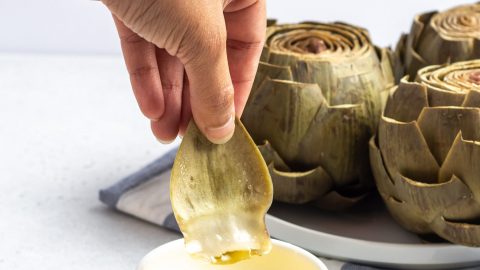
Serve artichokes warm with melted butter or a simple dipping sauce. Eat by pulling off leaves, scraping soft parts with your teeth, and enjoy the tender heart.
Serving artichokes cooked in a pressure cooker can be a delightful experience. The artichokes are tender and flavorful, ready to be enjoyed with your favorite dips and sauces. Knowing how to present and eat them enhances the dining experience.
Removing Leaves And Hearts
Begin by removing the outer leaves of the artichoke. Pull them off gently, one by one. As you get closer to the center, the leaves will become softer. These inner leaves are more tender and delicious. Once the leaves are removed, you will find the artichoke heart. This part is soft and full of flavor. Use a spoon to scoop it out gently.
Popular Dips And Sauces
Dips add extra flavor to your artichokes. Classic options include melted butter and lemon juice. You can also try a garlic aioli for a richer taste. For a tangy twist, consider a balsamic vinaigrette. Yogurt-based dips are healthy and refreshing. Experiment with different flavors to find your favorite. Enjoying artichokes is both simple and satisfying. With these serving tips, you can make the most of this delicious vegetable.
Troubleshooting Common Issues
Cooking artichokes in a pressure cooker is quick and convenient, but sometimes things don’t go as planned. You might find your artichokes aren’t as tender as you want, or worse, too mushy. Troubleshooting these issues can make the difference between a great meal and a disappointing one.
Dealing With Undercooked Artichokes
If your artichokes come out tough or not fully cooked, the first thing to check is the cooking time. Pressure cookers vary, so adjusting the time by a minute or two can help. Try adding a bit more water to create enough steam, which helps soften the tough leaves.
Another tip is to cut the artichokes evenly. Uneven sizes cook at different rates, so your bigger artichokes might remain undercooked. Have you noticed some parts stay hard while others are tender? That’s a sign to trim and size them more consistently.
Avoiding Overcooking
Overcooked artichokes turn mushy and lose their flavor quickly. To avoid this, use the minimum recommended cooking time and check for doneness as soon as the pressure releases. You can always cook a little longer if needed, but you can’t undo overcooking.
Keep in mind the pressure release method affects texture. A quick release stops cooking fast, preserving texture, while a natural release continues cooking slightly. Experiment with these methods to find what keeps your artichokes just right.

Credit: www.mylilikoikitchen.com
Credit: agirlworthsaving.net
Frequently Asked Questions
How Long To Cook Artichokes In A Pressure Cooker?
Cook artichokes in a pressure cooker for 8-10 minutes. Use high pressure with one cup of water. Natural release pressure before opening the lid. This method ensures tender, perfectly cooked artichokes quickly.
Can You Cook Frozen Artichokes In A Pressure Cooker?
Yes, you can cook frozen artichokes in a pressure cooker. Add extra 2-3 minutes to the cooking time. Use the same water amount and pressure settings as fresh artichokes.
What Liquid Is Best For Pressure Cooking Artichokes?
Water is the best liquid for pressure cooking artichokes. You can also add lemon juice or broth for extra flavor. Use about one cup of liquid to create steam and cook evenly.
How Do You Know When Artichokes Are Done?
Artichokes are done when the leaves pull off easily. The stem should be tender and soft when pierced with a fork. Cooking time depends on size but usually 8-10 minutes under pressure.
Conclusion
Cooking artichokes in a pressure cooker saves time and effort. The process is simple and quick. You get tender, flavorful artichokes every time. Just follow the steps carefully and enjoy. This method keeps the artichokes moist and tasty. Perfect for a healthy meal or snack.
Try it soon and taste the difference. Easy cooking, great results. What’s not to like?