Cooking a turkey on a gas grill might sound tricky, but it’s easier than you think. Imagine juicy, flavorful turkey with a crispy skin, all made right outside on your grill.
If you want to impress your family and friends without heating up your kitchen, this method is perfect for you. Keep reading, and you’ll discover simple steps to make your next turkey unforgettable. Your grill is about to become your new best cooking tool.

Credit: blackberrybabe.com
Choosing The Right Turkey
Choosing the right turkey sets the foundation for a delicious meal on your gas grill. It affects cooking time, flavor, and even how well the bird holds up to the grill’s heat. Making the right choice can simplify your grilling process and improve the final taste.
Fresh Vs. Frozen
Deciding between fresh and frozen turkey depends on your timeline and storage options. Fresh turkeys often have a juicier texture, but they require more careful handling and a quicker cook once purchased.
Frozen turkeys are easier to store for long periods and often more budget-friendly. However, thawing takes time—plan for 24 hours of thawing in the fridge per 4-5 pounds of bird to avoid any food safety risks.
Think about your schedule. Would you prefer a fresh bird that’s ready to go soon, or a frozen one you can prepare days in advance?
Size Considerations
The size of your turkey affects grilling time and how evenly it cooks on your gas grill. Smaller turkeys, around 10-12 pounds, cook faster and fit more easily in most grills.
Larger birds require longer cooking and sometimes indirect heat zones to avoid burning the skin while ensuring the inside is fully done. Check your grill’s dimensions before buying to avoid any fitting issues.
Ask yourself: How many people are you feeding? A 12-pound bird might be perfect for a small family, while a 16-pound turkey suits bigger gatherings.
Preparing The Bird
Preparation starts with removing the giblets and neck from the cavity. Rinse the turkey inside and out, then pat it dry with paper towels—this helps the skin crisp nicely on the grill.
Consider seasoning early. A dry brine or marinade applied a day before grilling can boost flavor and moisture retention. Don’t forget to let the turkey come to room temperature before placing it on the grill for even cooking.
Have you prepped your tools and grill space for handling the turkey safely? Clean work surfaces and sharp knives make all the difference.

Credit: www.allrecipes.com
Setting Up Your Gas Grill
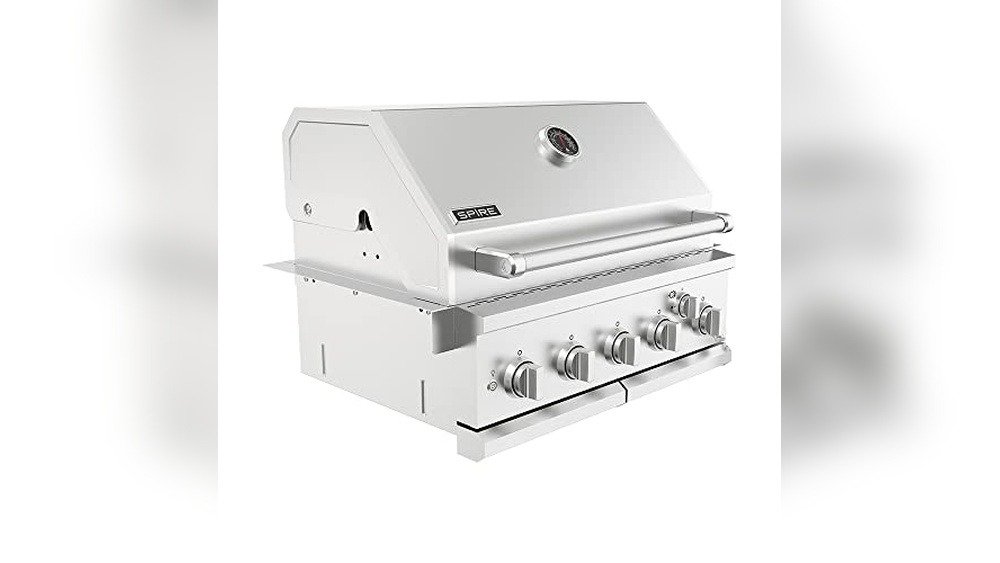
Setting up your gas grill correctly sets the stage for a juicy turkey. Preparation ensures even cooking and enhances flavor. Focus on cleaning, heat control, and temperature monitoring.
Cleaning And Preheating
Start by cleaning the grill grates. Use a wire brush to remove old food and debris. Clean grates prevent sticking and flare-ups. Preheat the grill with all burners on high for 10 to 15 minutes. This burns off residue and heats the grill evenly.
Arranging Burners For Indirect Heat
Turn off the center burner(s) after preheating. Keep the outer burners on medium heat. This creates an indirect heat zone. Place the turkey on the grate above the unlit burners. Indirect heat cooks the turkey gently and prevents burning.
Using A Grill Thermometer
Insert a grill thermometer probe near the turkey. Monitor the grill’s internal temperature closely. Aim for 325°F to 350°F for steady cooking. Adjust burners to maintain this range. A thermometer helps avoid undercooking or drying out the meat.
Seasoning And Brining Tips
Seasoning and brining a turkey before grilling adds great flavor and moisture. These steps help keep the meat tender and juicy. Brining involves soaking the turkey in a saltwater solution. Seasoning with dry rubs or marinades enhances taste. Stuffing the bird adds aroma and texture. Let’s explore simple ideas for each.
Simple Brine Recipes
Brining makes the turkey juicy and flavorful. Use a basic brine with these ingredients:
- 1 gallon water
- 1 cup salt
- 1/2 cup sugar
- 2-3 crushed garlic cloves
- Fresh herbs like rosemary or thyme
Stir until salt and sugar dissolve. Submerge the turkey fully. Refrigerate for 12 to 24 hours. Rinse and pat dry before grilling.
Dry Rubs And Marinades
Dry rubs add a flavorful crust. Try a mix of:
- 1 tablespoon paprika
- 1 teaspoon black pepper
- 1 teaspoon garlic powder
- 1 teaspoon onion powder
- 1/2 teaspoon salt
- 1/2 teaspoon dried thyme or sage
Rub evenly under and over the skin. Marinades add moisture and taste too. Combine olive oil, lemon juice, garlic, and herbs. Marinate turkey for 4 to 6 hours before cooking.
Stuffing Options
Stuffing adds flavor and keeps the turkey moist. Use simple ingredients like:
- Chopped onions and celery
- Crumbled bread or cornbread
- Chopped apples or dried cranberries
- Fresh herbs such as parsley or sage
- Salt and pepper to taste
Mix ingredients well. Fill the turkey cavity loosely. Do not pack tightly to allow even cooking.

Credit: themeatstick.com
Cooking The Turkey
Cooking a turkey on a gas grill is a fantastic way to get that smoky flavor without firing up your oven. It requires attention to detail and some key techniques to ensure your bird comes out juicy and perfectly cooked. Let’s dive into how you can master this process on your grill.
Placing The Turkey On The Grill
Start by setting your grill for indirect heat. This means turning on only some burners while leaving the others off. Place the turkey breast-side up on the cooler side, away from direct flames.
Using a grill rack or a sturdy pan helps keep the turkey stable and allows heat to circulate evenly. This setup prevents burning the skin while ensuring the inside cooks thoroughly. Have you checked if your grill is large enough to accommodate the turkey comfortably?
Maintaining Consistent Temperature
Keeping the grill temperature steady between 325°F and 350°F is crucial. Avoid opening the lid too often since each peek lets heat escape and extends cooking time. Use a grill thermometer to monitor the temperature accurately.
If you notice hot spots, adjust the burners or move the turkey slightly to prevent uneven cooking. Remember, consistent heat helps the turkey cook evenly and retain moisture—an essential step for a tender result.
Using A Drip Pan
Place a drip pan beneath the turkey to catch fat and juices. This not only reduces flare-ups but also creates a moist environment inside the grill. Adding water, broth, or even aromatics like herbs and citrus to the drip pan can infuse extra flavor.
The drip pan makes cleaning easier, too. Think about how much time you’ll save scraping your grill afterward! Plus, those drippings can be used for a delicious gravy, so don’t throw them away.
Monitoring Doneness
Monitoring Doneness Checking the turkey's internal temperature is vital. Use a meat thermometer to ensure it reaches 165°F. Insert the thermometer into the thickest part of the turkey, avoiding bones. This ensures a juicy and properly cooked turkey on a gas grill.
Cooking a turkey on a gas grill can be an exciting adventure, offering a smoky flavor that an oven just can't replicate. However, ensuring your turkey is perfectly cooked requires careful monitoring of its doneness. This process is crucial in achieving a juicy, flavorful bird that will impress your family and guests alike.
Checking Internal Temperature
The most reliable way to check your turkey's doneness is by monitoring its internal temperature. Insert a meat thermometer into the thickest part of the turkey's thigh without touching the bone. The thermometer should read at least 165°F (74°C) for a perfectly cooked turkey. Using a digital meat thermometer can offer more precision and ease. As you grill, periodically check the temperature to track progress. This proactive approach prevents any unpleasant surprises when it's time to serve.
Avoiding Overcooking
Overcooking is a common concern when grilling turkey. It can turn your carefully prepared bird into a dry and chewy disappointment. To avoid this, keep a close eye on your grill's temperature. Maintain a consistent heat by adjusting the burners or using a grill thermometer. This helps ensure even cooking without scorching the exterior. Consider using a drip pan filled with a bit of water or broth under the turkey. This helps regulate temperature and adds moisture, making overcooking less likely.
Resting The Turkey
After the turkey reaches the desired internal temperature, resist the urge to carve it immediately. Resting the turkey allows the juices to redistribute, resulting in a moist and flavorful bite. Transfer the turkey to a platter and cover it loosely with foil. Let it rest for about 20 to 30 minutes. This time is perfect for preparing side dishes or setting the table. Resting not only enhances the texture but also makes carving easier. You'll find slicing through the rested turkey results in cleaner cuts. Are you ready to impress with your perfectly grilled turkey?
Serving And Carving Tips
Serving and carving a turkey cooked on a gas grill can be a delightful experience. Proper carving enhances the turkey's flavor and makes it easier for guests to enjoy. Presentation plays a big role in making your meal look inviting. Storing leftovers correctly keeps the turkey fresh for later meals.
Carving Techniques
Start by letting the turkey rest for 15 to 20 minutes after grilling. This allows juices to settle inside the meat. Use a sharp carving knife for clean slices. Begin by removing the legs and thighs. Cut along the joint to separate them from the body. Slice the breast meat against the grain for tender pieces. Keep the slices even in thickness for a neat look. Save the wings for guests who prefer smaller portions.
Presentation Ideas
Place carved turkey slices on a large platter. Arrange the white and dark meat separately for easy choice. Garnish the platter with fresh herbs like rosemary or thyme. Add slices of lemon or orange for a pop of color. Surround the turkey with roasted vegetables or cranberry sauce. Use a warm serving dish to keep the turkey hot longer. Create a festive look with colorful napkins and plates nearby.
Storing Leftovers
Cool leftover turkey quickly before storing it. Cut the meat into smaller portions to cool faster. Use airtight containers or heavy-duty foil to wrap the meat. Label the containers with the date for easy tracking. Store turkey in the fridge for up to four days. For longer storage, freeze the meat for up to three months. Reheat leftovers gently to keep the turkey moist and tasty.
Troubleshooting Common Issues
Cooking a turkey on a gas grill can bring delicious results. Still, some common problems might appear during the process. Knowing how to handle these issues helps keep your turkey juicy and evenly cooked. This section covers simple fixes for flare-ups, dry meat, and uneven cooking.
Dealing With Flare-ups
Flare-ups happen when fat drips on the grill flames. They cause sudden bursts of fire that can burn the turkey's skin. To control flare-ups:
- Move the turkey away from flames quickly.
- Lower the grill's heat to reduce flare intensity.
- Use a spray bottle with water to calm small flames.
- Trim excess fat before grilling to reduce drips.
Dry Turkey Solutions
Dry turkey is a common worry. Overcooking or direct heat causes dry meat. Try these tips to keep the turkey moist:
- Use a meat thermometer to avoid overcooking.
- Baste the turkey with its own juices regularly.
- Cook with indirect heat to prevent drying out.
- Cover the turkey with foil if the skin browns too fast.
Uneven Cooking Fixes
Uneven cooking means parts of the turkey are overdone or underdone. This happens when heat spreads unevenly. Fix this by:
- Rotating the turkey every 30 minutes for even heat.
- Using a two-zone fire: one side hot, one side cooler.
- Placing a drip pan under the turkey to reflect heat.
- Checking the temperature in different spots with a thermometer.
Frequently Asked Questions
How Long To Cook Turkey On A Gas Grill?
Cook a turkey on a gas grill for about 11-13 minutes per pound. Use indirect heat and maintain a temperature of 325°F. Always check the internal temperature reaches 165°F for safe consumption.
Should I Brine Turkey Before Grilling It?
Yes, brining adds moisture and flavor to grilled turkey. Soak the turkey in a saltwater solution for 12-24 hours. This helps keep the meat juicy and tender during grilling.
How To Prevent Turkey From Drying Out On Grill?
Use indirect heat and keep the grill lid closed. Baste the turkey occasionally with marinade or butter. Use a meat thermometer to avoid overcooking and ensure juicy results.
Can I Grill Turkey Without A Rotisserie Attachment?
Yes, you can grill turkey without a rotisserie. Use indirect heat and turn the bird occasionally for even cooking. Cover the grill to maintain consistent heat and cook thoroughly.
Conclusion
Grilling a turkey on a gas grill is simple and fun. Keep the heat steady and watch the bird carefully. Use a thermometer to check the temperature right. This helps cook the turkey evenly and safely. Let the turkey rest before cutting.
Juices will stay inside, making it tasty. With practice, your grilled turkey will impress friends and family. Enjoy the smoky flavor and outdoor cooking experience. Try it this holiday or any special day. You’ll find grilling a turkey is a great way to cook.