Cooking a turkey in a convection oven might seem tricky, but it’s actually easier and faster than you think. If you want a juicy, perfectly browned bird that will impress your family and friends, you’re in the right place. To achieve a delightful flavor, understanding how to season turkey breast perfectly is essential. Begin by using a mix of herbs and spices that complements the natural taste of the turkey. Experimenting with different combinations can yield a result that elevates your dish to new heights.
In this guide, you’ll discover simple steps to master your convection oven and make your turkey the star of the meal. Ready to learn how to get that golden, crispy skin and tender meat every time? Keep reading, because your best turkey yet is just a few easy tips away.

Choosing The Right Turkey
Choosing the right turkey is the first step to a perfectly cooked bird in your convection oven. The type and size of turkey you pick affect cooking time and flavor. Make a choice that fits your oven space and your dinner plans.
Fresh Vs Frozen
Deciding between fresh and frozen turkey can impact your cooking process. Fresh turkeys are often juicier and may cook faster because they don’t need thawing.
Frozen turkeys are easier to store and often more budget-friendly. Just be sure to allow enough time to thaw completely—this can take several days in the fridge.
Have you ever rushed the thawing process and ended up with unevenly cooked turkey? Avoid that by planning ahead.
Size Considerations
Size matters when cooking turkey in a convection oven. A smaller bird, around 10-12 pounds, fits well and cooks evenly in most home ovens.
Larger turkeys need more time and space. If your turkey is too big, the heat may not circulate properly, resulting in uneven cooking.
Think about how many people you’re feeding and whether leftovers are part of your plan. Cooking a turkey that matches your needs saves time and energy.
Preparing The Turkey
Preparing the turkey is an important step for a delicious meal. Proper preparation helps the bird cook evenly and taste great. It also ensures food safety. Taking time to prepare the turkey sets the stage for a successful cooking process in your convection oven.
Thawing Safely
Thaw the turkey in the refrigerator. Keep it in its original packaging. Allow 24 hours of thawing for every 4 to 5 pounds of turkey. Place a tray under the bird to catch any drips. Avoid thawing at room temperature to prevent bacteria growth. If short on time, use a cold water bath. Change the water every 30 minutes. Cook the turkey immediately after thawing this way.
Cleaning And Seasoning
Remove the neck and giblets from the cavity. Rinse the turkey inside and out under cold water. Pat dry with paper towels to remove moisture. Season the turkey with salt and pepper inside and out. Add herbs like rosemary, thyme, or sage for extra flavor. Rub butter or oil on the skin for crispiness. Stuff the cavity with aromatics such as onion, garlic, or lemon if desired. Proper seasoning enhances taste and texture.
Setting Up The Convection Oven
Setting up a convection oven correctly is crucial for cooking a turkey evenly. The heat circulates faster in this oven type, so proper preparation helps cook the bird perfectly. Small adjustments in temperature and rack placement make a big difference in the final result.
Temperature Settings
Set the convection oven temperature lower than a regular oven. Usually, reduce it by 25°F (about 15°C). For example, if a recipe says 350°F, set your convection oven to 325°F instead. This avoids overcooking the turkey's outside while the inside finishes cooking.
Use an oven thermometer to check the actual temperature. Convection ovens can run hotter than the dial shows. Accurate temperature control helps keep the turkey juicy and tender.
Rack Placement
Place the turkey in the center of the oven. This allows hot air to circulate evenly around the bird. Avoid putting the turkey too close to the top or bottom heating elements.
Use a roasting rack inside a pan. It lifts the turkey, letting air flow underneath. This creates a crispy skin all around.
Keep space between the turkey and oven walls. This helps prevent uneven cooking or hot spots.
Cooking Techniques
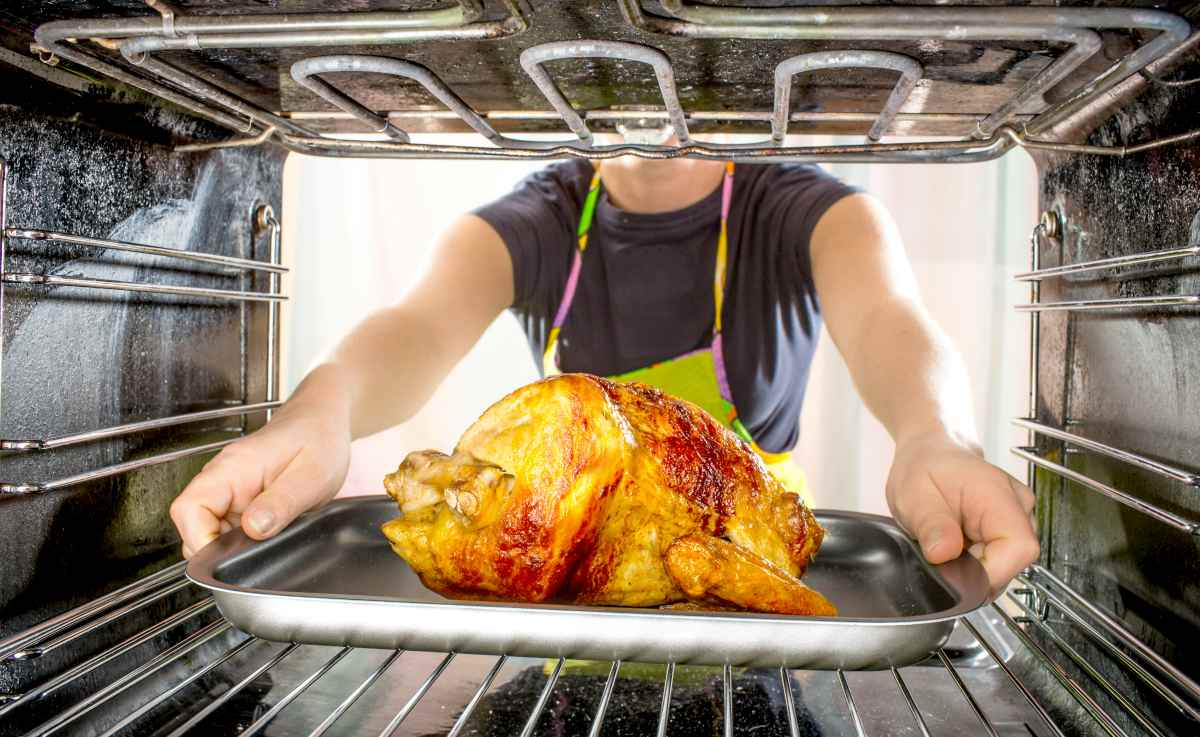
Cooking a turkey in a convection oven takes less time and cooks evenly. Set the oven to a lower temperature and place the bird on a rack for air circulation. Baste occasionally for juicy, golden skin.
Cooking a turkey in a convection oven offers unique techniques. This method ensures even cooking and a juicy bird. Using the convection oven, hot air circulates around the turkey. This reduces cooking time and enhances flavor.
Roasting Time Guidelines
Convection ovens cook faster than traditional ones. Adjust your roasting time accordingly. For every pound of turkey, allow about 10 minutes. A 12-pound turkey takes roughly 2 hours. Check the turkey's skin for a golden-brown color. If it browns too quickly, cover with foil.
Using A Meat Thermometer
A meat thermometer ensures your turkey is cooked safely. Insert it into the thickest part of the bird. Avoid touching bone as it can give false readings. The internal temperature should reach 165°F (75°C). Check both the breast and thigh for accuracy. Remove the turkey from the oven once it reaches the right temperature. Let it rest before carving for juicy slices.
Basting And Moisture Tips
Basting and maintaining moisture are key to cooking a turkey in a convection oven that’s both flavorful and juicy. Unlike traditional ovens, convection ovens circulate hot air, which can sometimes dry out the meat if you’re not careful. Paying attention to how and when you baste, and taking steps to lock in moisture, will make a noticeable difference in your turkey’s texture and taste.
How And When To Baste
Basting involves brushing or spooning liquids over the turkey to keep the surface moist and add flavor. In a convection oven, you don’t need to baste as often as in a regular oven because the circulating air cooks the bird more evenly.
Try basting every 30 to 40 minutes instead of every 15 minutes. Use pan drippings, melted butter, or a mixture of broth and herbs for the best results. Avoid opening the oven door too frequently, as this lowers the temperature and extends cooking time.
Keeping The Turkey Juicy
Moisture retention starts before the turkey hits the oven. Brining your turkey for several hours or overnight helps it absorb extra water and seasoning, making the meat juicier after cooking.
Covering the turkey loosely with foil during the first half of roasting traps steam and prevents drying. Remove the foil during the last 30 to 45 minutes to allow the skin to crisp up beautifully.
Consider placing a small pan of water in the convection oven to add humidity. This simple step can prevent the turkey from drying out and improve overall moisture throughout the cooking process.
Resting And Carving
After your turkey finishes cooking in the convection oven, the next critical phase is resting and carving. This step might feel like a waiting game, but it plays a huge role in how juicy and flavorful your turkey turns out. Taking the right approach here ensures every slice is tender and perfectly cooked.
Resting Time Benefits
Resting your turkey allows the juices to redistribute throughout the meat instead of spilling out the moment you cut into it. This means each bite stays moist and delicious.
Typically, you want to let your turkey rest for at least 20 to 30 minutes. Cover it loosely with foil to keep it warm without causing the skin to steam and lose its crispness.
Think about it this way: skipping the resting step is like cutting into a steak right off the grill—juices run out, leaving the meat dry. Would you want to waste all that effort on a dry turkey?
Best Carving Practices
Use a sharp carving knife to get clean, precise slices. A dull knife can tear the meat and make it look less appetizing.
Start by removing the legs and thighs. Then, slice the breast meat against the grain to maintain tenderness. Cutting with the grain can make the meat tougher and harder to chew.
Place the carved pieces on a warm platter to keep them at the right temperature before serving.
Here are a few tips to make carving easier:
- Keep your knife steady and use smooth, even strokes.
- Hold the turkey steady with a carving fork to avoid slips.
- Take your time—rushing leads to uneven slices and lost juices.
Troubleshooting Common Issues
Troubleshooting common issues is key to cooking a perfect turkey in a convection oven. Small mistakes can lead to dry or overcooked meat. Understanding how to avoid these problems ensures a juicy and flavorful turkey. Here are practical tips to help you fix common cooking challenges.
Avoiding Dry Meat
Dry turkey often results from too high heat or long cooking times. Use a meat thermometer to check the internal temperature. Remove the turkey once it reaches 165°F (74°C). Basting the turkey with its juices every 30 minutes helps keep the meat moist. Cover the breast with foil if it browns too fast. Rest the turkey for 20 minutes before carving to lock in moisture.
Preventing Overcooking
Overcooking happens when the turkey stays in the oven too long. Set a timer and check the turkey early. Convection ovens cook faster, so reduce the cooking time by 25%. Use a thermometer to track the exact temperature inside the thickest part of the bird. Avoid opening the oven door too often as it lowers the temperature. Let the turkey rest outside the oven to finish cooking gently.

Frequently Asked Questions
How Long To Cook Turkey In A Convection Oven?
Cook turkey for about 10-15 minutes per pound at 325°F in a convection oven. This method ensures even cooking and a crispy skin. Cooking times for convection oven turkey can vary based on the size of the bird. It is important to use a meat thermometer to ensure the internal temperature reaches 165°F. Additionally, allowing the turkey to rest before carving can help lock in the juices. Baking time for convection ovens can also be influenced by the type of turkey being prepared. For instance, a brined turkey may cook faster than a non-brined one due to the added moisture. Keeping an eye on the meat thermometer will provide the best results for a moist and flavorful turkey.
Should I Reduce Temperature For Convection Turkey Cooking?
Yes, reduce the oven temperature by 25°F compared to conventional cooking. This prevents overcooking and promotes juicier meat.
How To Prepare Turkey Before Roasting In Convection Oven?
Pat the turkey dry and season it well inside and out. Let it rest at room temperature before roasting for even cooking.
Do I Need To Baste Turkey In A Convection Oven?
Basting is optional in a convection oven because the circulating air keeps the turkey moist. It helps if you want extra crispy skin.
Conclusion
Cooking a turkey in a convection oven saves time and cooks evenly. The hot air circulates, giving a crispy skin and juicy meat. Remember to lower the temperature slightly and check the turkey often. Use a meat thermometer to know when it’s done.
Rest the turkey before carving to keep it tender. With these simple steps, you can enjoy a delicious holiday meal. Try it and see how easy and tasty it can be. Cooking turkey this way makes your feast special every time.