Controlling the temperature on a charcoal grill can feel tricky, but it doesn’t have to be. If you’ve ever struggled with uneven heat or overcooked food, you’re not alone.
Getting the right temperature is the secret to juicy steaks, perfectly grilled veggies, and smoky flavors that make your meals unforgettable. You’ll discover simple tricks to take full control of your charcoal grill’s heat, so you can cook like a pro every time.
Ready to unlock the full potential of your grill? Let’s dive in.
Credit: barbecueathome.com
Choosing The Right Charcoal
Choosing the right charcoal is key to controlling the temperature on your charcoal grill. The type you select affects how hot your grill gets and how long it stays at that temperature. Understanding the differences helps you cook your food just right every time.
Types Of Charcoal
Charcoal mainly comes in three types: briquettes, lump charcoal, and natural hardwood charcoal. Briquettes are uniform in size and burn steadily, which makes them great for beginners. Lump charcoal is made from chunks of wood and lights faster, producing higher heat but burning unevenly.
Natural hardwood charcoal is less processed and often adds a smoky flavor to your food. It burns hotter and faster than briquettes but can be harder to control. Have you ever noticed how the flavor of grilled meat changes with different charcoals? That’s the natural hardwood doing its work.
Impact On Temperature
The type of charcoal you use directly influences your grill’s temperature control. Briquettes hold heat longer and provide a consistent temperature, making them ideal for slow cooking or smoking. Lump charcoal, on the other hand, reaches higher temperatures quickly but requires more frequent attention.
Choosing the right charcoal means balancing how hot you want your grill and how long you plan to cook. If you want to sear a steak, lump charcoal might be your best bet. But if you’re grilling ribs low and slow, briquettes can keep the heat steady for hours.

Credit: www.siuhaau.com
Setting Up The Grill
Setting up your charcoal grill correctly is the key to mastering temperature control. How you arrange your charcoal and ignite it can make all the difference between a perfectly cooked meal and a frustrating grilling session. Let’s dive into practical steps that help you manage heat effectively right from the start.
Arranging Charcoal For Heat Zones
Creating different heat zones on your grill gives you more control over cooking. You can have a hot area for searing and a cooler spot for slow cooking or keeping food warm.
- Pile more charcoal on one side of the grill to create a high-heat zone.
- Spread fewer coals on the opposite side for a low-heat zone.
- Leave some space between the charcoal to allow airflow and regulate temperature.
Have you ever tried flipping your meat between hot and cool zones? It helps avoid burning while ensuring even cooking. Setting up these zones is simple but powerful for temperature control.
Using A Charcoal Chimney Starter
Lighting charcoal evenly and efficiently can be tricky. A charcoal chimney starter takes the guesswork out of this process, helping you get consistent heat quickly.
- Fill the chimney with charcoal and place crumpled newspaper or natural fire starters underneath.
- Light the paper and let the charcoal heat until covered with white ash, usually about 10-15 minutes.
- Pour the hot coals directly into your grill’s charcoal grate, arranging them for your heat zones.
Using a chimney starter saves you time and avoids the chemical taste that lighter fluid can leave. Have you noticed how your grill heats up more evenly after using one?
Adjusting Airflow
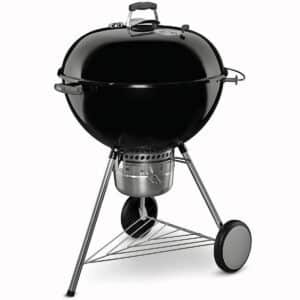
Adjusting airflow is the key to mastering temperature control on a charcoal grill. By managing the amount of oxygen reaching the coals, you directly influence how hot the fire burns. It’s like giving your grill a breath of fresh air or gently calming it down.
Role Of Vents
Vents are your grill’s natural regulators. They allow air to flow in and out, feeding oxygen to the charcoal and letting heat escape.
The bottom vents control how much air reaches the coals. Opening them increases oxygen, making the fire burn hotter. Closing them reduces airflow, cooling things down.
Top vents act as exhausts. Opening these lets smoke and heat escape, preventing the grill from overheating. Closing them traps heat inside, which can raise the temperature.
Think of vents like valves on a water tap—you control the flow, and that controls the temperature.
Opening And Closing Techniques
To raise the grill temperature, start by fully opening the bottom vents. This floods the coals with oxygen, encouraging a stronger, hotter flame.
If the grill gets too hot, slightly close the bottom vents to limit oxygen without suffocating the fire entirely. This stabilizes the heat at a comfortable cooking level.
Adjust the top vents to fine-tune temperature and smoke. Opening them fully lets heat escape, which can cool down the grill quickly.
For slow cooking or smoking, partially close both vents to keep the temperature low and consistent. This balance lets you maintain control without constant adjustments.
Have you noticed how a small change in vent position can cause a big temperature swing? It’s a simple tool that gives you precise control once you get the hang of it.
Credit: amazingribs.com
Managing Heat Levels
Managing heat levels on a charcoal grill is essential to cook your food just right. It’s about controlling where and how hot the fire burns, so you get those perfect grill marks without burning or undercooking. Knowing how to adjust heat gives you the power to grill everything from quick seared steaks to slow-cooked ribs.
Direct Vs Indirect Heat
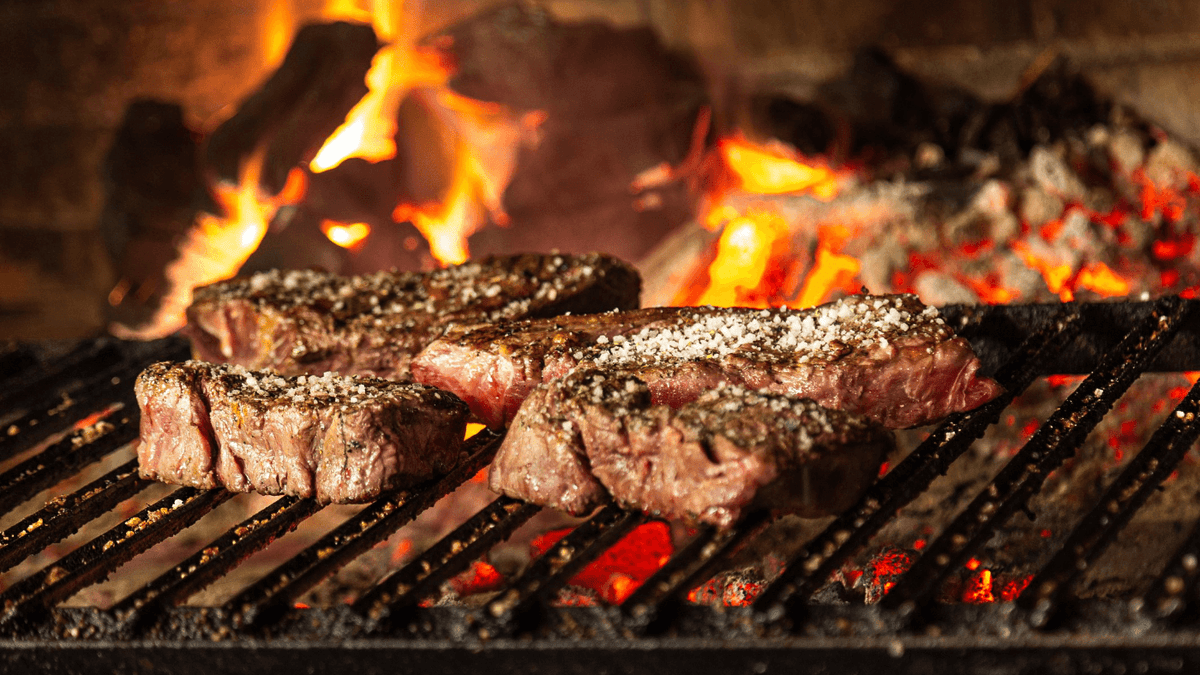
Direct heat means placing your food right above the glowing coals. It’s perfect for fast cooking and searing, giving your meat a crispy outside while keeping the inside juicy.
Indirect heat is when the coals are pushed to one side or split between two sides, leaving a cooler space in the middle. You place food there to cook slowly, which is great for larger cuts or delicate items that need time to absorb smoky flavors.
Think about what you’re grilling and how long it needs to cook. Have you tried flipping your chicken between direct and indirect zones to avoid flare-ups? This simple switch can save your meal from charring too much.
Adding Or Removing Charcoal
Adding charcoal raises the temperature, giving you more heat to work with. It’s useful if your fire starts to die down or if you want to crank up the heat for searing.
Removing some charcoal or spreading it out lowers the heat. This helps if your food is cooking too fast or burning on the outside before the inside is done.
- To add charcoal safely, use tongs or a charcoal chimney to avoid burns.
- Remove ashes regularly to keep airflow steady and maintain even heat.
- Keep a small pile of extra charcoal nearby to adjust temperature without stopping your cooking.
Controlling heat with charcoal is not just about adding or removing coals but also about how you arrange them. Have you experimented with a two-zone setup to master both fast and slow cooking at the same time?
Using Tools To Monitor Temperature
Charcoal grill temperature control uses tools like thermometers and dampers. Adjusting vents helps manage airflow and heat. Monitoring with a thermometer ensures perfect grilling temperature.
Using Tools to Monitor Temperature Monitoring the temperature on a charcoal grill is crucial to achieve that perfect sear on your steak or smoky flavor on your BBQ. Without a reliable way to track the temperature, you risk overcooking or undercooking your food, leading to a disappointing dining experience. You need a tool that can help you keep a close eye on the temperature, allowing you to make adjustments as needed. This is where built-in thermometers come in – a feature that's becoming increasingly popular in modern charcoal grills.
Built-in Thermometers
Built-in thermometers are a great way to monitor the temperature of your charcoal grill. They're usually located in the grill's lid or side and provide an accurate reading of the internal temperature. Some high-end grills even come with multiple thermometers, allowing you to monitor different areas of the grill simultaneously. When choosing a charcoal grill with a built-in thermometer, look for one that's easy to read and has a large display. This will make it easier for you to check the temperature without having to lean over the grill.
Digital Temperature Probes
If your charcoal grill doesn't have a built-in thermometer, or if you prefer a more precise reading, consider using a digital temperature probe. These probes can be inserted into the grill or meat, providing an accurate reading of the internal temperature. Digital temperature probes are especially useful when cooking large or thick pieces of meat, such as whole chickens or prime ribs. They allow you to monitor the temperature from a safe distance, ensuring that your food is cooked to perfection. When using a digital temperature probe, make sure to follow the manufacturer's instructions for insertion and calibration. This will ensure that you get an accurate reading and avoid any potential errors. By investing in the right tools, you can take your charcoal grilling to the next level and achieve that perfect temperature every time. But, how do you know when the temperature is just right? The answer lies in understanding the ideal temperature ranges for different types of food. For example, a perfectly cooked steak should be cooked to an internal temperature of at least 130°F (54°C) for medium-rare. But, if you're cooking chicken or pork, you'll want to aim for an internal temperature of at least 165°F (74°C) to ensure food safety. By monitoring the temperature and adjusting your cooking time and technique accordingly, you can achieve that perfect sear or smoky flavor that's sure to impress your friends and family.
Tips For Maintaining Consistent Heat
Maintaining a consistent temperature on a charcoal grill is key to perfectly cooked meals. It keeps your food juicy and flavorful, while preventing burnt spots or undercooked centers. Here are practical tips to help you keep the heat steady throughout your grilling session.
Avoiding Lid Lifting
Every time you lift the lid, heat escapes, causing temperature fluctuations. This can extend cooking time and affect the food’s texture.
Try to resist the urge to check your food too often. Instead, rely on timers and visual cues like smoke or aroma to gauge progress. If you must peek, open the lid quickly and close it just as fast.
Think about how often you open your oven at home—it's similar with grills. Less is more when it comes to lid lifting.
Timing Your Cooking
Understanding your grill’s heat zones helps you time your cooking better. Place thicker cuts over indirect heat and thinner pieces over direct heat.
Plan your cooking steps to match your charcoal’s burn cycle. Start grilling when the coals are covered with white ash for steady heat.
Have you noticed how some foods cook faster or slower depending on the temperature? Pay attention to that and adjust your timing accordingly for consistent results.
Common Temperature Control Mistakes
Controlling temperature on a charcoal grill can be tricky. Many people make common mistakes that cause uneven cooking or flare-ups. Understanding these errors helps keep the grill hot and steady.
These mistakes often reduce control over heat and smoke flow. They can lead to burnt food or long cooking times. Avoiding them improves grilling results and food taste.
Overcrowding The Grill
Placing too much food on the grill blocks heat and airflow. Charcoal needs space to burn evenly. Overcrowding causes temperature drops and uneven cooking.
Leave enough room between items. This lets heat circulate and smoke flavor the food. Also, avoid stacking food, as it traps moisture and lowers heat.
Ignoring Airflow Adjustments
Airflow controls how hot the charcoal burns. Closing vents too much reduces oxygen, causing weak heat. Opening vents fully can make flames too high.
Adjust vents slowly to find the right temperature. Watch smoke color: thin blue smoke means good airflow. Thick white smoke shows poor airflow and cooler fire.
Frequently Asked Questions
How Do Vents Affect Charcoal Grill Temperature?
Vents control airflow, which directly impacts heat levels. Opening vents increases oxygen, raising the temperature. Closing vents reduces airflow, lowering the heat. Adjusting both top and bottom vents allows precise temperature control for even cooking.
What Is The Best Charcoal Arrangement For Heat Control?
Arrange charcoal in a single layer for even heat or pile it for high heat zones. Use the two-zone method by piling coals on one side for direct and indirect cooking. This setup gives you better temperature control.
How Does Adding Water Impact Charcoal Grill Temperature?
Adding water to a drip pan helps regulate temperature by stabilizing heat. It creates steam, which prevents food from drying out. This method is useful for slow cooking and maintaining consistent grill heat.
Can Charcoal Quantity Control Grill Temperature?
Yes, more charcoal produces higher heat, while less charcoal reduces it. Adjusting the amount of charcoal helps maintain desired temperatures. Start with a moderate amount and add or remove coals as needed for temperature control.
Conclusion
Controlling temperature on a charcoal grill takes practice and patience. Adjust the air vents to control heat flow. Add or remove charcoal to change the fire’s strength. Use a grill thermometer to check the temperature. Keep the lid closed to hold heat inside.
Remember, small changes can make a big difference. With time, you will grill food just the way you like it. Enjoy the process and tasty results every time.