
Is your dishwasher leaving a strange smell or showing dark spots inside? Mold might be the hidden culprit.
Cleaning mold out of your dishwasher isn’t just about keeping it looking good—it’s about protecting your health and ensuring your dishes come out sparkling clean every time. You’ll discover simple, effective steps to tackle mold quickly and keep your dishwasher fresh for the long haul.
Ready to say goodbye to mold and hello to a cleaner kitchen? Let’s get started.
Identifying Mold In Dishwashers
Mold in dishwashers can cause bad smells and affect cleaning. It hides in damp, dark spots inside the machine. Knowing where to find mold helps keep your dishwasher clean and safe.
Look closely for mold signs during routine checks. Early detection stops mold from spreading and keeps your dishes healthy.
Common Mold Locations
- Door seals and rubber gaskets
- Drain area and filter
- Spray arms and nozzles
- Inside corners and crevices
- Detergent dispenser compartments
Signs Of Mold Growth
- Black or green spots on surfaces
- Musty or sour odors inside the dishwasher
- Sticky or slimy residue
- Poor cleaning results despite running cycles
- Visible discoloration on rubber parts

Credit: www.townappliance.com
Preparing For Mold Removal
Preparing for mold removal in your dishwasher is crucial to ensure the process is effective and safe. Taking the right steps beforehand helps you avoid spreading mold spores and protects your health. It also makes the cleaning process smoother and more thorough.
Gathering Cleaning Supplies
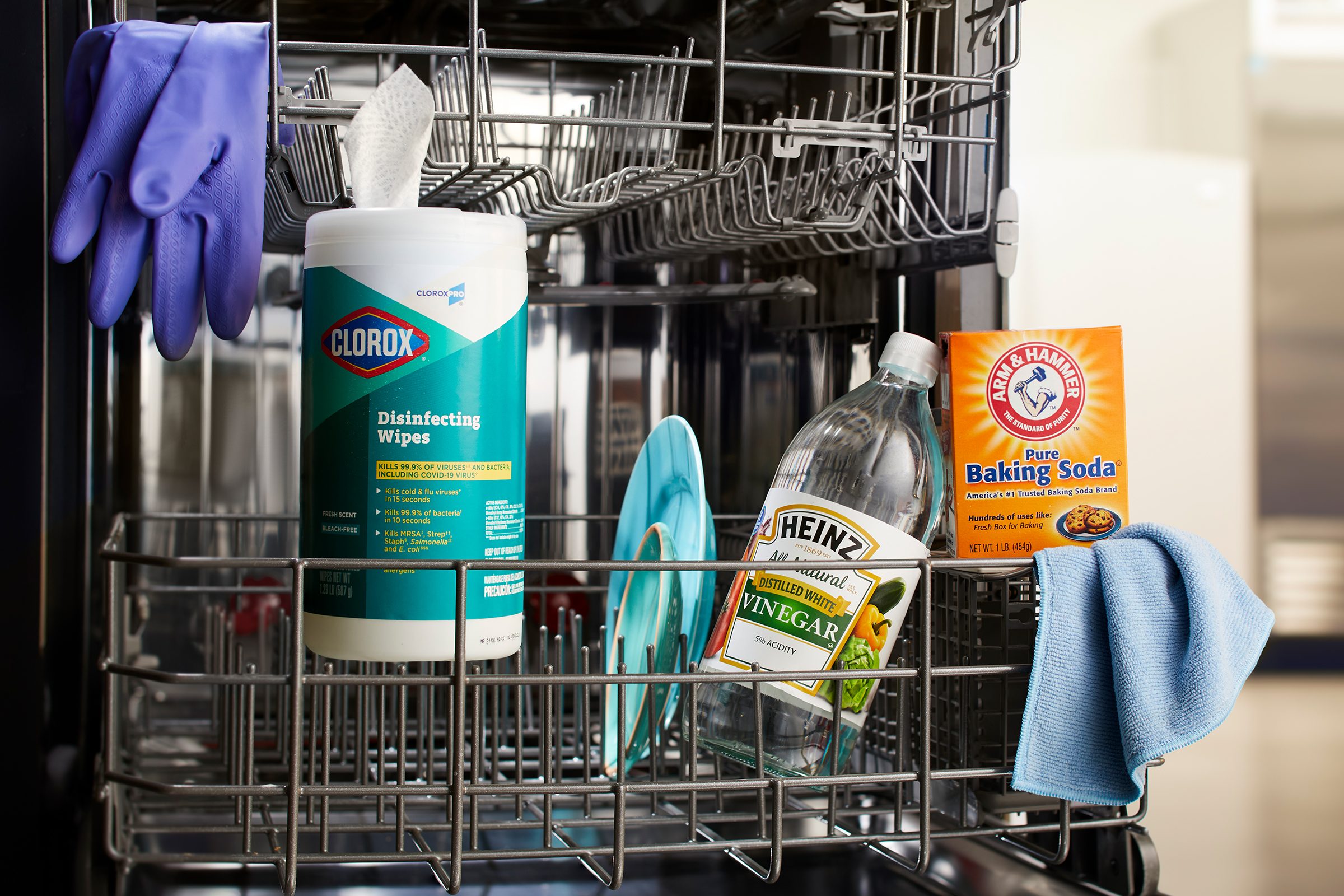
Start by collecting all the necessary cleaning supplies before you begin. You’ll need white vinegar or a mild bleach solution, baking soda, a soft brush or old toothbrush, a sponge, and rubber gloves. Having everything on hand saves time and keeps you focused on the task.
Don’t forget a spray bottle for applying vinegar or bleach safely and a clean cloth for wiping down surfaces. If your dishwasher has removable parts like filters or racks, prepare a basin for soaking them. Ready your supplies so you can tackle every corner where mold hides.
Safety Precautions
Protecting yourself is key during mold removal. Mold spores can irritate your skin, eyes, and lungs, so wear rubber gloves and consider a mask. Open windows or turn on a fan to keep the area well-ventilated.
Avoid mixing cleaning solutions, especially bleach and vinegar, as this can create harmful fumes. If you have allergies or respiratory issues, you might want to ask someone else to help or wait for a day when symptoms are mild. Your safety always comes first.
Step-by-step Mold Cleaning Process
Cleaning mold out of your dishwasher requires more than just running a quick cycle. You need a thorough approach that tackles every corner where mold might hide. This step-by-step mold cleaning process breaks down what you should do to restore your dishwasher to a clean, safe condition.
Removing And Cleaning Dishwasher Parts
Start by taking out all removable parts like racks, utensil holders, and filters. These components often trap food debris and moisture, creating a perfect environment for mold growth. Soak them in warm, soapy water mixed with a bit of white vinegar to help kill mold spores.
Use a soft brush or cloth to scrub each part carefully, paying close attention to corners and crevices. Rinse thoroughly and let them air dry completely before putting them back. Have you noticed how often the filter gets overlooked? It’s a prime spot for mold to develop, so don’t skip this step.
Scrubbing Moldy Surfaces
Next, focus on the dishwasher’s interior walls and door seals. Mold often collects in the rubber gasket around the door, where moisture lingers. Use a mixture of baking soda and water or a specialized dishwasher cleaner to scrub these surfaces gently.
A soft toothbrush or sponge works well to reach tight spots. Be thorough but gentle to avoid damaging the seals. Have you checked behind the door or under the bottom rack? Mold can hide in these less obvious places, too.
Running A Cleaning Cycle
After scrubbing and reassembling the parts, run a cleaning cycle to flush out any remaining mold and residue. Use a dishwasher-safe mold killer or pour a cup of white vinegar directly into the bottom of the dishwasher. Running a hot water cycle helps kill mold spores and disinfects the interior.
Consider adding a dishwasher cleaner tablet designed to remove buildup and odors. Do you know how often you should do this? Regular cleaning cycles every few months can prevent mold from returning and keep your dishwasher smelling fresh.

Credit: www.reddit.com
Preventing Future Mold Growth
Keep your dishwasher dry after use to stop mold from coming back. Run regular cleaning cycles with vinegar or baking soda to remove moisture and dirt. Leave the door open slightly to let air flow inside.
Preventing Future Mold Growth A clean dishwasher is not just about aesthetics; it's essential for your health and the efficiency of your machine. Preventing mold from making a comeback requires consistent efforts. By implementing some regular habits, you can keep your dishwasher mold-free and running smoothly.
Regular Maintenance Tips
Regular maintenance is the backbone of a mold-free dishwasher. Start by wiping down the door seals and the interior regularly. These areas often trap moisture, creating a perfect breeding ground for mold. Don't forget the dishwasher filter. Cleaning it every month can significantly reduce mold risks. A blocked filter not only promotes mold but also hinders performance, making your dishwasher less efficient. Use a cup of white vinegar and run an empty cycle once a month. This natural disinfectant helps in breaking down mold spores and keeps odors at bay. It’s a simple trick that makes a big difference.
Proper Dishwasher Usage
Proper usage of your dishwasher can also prevent mold growth. Always scrape off excess food from dishes before loading them. Food particles can get trapped, leading to mold and unpleasant smells. Avoid overcrowding. A packed dishwasher might seem efficient, but it restricts water flow, preventing a thorough clean. This can leave moisture lingering in spots, inviting mold to take hold. Finally, leave the door slightly open after each wash. This small habit allows air circulation, drying out moisture and preventing mold from settling in. Have you ever noticed a musty smell when you open the dishwasher? Airing it out can prevent that unwelcome surprise.
When To Call A Professional
Knowing when to call a professional for mold removal in your dishwasher can save you time, money, and health risks. Some mold problems are simple to handle yourself, but others require expert attention. Recognizing the difference is key to keeping your kitchen safe and your dishwasher running smoothly.
Signs Of Severe Mold Infestation
If you notice black or green patches spreading inside your dishwasher despite regular cleaning, that’s a red flag. A persistent musty smell that doesn’t go away even after running cleaning cycles is another warning sign.
Visible mold on hard-to-reach parts like the filter, seals, or spray arms usually means the problem is deeper than surface cleaning can fix. Also, if anyone in your home experiences unexplained allergies or respiratory issues, it might be linked to mold exposure.
Benefits Of Professional Cleaning
Professionals use specialized tools and cleaning agents that reach every nook and cranny of your dishwasher. They can remove mold safely without damaging delicate parts or voiding your warranty.
Hiring an expert also gives you peace of mind. You’ll know the mold is completely gone, reducing the risk of it returning and protecting your family’s health.
Have you ever tried cleaning mold only to see it come back? A professional’s thorough approach might be exactly what your dishwasher needs.
Credit: www.rd.com
Frequently Asked Questions
How Do You Remove Mold From A Dishwasher?
To remove mold, run a hot water cycle with a cup of white vinegar. Then scrub visible mold using a baking soda paste. Wipe all surfaces dry to prevent mold regrowth.
What Household Items Clean Dishwasher Mold Effectively?
White vinegar and baking soda are safe and effective for cleaning dishwasher mold. Vinegar kills mold spores, while baking soda scrubs residue and deodorizes.
How Often Should I Clean My Dishwasher To Prevent Mold?
Clean your dishwasher at least once a month. Regular cleaning prevents mold buildup and keeps your appliance fresh and hygienic.
Can Dishwasher Mold Affect Health Or Dishes?
Yes, mold can cause allergic reactions and contaminate dishes. Cleaning mold regularly ensures your dishwasher remains safe for use.
Conclusion
Cleaning mold from your dishwasher keeps it fresh and safe. Regular checks stop mold from growing back. Use simple cleaning steps often to avoid trouble. A clean dishwasher means cleaner dishes and better health. Don’t wait for mold to spread—act quickly each time.
Small efforts now save bigger problems later. Keep your dishwasher mold-free for a happy kitchen.


