
Your Keurig single cup coffee maker is your go-to for a quick, delicious cup of coffee. But have you ever thought about how clean it really is?
Over time, coffee oils, water minerals, and residue can build up inside your machine, affecting the taste of your brew and even the machine’s performance. Cleaning your Keurig regularly isn’t just about hygiene—it’s about making sure every cup tastes fresh and perfect.
In this guide, you’ll discover simple, effective steps to clean your Keurig quickly and easily. Keep reading to unlock the secret to better coffee every day.

Credit: www.youtube.com
Preparing For Cleaning
Preparing your Keurig for cleaning is an important first step to keep your coffee tasting fresh and your machine running smoothly. Taking a few moments to get everything ready will make the cleaning process easier and safer. Let’s break down what you need to do before diving into the actual cleaning.
Gathering Supplies
Before you start, make sure you have all the necessary supplies within reach. You’ll need:
- A clean, soft cloth or sponge
- White vinegar or a Keurig-approved descaling solution
- Fresh water
- A small brush or toothbrush for scrubbing tight spots
- A bowl or container to catch drips
Having these ready helps avoid interruptions. Have you ever started cleaning only to realize you’re missing something? Avoid that frustration by preparing ahead.
Unplugging The Machine
Safety is key when dealing with any electrical appliance. Always unplug your Keurig before cleaning it. This prevents any risk of electric shock and ensures the machine won’t accidentally turn on while you’re working on it.
Even if you’re just wiping the outside, unplugging gives you peace of mind. It’s a small step that protects both you and your Keurig.
Removing Used Pods
Used pods can block the cleaning process and create unwanted smells. Open the pod holder and carefully remove any used K-Cups. Dispose of them properly or compost if possible.
This simple action clears the way to clean the needle and pod area thoroughly. Have you noticed how a clogged pod holder affects your brew? Clearing it out first makes a noticeable difference.
Cleaning The Exterior
Cleaning the exterior of your Keurig keeps it looking fresh and working well. Dirt and coffee spills can build up over time. Regular cleaning prevents stains and sticky spots. It also helps keep your kitchen neat.
Wiping Down Surfaces
Use a soft, damp cloth to wipe the outside surfaces. Avoid harsh cleaners that can damage the finish. Mild soap mixed with water works well. Focus on spots with visible dirt or coffee stains. Dry the surface with a clean towel to avoid water marks.
Cleaning The Drip Tray
The drip tray catches spills and needs frequent cleaning. Remove it gently from the machine. Wash it with warm soapy water to remove stains. Use a sponge or soft brush for tough spots. Rinse and dry the tray before placing it back.
Cleaning The Pod Holder
Remove the pod holder carefully from the machine. Rinse it under warm water to clear out coffee residue. Use a soft brush to clean the needle area gently. Ensure all holes are free from blockages. Dry it completely before reinstalling to avoid mold.
Descaling The Machine
Descaling your Keurig single cup coffee maker is crucial for maintaining its performance and extending its lifespan. Over time, minerals from water can build up inside the machine, affecting the taste of your coffee and potentially causing damage. Regular descaling ensures your coffee maker works efficiently, delivering the perfect cup every time. Let's dive into the steps you need to take to descale your Keurig.
Choosing A Descaling Solution
Deciding on the right descaling solution is your first step. You can opt for a commercial descaling product specifically designed for Keurig machines, which usually comes with clear instructions.
If you prefer a more natural alternative, white vinegar is an excellent choice. It's cost-effective and readily available in most households.
Consider the frequency of your descaling routine when choosing a solution. If you use your Keurig daily, a commercial solution might be more effective in managing heavy mineral build-up.
Running The Descale Cycle
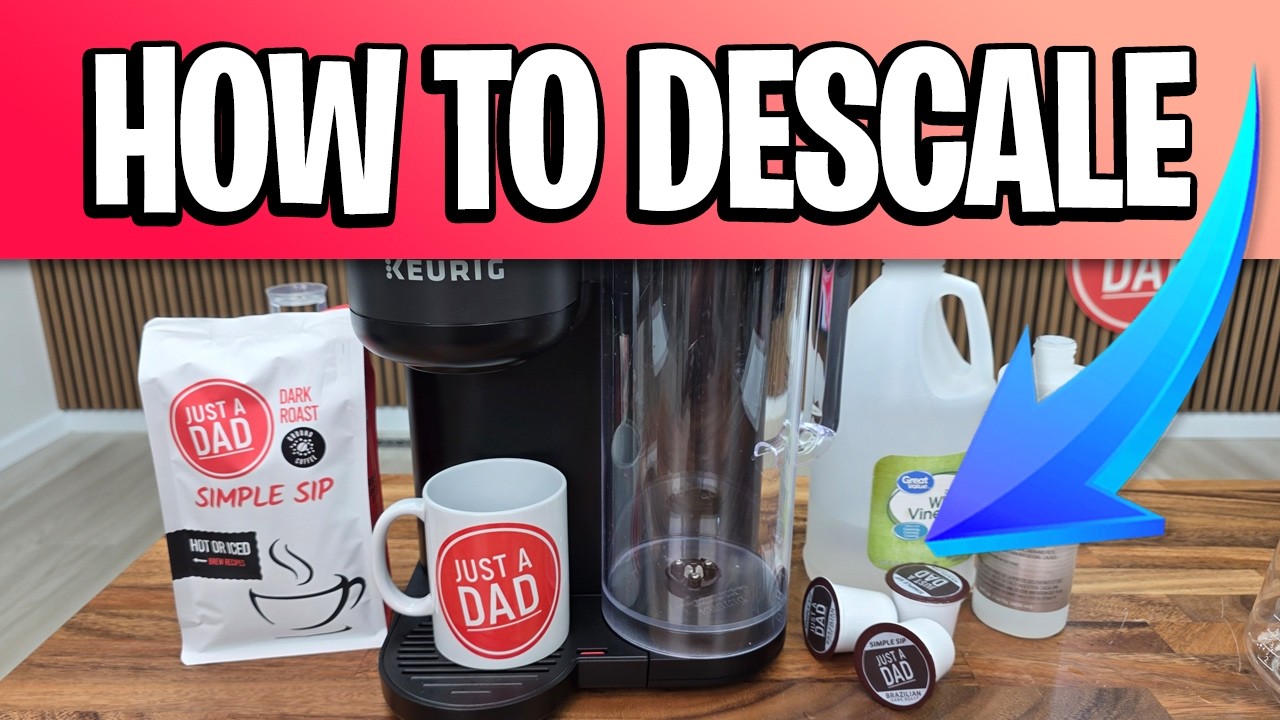
Once you've picked your solution, it's time to run the descale cycle. Start by emptying the water reservoir and filling it with your chosen descaling solution.
Place a large cup on the drip tray and start the brew cycle without inserting a K-Cup. This allows the solution to circulate through the machine.
Repeat this process until the reservoir is empty, ensuring the solution has thoroughly cleaned the internal components.
Rinsing After Descaling
Rinsing is a crucial step to ensure no descaling solution remains in your coffee maker. Fill the water reservoir with fresh, clean water.
Run multiple brew cycles with just water, repeating until the reservoir is empty. This helps remove any residue and prevents it from affecting the taste of your coffee.
After rinsing, check if your coffee tastes pure and fresh. If not, consider running another rinse cycle to ensure all traces of the solution are gone.

Credit: www.goodhousekeeping.com
Cleaning The Water Reservoir
Cleaning the water reservoir of your Keurig is key to keeping your coffee fresh and your machine running smoothly. Over time, minerals from water can build up and affect taste and performance. Taking a few moments to clean this part can make a noticeable difference in your daily brew.
Removing And Washing The Reservoir
Start by carefully detaching the water reservoir from the Keurig. Most models have a simple release mechanism or can be lifted straight up. Once removed, empty any leftover water to avoid spills.
Use warm, soapy water and a soft cloth or sponge to clean the inside thoroughly. Avoid harsh scrubbers that might scratch the plastic. Pay special attention to corners and crevices where mold or mineral deposits can hide.
If you notice stubborn buildup, a mix of equal parts white vinegar and water can help loosen it. Let the solution sit in the reservoir for 10-15 minutes before scrubbing gently and rinsing well.
Drying Before Reassembly
After washing, drying the reservoir completely is essential to prevent mold growth. Use a clean towel to wipe down the inside and outside surfaces.
Allow the reservoir to air dry for a few minutes in a warm, well-ventilated area. Avoid putting it back while still damp, as trapped moisture can cause unpleasant smells or bacteria growth.
Have you ever noticed a strange taste in your coffee? Skipping this drying step might be why. Taking time to dry ensures every cup tastes fresh and clean.
Cleaning The Needle
Cleaning the needle of your Keurig single cup coffee maker is a crucial task that often gets overlooked. The needle punctures the coffee pods, allowing hot water to brew your coffee. Over time, coffee grounds can clog the needle, affecting the taste and flow of your coffee. Keeping it clean ensures every cup tastes fresh and your machine works smoothly.
Locating The Needle
The needle is usually found inside the Keurig’s brew head, where you place the coffee pod. It looks like a thin, sharp metal tube. If you’re unsure, open the pod holder and look inside carefully—you’ll spot the needle at the bottom.
Be cautious while inspecting it, as the needle is sharp and can cause injury. Knowing exactly where it is helps you clean it properly without damaging your machine.
Removing Coffee Grounds
After locating the needle, you might notice coffee grounds stuck inside it. These grounds block water flow and can make your coffee weak or uneven. Use a paperclip or a similar small object to gently poke and dislodge the grounds.
Don’t force anything too hard; a delicate touch works best. Have you ever noticed your coffee dripping slowly or tasting off? This simple cleaning step often solves that problem quickly.
Using A Cleaning Tool
Many Keurig users find a specialized cleaning tool helpful—it’s designed to fit perfectly into the needle for a thorough clean. If you don’t have one, a straightened paperclip or a needle can work just as well. Insert the tool gently and twist it to remove any stubborn residue.
After clearing the needle, run a water-only brew cycle to flush out any leftover debris. This step refreshes your machine and keeps your coffee tasting great every time.
Regular Maintenance Tips
Keeping your Keurig single cup coffee maker in top shape means more than just rinsing it occasionally. Regular maintenance helps prevent build-up, ensures your coffee tastes fresh, and extends the life of your machine. Here are some practical tips that make upkeep easier and more effective.
Frequency Of Cleaning
How often you clean your Keurig depends on how much you use it. If you brew several cups daily, aim to clean the water reservoir and the needle every week. Descale the machine at least every three months to remove mineral deposits that affect performance.
Neglecting this can lead to slower brewing and off-flavors. You might notice your coffee tastes bitter or watery if the machine is dirty—don’t ignore these signs. A quick wipe-down after each use and regular deeper cleaning keep your coffee tasting its best.
Using Filtered Water
Choosing the right water is a simple way to reduce mineral buildup inside your Keurig. Filtered or bottled water has fewer impurities compared to tap water, which means less scaling and less frequent descaling. This not only improves the taste of your coffee but also protects the machine.
If you’ve ever had to descale your machine more often than you expected, check the quality of your water. Using filtered water can save you time and hassle, plus it’s better for your health.
Storing The Machine Properly
When you’re not using your Keurig for a few days, proper storage can prevent damage and mold growth. Always empty the water reservoir to avoid stagnant water and bacteria build-up. Store the machine in a dry, clean spot away from direct sunlight.
If you travel with your Keurig or store it seasonally, unplug it and clean it thoroughly beforehand. Taking these small steps ensures that your machine is ready to brew great coffee whenever you want it.
Credit: www.youtube.com
Frequently Asked Questions
How Often Should I Clean My Keurig Coffee Maker?
Clean your Keurig every 3-6 months to maintain taste and function. Regular cleaning prevents buildup of coffee oils and minerals. Frequent cleaning ensures your coffee tastes fresh and your machine works efficiently.
What Is The Best Way To Descale A Keurig?
Use a Keurig-approved descaling solution or white vinegar. Run the solution through the machine, then rinse with fresh water. Descaling removes mineral deposits that affect performance and taste.
Can I Clean The Keurig’s Water Reservoir?
Yes, remove and wash the reservoir with warm, soapy water. Rinse it thoroughly before reattaching to avoid soap residue. Regular cleaning prevents mold and bacteria buildup.
How Do I Clean The Keurig Needle Safely?
Turn off and unplug the machine. Use a paperclip or Keurig tool to clear needle clogs. Be gentle to avoid damage and ensure proper coffee flow.
Conclusion
Cleaning your Keurig keeps your coffee fresh and tasty. Regular care stops buildup and clogs. Use simple steps: rinse, descale, and wipe parts often. A clean machine works better and lasts longer. Enjoy each cup without bad flavors or odors.
Small effort, big difference. Keep your Keurig clean for great coffee every day.


