You rely on your coffee maker every day to kickstart your mornings. But when it’s time to clean it, vinegar isn’t always the best option.
Maybe you don’t like the smell, or you’re worried it could damage your machine. So, how do you clean a coffee maker without vinegar and still get it sparkling clean? You’ll discover simple, effective methods that protect your coffee maker and keep your brew tasting great.
Keep reading—you’ll be surprised how easy it can be!
Why Skip Vinegar
Vinegar is a common choice for cleaning coffee makers. It is cheap and easy to find. Still, skipping vinegar can protect your machine and improve taste. Vinegar's strong smell and acidity sometimes cause problems. It may leave a sour taste that is hard to remove. Some machines do not react well to vinegar's acidity. Knowing why to skip vinegar helps keep your coffee maker safe and clean.
Common Issues With Vinegar
- Strong odor lingers even after rinsing.
- Leaves behind a sour taste in coffee.
- Can damage rubber seals and hoses over time.
- Corrodes metal parts in some coffee makers.
- Not effective at removing all types of buildup.
When To Avoid Vinegar
- Your coffee maker has plastic or rubber parts sensitive to acid.
- You want to avoid strong vinegar smell in your kitchen.
- Your machine manufacturer advises against vinegar use.
- You prefer natural, odorless cleaning alternatives.
- You notice vinegar does not clean your machine well enough.

Credit: www.youtube.com
Alternative Cleaning Solutions
Cleaning a coffee maker without vinegar is simple with a few easy alternatives. These options keep your machine fresh and free from build-up. They use common ingredients or products made for coffee machines. Each method gently removes stains and odors. This helps your coffee taste better and your machine last longer.
Using Baking Soda
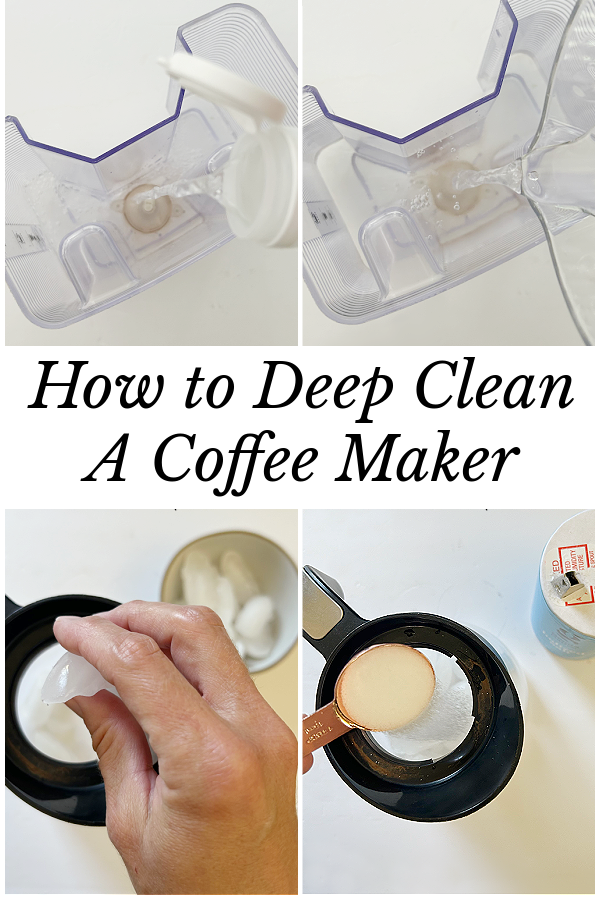
Baking soda is a natural cleaner and deodorizer. Mix two tablespoons of baking soda with one cup of warm water. Pour the mixture into the coffee maker’s water reservoir. Run a brewing cycle without coffee grounds. After the cycle, run two more cycles with clean water. This removes any baking soda residue and cleans the machine well.
Lemon Juice Method
Lemon juice breaks down mineral deposits and adds a fresh scent. Combine equal parts lemon juice and water. Fill the coffee maker’s reservoir with this solution. Start a brew cycle, then stop it halfway. Let the mixture sit for 30 minutes. Finish the cycle, then run two more with plain water. This method cleans and refreshes your coffee maker effectively.
Commercial Coffee Maker Cleaners
Many brands offer cleaners designed for coffee machines. These products remove tough stains and mineral build-up. Follow the instructions on the package carefully. Most cleaners require filling the reservoir and running a brew cycle. After cleaning, flush the machine with fresh water. These cleaners are safe and made for regular use.
Step-by-step Cleaning Guide
Cleaning a coffee maker without vinegar is simple and effective. This step-by-step guide helps maintain your machine’s performance. Follow these clear instructions to remove buildup and keep your coffee tasting fresh.
Prepare The Coffee Maker
Unplug the coffee maker before cleaning. Remove the coffee grounds and discard the filter. Take out any detachable parts like the carafe and filter basket. Wash these parts with warm, soapy water. Rinse well and set aside to dry.
Apply The Cleaning Agent
Choose a safe cleaning agent like lemon juice or baking soda. Mix one tablespoon of baking soda with one cup of warm water. Pour the solution into the water reservoir. Run a brewing cycle without coffee grounds. This helps break down mineral deposits and stains.
Rinse Thoroughly
After the cleaning cycle finishes, discard the solution. Fill the reservoir with fresh water. Run two or three brewing cycles with just water. This removes any leftover cleaning agent taste. Wipe the outside with a damp cloth and dry all parts before reassembling.
Cleaning Coffee Maker Components
Cleaning your coffee maker’s parts helps keep your coffee tasting fresh. Dirt and old coffee oils build up over time. Regular cleaning stops bad smells and clogs. Focus on the main parts for a thorough clean. Each part needs different care to stay in good shape.
Cleaning The Carafe
Rinse the carafe with warm water after each use. Use mild dish soap and a soft sponge to scrub inside. For stubborn stains, fill with warm water and baking soda. Let it sit for 15 minutes, then scrub gently. Rinse well to remove any soap or residue. Avoid harsh scrubbing tools that can scratch the glass or plastic.
Cleaning The Filter Basket
Remove the filter basket and wash it with warm, soapy water. Use a brush to clean small holes and crevices. Rinse thoroughly to clear away coffee grounds and soap. Dry the basket completely before placing it back. Do not leave wet filters in the basket to prevent mold growth.
Cleaning The Water Reservoir
Empty the reservoir and wipe it with a damp cloth. Use a soft brush to clean hard-to-reach spots inside. For mineral build-up, mix water with a little lemon juice. Scrub gently and rinse several times to remove the taste. Keep the reservoir dry when not in use to avoid bacteria growth.
Maintaining Your Coffee Maker
Cleaning a coffee maker without vinegar can be done using baking soda or lemon juice. These natural cleaners remove stains and odors effectively. Regular cleaning keeps your coffee tasting fresh and your machine working well.
Maintaining your coffee maker is more than just a chore; it's essential for ensuring each cup of coffee is as delightful as the first. Regular care not only extends the life of your machine but also enhances the flavor of your brew. If vinegar isn’t your cleaning agent of choice, fear not—there are numerous alternatives to keep your coffee maker in top condition.
Regular Cleaning Schedule
Establishing a regular cleaning schedule is the first step towards a well-maintained coffee maker. Consider cleaning the removable parts of your machine, like the carafe and filter basket, after every use. Use warm, soapy water to remove any coffee residues, ensuring a fresh brew each time. For the machine itself, a weekly wipe-down with a damp cloth can prevent dust and grime from building up. This simple routine keeps your coffee maker looking good and functioning at its best.
Preventing Mineral Buildup
Mineral buildup is a common issue, especially in areas with hard water. Using a descaling solution or a mixture of lemon juice and water can effectively combat this problem. Pour the solution into the water reservoir and run a brew cycle without coffee to clean the internal components. After descaling, run several cycles with fresh water to remove any residue from the cleaning solution. This practice not only prevents clogs but also ensures that your coffee tastes as it should—rich and full-bodied. Have you ever noticed your coffee tasting off or your machine working harder than usual? These could be signs of mineral buildup. Regular maintenance can prevent such issues, saving you time and money in the long run.

Credit: housewifehowtos.com
Tips For Better Coffee Taste
Getting the best taste from your coffee isn’t just about how you clean your coffee maker. The water you use and how you store your beans play a huge role too. These tips help you enjoy a richer, fresher cup every time.
Using Filtered Water
Water quality affects coffee flavor more than many realize. Tap water often contains minerals and chlorine that can dull the taste of your brew. Using filtered water removes these impurities, letting your coffee’s natural flavors shine through.
Try using a simple water filter pitcher or a built-in filtration system for your tap. Notice how your coffee tastes cleaner and smoother after making this change. Have you ever tasted coffee made with bottled water versus tap water? You might be surprised by the difference.
Proper Storage Of Coffee Beans
Fresh beans make all the difference in your coffee’s taste. Once coffee beans are exposed to air, light, or moisture, they lose their freshness quickly. Store your beans in an airtight container, away from heat and direct sunlight.
Keep your beans in a cool, dark place like a pantry or cupboard. Avoid the fridge or freezer if you open the container frequently, as moisture can get in. How do you currently store your beans? Simple changes here can boost your brew’s aroma and flavor dramatically.
Credit: www.lemonslavenderandlaundry.com
Frequently Asked Questions
How Can I Clean A Coffee Maker Without Vinegar?
You can use lemon juice or baking soda to clean your coffee maker. Both are natural, effective, and safe alternatives to vinegar. Lemon juice removes mineral buildup and adds a fresh scent. Baking soda eliminates odors and stains efficiently.
What Household Items Clean Coffee Makers Effectively?
Common household items like lemon juice, baking soda, and dish soap clean coffee makers well. These ingredients break down coffee oils and mineral deposits. They are safe, inexpensive, and easy to use for regular cleaning.
Is Lemon Juice A Good Vinegar Substitute For Cleaning?
Yes, lemon juice is a great substitute for vinegar. It naturally dissolves mineral buildup and coffee stains. Lemon juice also leaves a pleasant scent. Use equal parts lemon juice and water for best results.
Can Baking Soda Remove Coffee Maker Odors?
Absolutely. Baking soda neutralizes odors and cleans residue inside coffee makers. Mix a tablespoon of baking soda with water, run the machine, and rinse thoroughly. It’s a gentle, effective deodorizer.
Conclusion
Cleaning a coffee maker without vinegar is simple and safe. Use baking soda or lemon juice as natural cleaners. Regular cleaning keeps your coffee fresh and tasty. Avoid harsh chemicals that may harm your machine. Clean your coffee maker every few weeks for best results.
Enjoy your coffee with a cleaner, better machine every day. Small steps make a big difference in coffee quality. Try these easy methods and see the change yourself.