If you love fresh coffee every morning, keeping your coffee maker clean is a must. But have you ever wondered how to clean it without harsh chemicals?
Baking soda might be the simple solution you need. It’s natural, affordable, and effective at removing stubborn stains and odors. You’ll discover easy steps to make your coffee maker shine like new. Keep reading—your perfect cup of coffee starts with a clean machine!

Credit: www.goodhousekeeping.com
Why Use Baking Soda
Baking soda is a popular choice for cleaning coffee makers. It works well without harsh chemicals. Many people trust it for its gentle yet effective cleaning abilities. Using baking soda can keep your coffee maker fresh and safe for everyday use.
Natural Cleaning Power
Baking soda is a natural cleaner. It gently scrubs away stains and buildup. It reacts with dirt and grime to lift them off surfaces. This makes it easier to clean hard-to-reach parts inside the coffee maker. No harsh chemicals are needed to get a deep clean.
Safe For Coffee Makers
Baking soda is safe for most coffee makers. It does not damage metal, plastic, or glass parts. It avoids the risks of corrosion that some cleaners cause. Using baking soda helps maintain your machine’s lifespan. It cleans without leaving harmful residues behind.
Odor Removal Benefits
Baking soda absorbs bad smells effectively. It neutralizes strong coffee odors and mineral buildup smells. This keeps your coffee maker smelling fresh. A clean, odor-free machine improves the taste of your coffee. Baking soda fights odors naturally without masking them.

Credit: www.aol.com
Preparing Your Coffee Maker
Getting your coffee maker ready for cleaning with baking soda is a key step to ensure every part gets freshened up properly. Taking the time to prepare your machine helps the cleaning solution reach every corner where coffee oils and residue hide. This preparation can save you from lingering off-flavors and keep your coffee tasting just right.
Emptying The Machine
Start by making sure your coffee maker is completely empty. Pour out any leftover coffee and discard used coffee grounds from the filter basket. Leaving old coffee or grounds inside can interfere with the cleaning process and cause unpleasant smells.
Don’t forget to check the water reservoir. Empty any water that might still be inside. This step ensures your baking soda solution can work without dilution or mixing with stale water.
Removing Detachable Parts
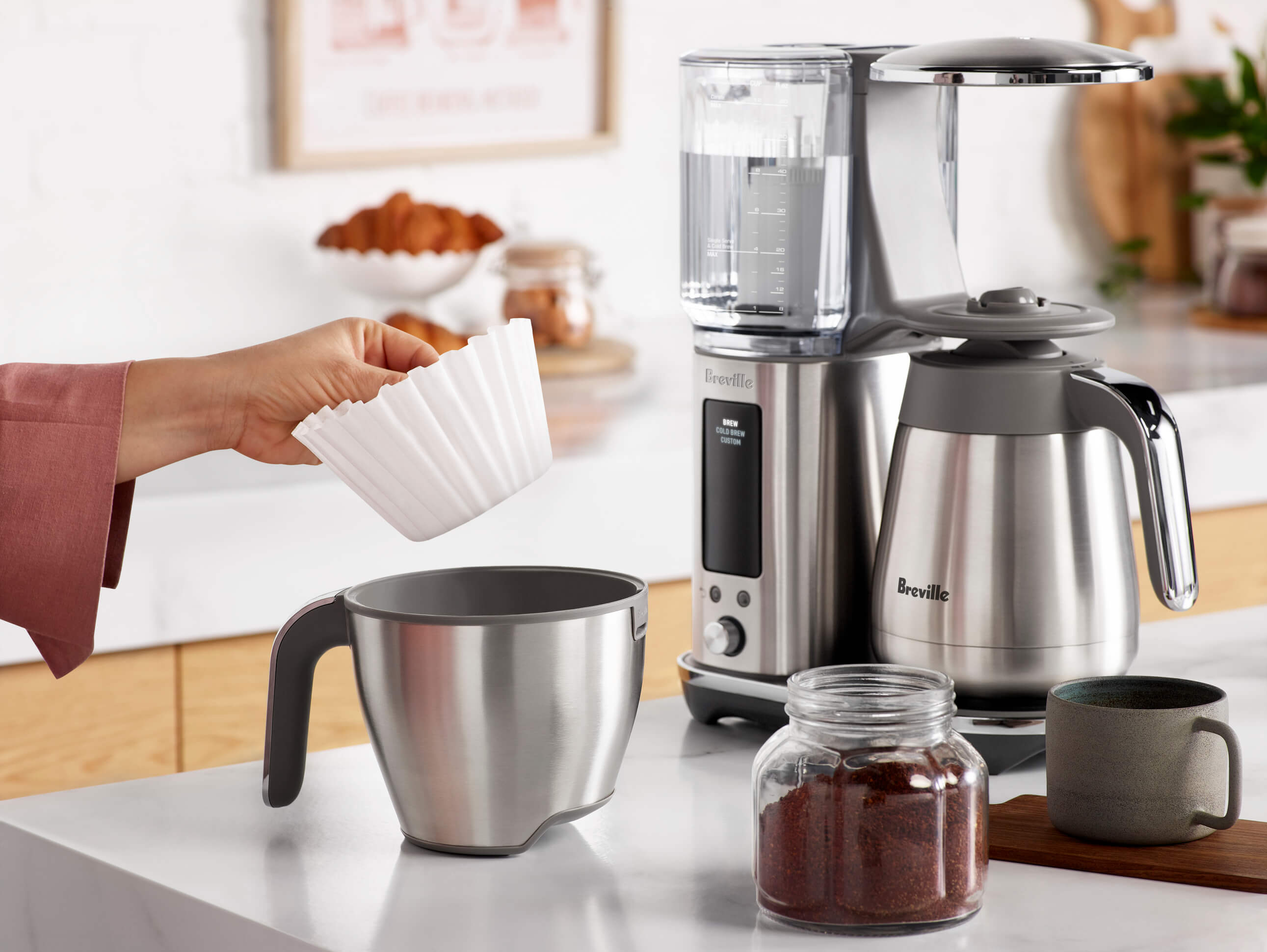
Next, take off any parts you can remove easily. This usually includes the filter basket, carafe, and sometimes the water reservoir. Removing these parts lets you clean them separately and allows the baking soda solution to clean the machine’s internal components better.
Handle these parts carefully and set them aside for scrubbing later. This approach helps you avoid missing spots and makes the whole cleaning process smoother and more effective.
Making The Baking Soda Solution
Making the baking soda solution is a key step to effectively clean your coffee maker. The right mixture ensures that the solution can break down residue and deodorize without leaving behind any gritty texture. Getting this balance right makes the cleaning process smoother and more efficient.
Correct Baking Soda To Water Ratio
The ideal ratio is usually about 1 tablespoon of baking soda for every 1 cup of warm water. This amount is strong enough to tackle stains and odors but gentle enough not to damage your coffee maker's components.
If you use too much baking soda, it might leave a gritty residue that’s hard to rinse out. Too little, and the solution won’t be effective in cleaning. Think about the size of your coffee maker and adjust the amount accordingly—larger machines may need a bit more solution.
Mixing Tips
Start by dissolving the baking soda in warm water rather than cold. Warm water helps the baking soda dissolve completely, preventing clumps that can clog your coffee maker.
Stir the mixture well until you see no granules at the bottom. If you notice any baking soda still sitting on the surface, keep stirring or add a little more water to help it dissolve.
Have you ever tried cleaning your coffee maker only to find little white specks left behind? Proper mixing is often the culprit. Taking a minute here saves you time and effort during rinsing later.
Cleaning Process
Cleaning your coffee maker with baking soda is easy. This process is both effective and environmentally friendly. With just a few steps, your coffee maker will look and function like new.
Running The Solution Through
Fill the coffee maker's reservoir with a mixture of water and baking soda. Use one tablespoon of baking soda for every cup of water. Start the brew cycle and let the solution run through the machine. This helps remove mineral buildup and odors. Once complete, run two cycles with clean water to rinse.
Soaking Removable Parts
Remove all detachable parts from the coffee maker. This includes the carafe, filter basket, and any other removable components. Soak them in a mixture of warm water and two tablespoons of baking soda. Let them sit for about 15 minutes. This will loosen any stuck-on grime.
Scrubbing Stubborn Stains
For tough stains, make a paste with baking soda and water. Apply it to a sponge or soft cloth. Gently scrub the stained areas until they disappear. Rinse thoroughly to ensure no residue remains. This step ensures your coffee maker stays spotless.
Rinsing And Final Steps
After using baking soda to clean your coffee maker, it is vital to rinse it thoroughly. This step removes any leftover residue. Proper rinsing ensures the coffee tastes fresh and clean. Following rinsing, drying and reassembling the machine prepares it for your next brew. These final steps keep your coffee maker in top shape.
Flushing With Clean Water
Fill the water reservoir with fresh water only. Run a full brewing cycle without coffee grounds. This flushes out any remaining baking soda. Repeat the process at least twice. Check the water for any bubbles or foam. Clear water means the machine is clean. Avoid skipping this step to prevent unwanted flavors.
Drying And Reassembling
Unplug the coffee maker and remove all parts. Wipe the exterior and interior with a clean cloth. Let removable parts air dry completely. Dry parts prevent mold and bacteria growth. Reassemble the coffee maker carefully. Make sure all parts fit securely before use. Your coffee maker is now ready for fresh coffee.
Credit: www.breville.com
Tips For Regular Maintenance
Regular maintenance keeps your coffee maker working well and tasting fresh. Baking soda is a safe, natural cleaner that removes build-up and odors. Using it often prevents stains and keeps coffee pure. Follow simple tips to keep your machine clean and lasting longer.
Frequency Of Cleaning
Clean your coffee maker with baking soda every one to two weeks. This prevents mineral build-up and coffee oils. For heavy use, clean it weekly. If used less, clean it monthly. Regular cleaning stops bad smells and keeps coffee tasting good.
Avoiding Common Issues
- Rinse well after cleaning to remove all baking soda residue.
- Use warm water to dissolve baking soda fully before use.
- Do not mix baking soda with vinegar at the same time.
- Check the machine’s manual for any special cleaning advice.
- Empty the water reservoir after each use to prevent mold.
Frequently Asked Questions
How Effective Is Baking Soda For Cleaning Coffee Makers?
Baking soda effectively removes stains and odors from coffee makers. It breaks down residue gently without harsh chemicals. This makes it a safe, natural cleaning option for regular maintenance.
Can Baking Soda Damage My Coffee Maker?
No, baking soda is a mild abrasive and non-toxic. It cleans without harming the machine’s components or finish. Use it diluted to avoid any residue buildup inside the coffee maker.
How Often Should I Clean My Coffee Maker With Baking Soda?
Cleaning with baking soda once a month is ideal. Regular cleaning prevents mineral buildup and keeps coffee tasting fresh. If used daily, clean every two weeks for best results.
What Is The Best Way To Use Baking Soda In Cleaning?
Mix two tablespoons of baking soda with warm water. Run the solution through the coffee maker like brewing coffee. Then, rinse thoroughly with clean water to remove any leftover baking soda taste.
Conclusion
Cleaning your coffee maker with baking soda is simple and safe. It removes stains and bad smells well. This method helps your machine work better and last longer. You only need common ingredients found at home. Regular cleaning keeps your coffee tasting fresh every day.
Try this easy step to enjoy a cleaner coffee maker. Your morning brew will thank you.