If you love your Bunn coffee maker, keeping it clean is key to great-tasting coffee every time. But how do you clean a Bunn coffee maker with vinegar?
You might think it’s tricky or time-consuming, but it’s actually simple and effective. Vinegar is a natural way to remove buildup and keep your machine running smoothly. Stick with me, and you’ll learn an easy step-by-step method to refresh your coffee maker fast.
Your next cup of coffee will taste fresher and better than ever. Ready to get started? Let’s dive in!
Why Use Vinegar For Cleaning
Using vinegar to clean your Bunn coffee maker is a simple, natural choice. It is safe for most coffee machines and effective at removing buildup. Vinegar does not leave harsh chemicals behind. This makes it ideal for appliances involved with food and drink. It also helps keep your coffee tasting fresh by clearing away old residues.
Benefits Of Vinegar
- Natural and non-toxic cleaner
- Breaks down stains and residue easily
- Inexpensive and widely available
- Safe for most coffee machine parts
- Leaves no strong chemical smell
Removing Mineral Buildup
Vinegar is acidic, which helps dissolve minerals. These minerals build up inside your coffee maker over time. Hard water causes scale deposits that block water flow. Vinegar breaks down these deposits gently but effectively. This improves your machine's performance and extends its life. Regular cleaning prevents clogs and keeps coffee tasting good.

Credit: dallasjanitorialservices.com
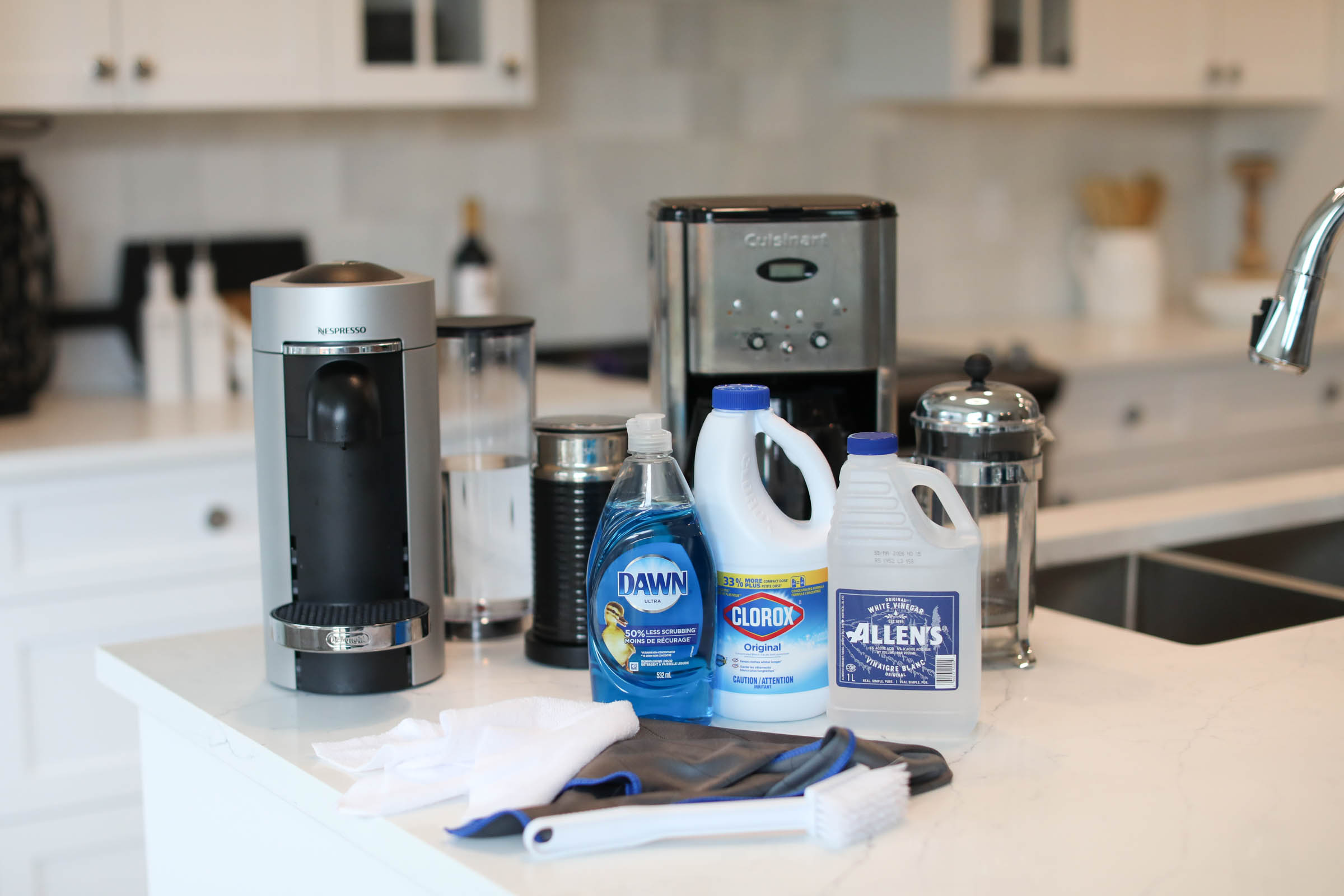
Gathering Cleaning Supplies
Before you start cleaning your Bunn coffee maker with vinegar, gathering the right supplies makes the process smooth and effective. Having everything ready saves you time and prevents last-minute scrambles. Plus, using the correct materials ensures your coffee maker stays in great shape without any damage.
Vinegar And Water Ratio
Mixing vinegar and water in the right ratio is key to breaking down mineral buildup without harming your machine. Use a solution of one part white vinegar to two parts water. This balance is strong enough to clean but gentle enough to protect the internal parts.
Too much vinegar can leave a strong smell or taste, while too little won't clean effectively. Think about how often you clean your coffee maker—if it’s been a while, this ratio works well to tackle stubborn deposits.
Other Needed Materials
Besides vinegar and water, gather these items to complete the cleaning process:
- A clean cloth or sponge:For wiping down the exterior and any removable parts.
- A measuring cup:To get your vinegar and water amounts just right.
- A container or pitcher:To mix and pour the cleaning solution easily.
- Fresh water:For rinsing the coffee maker thoroughly after cleaning.
Having these ready means you won’t have to stop mid-cleaning to find something. Do you already have these on hand, or will you need a quick trip to the store?
Preparing The Coffee Maker
Preparing your Bunn coffee maker before cleaning with vinegar is essential. Proper preparation ensures the cleaning process is safe and effective. Take time to ready the machine carefully. This helps remove old coffee residue and build-up efficiently. Follow these simple steps to get started.
Turning Off And Unplugging
Always turn off your coffee maker before cleaning. This prevents any electrical accidents or damage. Unplug the machine from the power outlet. Never clean the coffee maker while it is still connected to electricity.
Emptying The Machine
Remove any coffee grounds left in the filter basket. Take out the coffee pot and pour out any remaining coffee. Empty the water reservoir completely. Cleaning with vinegar works best when the machine is empty.
Credit: renewuk.org
Step-by-step Cleaning Process
Pour equal parts vinegar and water into the coffee maker’s reservoir. Run a full brew cycle, then rinse by running two cycles with clean water. This removes buildup and keeps your Bunn coffee maker tasting fresh.
Cleaning your Bunn coffee maker regularly ensures it brews delicious coffee every time. Vinegar is a natural cleaning agent that helps remove mineral deposits. Follow this step-by-step guide to keep your coffee maker in top shape.
Filling The Reservoir
Start by unplugging the coffee maker for safety. Remove any leftover coffee grounds and the filter. Fill the coffee reservoir with equal parts water and white vinegar. Ensure the solution reaches the maximum fill line.
Running The Vinegar Cycle
Plug the coffee maker back in. Start a brew cycle as you normally would, without adding coffee grounds. Let the vinegar-water mixture cycle through completely. This helps break down any calcium buildup inside.
Rinsing With Fresh Water
After the vinegar cycle, discard the used solution. Fill the reservoir with fresh, cold water. Run two full cycles with just water to rinse the machine thoroughly. This removes any vinegar taste or residue.
Tips For Maintaining Your Coffee Maker
Keeping your Bunn coffee maker in top shape requires more than just occasional cleaning with vinegar. Regular care extends the machine’s life and ensures every cup tastes fresh and delicious. Let’s dive into practical tips that fit easily into your routine and avoid common pitfalls.
Regular Cleaning Schedule
Set a cleaning routine that fits your coffee drinking habits. If you brew daily, aim to clean with vinegar every 4 to 6 weeks. This helps dissolve mineral buildup and keeps the internal parts working smoothly.
Besides vinegar cleaning, rinse removable parts like the filter basket and carafe after each use. Wiping down the exterior weekly prevents dust and coffee stains from piling up. Have you noticed a change in taste or brewing time? That’s often a sign it’s time for a thorough clean.
Avoiding Common Mistakes
Using too much vinegar can leave a strong smell and affect taste temporarily. Stick to a 1:1 ratio of vinegar and water to balance cleaning power and odor control. Never pour vinegar directly without diluting—it can damage seals and internal components.
Avoid skipping the rinse cycles after cleaning. Running plain water through the machine multiple times flushes out leftover vinegar, ensuring your coffee isn’t tainted. Also, don’t ignore signs of wear like cracked carafes or clogged spray heads—they can reduce efficiency and cause leaks.
Have you ever experienced bitter or off-flavored coffee right after cleaning? That usually means your machine needs extra rinsing. Taking these steps prevents common cleaning mistakes and keeps your coffee maker running like new.

Credit: www.youtube.com
Frequently Asked Questions
How Often Should I Clean My Bunn Coffee Maker With Vinegar?
Clean your Bunn coffee maker every 1 to 3 months. Regular cleaning prevents buildup and improves coffee taste. Vinegar is a natural, effective cleaner that removes mineral deposits and residue.
Can I Use Vinegar To Descale My Bunn Coffee Maker?
Yes, vinegar is ideal for descaling Bunn coffee makers. It dissolves mineral buildup inside the machine, ensuring better performance and longevity. Use a mixture of equal parts vinegar and water for best results.
Is It Safe To Use Vinegar In A Bunn Coffee Maker?
Using vinegar in your Bunn coffee maker is safe when diluted properly. Always rinse the machine thoroughly after cleaning to remove any vinegar smell or taste. Vinegar is a non-toxic, natural cleaning agent.
How Do I Rinse My Bunn Coffee Maker After Vinegar Cleaning?
Rinse by running two to three full cycles of clean water through the machine. This removes vinegar residue and prevents any aftertaste. Make sure the water tank is filled with fresh water before rinsing.
Conclusion
Cleaning your Bunn coffee maker with vinegar keeps it working well. Vinegar removes buildup and old coffee oils quickly. Regular cleaning helps your coffee taste fresh every time. Just follow simple steps and rinse thoroughly. A clean machine saves money and makes better coffee.
Try this easy method to enjoy great coffee daily. Keep your coffee maker fresh and ready for use. Simple care goes a long way.