Are you thinking about switching your natural gas stove to propane? It might sound tricky, but with the right steps, you can do it safely and easily.
Changing your stove’s fuel source can save you money, give you more flexibility, and even improve your cooking experience. You’ll learn exactly how to make the switch without stress or confusion. Keep reading, and you’ll find simple tips and clear instructions that anyone can follow.
Your stove will be ready to run on propane in no time!

Credit: www.amazon.ca
Check Stove Compatibility
Before you switch your natural gas stove to propane, the first thing you must do is check if your stove can handle the change. Not all stoves are built the same, and using the wrong fuel type can lead to safety risks or damage to your appliance. Taking the time to verify compatibility saves you from costly mistakes and keeps your kitchen safe.
Identify Stove Model
Find the exact model number of your stove. This information is usually on a label inside the oven door, on the back of the stove, or under the cooktop. Knowing the model helps you look up specific details about your stove’s fuel type and conversion options.
Have you ever tried to guess a model and ended up with the wrong parts? Avoid that hassle by double-checking the label before buying any conversion kits or parts.
Review Manufacturer Guidelines
Once you have your stove model, check the manufacturer’s manual or website for instructions on propane conversion. Some stoves come with a conversion kit or have clear guidelines on which parts to replace.
Pay close attention to warnings or restrictions. If the manufacturer says the stove is not convertible, using propane might void your warranty or cause unsafe operation.
If you can’t find the manual, contact customer support directly. They can confirm whether your stove supports propane and recommend the right steps to follow.
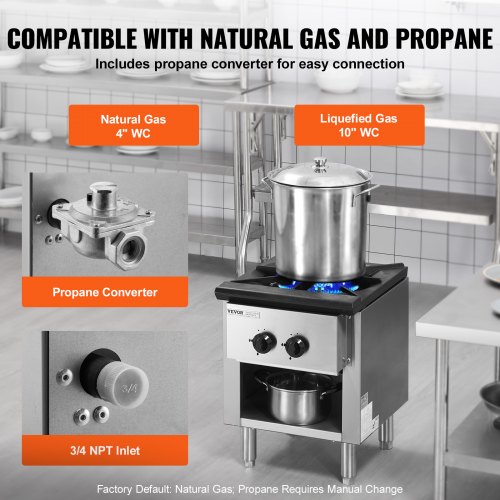
Credit: www.vevor.ca
Gather Required Tools And Materials
Before starting the conversion of a natural gas stove to propane, gather all necessary tools and materials. This preparation helps ensure a smooth and safe process. Having the right items ready saves time and avoids interruptions.
Each tool and material plays a key role in the conversion. Proper equipment guarantees the stove works efficiently and safely with propane fuel.
Propane Conversion Kit
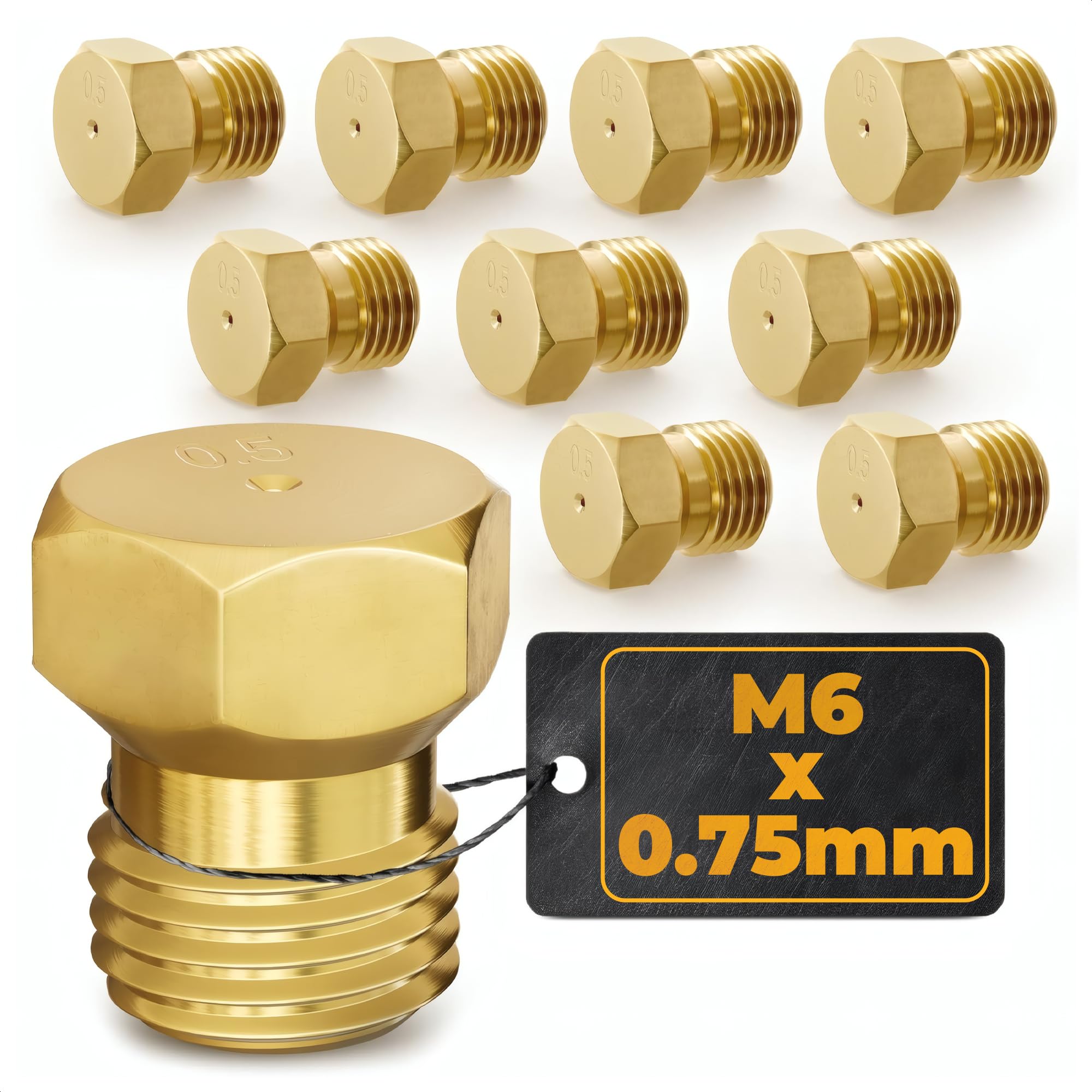
The propane conversion kit contains all parts needed for the switch. It usually includes new burners, orifices, and regulator adjustments. Choose a kit that fits your stove model for best results. The kit ensures the stove matches propane's pressure and combustion properties.
Wrenches And Screwdrivers
Use wrenches and screwdrivers to remove and install parts. Adjustable wrenches fit different nut sizes on gas connections. Screwdrivers help open panels and tighten screws. Having both flathead and Phillips screwdrivers covers all screw types.
Gas Leak Detector
A gas leak detector checks for leaks after installation. Safety is vital when working with gas appliances. This tool alerts you to any leaks, preventing dangerous situations. Soap water can also serve as a simple leak detector by forming bubbles at leak points.
Turn Off Gas Supply
Turning off the gas supply is the very first and most crucial action before converting your natural gas stove to propane. It ensures safety and prevents any accidental leaks or fires during the process. Taking a moment to properly shut off the gas can save you from costly repairs and dangerous situations.
Shut Off Natural Gas
Locate the main natural gas valve near your stove or where the gas line enters your home. This valve typically looks like a lever or a round knob. Turn it clockwise until it stops to fully shut off the natural gas supply.
If you’re unsure which valve controls the gas, look for a yellow or red handle or consult your gas meter. Never guess—double-checking is better than risking an accident. Have you ever left a valve slightly open without realizing it? This step prevents that mistake.
Ensure Stove Is Cool
Before touching any part of your stove, make sure it has completely cooled down. Even if the burners appear off, residual heat can cause burns or ignite gas accidentally. Wait at least 15 to 20 minutes after the last use to be safe.
While waiting, use this time to gather the necessary tools for conversion. Preparing in advance can make the switch smoother and faster. Have you ever rushed a repair only to have to stop midway? Patience here pays off.
Remove Natural Gas Components
Remove natural gas components safely to convert your stove to propane. Ensure you have the correct conversion kit. Follow instructions carefully to avoid leaks.
Changing a natural gas stove to propane involves several crucial steps, one of which is removing the natural gas components. This process requires precision and attention to detail. It's not just about swapping parts; it's about ensuring safety and efficiency. It's fascinating to think about how a small component can make such a big difference in your stove's performance. Have you ever wondered what goes on beneath the stovetop that makes your cooking experience seamless? Let's dive into some practical steps to remove those natural gas components.
Detach Burner Orifices
The burner orifices are tiny, but they play a vital role in controlling the gas flow. To start, ensure your stove is completely turned off and disconnected from any power source. Then, gently remove the grates and burners to access the orifices. Use a wrench to carefully unscrew and remove each orifice. This is where you might find yourself wondering how such a small piece can impact your cooking. Yet, these orifices are the gatekeepers of your stove's gas flow.
Disconnect Gas Lines
Once the orifices are detached, it's time to focus on the gas lines. Make sure your gas supply is turned off completely before proceeding. Safety first! Using an appropriate wrench, carefully loosen and disconnect the gas lines. At this stage, take a moment to appreciate the complexity of these connections. Each line plays a crucial role in delivering the right amount of gas to your stove. As you remove these components, consider how each piece fits into the bigger picture of your cooking setup. It’s like solving a puzzle, where every piece matters.
Install Propane Parts
Installing propane parts is a crucial step when converting your natural gas stove to propane. It ensures your stove operates safely and efficiently with the new fuel type. You’ll need to focus on specific components designed for propane, starting with the burner orifices and then adjusting the regulator settings.
Replace Burner Orifices
Burner orifices control the flow of gas to your stove’s burners. Natural gas and propane require different orifice sizes because propane delivers more energy in a smaller volume. Using natural gas orifices with propane can cause poor flame quality or dangerous gas leaks.
Locate the burner orifices, usually found at the base of each burner. Remove them carefully with a wrench or screwdriver. Replace each orifice with the size specified for propane, which you can find in your stove’s conversion kit or owner’s manual.
Have you checked the orifice sizes before starting your conversion? Skipping this step could lead to uneven flames or even stove damage.
Adjust Regulator Settings
The regulator controls gas pressure entering your stove. Natural gas regulators operate at a different pressure than propane regulators. To avoid over-pressurizing or under-feeding your burners, you must adjust or replace the regulator when switching fuels.
Start by locating the regulator, often attached to the gas inlet pipe. Some models allow you to switch pressure settings by flipping a spring inside the regulator. Others require a complete regulator replacement designed for propane.
Check your stove’s manual for specific instructions on adjusting or replacing the regulator. Incorrect pressure can cause weak flames or unsafe conditions, so don’t overlook this step.
Check For Gas Leaks
Checking for gas leaks is crucial when converting your natural gas stove to propane. Even a tiny leak can lead to dangerous situations, so you need to be thorough and cautious. Knowing how to spot leaks early can save you from costly repairs and ensure your safety.
Use Leak Detector Solution
One of the easiest ways to find gas leaks is by using a leak detector solution. You can buy this solution or make your own by mixing water with a bit of dish soap. Apply it to the connections and joints using a brush or spray bottle.
Watch carefully for bubbles forming at any point where the solution was applied. Bubbles mean gas is escaping, signaling a leak. This simple trick helped me spot a hidden leak under my stove’s connection that I wouldn't have noticed otherwise.
Test Connections Thoroughly
After applying the leak detector solution, test every connection on your propane conversion kit and stove. This includes the regulator, hose fittings, and burner valves. Don’t rush—take your time to inspect each point carefully.
Turn on the gas slowly and observe if any bubbles appear. If you find leaks, tighten the fittings or replace faulty parts immediately. Remember, even a small leak is a red flag. Are you confident your connections can hold up safely?
Test Stove Operation
Testing your stove after converting it to propane ensures safe and proper operation. This step confirms the burners light correctly and the flames burn steadily. Checking the stove’s performance helps avoid gas leaks and inefficient burning. Follow simple safety steps to test stove operation confidently.
Light Burners Safely
Start by turning the burner knob to the light position. Use a long match or lighter to ignite the burner. Keep your face and hands away from the flame area. Watch closely for a steady blue flame with yellow tips. If the flame is weak or flickers, turn off the burner immediately. Wait a few minutes before trying again to avoid gas buildup.
Adjust Flame Settings
Once the burners light safely, adjust the flame to the right size. Turn the knob slowly to increase or decrease the flame. The flame should be mostly blue and steady. A yellow or orange flame means incomplete combustion and needs adjustment. Use the stove’s air shutter to control flame color and size. Proper flame settings improve cooking efficiency and safety.
Safety Tips And Precautions
Changing a natural gas stove to propane involves handling flammable gases. Safety is the top priority during this process. Taking the right precautions helps prevent accidents and ensures your home stays safe.
Proper knowledge and careful action reduce risks. Follow these safety tips to protect yourself and your family.
Ventilation Importance
Good ventilation stops dangerous gas build-up. Always work in a well-ventilated area when converting your stove. Open windows and doors to allow fresh air in. Use fans to improve airflow if possible.
Proper ventilation helps remove fumes and prevents carbon monoxide poisoning. Never block vents or air pathways around the stove. Keep the cooking area clear and open during and after conversion.
When To Call A Professional
Some steps need expert skills and tools. If unsure about any part of the conversion, call a licensed technician. Professionals have the training to handle gas safely.
Hiring a pro avoids mistakes that can cause leaks or fires. They also ensure the stove works correctly with propane. A professional inspection confirms the conversion meets safety codes.
Trust experts to protect your home and loved ones. Do not attempt complex tasks without proper knowledge or tools.
Credit: www.amazon.ca
Frequently Asked Questions
How Do You Convert A Natural Gas Stove To Propane?
To convert, replace the orifices with propane-specific ones. Adjust the regulator and test for leaks. Always follow manufacturer guidelines or hire a professional.
What Tools Are Needed To Change Gas Stove Fuel Type?
You need a wrench, screwdriver, propane orifices, leak detector, and adjustable wrench. These tools help safely swap parts and check connections.
Can I Convert A Natural Gas Stove To Propane Myself?
Yes, if you have basic mechanical skills and follow instructions carefully. However, consider hiring a professional for safety and proper conversion.
How Much Does It Cost To Convert A Gas Stove To Propane?
Conversion kits cost between $20 and $50. Professional labor may add $100 to $200 depending on location and complexity.
Conclusion
Changing a natural gas stove to propane takes some careful steps. Always check the stove’s manual before starting. Use the right conversion kit for safety and proper function. Make sure to adjust the burners and regulators correctly. Testing for leaks is very important after conversion.
If unsure, ask a professional to help. This change can save money and fit your home’s needs. Follow these tips to switch your stove safely and easily.