
Are you looking to heat your home efficiently without relying solely on wood? Burning coal in your wood stove might be the answer you’ve been searching for.
But how do you do it safely and effectively? If you’ve ever wondered about using coal in your wood stove, this guide is made just for you. By the end, you’ll know exactly what steps to take to get the most warmth from your stove while keeping your home safe.
Keep reading to discover the simple tips and tricks that can transform your heating routine.
)
Credit: www.northerncookstoves.com
Safety Precautions
Burning coal in a wood stove requires careful attention to safety. Coal burns hotter and longer than wood, which can increase risks if you’re not prepared. Taking the right precautions protects your home and keeps you safe while enjoying efficient heat.
Check Stove Compatibility
Not every wood stove is made to burn coal. Using coal in an incompatible stove can cause damage or dangerous buildup. Check your stove’s manual or consult the manufacturer to confirm if it can handle coal safely.
If your stove isn’t designed for coal, consider adding a coal grate or liner made specifically for this purpose. This small upgrade helps manage the intense heat and ash coal produces. Have you verified your stove’s compatibility before trying coal?
Ensure Proper Ventilation
Coal produces more smoke and gases than wood. Proper ventilation is crucial to avoid carbon monoxide buildup inside your home. Make sure your chimney and flue are clean and in good working condition before burning coal.
Open a window slightly to improve air circulation when the stove is running. Installing a carbon monoxide detector near your stove is a smart move to alert you if dangerous gases accumulate. Are you confident your ventilation is adequate for coal burning?
Use Protective Gear
Handling coal can be messy and hazardous. Always wear gloves to protect your hands from sharp coal pieces and potential burns. Use a dust mask if you’re sensitive to fine coal dust, which can irritate your lungs.
Eye protection is also important when loading or stirring coal to prevent sparks or ash from causing injury. Taking these simple steps helps you stay safe and comfortable while managing your stove. What safety gear do you use when handling your fuel?
Preparing The Stove
Getting your wood stove ready to burn coal requires more than just loading it up. Proper preparation ensures safety, efficiency, and a cleaner burn. Taking time to prepare your stove carefully can save you from unexpected problems and help you enjoy a warmer home.
Clean Ash And Debris
Before adding coal, remove all ash and leftover debris from previous fires. Ash buildup can block air flow, causing poor combustion and smoke. Use a metal scoop or ash vacuum to clear out the firebox completely.
Don’t forget to clean the stove’s interior surfaces too. Even small amounts of soot can reduce heat transfer and create unpleasant odors. A clean stove gives coal a better chance to burn hot and steady.
Inspect Stove Components
Check the stove’s door seals, glass, and air vents for any damage or wear. Leaky door seals let air escape, which disrupts the controlled burn of coal. Replace any worn gaskets to keep your stove airtight.
Look closely at the firebricks inside the stove. Cracked or missing bricks can expose metal surfaces to intense heat, causing damage. Swap out broken bricks to protect your stove and improve heat retention.
Install A Suitable Grate
Coal burns differently than wood and needs a grate that supports proper airflow underneath the fuel. If your wood stove doesn’t have a coal grate, consider buying one designed for your model. This helps coal burn more efficiently and reduces the risk of clinkers.
A good grate lets ash fall below the fire, keeping the coal bed clean and hot. Have you noticed how some stoves struggle to maintain heat with coal? A suitable grate often makes all the difference in consistent warmth.
Choosing The Right Coal
Choosing the right coal is essential for safe and efficient burning in a wood stove. Coal varies in type, size, and quality, affecting heat output and stove performance. The right coal ensures a steady fire and less residue buildup. Careful selection prevents damage to your stove and reduces smoke.
Types Of Coal For Stoves
Different coals suit different stoves. The main types include:
- Bituminous Coal:Burns hot with good heat but produces more smoke.
- Anthracite Coal:Burns clean and hot with less smoke, ideal for stoves.
- Lignite Coal:Low heat, high moisture, not recommended for wood stoves.
Anthracite is the preferred choice for wood stoves due to its high energy and clean burn.
Quality And Size Matters
High-quality coal burns longer and cleaner. Look for coal that is:
- Hard and dense
- Dry with low moisture content
- Consistent in size
Coal pieces that are too large or too small cause poor burning. Medium-sized chunks fit stoves better and maintain heat evenly.
Avoiding Coal With Impurities
Coal impurities cause smoke and damage. Avoid coal with:
- Excess dirt or rocks
- High sulfur content
- Visible ash or dust
Pure coal ensures safer burning and less residue in the stove and chimney. Always buy coal from trusted sources to reduce impurities.
Starting The Fire
Burn coal in a wood stove by first lighting small wood pieces to build heat. Once hot, add coal gradually for steady burning. Keep air vents open to maintain airflow and control the fire.
Starting a fire in a wood stove with coal requires careful steps. Coal burns differently than wood, so preparation is key. Begin with a clean stove and ensure proper ventilation. The goal is to create a hot, stable firebed. This ensures coal ignites efficiently and burns steadily.
Use Kindling And Fire Starters
Begin with dry kindling and fire starters. Arrange kindling loosely to allow airflow. Fire starters help ignite the kindling quickly. Use natural or commercially available starters for best results. Avoid paper as it burns too fast and produces ash.
Ignite Coal Safely
Light the kindling with a match or lighter. Allow the fire to grow and stabilize. Once the kindling is burning well, add small pieces of coal. Use tongs or a small shovel for safety. Coal needs a strong fire to ignite properly.
Build A Hot Bed
As the coal catches, add more to build a hot bed. A thick layer of burning coal is essential. This ensures a long-lasting and efficient fire. Adjust the air vents to control the burn rate. Open vents increase airflow and heat, while closed vents reduce it.
Maintaining Efficient Burn
Maintaining an efficient burn when using coal in a wood stove saves fuel and produces more heat. Proper management ensures the coal burns cleanly and lasts longer. It also reduces smoke and soot buildup in the stove and chimney.
Control Airflow
Airflow controls the fire’s intensity and burn rate. Open the stove vents to let in more oxygen and make the coal burn hotter. Close the vents slightly to slow the burn and save fuel. Adjust airflow slowly and watch how the fire responds.
Regularly Add Coal
Add coal in small amounts to keep the fire steady. Too much coal at once can smother the fire. Small, frequent additions keep the heat consistent. Spread the coal evenly to avoid cold spots and ensure full burning.
Monitor Temperature
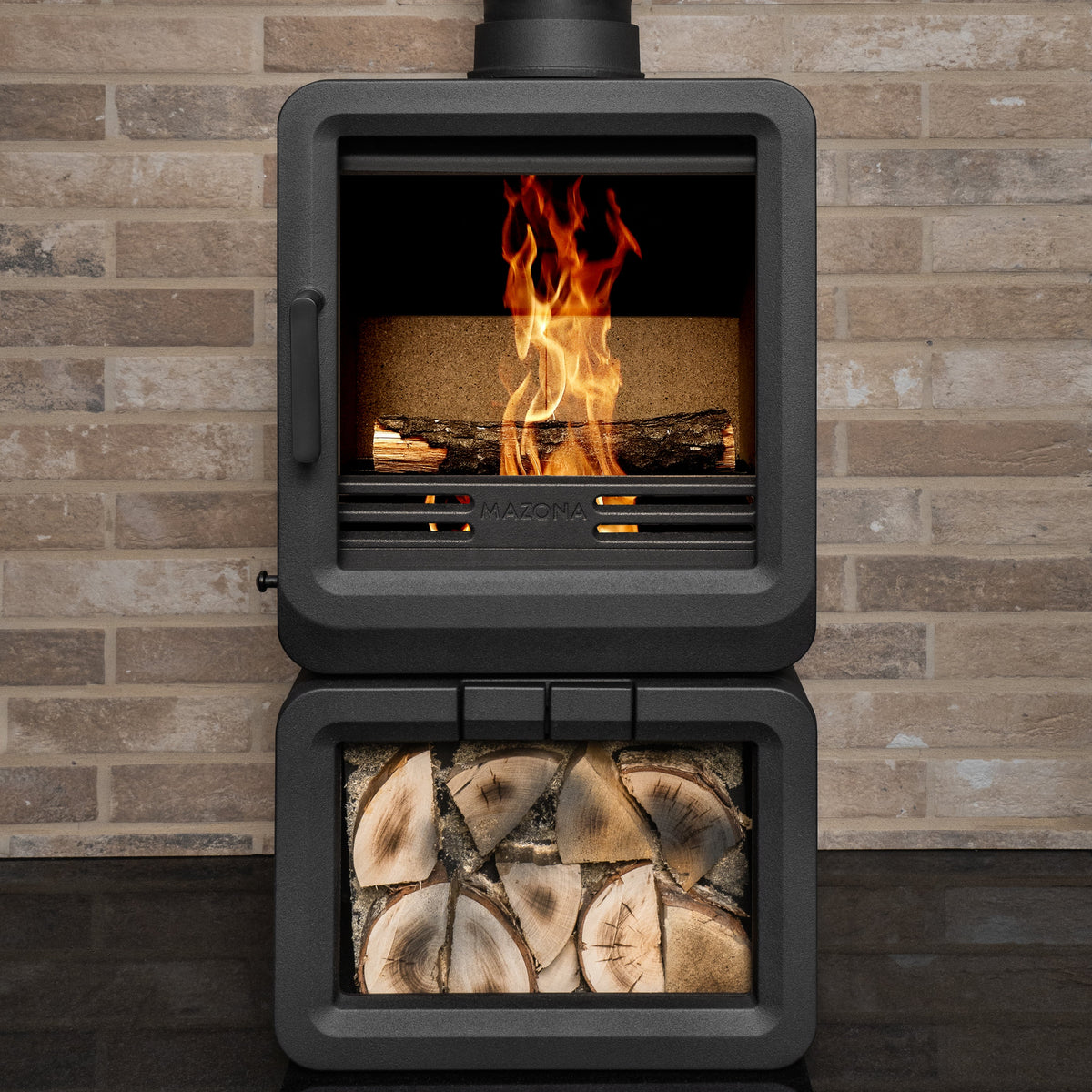
Use a stove thermometer to track the heat inside the stove. Keep the temperature in the recommended range for coal burning. Too low means the coal won’t burn well. Too high can damage the stove or cause safety risks.
Credit: www.gr8fires.co.uk
Troubleshooting Common Issues
Burning coal in a wood stove can sometimes lead to unexpected challenges. Troubleshooting these issues quickly helps maintain efficiency and safety. Let’s look at some common problems you might face and how to tackle them effectively.
Dealing With Smoke
Smoke inside your home or around the stove is a clear sign something’s off. Often, it means there isn’t enough air for the fire to burn cleanly. Try opening the stove’s air vents wider to increase airflow and reduce smoke.
Check if the chimney is clogged or dirty. A blocked chimney traps smoke, pushing it back into your room. Cleaning your chimney regularly can prevent this buildup and keep smoke moving outside.
Have you noticed smoke every time you add coal? Try adding smaller amounts more frequently instead of a big batch at once. This approach helps control the burn and limits smoke production.
Handling Poor Combustion
Poor combustion means your coal isn’t burning hot or long enough. This can waste fuel and create excess ash. Make sure you’re using dry, quality coal—wet or poor coal won’t burn well.
Check the fire’s bed. If it’s covered in thick ash, clear some out before adding more coal. Too much ash blocks air and smothers the fire.
Are you controlling the air supply properly? Adjust the air inlets to give your coal enough oxygen. Too little air causes slow, smoky burns; too much air cools the fire and wastes coal.
Fixing Draft Problems
Draft issues can cause your fire to die out or burn unevenly. Test your chimney’s draft by lighting a piece of paper near the stove’s opening. If smoke doesn’t go up the chimney, you have a draft problem.
Check for leaks around stove doors or the chimney connection. Leaks let cold air in and disrupt the draft. Seal gaps with stove gasket or high-temperature sealant to maintain proper airflow.
Sometimes, the chimney height or design causes poor draft. If your stove is on a lower floor or the chimney is short, smoke may struggle to rise. Adding a chimney cap or extending the chimney can improve draft significantly.
Cleaning And Maintenance
Cleaning and maintenance are essential for burning coal safely in a wood stove. Dirt and buildup reduce stove efficiency and increase risks. Regular care keeps your stove working well and your home safe.
Remove Ash Regularly
Clear ash from the stove after each use. Ash can block air flow and lower heat output. Use a metal container to store ashes safely. Make sure the ashes are cool before disposal.
Inspect Chimney And Flue
Check the chimney and flue for blockages or creosote buildup. Coal smoke can cause thick deposits that reduce ventilation. Clean any soot or debris to prevent fire hazards. Look for cracks or damage that need repair.
Schedule Professional Checks
Hire a professional to inspect your stove and chimney yearly. Experts spot hidden problems and clean hard-to-reach areas. This helps avoid dangerous smoke leaks and fire risks. Keep records of inspections and repairs for safety.

Credit: www.realfirewood.co.uk
Frequently Asked Questions
Can You Burn Coal In A Wood Stove Safely?
Yes, you can burn coal in a wood stove if it’s designed for coal use or has a coal grate. Proper ventilation and stove maintenance are essential to avoid harmful fumes and ensure safe combustion.
What Type Of Coal Works Best In Wood Stoves?
Anthracite coal is the best choice for wood stoves. It burns cleaner and hotter than other coal types, producing less smoke and residue, which makes it ideal for indoor heating.
How Do You Prepare A Wood Stove For Coal Burning?
Clean the stove thoroughly and install a coal grate if needed. Ensure the stove’s air vents are adjustable to control airflow and maintain efficient coal burning.
Can Burning Coal Damage A Wood Stove?
Burning coal in a stove not designed for it can cause damage. Coal burns hotter and may warp metal parts or clog chimneys, leading to safety hazards.
Conclusion
Burning coal in a wood stove requires care and the right steps. Always use proper coal types and keep good airflow. Start with wood to get a strong base fire. Add coal slowly to avoid smoke and mess. Regular cleaning helps your stove work well and safely.
This method saves money and keeps your home warm. Follow these tips to burn coal safely and easily. Stay warm this winter with your wood stove and coal.


