Have you ever dreamed of turning simple ingredients into delicious breads, cakes, and pastries? Becoming a baker is more than just mixing dough—it’s about creativity, skill, and passion.
Whether you want to bake for fun or start a rewarding career, knowing the right steps can make all the difference. You’ll discover exactly how to become a baker, what skills you need, and how to turn your love for baking into something truly special.
Ready to find out how to make your baking dreams come true? Keep reading!
Skills Needed For Baking
Baking requires a mix of practical skills and creativity. A good baker knows how to handle ingredients well. Precision and patience play a big role. Skills help in making delicious and attractive baked goods. Understanding key skills sets the foundation for success in baking.
Basic Baking Techniques
Knowing how to measure ingredients accurately is vital. Mixing batter and dough with the right method affects texture. Baking at correct temperatures ensures proper cooking. Learning to use kitchen tools like mixers and ovens is essential. Basic techniques form the backbone of all baking tasks.
Creative And Artistic Skills
Baking is also an art. Decorating cakes and pastries requires a steady hand. Combining colors and shapes makes baked goods appealing. Creativity helps in designing new recipes and presentations. Artistic skills bring life to simple baked items.
Time Management
Baking needs good timing. Overbaking or underbaking can spoil the product. Managing multiple tasks during baking saves time and stress. Planning steps ahead helps in smooth workflow. Time management improves efficiency and consistency in baking.
Education And Training Options
Choosing the right education and training path shapes your skills and confidence as a baker. Each option offers unique benefits, whether you prefer hands-on learning or flexible schedules. Think about how you learn best and what fits your lifestyle before deciding.
Culinary Schools
Culinary schools provide structured programs focused on baking and pastry arts. You’ll get access to professional kitchens and expert instructors who guide you through techniques and recipes. Many schools also offer certifications that can boost your resume and open doors to better job opportunities.
Classes often cover everything from basic dough preparation to advanced cake decorating. You’ll practice daily, which helps build muscle memory and creativity. Are you ready to commit time and tuition fees for a thorough education?
Apprenticeships And Internships
Apprenticeships and internships allow you to learn directly from experienced bakers in real bakery environments. This on-the-job training helps you understand the pace and pressures of a working kitchen. You’ll pick up practical skills that textbooks can’t teach.
These opportunities often lead to networking connections and sometimes even full-time jobs. However, they require patience and willingness to start with basic tasks. Would you prefer learning by doing while earning some income?
Online Courses And Workshops
Online courses and workshops offer flexibility if you need to balance baking training with other commitments. Many platforms provide video tutorials, live classes, and downloadable recipes. This option suits self-motivated learners who want to study at their own pace.
Some courses focus on specific skills like sourdough bread or chocolate work, allowing you to specialize. You can also join baking communities online for support and feedback. How would you stay disciplined and motivated without in-person guidance?
Gaining Practical Experience
Gaining practical experience is a crucial part of becoming a skilled baker. You can learn techniques, understand kitchen dynamics, and improve your creativity only by working hands-on. This experience helps you build confidence and prepares you for more advanced baking challenges.
Entry-level Baking Jobs
Starting with entry-level baking jobs gives you direct exposure to a bakery’s daily operations. Positions like bakery assistant or prep cook let you handle basic tasks such as measuring ingredients, mixing dough, and cleaning equipment.
These roles may seem simple, but they teach you discipline and attention to detail. Have you considered how mastering small tasks could shape your overall baking skills? Employers often value this practical foundation when hiring for more advanced roles.
Volunteering In Bakeries
Volunteering is a great way to gain experience without the pressure of a paid position. Many local bakeries or community kitchens welcome volunteers to help during busy times or special events.
Volunteering lets you observe professionals at work and ask questions freely. Have you ever noticed how watching an expert can reveal tricks you won’t find in cookbooks? It’s an opportunity to learn directly from experienced bakers and build connections.
Building A Baking Portfolio
Creating a portfolio of your baked goods showcases your skills and progress. Take clear photos of your best breads, cakes, and pastries, and include descriptions of the techniques you used.
This portfolio can be digital or physical and is a powerful tool when applying for jobs or apprenticeships. What if your portfolio became the key to landing your dream baking position? Keeping track of your work motivates improvement and highlights your unique style.
Essential Tools And Equipment
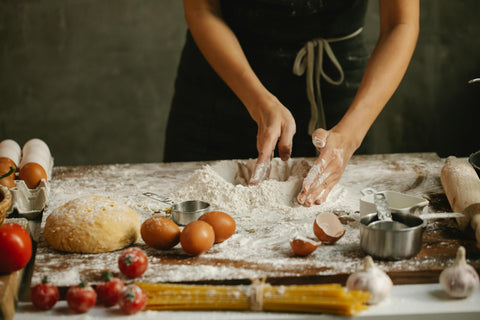
Starting your journey as a baker means getting familiar with the tools that will shape your creations. The right equipment not only makes baking easier but also improves the quality of your results. Knowing what to use and how to care for it is just as important as mastering recipes.
Basic Baking Tools
Every baker needs a set of basic tools that form the foundation of their kitchen. These include measuring cups and spoons, mixing bowls, and spatulas. Accurate measurement is crucial, so invest in good-quality measuring tools to ensure your ingredients are just right.
A reliable whisk and a sturdy rolling pin will help with doughs and batters. Don’t forget a good oven thermometer; ovens often run hotter or cooler than their settings suggest. Having these essentials ready lets you focus on your baking skills without frustration.
Specialty Equipment
As you advance, you might want to add specialty equipment tailored to your baking style. A stand mixer can save you time and effort when mixing heavy doughs or whipping cream. Silicone baking mats provide a non-stick surface that’s reusable and easy to clean.
Other tools like dough scrapers, proofing baskets, and a bench knife can make working with bread dough much easier. What specialty tool could transform your baking routine? Think about what recipes you enjoy most and choose equipment that supports those projects.
Maintaining Your Tools
Keeping your tools in good shape is key to consistent baking success. Clean them thoroughly after each use to avoid leftover residues that can affect flavor or texture. For example, wooden spoons should be hand washed and dried immediately to prevent cracking.
Sharpen blades and check attachments on mixers regularly. Proper storage also protects your tools from damage—consider a dedicated drawer or container. When you care for your equipment, you extend its life and keep your baking process smooth and enjoyable.
Starting Your Baking Career
Dreaming of becoming a baker? Start your journey with passion and dedication. Baking requires skill, patience, and creativity. You need the right steps to begin your career. Here's how you can start.
Finding Your First Job
Begin by searching for entry-level positions. Local bakeries often seek assistants. Gain experience by working alongside experienced bakers. Learn the basics and observe different techniques. Consider internships or apprenticeships if available. These roles help build your skills and confidence.
Creating A Resume For Bakers
Your resume should highlight relevant skills. Include any culinary courses or certificates. Mention previous kitchen or baking experience. List skills like dough handling and cake decorating. Use clear and concise language. Customize your resume for each job application.
Networking In The Baking Community
Connect with fellow bakers and professionals. Attend local baking events or workshops. Join online baking forums or groups. Share your experiences and learn from others. Networking opens doors to opportunities. Build relationships with mentors in the industry.
Building A Baking Business
Building a baking business takes more than just good recipes. It requires careful planning, smart marketing, and solid financial management. These elements help your business grow and attract loyal customers. Every baker who wants to turn passion into profit needs to focus on these key areas.
Planning Your Business
Start by choosing a clear business idea. Decide what baked goods you will offer. Consider your target customers and where to sell your products. Think about your workspace and equipment needs. Write a simple business plan with goals and steps to follow. Planning helps avoid surprises and keeps you on track.
Marketing Strategies
Tell people about your baking business. Use social media to share photos and updates. Join local markets or events to meet customers face to face. Offer samples or discounts to attract new buyers. Ask happy customers to leave reviews and spread the word. Good marketing builds trust and brings more sales.
Managing Finances
Keep track of all money coming in and going out. Separate your business and personal expenses. Set prices that cover costs and give profit. Save some money for emergencies or slow months. Use simple tools or apps to record sales and expenses. Managing finances carefully helps your business stay healthy and grow.
Continuing Education And Growth
Continuing education and growth are essential for anyone serious about becoming a skilled baker. Baking is an art and a science that constantly evolves, so staying curious and open to learning will set you apart. You’ll find that the more you learn, the more creative and confident you become in the kitchen.
Advanced Baking Techniques
Mastering advanced techniques can transform your baking from good to exceptional. Techniques like laminating dough for croissants, tempering chocolate, or creating intricate sugar decorations add sophistication to your skills.
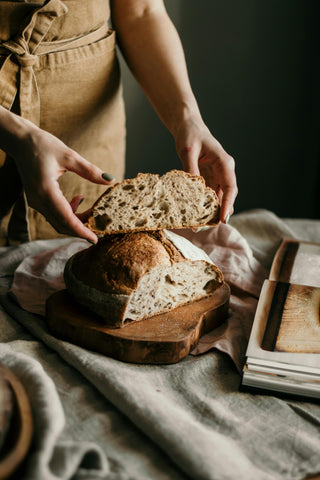
I once struggled with perfecting sourdough bread until I dedicated time to understanding fermentation and hydration levels. That deeper knowledge made a huge difference in the texture and flavor of my bread. What complex technique could you challenge yourself to learn next?
Attending Baking Competitions
Competitions push you beyond your comfort zone and help you learn under pressure. Watching other bakers and receiving feedback gives you insight into different styles and techniques you might not try otherwise.
Even if you don’t win, the experience teaches resilience and sharpens your attention to detail. Have you considered entering a local baking contest to test your skills and meet fellow bakers?
Staying Updated With Trends
Baking trends evolve with new ingredients, dietary preferences, and cultural influences. Following food blogs, subscribing to baking magazines, and joining online baking communities help you stay informed.
For example, the rise of gluten-free and vegan baking opened doors for many bakers to reach new customers. How do you keep your baking fresh and relevant in a world that’s always changing?

Frequently Asked Questions
What Education Is Needed To Become A Baker?
A high school diploma is often sufficient. However, baking courses or culinary school improve skills and job prospects significantly.
How Long Does It Take To Become A Professional Baker?
Training varies from a few months to two years. Apprenticeships and culinary programs offer hands-on experience for faster learning.
What Skills Are Essential For A Successful Baker?
Attention to detail, creativity, time management, and physical stamina are crucial. Good communication and customer service skills also help.
Can I Become A Baker Without Formal Training?
Yes, many bakers start as assistants or apprentices. Gaining experience on the job can lead to a professional baking career.
Conclusion
Becoming a baker takes time and practice. Start by learning basic recipes and techniques. Baking regularly helps improve your skills. Consider taking classes or working with experienced bakers. Patience and passion make a big difference. Remember, every baker began as a beginner.
Keep trying, and don’t be afraid to make mistakes. Baking can bring joy and satisfaction. Your hard work will show in every loaf and pastry. Keep baking, and enjoy the process!