If you love crispy, perfectly cooked bacon but hate the mess and hassle of frying it on the stove, baking bacon in a convection oven might be your new best friend. You’ll get evenly cooked strips with less grease splatter and minimal effort.
Wondering how to get that ideal crunch and flavor every single time? Keep reading, because this guide will show you exactly how to bake bacon in your convection oven, step by step. By the end, you’ll be cooking bacon like a pro, saving time and making your kitchen cleanup a breeze.
Ready to transform your bacon game? Let’s dive in!

Preparing Bacon For Baking
Preparing bacon for baking in a convection oven sets the stage for crispy, evenly cooked strips. Proper preparation helps the bacon cook faster and avoids uneven spots. Simple steps before placing bacon in the oven make all the difference in taste and texture.
Choosing The Right Bacon
Select bacon with the right fat-to-meat ratio. Thicker slices offer a chewy texture. Thinner slices crisp faster. Consider your preference. Avoid bacon with added sugars or flavors for pure taste. Fresh bacon ensures better cooking results.
Arranging Bacon On The Rack
Place bacon strips in a single layer. Avoid overlapping to ensure even heat distribution. Leave some space between strips for air flow. This helps fat drain and prevents sogginess. Use a wire rack to elevate the bacon above the drippings.
Using A Baking Sheet Or Pan
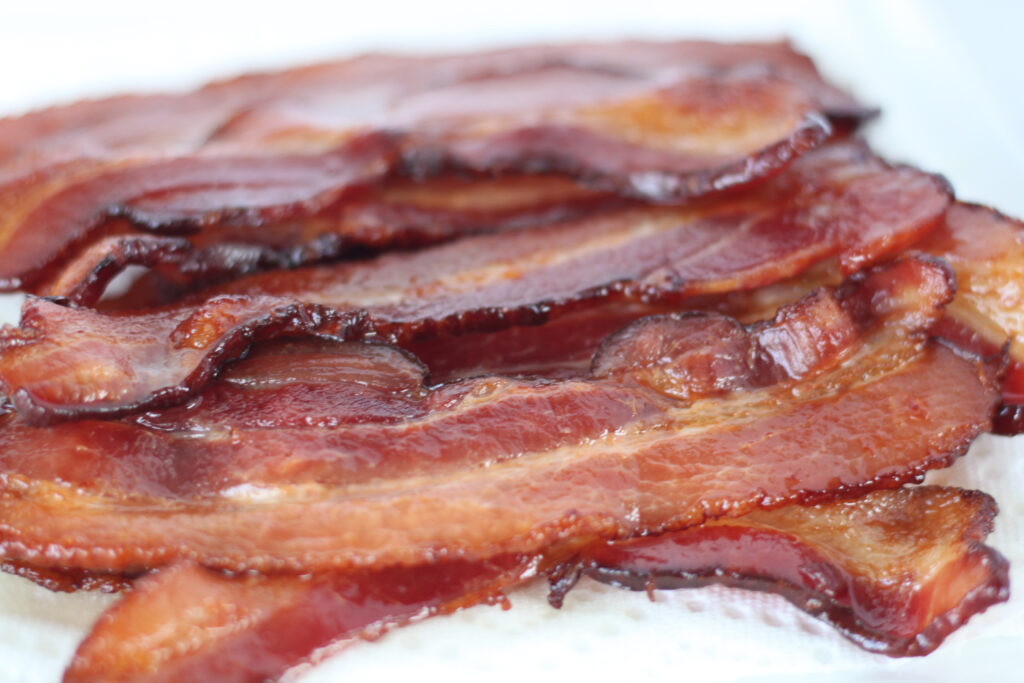
Line a baking sheet with foil for easy cleanup. Place a wire rack over the foil-lined sheet. The rack lets air circulate under the bacon. Collect the drippings in the foil below. If no rack is available, place bacon directly on the foil but expect less crispiness.
Setting Up The Convection Oven
Setting up your convection oven correctly is key to baking bacon evenly and crisp. This process ensures the heat circulates well around the bacon strips. Proper setup helps avoid soggy or burnt spots. Follow simple steps to prepare your oven for the best results.
Adjusting Temperature For Convection
Convection ovens cook faster because of the fan that circulates hot air. Lower the baking temperature by about 25°F compared to a regular oven. For bacon, set the temperature near 375°F instead of 400°F. This adjustment prevents burning and allows bacon to cook evenly.
Selecting The Proper Oven Rack
Place the oven rack in the middle position. This spot gives the bacon good airflow from all sides. Avoid the top or bottom racks to prevent uneven cooking. If you bake many strips, use a rimmed baking sheet to catch grease and keep your oven clean.
Preheating Tips
Always preheat your convection oven before adding bacon. Let it reach the set temperature fully. This step ensures bacon starts cooking immediately and crisps well. Preheating also reduces cooking time and keeps the bacon texture perfect.
Baking Process
Baking bacon in a convection oven transforms the usual sizzle into a hands-off, evenly cooked delight. The baking process is simple but requires attention to detail to get the perfect texture. Let’s break down how you can master this with precise timing, crispiness checks, and the debate on flipping.
Optimal Baking Time
Setting the right baking time depends on your oven and bacon thickness. Typically, 12 to 18 minutes at 400°F (204°C) works well. Keep an eye on the bacon around the 12-minute mark to avoid overcooking.
Remember, thinner slices will cook faster, while thick-cut bacon might need a few extra minutes. It’s better to start checking early than to end up with burnt strips.
Checking For Crispiness
How do you know when your bacon is crispy enough? Look for a golden-brown color and slightly curled edges. The bacon should feel firm but not brittle when you touch it with tongs.
One trick I use is lifting a strip gently to see if the fat has rendered and the meat has a nice snap. If it bends easily without breaking, it probably needs a bit more time.
Flipping Or Not Flipping Bacon
Should you flip your bacon during baking? In a convection oven, flipping isn’t usually necessary. The circulating hot air cooks the bacon evenly on both sides.
However, if your bacon strips are overlapping or your oven has hot spots, flipping halfway through might help. Otherwise, let the convection do the work while you prepare your breakfast sides.
Post-baking Steps
Let the bacon rest on paper towels to soak up extra grease. Cool it slightly before serving for the best taste and texture. Store leftovers in an airtight container to keep them fresh.
After baking bacon in a convection oven, several crucial steps follow. These steps ensure the bacon remains delicious and safe to eat. Proper handling post-baking enhances the bacon's flavor and texture. Here’s what you need to know:
Draining Excess Grease
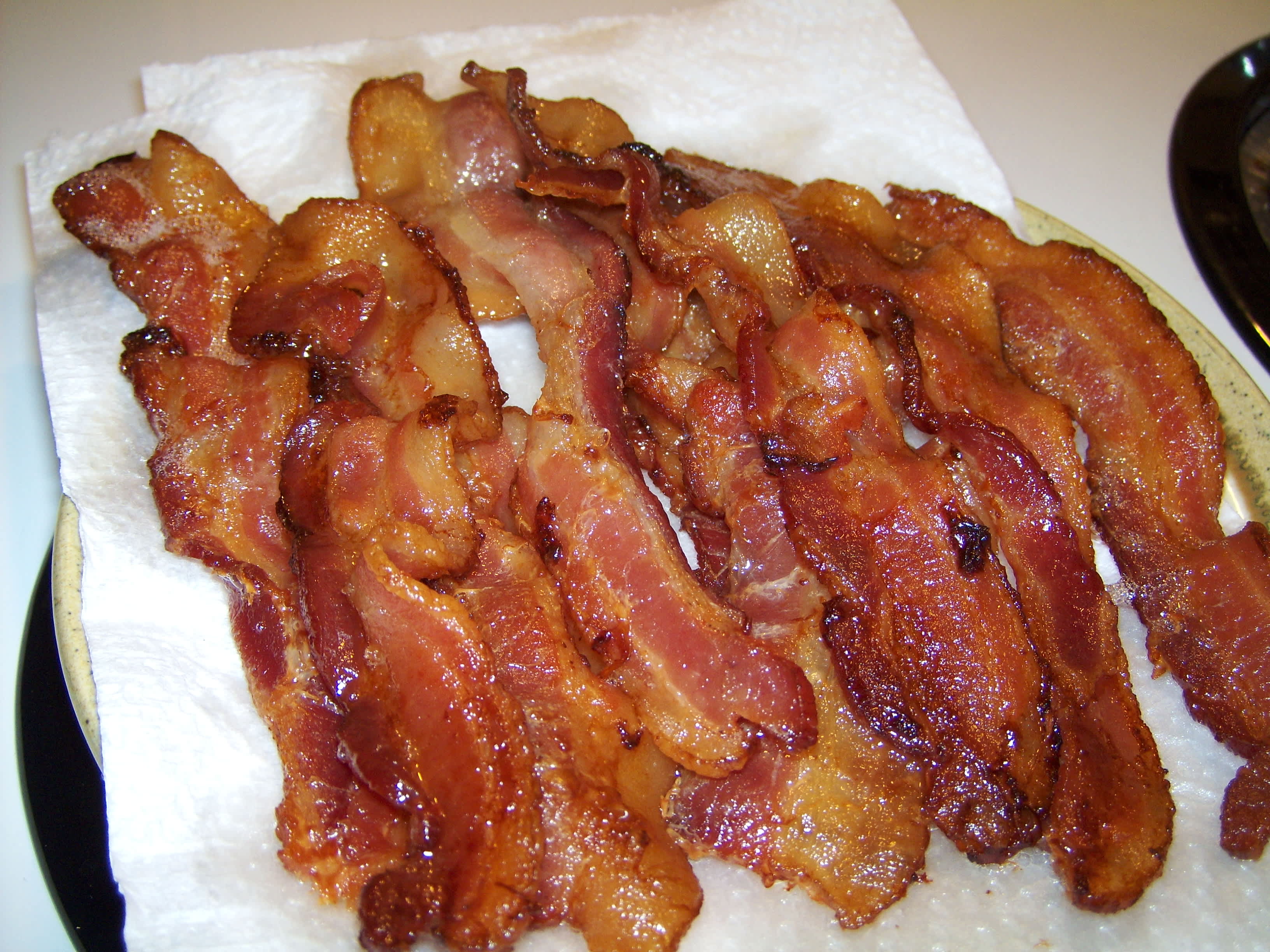
Place the bacon strips on a paper towel-lined plate. This helps absorb excess grease from the bacon. Press gently with another paper towel on top. You can also use a wire rack over a baking sheet to let grease drip away.
Serving Suggestions
Bacon is versatile and can enhance many dishes. Serve it alongside scrambled eggs for breakfast. Add crispy strips to sandwiches or burgers for extra flavor. Crumble bacon over salads for a savory crunch.
Storing Leftover Bacon
Let the bacon cool completely before storing. Use an airtight container to keep it fresh. Store in the refrigerator for up to five days. For longer storage, freeze the bacon. Wrap individual slices in parchment paper, then place in a freezer-safe bag. This prevents slices from sticking together. When needed, reheat in the oven or microwave.
Troubleshooting Common Issues
Baking bacon in a convection oven is simple but can sometimes lead to common issues. These include burnt edges, soggy texture, and uneven cooking. Knowing how to fix these problems improves your bacon every time.
Avoiding Burnt Bacon
Burnt bacon often happens from high heat or too long cooking time. Lower the oven temperature slightly to prevent burning. Check bacon early and often to catch it before it burns. Use a baking sheet with a rack to let fat drip away, reducing burning risk. Rotate the pan halfway for even cooking.
Preventing Soggy Bacon
Soggy bacon can result from too much moisture or crowded pans. Avoid overlapping bacon strips to allow hot air circulation. Use a wire rack so fat drips off and bacon crisps well. Pat bacon dry with paper towels before baking. Bake longer at a lower temperature for a crispier finish.
Adjusting For Different Bacon Thickness
Thin and thick bacon cook at different speeds. Thin slices cook faster and can burn if not watched. Thick bacon needs more time to become crispy inside. Use a timer and check bacon early for thin slices. Add extra minutes for thick-cut bacon but watch closely near the end.
Benefits Of Using A Convection Oven
Baking bacon in a convection oven offers many benefits. The oven’s design cooks food evenly and quickly. It uses less energy than traditional ovens. These advantages make baking bacon easier and better.
Even Cooking
A convection oven uses a fan to circulate hot air. This moves heat around the bacon for consistent cooking. Each slice cooks at the same pace. No more burnt edges or raw spots. The result is perfectly crispy bacon every time.
Time Efficiency
The strong air flow speeds up cooking. Bacon cooks faster than in regular ovens. This saves time in the kitchen. You can prepare bacon quickly for breakfast or snacks. It fits well into busy schedules.
Energy Savings
Convection ovens use less heat and cook faster. This lowers electricity or gas use. They keep kitchen temperatures cooler too. Less energy means lower utility bills. It’s a smart way to cook bacon and save money.
Frequently Asked Questions
How Long Does Bacon Take In A Convection Oven?
Bacon typically takes 12 to 15 minutes in a convection oven at 400°F. Cooking time varies by thickness. Check for crispiness to avoid overcooking. Use a baking sheet lined with foil for easy cleanup.
What Temperature Is Best For Baking Bacon?
Set your convection oven to 400°F for perfectly baked bacon. This temperature crisps bacon evenly without burning. Adjust time slightly for thicker or thinner slices to get desired crispness.
Can I Cook Bacon Without Flipping In Convection Ovens?
Yes, convection ovens circulate hot air, cooking bacon evenly without flipping. This saves time and prevents bacon from sticking to the pan. Place bacon on a single layer for best results.
Does Convection Baking Make Bacon Crispier?
Convection baking circulates hot air, enhancing bacon’s crispness. It cooks bacon evenly and reduces greasy spots. This method is ideal for consistent, crispy bacon every time.
Conclusion
Baking bacon in a convection oven is simple and quick. The hot air cooks bacon evenly and makes it crispy. You can cook many slices at once without mess. Just follow the temperature and time tips. This way, you get tasty bacon every time.
Try this method for your next breakfast or meal. Enjoy the easy cleanup and perfect results. Baking bacon this way saves time and effort. A great choice for busy mornings or gatherings.