
Baking a potato to perfection can be simple and quick when you use a convection oven. If you’ve ever struggled with soggy or unevenly cooked potatoes, this guide is for you.
You’re about to discover easy steps that will give you crispy skin and a fluffy inside every time. Ready to make your next baked potato the best one yet? Keep reading and unlock the secrets to baking potatoes like a pro in your convection oven.

Credit: www.cuisinart.com
Choosing The Right Potato
Choosing the right potato is the first step to baking a perfect potato in your convection oven. The variety you pick affects texture, taste, and cooking time. Paying attention to size and shape also ensures even cooking and a better eating experience.
Best Potato Varieties
Not all potatoes bake the same. Russet potatoes are the classic choice. Their thick skin crisps up nicely, and the inside becomes fluffy and light.
If you prefer a waxier texture, try Yukon Gold potatoes. They hold their shape well and offer a buttery flavor. Red potatoes work too, especially if you like a firmer bite.
Think about what you want from your baked potato. Do you crave a fluffy interior or a firm, creamy texture? Choosing the right variety can make all the difference.
Size And Shape Considerations
Potatoes that are similar in size bake evenly. If you pick one large and one small, the smaller one might overcook while the bigger one stays underdone.
Longer, oval-shaped potatoes fit better on baking trays and heat more consistently. Round potatoes can cook unevenly because their thickness varies.
Have you noticed how some potatoes cook faster? Size and shape play a big role here. Pick medium-sized, evenly shaped potatoes for the best results.
Preparing The Potato
Preparing the potato properly makes a big difference in baking results. It ensures even cooking and enhances flavor. Start with the right steps before placing the potato in the convection oven.
Washing And Drying
Rinse the potato under cold water to remove dirt and debris. Use a vegetable brush to scrub the skin gently. This removes any grit that could affect taste or texture. After washing, pat the potato dry with a clean towel. Moisture on the skin can prevent crispness during baking.
Piercing The Skin
Use a fork to poke the potato several times. This allows steam to escape while baking. Without piercing, the potato might burst in the oven. Space the holes evenly around the potato for best results.
Seasoning Tips
Lightly coat the potato skin with olive oil or melted butter. This helps the skin crisp up nicely. Sprinkle salt evenly for added flavor and texture. For extra taste, add pepper or your favorite herbs. Seasoning before baking enhances the final dish’s appeal.
Setting Up The Convection Oven
Preheat the convection oven to 400°F (200°C) for even cooking. Place the potato on the middle rack to allow hot air to circulate freely around it.
Setting up your convection oven for baking a potato may seem like a simple task, but getting it right can make all the difference between a soggy spud and a crispy-skinned delight. It's all about understanding the key elements that make a convection oven unique—consistent heat distribution and efficient cooking. As you prepare to bake, remember that your setup will influence the final taste and texture of your potato.
Optimal Temperature Settings
Set your convection oven to 375°F for perfectly baked potatoes. This temperature helps achieve a crispy exterior while ensuring the interior becomes soft and fluffy. If you’re in a hurry, you might be tempted to increase the heat, but patience pays off with the perfect potato.
Rack Placement For Even Cooking
Position your potato on the middle rack for the best results. This placement allows the hot air to circulate evenly around the potato, ensuring it cooks uniformly. You might wonder if placing it closer to the heat source speeds things up, but it can lead to uneven cooking or an overly crisp skin. Baking potatoes isn’t just about setting a temperature and timer—it's an art. Do you ever experiment with your oven settings to see how it affects the outcome? Small adjustments can lead to delightful discoveries in your kitchen.

Credit: www.favfamilyrecipes.com
Baking Process
Baking a potato in a convection oven changes the game with faster cooking and a crispier skin. The baking process focuses on balancing heat and timing to get that perfect fluffy inside and golden outside. Let’s break down what you really need to watch for during baking.
Timing For Crisp Skin
Convection ovens cook potatoes quicker than traditional ovens because the fan circulates hot air evenly. Usually, baking a medium-sized potato takes about 40-50 minutes at 400°F (204°C). But timing can vary based on potato size and oven model.
To get that crisp skin you want, don’t rush it by turning up the heat too high. Instead, consider these tips:
- Prick the potato skin with a fork to allow steam to escape.
- Rub the skin with olive oil and a pinch of salt for extra crispiness.
- Place the potato directly on the oven rack to let air circulate fully.
Have you ever noticed a soggy skin even after baking for a long time? This often means the heat wasn’t distributed properly—something convection ovens handle well if you use the right settings.
Checking Doneness
How do you know your potato is done without cutting it open? The best way is to test its softness with a fork or skewer. If it slides in easily without resistance, the potato is cooked through.
A good trick is to check at the 35-minute mark, then every 5 minutes after. This prevents overcooking, which can dry out the potato.
Another sign is the skin’s appearance; it should be golden brown and slightly wrinkled. Avoid relying solely on time—each convection oven performs differently.
Avoiding Common Mistakes
Many people make the mistake of wrapping their potato in foil before baking in a convection oven. This traps steam and prevents the skin from crisping. If you want crispy skin, skip the foil.
Another error is overcrowding the oven. When potatoes are too close, air can’t circulate properly, causing uneven cooking. Make sure to space them out.
Lastly, don’t forget to preheat your convection oven. Placing potatoes in a cold oven extends cooking time and affects texture.
Enhancing Crispiness
Enhancing the crispiness of a baked potato in a convection oven can make a big difference. A crisp skin adds a satisfying texture to the soft inside. Small steps can help achieve a perfect crunch every time.
Focus on coating the potato skin well and using the right seasonings. The convection oven’s hot air circulation will help dry and crisp the skin faster. Let’s explore some easy ways to boost crispiness and flavor.
Using Oil Or Butter
Coating the potato with oil or butter is key to crisp skin. The fat helps the heat reach the skin evenly and prevents drying out.
- Rub a thin layer of olive oil, vegetable oil, or melted butter over the skin.
- Make sure to cover the entire surface for even crisping.
- The oil creates a golden-brown, crunchy finish during baking.
Butter adds richness and a nice aroma. Oil has a neutral taste and can get the skin extra crispy. Both work well for convection ovens.
Additional Seasoning Ideas
Seasoning the potato skin improves flavor and texture. Salt is the most important for crispiness because it draws out moisture.
- Sprinkle kosher salt or sea salt evenly over the oiled skin.
- Add garlic powder or onion powder for a savory touch.
- Try paprika or smoked paprika for color and a mild smoky taste.
- Use dried herbs like rosemary or thyme for aroma and taste.
These simple seasonings enhance the baked potato without overpowering it. They also help the skin crisp better in the convection oven.
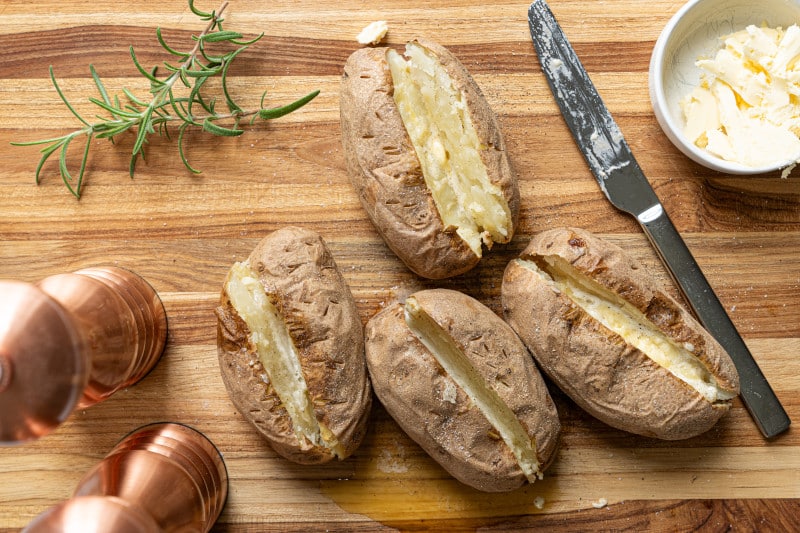
Credit: potatogoodness.com
Serving Suggestions
Baking a potato in a convection oven creates a crispy skin and fluffy inside. Serving it right makes the meal even better. Simple toppings and sides can turn a plain baked potato into a delicious dish. Here are some tasty ideas to try.
Toppings That Compliment
- Sour cream adds a cool, creamy texture.
- Chopped chives or green onions bring a fresh, mild bite.
- Shredded cheddar cheese melts well and adds rich flavor.
- Crispy bacon bits give a crunchy, salty contrast.
- Steamed broccoli offers a healthy, colorful topping.
- Butter enhances the potato’s natural taste with smoothness.
- Fresh salsa adds a spicy, tangy kick.
- Grilled mushrooms provide an earthy, savory note.
Side Dish Pairings
- Green salad with light vinaigrette balances the meal.
- Grilled chicken breast pairs well for added protein.
- Steamed vegetables keep the plate colorful and nutritious.
- Coleslaw adds crunch and a bit of sweetness.
- Roasted carrots or asparagus offer a tender, flavorful side.
- Fresh bread or dinner rolls complement the softness of the potato.
- Beans or lentils create a hearty, filling combination.
Troubleshooting Tips
Baking a potato in a convection oven is simple, but sometimes issues arise. Troubleshooting helps fix common problems fast. Focus on skin texture and even cooking for best results. These tips guide you through solving typical baking challenges.
Fixing Soggy Skin
Soggy skin often means too much moisture stays on the potato. Pat the potato dry with a paper towel before baking. Prick the skin several times with a fork to let steam escape. Rub the skin with a thin layer of oil to help crisp it. Avoid wrapping the potato in foil; it traps moisture and softens skin. Bake directly on the oven rack or a wire rack for airflow. These steps create a crispy, delicious skin every time.
Handling Uneven Cooking
Uneven cooking causes some potato parts to be soft while others stay hard. Choose potatoes of similar size to ensure even baking. Rotate the potato halfway through cooking to promote uniform heat. Place the potato in the center of the oven for best heat distribution. Avoid overcrowding the oven; air must circulate well around each potato. Use a meat thermometer to check for doneness; the center should reach about 210°F (99°C). These tips help achieve a perfectly cooked potato throughout.
Frequently Asked Questions
How Long To Bake A Potato In A Convection Oven?
Bake a medium-sized potato in a convection oven at 400°F for 35-40 minutes. Check doneness by piercing with a fork; it should go in easily.
Should I Wrap Potatoes In Foil When Baking?
No, avoid foil when baking in a convection oven. Foil traps moisture, resulting in softer skin instead of crispy, which convection baking aims to achieve.
What Temperature Is Best For Baking Potatoes In Convection Ovens?
Set your convection oven to 400°F for baking potatoes. This temperature ensures even cooking and crispy skin without drying out the potato inside.
How To Prepare Potatoes For Convection Oven Baking?
Wash and dry potatoes thoroughly. Poke holes with a fork for steam release, then rub with oil and season before baking for best results.
Conclusion
Baking a potato in a convection oven is quick and easy. The hot air cooks the potato evenly and makes the skin crispy. Just follow simple steps: wash, poke holes, season, and bake. Check the potato with a fork to see if it’s soft inside.
Serve with your favorite toppings for a tasty meal. This method saves time and gives great results every time. Try it today and enjoy a perfect baked potato!


