
Are you ready to install your dishwasher but worried about attaching it to your beautiful granite countertop? You’re not alone.
Granite is strong but tricky to work with, and one wrong move can cause cracks or damage. This guide will show you exactly how to secure your dishwasher safely and firmly without harming your countertop. Keep reading, and you’ll learn simple steps that save you time, protect your investment, and make your kitchen look flawless.
Let’s get your dishwasher installed the right way!
Tools And Materials Needed
Attaching a dishwasher to a granite countertop demands the right tools and materials to ensure a secure and damage-free installation. Without these essentials, you risk cracking your granite or having a dishwasher that isn't firmly anchored. Gathering everything beforehand makes the process smoother and safer.
Essential Tools
- Drill with Diamond-Tipped Bits:Granite is tough. Regular drill bits won’t cut it. Diamond-tipped bits help you create precise holes without cracking the stone.
- Screwdriver Set:You’ll need various sizes to fit mounting brackets and screws securely.
- Measuring Tape:Accurate measurements are key to aligning the dishwasher properly with your countertop and cabinets.
- Level:Ensures your dishwasher sits perfectly flat, preventing leaks or uneven wear.
- Masking Tape:Protects granite surface during drilling and helps mark drilling spots clearly.
- Safety Gear:Safety glasses and gloves protect your eyes and hands from dust and sharp edges.
Recommended Materials
- Mounting Brackets:Choose brackets designed for granite countertops to avoid damaging the stone. They often include rubber or foam padding.
- Stainless Steel Screws:Corrosion-resistant screws provide a strong hold and last longer in moist kitchen environments.
- Silicone Caulk:Use it around the edges to prevent water from seeping under the countertop.
- Shims:These small wedges help level the dishwasher if your floor or countertop isn’t perfectly even.
Have you ever tried attaching something heavy to a fragile surface without the right tools? It’s frustrating and can lead to costly damage. Using the correct tools and materials not only protects your granite but also ensures your dishwasher stays put without wobbling or shifting over time.

Credit: www.mercattoria.com.br
Preparing The Dishwasher
Preparing your dishwasher properly sets the foundation for a smooth installation on your granite countertop. Taking the time to carefully unpack and position the unit helps avoid damage and alignment issues later. How often do you rush this step, only to face unexpected problems?
Unpacking And Inspecting
Start by opening the dishwasher box with care. Remove all packaging materials slowly to avoid scratching the surface or dropping any parts.
Check for any visible damage on the exterior and interior. Look for dents, scratches, or missing components like screws and brackets.
Verify that you have all necessary accessories, including mounting brackets, hoses, and instruction manuals. Missing parts at this stage can delay your project significantly.
Positioning The Unit
Before moving the dishwasher, measure the space between your granite countertop and the floor. Ensure the unit will fit comfortably without forcing it in.
Slide the dishwasher close to the installation spot but leave enough room to access the back for connections. This step prevents awkward handling and potential damage to your granite.
Adjust the leveling feet so the dishwasher sits evenly. A level dishwasher not only works better but also prevents leaks and noise.
Securing Brackets To Granite
Attaching a dishwasher to a granite countertop requires more than just placing brackets and hoping for the best. Granite is a tough, dense material, so securing brackets properly is essential to keep your dishwasher stable and your countertop intact. Understanding how to choose the right brackets and install them safely will save you from costly damage and a shaky appliance.
Choosing The Right Brackets
Not all brackets are suitable for granite countertops. You need brackets specifically designed for stone surfaces, which often have wider bases to distribute pressure evenly. Look for stainless steel or heavy-duty metal brackets that resist rust and provide strong support.
Think about the shape and size of your countertop edge. Some brackets are adjustable and can fit different thicknesses, which is handy if your granite slab is thicker than standard. Would you rather use a slim bracket that might slip or a wider one that grips firmly? The right choice will make your installation smoother and safer.
Drilling Into Granite Safely
Drilling into granite can be intimidating, but it’s doable with the right tools and care. Use a diamond-tipped drill bit to make clean holes without cracking the stone. Keep the drill speed low and apply gentle pressure to avoid heat buildup, which can damage the granite.
Always mark your drilling spots accurately and double-check measurements before you start. Using water to cool the drill bit during drilling helps prevent overheating and dust. Have you considered practicing on a scrap piece of granite or tile first? This can build your confidence and reduce mistakes.
Using Anchors And Screws
Anchors are crucial when fastening brackets to granite because they expand inside the drilled hole, creating a strong grip. Choose anchors made for masonry or stone to ensure they hold tight under the dishwasher’s weight. Insert the anchor fully before driving in the screw to avoid cracking the granite.
Use stainless steel screws to prevent rust and corrosion over time. Tighten screws steadily but avoid overtightening, which can stress the stone. Ask yourself: is the bracket holding firmly without any wobble? If not, reassess your anchor size or screw length for better support.
Attaching Dishwasher To Countertop
Attaching your dishwasher to a granite countertop requires precision and care to avoid damaging the stone while ensuring the appliance stays secure. Granite is heavy and unforgiving, so the right approach helps protect both your countertop and your dishwasher. Let’s break down how to attach it safely and firmly.
Aligning The Dishwasher
Start by sliding the dishwasher into place, making sure it fits snugly between the cabinets without putting pressure on the granite. Check that the front of the dishwasher is flush with the cabinet face for a clean look. Use a level to confirm the dishwasher sits evenly—uneven alignment can lead to leaks or operational issues.
Take your time here; rushing this step can cause scratches or chips on your granite. Have a helper steady the dishwasher while you adjust it for perfect alignment.
Fastening Brackets
Most dishwashers come with metal mounting brackets designed to secure them to countertops. For granite, avoid drilling directly into the stone to prevent cracks. Instead, use the existing cabinet structure or install specialized granite mounting kits that use adhesive or clamps.
Attach the brackets firmly to the cabinet or the side of the granite using rubber pads or soft spacers to protect the stone. Tighten screws gently—over-tightening can damage the granite or strip the holes.
Checking Stability
After fastening, gently rock the dishwasher to test for movement. It should stay firmly in place without shifting. If you notice any wobble, adjust the mounting brackets or add shims between the dishwasher and cabinets.
Don’t forget to check the door operation; it should open and close smoothly without scraping the granite edge. Stable installation not only protects your countertop but also extends the lifespan of your dishwasher.
Connecting Water And Power
Attaching a dishwasher to a granite countertop needs careful drilling and secure mounting. Use special brackets to avoid cracks and ensure stable support. Proper sealing protects both water connections and the stone surface from damage.
Connecting a dishwasher to a granite countertop involves two main tasks. You need to connect the water and the power. Both are crucial for your dishwasher to function smoothly. Ensuring these connections are secure is key. Follow these simple steps for a successful setup.
Hooking Up Water Supply
Start by locating your water supply valve. It's usually under the kitchen sink. Turn off the water supply to prevent leaks. Next, attach the dishwasher's water inlet hose to this valve. Ensure the connection is tight to avoid drips. Use a wrench to secure the fitting if needed. Finally, turn the valve back on to check for leaks. Tighten further if necessary.
Electrical Connections
Locate the dishwasher's power cord. It should connect to a nearby outlet. Ensure the power is off before starting. Attach the cord to the dishwasher's electrical terminal box. Use a screwdriver to tighten the connections. Make sure all wires are secure. Turn the power back on at the circuit breaker. Test the dishwasher to ensure it powers up correctly. Completing these connections is vital. It ensures your dishwasher runs efficiently. Always prioritize safety during installation.
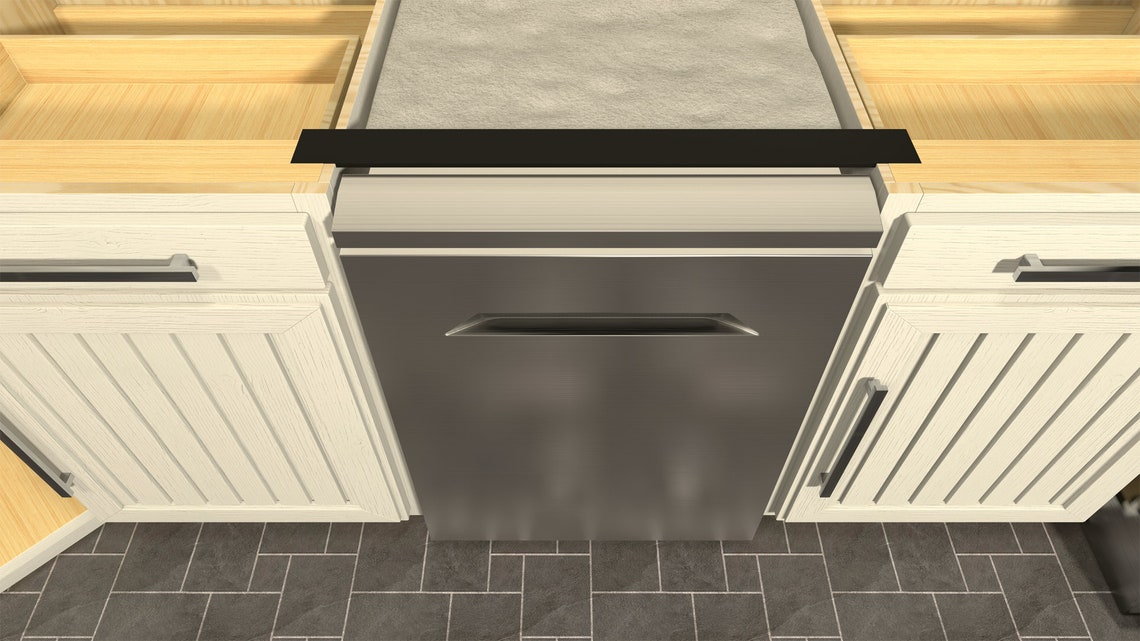
Credit: bexcodeservices.com
Final Adjustments And Testing
After securing your dishwasher to the granite countertop, the final phase is all about fine-tuning and making sure everything runs smoothly. This step is crucial to avoid future problems and to ensure your dishwasher operates efficiently. Taking the time to check every detail now can save you from costly repairs later.
Leveling The Dishwasher
Ensuring your dishwasher is perfectly level is key to its proper function. Use a carpenter’s level on the top edge of the dishwasher to check its position.
If you notice the dishwasher tilting forward or backward, adjust the leveling feet underneath. Turn them clockwise or counterclockwise until the dishwasher sits flat and stable.
Have you ever skipped this step and noticed water pooling inside your dishwasher? That’s a clear sign of imbalance. Don’t overlook this simple adjustment—it affects drainage and door sealing.
Leak And Function Check
Before pushing your dishwasher fully into place, connect the water supply and drain hose, then run a test cycle. Watch closely for any water leaks around the connections and underneath.
Listen for unusual sounds and check if the dishwasher completes its cycle without errors. Leaks can come from loose hoses or improperly sealed connections—tighten them if needed.
Try opening and closing the door during the cycle to ensure the latch is secure and the door seal is tight. This prevents water from escaping and keeps your granite countertop dry and safe.
Safety Tips And Maintenance
Attaching a dishwasher to a granite countertop requires more than just the right tools and techniques. Prioritizing safety and ongoing maintenance protects both your appliance and the beautiful granite surface. Taking care now can prevent costly repairs and keep your kitchen looking flawless for years.
Protecting Granite Surface
Granite is tough but not invincible. When securing your dishwasher, avoid using excessive force on the granite edge to prevent cracks or chips.
Use rubber or felt pads between metal brackets and the granite. These pads cushion the contact points and stop scratches or surface damage.
Also, be cautious with sealants. Applying a high-quality granite sealer around the attachment area can create a moisture barrier, keeping water from seeping under the countertop.
Have you noticed small scratches or dull spots near your dishwasher? They might be early signs that your protection needs improvement.
Regular Inspection
Check the dishwasher’s mounting brackets and seals regularly to ensure everything stays tight and water-resistant. Loose brackets can stress the granite and cause damage over time.
Look for any signs of water leakage or discoloration around the countertop edges. Early detection helps you avoid mold growth and costly granite repairs.
It’s a good idea to wipe down the area monthly and inspect the condition of the sealant. If it looks worn or cracked, reapply a granite-safe sealant promptly.
How often do you inspect your kitchen appliances beyond just cleaning? Adding these quick checks to your routine can save headaches later.

Credit: originalgranitebracket.com
Frequently Asked Questions
How Do You Secure A Dishwasher To Granite Countertops?
Use mounting brackets designed for granite. Pre-drill holes carefully with a diamond drill bit. Attach brackets firmly without cracking the granite. This ensures a stable and safe dishwasher installation.
Can You Drill Into Granite For Dishwasher Installation?
Yes, but use a diamond-tipped drill bit to avoid damage. Drill slowly with water to cool the bit. This prevents cracks and ensures a clean hole for mounting brackets.
What Tools Are Needed To Attach Dishwasher To Granite?
You need a diamond drill bit, screwdriver, mounting brackets, and a level. These tools help secure the dishwasher safely and keep it aligned with the countertop.
Is Adhesive Enough To Attach A Dishwasher To Granite?
Adhesive alone is not recommended as it may fail under weight. Use mounting brackets along with adhesive for a secure and durable attachment.
Conclusion
Attaching a dishwasher to a granite countertop is easier than it seems. Use the right tools and take your time. Secure the brackets carefully to avoid damaging the stone. Always check that the dishwasher stays level and stable. Small steps make a big difference in the end.
This way, your dishwasher will fit well and work properly. A careful approach keeps your kitchen looking great and your appliance safe. Simple and steady work pays off every time.


