Are you ready to install your dishwasher but worried about how to attach it securely to your granite countertop? You’re not alone.
Granite is beautiful but can be tricky when it comes to mounting appliances. If you get it wrong, you could damage your countertop or end up with a dishwasher that wobbles or leaks. In this guide, you’ll discover simple, step-by-step tips to attach your dishwasher safely and firmly without risking your granite surface.
By the end, you’ll have the confidence to complete the job yourself and enjoy a spotless kitchen with a perfectly installed dishwasher. Keep reading to learn exactly what you need to do!
Tools And Materials Needed
Attaching a dishwasher to a granite countertop needs the right tools and materials. Using proper tools ensures a secure fit and prevents damage to your countertop. The materials help hold the dishwasher firmly in place.
Gather all items before starting. This preparation saves time and keeps the process smooth. Each tool and material has a specific role in the installation.
Essential Tools For Installation
- Power drill with a diamond-tipped bit
- Screwdriver (Phillips and flathead)
- Measuring tape
- Level
- Marker or pencil
- Clamps
- Utility knife
- Safety goggles and gloves
Materials Needed To Secure The Dishwasher
- Mounting brackets designed for granite countertops
- Stainless steel screws (corrosion-resistant)
- Silicone sealant
- Plastic shims or spacers
- Foam padding (to protect granite edges)
Additional Supplies For A Smooth Process
- Shop vacuum (to clean dust from drilling)
- Masking tape (to mark drilling spots)
- Drop cloth or protective sheet
- Bucket and sponge (for cleanup)
Credit: bexcodeservices.com
Preparing The Dishwasher
Preparing the dishwasher is a crucial phase before attaching it to your granite countertop. This step ensures safety and smooth installation without damaging your kitchen surfaces. Taking time here can save you from costly repairs and frustrations later on.
Disconnecting Power And Water
Start by turning off the power supply to the dishwasher at your home's circuit breaker. This prevents any electrical accidents while working. Next, shut off the water valve connected to the dishwasher to avoid leaks or flooding.
Once both are off, unplug the dishwasher if possible or disconnect the electrical wires with care. Remember, water and electricity don't mix, so double-check these steps before proceeding.
Removing Old Dishwasher
Pull the old dishwasher out gently after disconnecting power and water. You may need to unscrew mounting brackets securing it under the granite countertop. These brackets often hide under the counter lip, so a flashlight can help.
After loosening, slide the dishwasher out slowly to avoid scratching your floor or damaging adjacent cabinets. Keep an eye on the drain and water hoses—they might still hold some water, so have a towel handy.
Protecting The Granite Surface
Protecting the granite surface is essential when attaching a dishwasher. Granite is strong but can scratch or stain easily. Taking simple steps helps keep the countertop beautiful and safe. Always handle the granite with care during installation. Small damages can lead to costly repairs later.
Cleaning The Countertop
Start by cleaning the granite surface thoroughly. Use a mild detergent and warm water. Avoid harsh chemicals that might damage the stone. Wipe the area dry with a soft cloth. This removes dust, grease, and residues. A clean surface ensures better adhesion and prevents stains.
Using Protective Pads
Place protective pads between the dishwasher and granite. These pads act as cushions to prevent scratches. Use rubber or felt pads designed for stone surfaces. Check that the pads are thick enough to absorb pressure. Pads also reduce vibrations and noise from the dishwasher. Replace pads if they wear out to maintain protection.
Positioning The Dishwasher
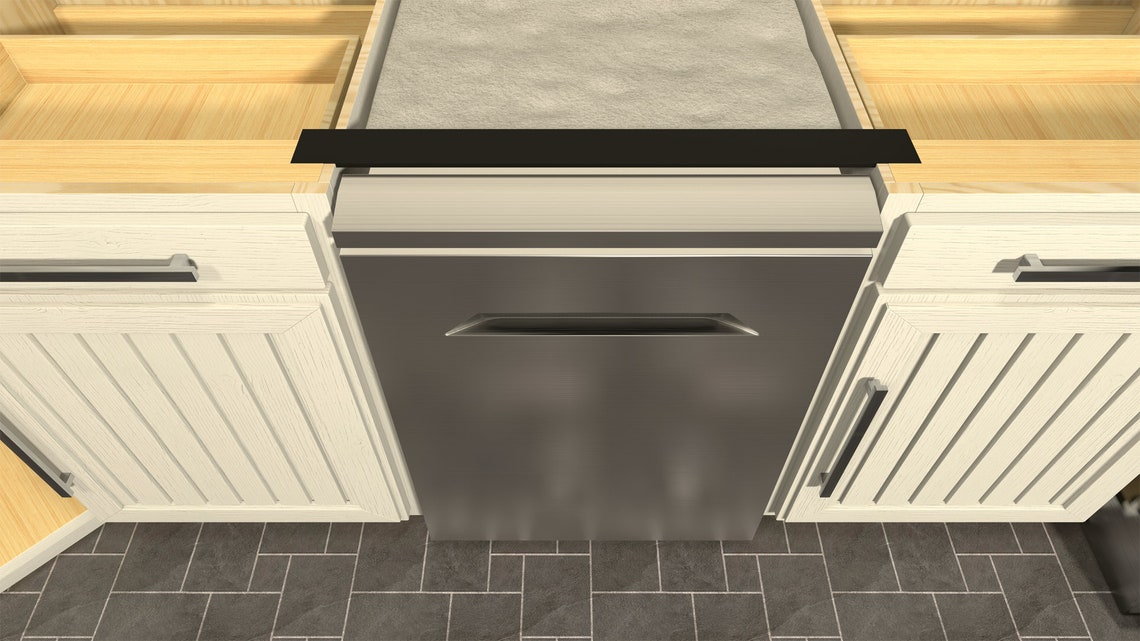
Attach a dishwasher to a granite countertop by using brackets. Secure the brackets to the cabinetry sides. This ensures stability without drilling into the granite, keeping your countertop intact and your dishwasher firmly in place.
Positioning the Dishwasher Positioning a dishwasher under a granite countertop can seem daunting, but it’s a manageable task with the right guidance. Ensuring a perfect fit not only enhances the aesthetic appeal of your kitchen but also ensures the appliance functions optimally. Here’s how you can position your dishwasher efficiently to get the best results.
Aligning With Counter Edges
Begin by aligning the dishwasher so that it sits flush with the counter edges. This alignment gives your kitchen a seamless look and prevents any awkward gaps. If you've ever felt frustrated by uneven edges, you'll appreciate the satisfaction of a perfectly aligned appliance. To achieve this, gently slide the dishwasher into its designated space. Pay close attention to the sides, making sure they are parallel to the counter. A friend or family member can assist you, providing a second pair of eyes to ensure accuracy.
Checking Level And Fit
Once aligned, it’s crucial to check the level and fit of the dishwasher. An unlevel dishwasher can lead to improper drainage and inefficient cleaning. Use a spirit level to check if the dishwasher is even. Place it on the top edge, and adjust the feet of the dishwasher if needed. This step is straightforward yet vital, ensuring water flows correctly during the wash cycle. After leveling, confirm the dishwasher fits snugly without pressing too tightly against the counter. This not only prevents potential damage to your granite but also ensures the door opens and closes smoothly. Remember, a well-positioned dishwasher is key to a harmonious kitchen setup. Have you ever considered the impact of a perfectly positioned appliance on your daily routine? It’s these small details that can significantly enhance your kitchen experience.
Attaching Brackets To Granite
Attaching brackets to a granite countertop requires precision and care to avoid damaging the stone. Granite is hard and unforgiving, so preparation is key before you start drilling. Getting this right ensures your dishwasher stays firmly in place without cracking the countertop.
Marking Drill Points
Begin by placing the dishwasher in its spot under the countertop. Use a pencil to mark where the brackets will attach to the granite. Double-check these marks by aligning the brackets and ensuring they sit flush against the edge.
Take your time here—incorrect marks can lead to misplaced holes that weaken the countertop. Ask yourself: Are these points accessible and sturdy enough to hold the screws securely? Your bracket placement impacts the dishwasher’s stability.
Drilling Into Granite
Drilling into granite requires a diamond-tipped drill bit and a steady hand. Start with a small pilot hole to avoid slips, then gradually increase the drill size. Keep the drill perpendicular to the surface to prevent cracks.
Use water to cool the drill bit and reduce dust. You might find it helpful to have a second person steady the drill or hold a cloth to catch debris. If you’ve never drilled into granite before, practicing on a scrap piece can save you from costly mistakes.
Installing Anchors And Screws
Once the holes are drilled, insert plastic or metal anchors designed for masonry. These anchors expand inside the hole, providing a strong grip for the screws. Push them in gently but firmly with a hammer if needed.
Next, align the brackets with the drilled holes and insert the screws through the bracket into the anchors. Tighten the screws carefully—too much force can crack the granite or strip the anchor. You want a snug fit that holds the dishwasher firmly without stressing the stone.
Have you checked if the brackets feel solid after tightening? A small shake test can reveal if you need to adjust the screws or anchors. Proper bracket attachment is the foundation of a secure dishwasher installation on your granite countertop.
Securing Dishwasher To Countertop
Securing your dishwasher to a granite countertop is a crucial step to keep it stable and prevent it from tipping forward during use. Granite is heavy and durable, but it requires careful handling when attaching appliances to avoid cracks or damage. Taking the time to properly secure the dishwasher ensures safety and longevity for both your appliance and countertop.
Mounting The Dishwasher
Start by sliding the dishwasher into its designated space under the granite countertop. Align it carefully so the edges sit flush with the cabinetry and the countertop. Look for the mounting brackets on the top or sides of the dishwasher, as these will anchor it to the granite.
Granite countertops don’t have pre-drilled holes for mounting, so you’ll need to use the brackets to clamp the dishwasher securely. Some brackets come with adhesive pads to protect the granite surface, which is a handy feature to prevent scratches. If your brackets don’t have these pads, consider adding felt or rubber strips before tightening.
Tightening The Brackets
Once the mounting brackets are in place, carefully tighten the screws to secure the dishwasher to the countertop. Be gentle and avoid over-tightening, which can crack the granite or warp the dishwasher frame. It’s best to tighten screws incrementally and check the stability after each turn.
Ask yourself: is the dishwasher firmly in place, or does it wobble? If there’s any movement, adjust the brackets or add cushioning to fill gaps. A stable dishwasher not only protects your countertop but also prevents leaks and mechanical issues over time.
Connecting Water And Power
Connecting water and power is essential when attaching a dishwasher to a granite countertop. Proper connections ensure the appliance works safely and efficiently. Both water supply and electrical power must be handled carefully to avoid damage or leaks.
Hooking Up Water Supply
Start by turning off the main water valve. Find the dishwasher’s water inlet valve under the sink or near the dishwasher space. Use a flexible water supply line to connect the valve to the dishwasher’s inlet.
Use plumber’s tape on the threads to prevent leaks. Hand-tighten the connections, then use a wrench to secure them. Avoid overtightening, which can damage fittings.
Check the water supply hose for kinks or bends. Position the hose so it has a smooth path without sharp turns. Turn on the water and inspect all joints for leaks. Tighten any loose fittings as needed.
Reconnecting Electrical Power
Turn off the power at the circuit breaker before working on electrical connections. Locate the dishwasher’s power cord or hardwired connection. Most dishwashers use a grounded three-wire cable.
Connect the wires according to color codes: black or red to live, white to neutral, green or bare copper to ground. Use wire nuts or connectors to secure each connection.
Carefully tuck wires into the electrical box. Attach the cover plate to protect the connections. Restore power and test the dishwasher to confirm it runs properly.

Credit: www.bbindustriesllc.com
Final Checks And Testing
After securing your dishwasher to the granite countertop, the real test begins. Final checks and testing ensure everything functions smoothly and no hidden issues lurk beneath the surface. Taking the time to carefully inspect and run your dishwasher will save you from costly repairs and water damage later.
Inspecting For Leaks
Start by closely examining all the water connections—especially around the supply line and drain hose. Use a dry cloth to wipe the joints, then look for any damp spots or water droplets after running water through the system.
Don’t forget to check under the dishwasher and around the base. Even the smallest leak can cause damage to your granite countertop or cabinet flooring over time.
If you find any leaks, tighten the fittings gently. Over-tightening can crack your granite or damage the plumbing.
Running A Test Cycle
Once you confirm there are no leaks, it’s time to run a full dishwasher cycle. This step helps you verify the appliance operates correctly and that water drains properly.
Listen for unusual sounds like excessive rattling or dripping. These noises could signal installation issues or obstructions.
After the cycle finishes, open the dishwasher and inspect the interior for standing water or soap residue. If everything looks clean and dry, your dishwasher is ready for everyday use.

Credit: www.mercattoria.com.br
Frequently Asked Questions
How Do You Secure A Dishwasher To Granite Countertops?
Use special mounting brackets designed for granite. Avoid drilling directly into granite to prevent cracks. Instead, use adhesive or clamps for a firm hold.
Can You Drill Into Granite To Install Dishwasher Brackets?
Drilling into granite is risky and can cause cracks. Use adhesive mounts or clamps as safer alternatives to secure your dishwasher.
What Tools Are Needed To Attach A Dishwasher To Granite?
You’ll need mounting brackets, adhesive pads or clamps, a screwdriver, and a level to ensure proper alignment and secure attachment.
How To Avoid Damaging Granite While Installing A Dishwasher?
Avoid direct drilling and use non-invasive mounting methods like adhesive brackets or clamps. Always measure carefully and work slowly to protect the surface.
Conclusion
Attaching a dishwasher to a granite countertop is doable with care. Use the right tools and follow steps carefully. Secure the dishwasher firmly to avoid movement. Check all connections before turning on the water. Take your time to prevent damage to your countertop.
This task can save money and improve kitchen function. Stay patient, and your dishwasher will fit well. Simple steps lead to a strong and lasting installation.