Have you ever stopped to wonder how your refrigerator’s ice maker turns water into those perfect ice cubes you enjoy every day? It might seem like magic, but there’s a simple process working behind the scenes.
Understanding how your ice maker works can help you troubleshoot issues, keep it running smoothly, and even appreciate this handy feature more. Stick with me, and I’ll walk you through the easy steps that turn plain water into refreshing ice right inside your fridge.
You’ll never look at your ice tray the same way again!
Basics Of Refrigerator Ice Makers
Understanding the basics of refrigerator ice makers can help you appreciate the convenience they add to your kitchen. These devices work quietly in the background, turning water into ice without you having to lift a finger. But how exactly do they achieve this? Let’s break down the key components and processes.
How Water Gets Into The Ice Maker
Your refrigerator’s ice maker is connected to a water line. When you activate the ice maker, a valve opens, allowing water to flow into a small mold or tray inside the freezer. The amount of water is precisely controlled to avoid overflows or underfilled ice cubes.
Freezing The Water
The water in the mold freezes quickly thanks to the freezer’s low temperature. The ice maker’s thermostat monitors this process. Once the ice reaches the right hardness, the next step begins. Have you noticed how fast ice cubes form compared to filling trays yourself? That’s due to this precise temperature control.
Releasing The Ice Cubes
After freezing, a small heater warms the mold slightly to loosen the ice cubes. Then, an ejector arm pushes the cubes out of the mold and into the ice bin. This system ensures the cubes don’t stick and are ready for your use immediately.
Refilling The Mold
Once the ice cubes are ejected, the mold refills with water, and the cycle repeats. The ice maker keeps track of the ice level in the bin and pauses production if it’s full. This prevents overflow and saves water, which is smarter than you might expect from a simple appliance.
Have you ever wondered why some ice makers produce clear ice while others make cloudy cubes? The freezing speed and water quality play a big role here. Next time you grab an ice cube, take a moment to think about the little science behind it!

Credit: codysappliancerepair.com
Components Of An Ice Maker
Understanding the parts inside a refrigerator ice maker helps explain how it creates ice. Each component has a clear job. Together, they work smoothly to produce ice cubes quickly and efficiently.
The Ice Mold
The ice mold shapes water into cubes. It is a tray with small sections. Water fills these sections and freezes into ice. The mold is usually made of metal or plastic. It must be cold enough to freeze water fast.
The Water Valve
The water valve controls how much water enters the ice maker. It opens to let water flow into the ice mold. Then it closes to stop the flow. This valve is connected to the refrigerator’s water supply. It works automatically for the right water amount.
The Heating Element
The heating element helps release ice cubes from the mold. It warms the mold slightly so ice loosens up. This small heat prevents ice from sticking to the mold. After heating, the ice cubes slide out easily.
The Ejector Blades
The ejector blades push the ice cubes out of the mold. They rotate or move forward to push cubes into the ice bin. These blades work after the heating element loosens the ice. They make sure ice falls into the storage area without breaking.
The Ice Making Process
The ice making process inside your refrigerator is a clever combination of simple steps working together seamlessly. Each phase is designed to ensure you get perfectly shaped ice cubes without any fuss. Understanding these steps can help you troubleshoot issues and appreciate the technology behind your everyday convenience.
Filling The Mold
Your ice maker starts by filling a small mold with water. This mold is usually a tray shaped to create standard ice cubes. Water flows into it through a valve controlled by the ice maker’s sensor or timer.
Have you ever noticed how the water level stops automatically? That’s because the ice maker detects when the mold is full, preventing spills and waste.
Freezing The Water
Once the mold is filled, the freezing process begins. The mold is in direct contact with the freezer’s cold air or a cooling plate, quickly turning the water into ice.
The speed of freezing depends on your freezer’s temperature settings. If your freezer is too warm, it might take longer, resulting in smaller or cloudy ice cubes.
Releasing The Ice Cubes
After the water freezes solid, the ice maker activates a heating element or a mechanical arm to loosen the cubes. This gentle heat melts the edges just enough to release the cubes from the mold.
Then, a motorized ejector pushes the ice cubes out into the storage bin. This part happens quickly, so you rarely notice the process—until you grab a refreshing ice cube.
Refilling For Next Cycle
Once the ice cubes are released, the mold is ready for the next fill. The ice maker resets its sensors and opens the water valve again to start the cycle over.
This continuous loop means you rarely run out of ice if your freezer stays powered. Have you ever left your ice maker off and suddenly missed that steady supply during a hot day?
Types Of Ice Makers
Ice makers come in various types, each designed to fit different needs and lifestyles. Understanding these types helps you pick the right one for your kitchen or entertaining style. Let’s look at the common varieties you might encounter and how they differ.
Automatic Ice Makers
Automatic ice makers are built into many modern refrigerators. They work by filling a mold with water, freezing it, and then ejecting the ice cubes into a storage bin.
You simply need to connect the ice maker to a water supply, and it takes care of the rest. This means you’ll rarely run out of ice during a party or on a hot day.
Have you ever noticed how convenient it is to have ice ready without lifting a finger? That’s the power of automation in your kitchen.
Manual Ice Trays
Manual ice trays are the classic, no-frills option. You fill them with water and place them in the freezer until the ice cubes are solid.
They don’t require any plumbing or electricity, making them perfect for small spaces or occasional use. However, they do require some patience and manual effort to get ice.
Think about how often you actually use ice. For some, trays are enough, but for others, they can become a daily hassle.
Portable Ice Makers
Portable ice makers are standalone devices you can place anywhere with access to power. They produce ice quickly, often within minutes, and don’t need a water line connection.
These machines are great for those who entertain outdoors or want extra ice beyond what their fridge can provide. They come in compact sizes, ideal for small apartments or offices.
Would having ice on demand without plumbing restrictions change how you plan your gatherings? Portable ice makers offer that flexibility and convenience.
Technological Advancements
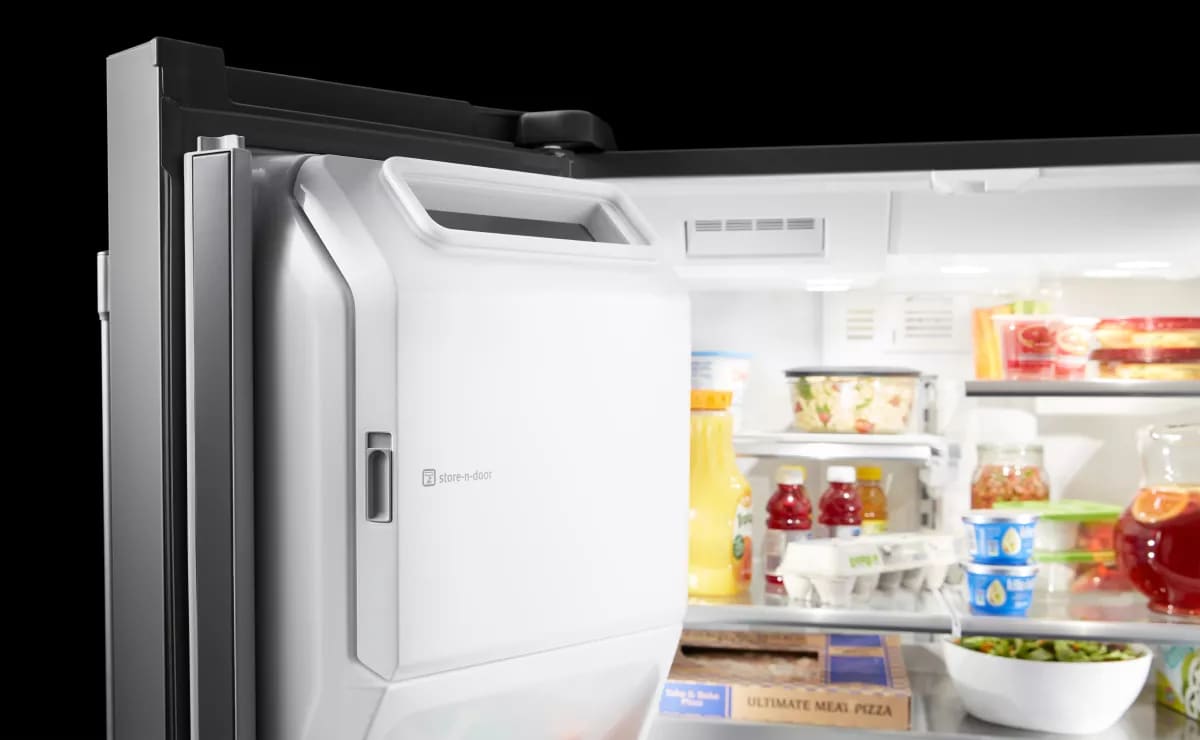
Technological advancements have transformed refrigerator ice makers from simple mechanical devices into smart, energy-efficient appliances. These improvements make your kitchen more convenient and eco-friendly. Understanding these changes helps you choose the right ice maker for your needs and lifestyle.
Smart Ice Makers
Smart ice makers connect to your home Wi-Fi, allowing you to control ice production from your smartphone. Imagine setting your ice maker to start before a party, so you never run out of ice. Some models even monitor ice levels and alert you when the bin is full or needs cleaning.
These smart features save you time and hassle. You can customize ice size and shape, fitting your drink preferences perfectly. Plus, integration with voice assistants means you can ask your device to start or stop ice making without lifting a finger.
Energy Efficiency Improvements
Modern ice makers use less electricity by optimizing freeze cycles and improving insulation. This means you get plenty of ice without spiking your energy bills. Some units use advanced sensors to detect when ice is needed, reducing unnecessary energy use.
Energy-efficient ice makers also produce less water waste during the freezing process. If you’re concerned about your environmental impact, these models help lower your household’s carbon footprint. Have you checked if your current ice maker is costing more than it should?
Credit: www.maytag.com
Common Issues And Troubleshooting
Refrigerator ice makers can face common problems that affect their performance. Knowing these issues helps in quick fixes. Troubleshooting saves time and prevents bigger damage.
Ice Maker Not Making Ice
Check if the ice maker is turned on. A power cut or switch off can stop ice production. Make sure the water supply is connected and turned on. Low water pressure can block ice formation. Inspect the water filter and replace it if clogged. A dirty filter reduces water flow. The freezer temperature should be below 32°F (0°C) for ice to form. Warm temperatures stop ice making. Check for any ice jams blocking the ejector arm. Clear any ice buildup carefully. Reset the ice maker by turning it off and on again to restart the cycle.
Ice Tastes Or Smells Bad
Old ice can absorb odors from the freezer. Regularly empty the ice bin and clean it with mild soap. Replace the water filter every six months or as recommended. A dirty filter can cause bad taste. Use fresh, clean water to ensure better ice quality. Keep food sealed to prevent smells transferring to ice. Clean the freezer regularly to avoid mold and mildew. Avoid storing strong-smelling food near the ice maker.
Ice Maker Leaking Water
Check if the water line is connected properly. Loose or damaged tubes can cause leaks. Inspect the water inlet valve for cracks or wear. Replace if damaged. Ensure the ice maker is level to avoid water spilling. Look for cracks in the ice mold or tray. A broken tray can leak water inside the freezer. Clear any blockages in the drain hole to allow melted water to flow out. Use a towel to dry any water spills promptly to avoid ice buildup.
Maintenance Tips
Keeping your refrigerator ice maker in top shape is key to enjoying fresh, clean ice without interruption. Regular maintenance not only prevents common issues but also extends the life of your appliance. Here are some essential tips to help you maintain your ice maker efficiently and avoid unexpected breakdowns.
Regular Cleaning
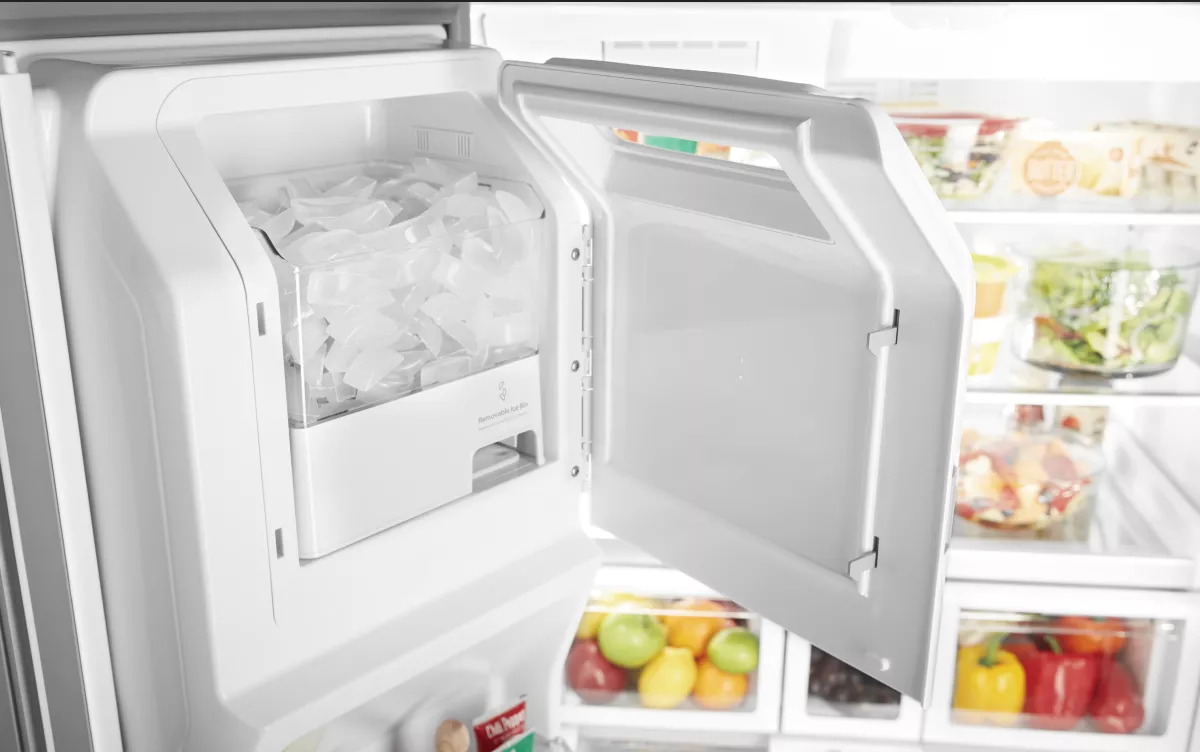
Cleaning your ice maker regularly prevents mineral buildup and bacteria growth. Start by unplugging the refrigerator and removing the ice bin. Wash the bin with warm, soapy water and rinse thoroughly.
Wipe down the ice maker’s interior surfaces with a mixture of water and vinegar or a mild cleaning solution. This keeps the ice tasting fresh and avoids unpleasant odors. How often do you clean the ice bin? Making it a monthly habit can save you from bigger problems later.
Inspecting Water Lines
Water lines deliver the supply needed to make ice, so they must be clear and intact. Check for any kinks, leaks, or blockages that could disrupt water flow. Sometimes, a tiny clog can cause your ice maker to stop working altogether.
Feel the lines for any cold spots or cracks, especially behind the fridge where they’re harder to see. Replacing damaged lines promptly ensures your ice maker keeps producing ice without interruption. When was the last time you gave your water lines a close look?
Replacing Water Filters
Water filters trap impurities that affect ice quality and machine performance. Most manufacturers recommend replacing filters every six months, but this can vary based on your water quality. A clogged filter slows water flow and can cause your ice to be cloudy or taste off.
Look for indicators on your fridge or in the manual to know when it’s time for a new filter. Keep a spare filter handy so you can swap it out quickly. Have you noticed any change in ice taste or production? It might be filter time.
Credit: www.whirlpool.com
Frequently Asked Questions
How Does A Refrigerator Ice Maker Work?
A refrigerator ice maker uses water from the supply line. It fills a mold, freezes the water, then ejects ice cubes automatically. A thermostat signals when to start and stop the freezing cycle for consistent ice production.
Why Is My Ice Maker Not Making Ice?
Common causes include a frozen water line, clogged filter, or faulty water inlet valve. Check the water supply and replace filters regularly. Also, ensure the freezer temperature is set correctly, typically between 0°F and 5°F.
How Often Should I Clean My Ice Maker?
Clean your ice maker every 3 to 6 months. Regular cleaning prevents mold, bacteria, and mineral buildup, ensuring fresh and safe ice. Use a mixture of water and vinegar or a manufacturer-recommended cleaner for best results.
Can Ice Makers Produce Different Ice Cube Sizes?
Yes, many modern ice makers allow you to select different cube sizes. This feature lets you choose small, medium, or large cubes based on your preference or beverage type. Check your refrigerator’s manual for size adjustment options.
Conclusion
Refrigerator ice makers use water, cold temperatures, and timing. Water flows into trays, freezes, then ice drops into a bin. Sensors tell the machine when to stop making ice. Keeping the ice maker clean helps it work well. Understanding how it works can save time and money.
Next time you grab ice, you’ll know the simple process inside. Easy, smart, and helpful in everyday life.