If you’ve ever cooked with a cast iron grill pan, you know it can make your meals taste amazing. But to get the best results, you need to season your pan properly.
Seasoning your cast iron grill pan isn’t just a one-time task—it’s what keeps your pan non-stick, rust-free, and ready for every delicious meal you want to create. Wondering how to do it right? Keep reading, and you’ll discover simple steps that will transform your cooking experience and make your pan last for years to come.
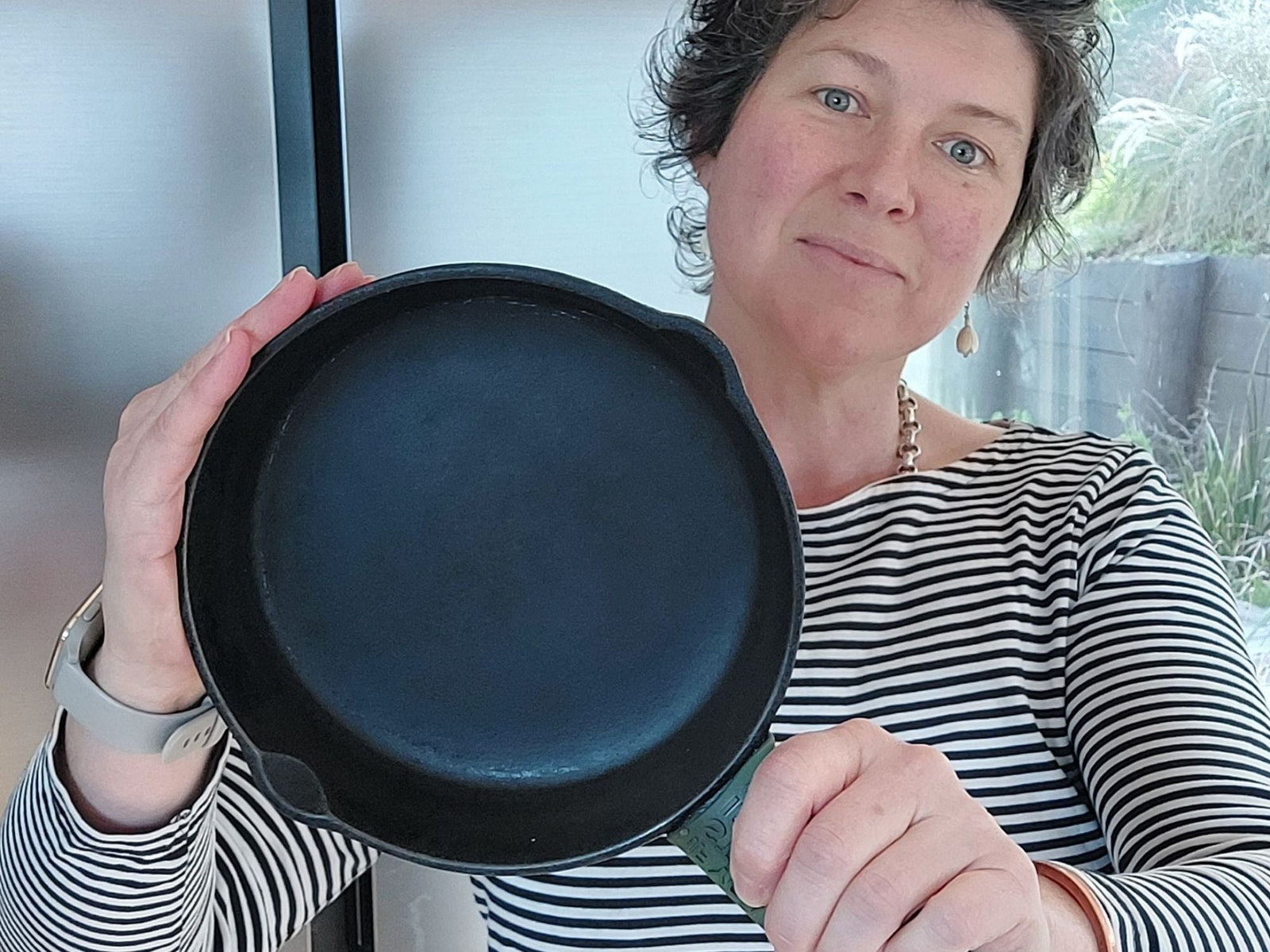
Credit: figgyandco.co.nz
Why Season A Cast Iron Grill Pan
Seasoning a cast iron grill pan is essential for its performance and durability. It creates a natural, non-stick surface that improves cooking. The process also protects the pan from rust and damage. Without seasoning, the pan can become sticky and hard to clean. Knowing why to season your cast iron grill pan helps maintain its quality for years.
Benefits Of Proper Seasoning
- Creates a smooth, non-stick cooking surface
- Prevents food from sticking and burning
- Protects the pan from rust and corrosion
- Improves heat distribution and retention
- Makes cleaning easier and quicker
- Increases the pan’s lifespan significantly
What Happens Without Seasoning
Without seasoning, the pan’s surface is rough and porous. Food sticks easily, making cooking frustrating. The pan is vulnerable to rust from moisture. Cleaning becomes harder and can damage the surface. The grill marks won’t be as clear or even. Over time, the pan’s metal can degrade and warp. Proper seasoning is key to avoiding these issues.

Credit: m.youtube.com
Choosing The Right Oil
Choosing the right oil is crucial for seasoning your cast iron grill pan effectively. The oil you pick impacts the durability of the seasoning layer and how well your pan performs during cooking. Not all oils handle high heat the same way, so knowing which ones to use can save you from sticky or uneven seasoning.
Best Oils For High Heat
Look for oils with a high smoke point to create a strong, lasting seasoning. These oils can handle the high temperatures needed without breaking down or producing off-flavors.
- Flaxseed oil:It polymerizes well, forming a tough, durable coating. Many experts swear by it for cast iron seasoning.
- Grapeseed oil:With a smoke point around 420°F (216°C), it’s stable and won’t burn easily.
- Avocado oil:This oil has one of the highest smoke points, about 520°F (271°C), making it ideal for seasoning.
- Canola oil:Affordable and readily available, it has a decent smoke point around 400°F (204°C).
Have you noticed how some oils leave a sticky residue? Choosing the right one can prevent that problem and help your pan develop a smooth, non-stick surface over time.
Oils To Avoid
Some oils seem healthy or popular but don’t work well for seasoning because they have low smoke points or don’t polymerize properly.
- Extra virgin olive oil:Its smoke point is too low (around 375°F/190°C), causing it to break down and create a sticky, uneven layer.
- Butter or margarine:These contain milk solids and water, which burn and ruin the seasoning process.
- Vegetable oils with additives:Oils mixed with flavorings or preservatives can interfere with seasoning quality.
Have you ever seasoned your pan only to find the surface sticky or patchy? Using oils that don’t withstand heat well is often why. Pick your oil carefully to avoid frustration and get a reliable, smooth finish every time.
Preparing Your Grill Pan
Preparing your cast iron grill pan properly is key to achieving a smooth, non-stick surface that lasts for years. Before seasoning, your pan needs to be clean and free of any old oils or rust. Taking the time to get it right here will save you frustration and improve your cooking experience.
Cleaning Before Seasoning
Start by washing your grill pan with warm water and a mild dish soap. Use a stiff brush or non-metal scrubber to remove dirt and leftover food bits. Avoid soaking the pan for long periods; cast iron doesn’t like excess water.
After cleaning, dry your pan thoroughly with a towel or by heating it on the stove for a few minutes. Moisture left on the surface can cause rust, which will ruin your seasoning efforts. A dry, clean pan sets the perfect stage for seasoning.
Removing Rust And Residue
If your grill pan has rust spots or sticky residue, you’ll need to tackle those before seasoning. Use steel wool or a fine abrasive pad to scrub away rust until the metal underneath is visible. This step is crucial—rust will prevent the oil from bonding properly to the surface.
Once the rust is gone, rinse the pan well and dry it completely. If residue remains, try a mixture of coarse salt and water as a gentle scrub to lift stubborn bits. Have you ever skipped this step and noticed your seasoning flaking off? Proper rust and residue removal keeps your cast iron strong and ready for a perfect seasoning layer.
Seasoning Methods
To season a cast iron grill pan, preheat your oven to 375°F. Coat the pan with a thin layer of vegetable oil. Bake it upside down for one hour, allowing it to cool in the oven. This process creates a non-stick surface, enhancing your cooking experience.
Seasoning your cast iron grill pan is a critical step in ensuring its longevity and optimal performance. A well-seasoned pan not only enhances its non-stick properties but also imparts a unique flavor to your dishes. Understanding the different methods of seasoning can help you choose the best technique for your kitchen setup and cooking habits. Let's explore some popular seasoning methods.
Oven Seasoning Technique
This method is ideal for those who prefer a hands-off approach. Start by preheating your oven to 450°F (230°C). Ensure your grill pan is clean and completely dry. Apply a thin, even layer of vegetable oil or melted shortening using a paper towel. Place the pan upside down on the middle oven rack to prevent any oil pooling. Bake for an hour, then let it cool in the oven. This process creates a durable, glossy finish. Have you ever noticed how your grandmother's cast iron always looked pristine? That's the magic of a well-seasoned pan.
Stovetop Seasoning Approach
If you’re short on time, the stovetop method is a quick alternative. Heat your clean, dry pan over medium heat for a few minutes to open its pores. Rub it with a thin layer of oil using a paper towel. Continue heating until the oil begins to smoke, then remove the pan from heat and let it cool. This approach might need frequent repetition, but it's perfect for maintaining your pan’s seasoning between deep cleanings. Ever had a friend boast about their perfectly seasoned pan? Now you can join the club with this straightforward technique.
Using A Grill For Seasoning
Got a backyard grill? Why not use it for seasoning your pan? Preheat the grill to a high temperature. Follow the same oiling procedure as the oven method. Place the pan on the grill, close the lid, and let it cook for an hour. Cool it down naturally. This outdoor method keeps smoke out of your kitchen while providing a robust seasoning layer. Isn't it fascinating how a simple grill can double as a seasoning tool? It’s a great way to multitask while enjoying the outdoors.
Step-by-step Seasoning Process
Seasoning a cast iron grill pan is key for a smooth, non-stick surface. This process builds a protective layer that improves with use. The steps below will guide you through proper seasoning. Follow them carefully for best results.
Applying Oil Evenly
Start with a clean, dry grill pan. Use a cloth or paper towel to spread a thin layer of oil. Choose oils with high smoke points like vegetable or flaxseed oil. Cover every surface, inside and out. Avoid thick layers to prevent sticky spots.
Heating And Cooling Cycles
Preheat your oven to 400°F (200°C). Place the oiled pan upside down on the middle rack. Put a sheet of foil below to catch drips. Bake for one hour to let oil bond with the iron. Turn off the oven and let the pan cool inside.
Repeating For Durability
Repeat the oiling and baking process 2 to 3 times. Each cycle strengthens the seasoning and adds durability. The pan will darken and become smoother with each round. Proper seasoning prevents rust and improves cooking performance.
Maintaining Seasoning Over Time
Maintaining the seasoning on your cast iron grill pan is essential to keep it performing well and looking great. Seasoning acts like a natural non-stick layer, but it needs your attention to stay effective. How you care for your pan after each use can make a huge difference in its longevity.
Cleaning After Each Use
Cleaning your cast iron grill pan doesn’t mean scrubbing it with soap every time. Instead, use hot water and a stiff brush or non-metal scrubber to remove food bits.
If there’s stubborn residue, sprinkle coarse salt and scrub gently. Avoid soaking your pan or using harsh detergents, as this can strip away the seasoning.
Dry the pan completely with a towel or by warming it on the stove. Moisture is the enemy of seasoning and can cause rust quickly.
Touch-up Seasoning Tips
Do you notice dull spots or food sticking more than usual? It might be time to touch up your seasoning.
- After cleaning and drying, apply a thin layer of vegetable oil or flaxseed oil all over the pan’s surface.
- Heat the pan on the stove or in the oven at around 350°F (175°C) for about an hour.
- Let it cool naturally before storing it away.
Even a quick touch-up after several uses can keep your pan’s surface slick and durable.
Avoiding Common Mistakes
Are you accidentally damaging your seasoning without realizing it? Watch out for these common errors:
- Using soap or dishwasher – these break down the seasoning layer.
- Leaving the pan wet – moisture causes rust and weakens seasoning.
- Overheating empty pan – extreme heat can burn off seasoning.
- Cooking acidic foods often – tomatoes or vinegar can erode seasoning if cooked frequently.
Recognizing these pitfalls helps you protect your pan’s seasoning and get the best cooking results every time.
Troubleshooting Seasoning Issues
Seasoning a cast iron grill pan can sometimes be tricky, and you might face issues like sticky surfaces or peeling layers. These problems can be frustrating, especially after investing time in building up a good seasoning. Understanding why these issues happen and how to fix them will help you keep your pan in perfect cooking condition.
Dealing With Sticky Surfaces
A sticky surface usually means too much oil was applied during seasoning or the oil didn’t fully polymerize. If your pan feels tacky after cooling, try heating it longer at a higher temperature to harden the oil layer.
Another cause can be using oils with low smoke points. Oils like olive oil can stay sticky if not heated enough. Instead, use flaxseed, grapeseed, or vegetable oil for a better, harder coating.
Have you checked if you’re wiping off excess oil before heating? Leaving too much oil pools can cause stickiness. Always apply a thin, even layer and wipe off the rest before putting the pan in the oven.
Removing Flaky Or Peeling Layers
Flaky seasoning happens when layers build up too fast or are not properly bonded to the pan’s surface. If your seasoning peels off like flakes, it might be time to strip it down and start fresh.
Use a gentle scrub with steel wool or a mild abrasive cleaner to remove the loose layers. After that, dry the pan thoroughly and season it again using thin layers of oil baked at the right temperature.
Also, avoid cooking acidic foods like tomatoes on new seasoning, as acid can break down the layer. Are you letting your pan cool naturally after seasoning? Sudden temperature changes can weaken the seasoning and cause peeling.
Enhancing Flavor With Seasoning
Enhancing the flavor of your meals starts long before the food hits the grill pan. Seasoning your cast iron grill pan plays a crucial role in creating delicious, well-cooked dishes. It not only protects the pan but also adds a unique depth to the taste of your grilled food.
How Seasoning Affects Taste
Seasoning creates a natural non-stick surface on your cast iron grill pan. This means your food cooks evenly without sticking, which helps develop a better sear and richer flavor.
As oil bonds to the pan's surface, it forms a protective layer that prevents metallic tastes from transferring to your food. Have you ever noticed how a well-seasoned pan gives steaks that perfect crust? That’s the seasoning at work, enhancing both texture and taste.
Building A Flavorful Patina
Patina is the dark, shiny coating that builds up on your pan over time. It’s formed by layers of polymerized oil that improve the pan’s cooking performance and flavor output.
Each time you season your pan, you add to this flavorful patina. Think of it as a seasoning habit—regular care makes your grill pan better with every use.
- Use a high-smoke point oil like flaxseed or grapeseed for a durable layer.
- Apply thin coats of oil, wiping away excess to avoid sticky buildup.
- Heat the pan at the right temperature to bond the oil effectively.
Have you ever tasted food grilled on a rusty or poorly seasoned pan? The difference is clear. Your seasoning routine directly shapes the taste experience you and your guests will enjoy.

Credit: www.reddit.com
Frequently Asked Questions
How Do I Start Seasoning A Cast Iron Grill Pan?
Begin by cleaning your grill pan with warm water and mild soap. Dry it completely. Apply a thin layer of vegetable oil, then heat the pan in the oven at 375°F for one hour. Let it cool before use.
What Type Of Oil Is Best For Seasoning?
Use oils with a high smoke point like flaxseed, grapeseed, or vegetable oil. These oils create a durable, non-stick coating that improves over time with regular use and seasoning.
How Often Should I Season My Cast Iron Grill Pan?
Season your grill pan after every few uses or when food starts sticking. Regular seasoning maintains its non-stick surface and prevents rust, ensuring long-term durability.
Can I Season My Cast Iron Grill Pan On The Stove?
No, seasoning is best done in the oven for even heat distribution. Stove-top seasoning may cause uneven coating and less effective seasoning results.
Conclusion
Seasoning a cast iron grill pan keeps it non-stick and rust-free. Use oil with a high smoke point and heat the pan well. Repeat the process to build a strong, smooth coating. Clean the pan gently after each use, avoiding soap or harsh scrubbing.
Proper care helps your pan last for years. Enjoy cooking with better flavor and easy cleanup. Simple steps make a big difference. Keep seasoning regularly to protect your cast iron grill pan. Your meals will taste better every time.