Are you ready to make a juicy, perfectly cooked chicken that will impress everyone at your table? Roasting a chicken in your convection oven is easier than you think, and it can give you crispy skin and tender meat every time.
Whether you’re a beginner or just want to improve your cooking skills, this guide will show you exactly how to roast a chicken in a convection oven. Keep reading, and you’ll discover simple tips and tricks that make your chicken delicious and your cooking stress-free.

Credit: www.convectionkitchen.com
Choosing The Right Chicken
Choosing the right chicken sets the stage for a perfectly roasted meal in your convection oven. The quality and type of chicken you pick will influence cooking time, flavor, and texture. Understanding what to look for helps you avoid common pitfalls like uneven cooking or dry meat.
Selecting Fresh Or Frozen
Fresh chicken often offers better flavor and texture, but it requires quick use to avoid spoilage. If you choose frozen, make sure it’s fully thawed before roasting to ensure even cooking. Have you noticed how thawing chicken slowly in the fridge keeps it juicier than rushing the process?
Frozen chickens are convenient and sometimes more affordable, but they need extra planning. Avoid microwaving to thaw as it can start cooking the edges prematurely. Instead, plan ahead and let your chicken thaw overnight in the refrigerator.
Size And Weight Considerations
The size of the chicken affects roasting time and how heat circulates in your convection oven. Smaller chickens (around 3 to 4 pounds) roast evenly and are perfect for a quick dinner. Larger birds take longer and may need to be rotated or tented with foil to prevent drying out.
Think about how many people you’re feeding and the oven space available. A 5-pound chicken might be ideal for a family of four, but if you’re cooking for two, a smaller bird saves time and reduces leftovers. Have you ever struggled with a chicken that didn’t fit well in your oven or took too long to cook?

Credit: m.youtube.com
Preparing The Chicken
Preparing the chicken well sets the foundation for a juicy, flavorful roast. Taking time on cleaning, seasoning, and trussing ensures even cooking. These simple steps help the chicken cook perfectly in a convection oven.
Cleaning And Patting Dry
Start by rinsing the chicken under cold water. Remove any leftover feathers or giblets inside the cavity. Pat the chicken dry with paper towels. Dry skin crisps better in the convection oven. Make sure the chicken is completely dry before moving on.
Seasoning And Marinating Tips
Season the chicken inside and out with salt and pepper. Use herbs like rosemary or thyme for extra flavor. Rub olive oil or melted butter on the skin. This helps the seasoning stick and browns the skin. For deeper flavor, marinate the chicken for at least one hour. Use lemon juice, garlic, and herbs in the marinade. Avoid overpowering spices to keep the taste balanced.
Trussing For Even Cooking
Trussing ties the legs and wings close to the body. This helps the chicken cook evenly and keeps it moist. Use kitchen twine to tie the legs together. Tuck the wing tips under the body to prevent burning. Trussing also gives the chicken a nice shape for roasting.
Setting Up The Convection Oven
Setting up your convection oven correctly is key to roasting chicken perfectly. This ensures even cooking and crisp skin. Each step in preparation affects the final taste and texture.
Optimal Temperature Settings
Set the oven temperature to 375°F (190°C) for roasting chicken. This temperature cooks the chicken evenly. It helps the skin become crispy without drying the meat inside.
Convection ovens cook faster. Reduce the temperature by 25°F compared to a regular oven. Check the chicken early to avoid overcooking.
Rack Positioning
Place the oven rack in the middle. This allows hot air to circulate around the chicken. Even air flow cooks the chicken on all sides.
Avoid placing the chicken too close to the heating element. This prevents burning the skin before the inside is done.
Using A Roasting Pan Or Rack
Use a roasting pan with a rack inside. The rack lifts the chicken. Hot air moves underneath for even cooking.
If no rack is available, turn the chicken occasionally. This helps brown the skin evenly on all sides.
Roasting Techniques
Roasting a chicken in a convection oven cooks it evenly and quickly. Set the oven to 375°F and roast until the skin is golden and juices run clear. Let the chicken rest before slicing for juicy, tender meat.
Roasting a chicken in a convection oven can create juicy and flavorful results. The fan in a convection oven circulates hot air, cooking the chicken evenly. This method can also reduce cooking time, making it efficient. Mastering a few techniques ensures a perfect roast.
Calculating Cooking Time
Determine the chicken's weight first. A general rule is 10 minutes per pound. For a 4-pound chicken, plan for about 40 minutes. Use a meat thermometer to ensure accuracy. Aim for an internal temperature of 165°F.
Basting For Moisture
Basting keeps the chicken moist. Use a spoon or brush to coat it with juices. Do this every 15 to 20 minutes. This adds flavor and prevents dryness. Consider using melted butter or olive oil for extra taste.
Checking Doneness
Ensure the chicken is fully cooked. Insert a meat thermometer into the thickest part. The temperature should read 165°F. Check the juices; they should run clear. Pink juices mean it needs more time.
Achieving Crispy Skin
Achieving crispy skin on a roasted chicken is a goal for many home cooks. The convection oven helps by circulating hot air, which dries out the skin and makes it crisp. Some key techniques can improve this effect even more. These simple steps turn ordinary chicken skin into a golden, crunchy delight.
Dry Brining Method
Dry brining involves sprinkling salt on the chicken and letting it rest. Salt draws moisture from the skin, then it reabsorbs it, making the skin drier and more flavorful. Leave the chicken uncovered in the fridge for several hours or overnight. This dries the skin, helping it crisp better in the oven.
Using High Heat At The End
Roast the chicken at a moderate temperature first to cook it through. Then raise the oven heat to 425°F (220°C) in the last 10-15 minutes. The high heat crisps the skin without overcooking the meat. Watch closely to prevent burning. This technique creates a nicely browned, crunchy skin.
Applying Oil Or Butter
Coating the chicken skin with oil or butter helps crisp it. Use a brush to spread a thin layer over the entire surface. Oil encourages even browning and prevents the skin from drying out too fast. Butter adds flavor and helps the skin turn golden. Choose your fat based on taste preference.
Resting And Serving
After roasting your chicken in a convection oven, the final moments before serving are just as crucial as the cooking process. Resting and serving ensure your chicken remains juicy, flavorful, and impressive at the table. How you handle these steps can truly elevate your meal experience.
Resting Time Importance
Let your chicken rest for at least 10 to 15 minutes after taking it out of the oven. This pause allows the juices to redistribute evenly throughout the meat. Without resting, cutting into the chicken too soon will cause all those flavorful juices to spill out, leaving the meat dry.
Think about the last time you rushed to slice a roast right away—did it seem less juicy? Giving the chicken this downtime makes a noticeable difference in texture and taste.
Carving Tips
Use a sharp carving knife and a stable cutting board to make clean, precise cuts. Start by removing the legs and thighs, then move to the wings, and finally slice the breast meat against the grain for tenderness.
Keep the chicken steady with a fork or tongs and slice thinly to make it easier to serve and eat. Remember, carving properly not only looks appealing but also helps maintain the juiciness of each piece.
Serving Suggestions
- Serve your roasted chicken with roasted vegetables or a fresh green salad for balance.
- Offer dipping sauces like garlic aioli, honey mustard, or a simple gravy to add extra flavor.
- Pair with warm, crusty bread or fluffy mashed potatoes to complete the meal.
Have you tried serving your chicken alongside unexpected sides like grilled peaches or a spicy slaw? These can bring a delightful twist that surprises your guests and enhances the overall experience.
Troubleshooting Common Issues
Roasting a chicken in a convection oven can sometimes lead to unexpected challenges. You might find the meat too dry, the cooking uneven, or the skin not as crispy as you hoped. Understanding common issues and how to fix them will help you get a perfect roast every time.
Avoiding Dry Meat
Dry chicken is often the result of overcooking or too high a temperature. Try lowering the oven temperature by 25°F compared to a traditional oven recipe and check the chicken’s internal temperature with a meat thermometer. Aim for 165°F in the thickest part of the bird to keep it juicy.
Brining your chicken before roasting can also make a big difference. Even a quick 30-minute soak in a saltwater solution helps the meat retain moisture during cooking. Have you ever noticed how brined chicken stays tender longer?
Preventing Uneven Cooking
Convection ovens circulate hot air, but sometimes the chicken can cook unevenly if it's too close to one heat source. Place your chicken on a rack in the center of the oven to allow air to circulate evenly around it. Rotating the pan halfway through cooking helps avoid hot spots.
Trussing the chicken tightens the legs and wings, ensuring it cooks more uniformly. If you skip this step, those parts might cook faster and dry out. Are you giving your chicken enough space to breathe in the oven?
Fixing Soggy Skin
Soggy skin is a common complaint with convection roasting, especially if the chicken is covered or the skin is moist. Pat the skin dry with paper towels before seasoning and roasting. Moisture on the surface turns to steam and prevents crisping.
Try roasting the chicken uncovered and at a higher temperature for the last 10-15 minutes to crisp the skin. Avoid basting the skin with juices during cooking, as this adds moisture. How often do you let your chicken rest after roasting? Resting helps the skin stay crisp while the juices settle inside the meat.
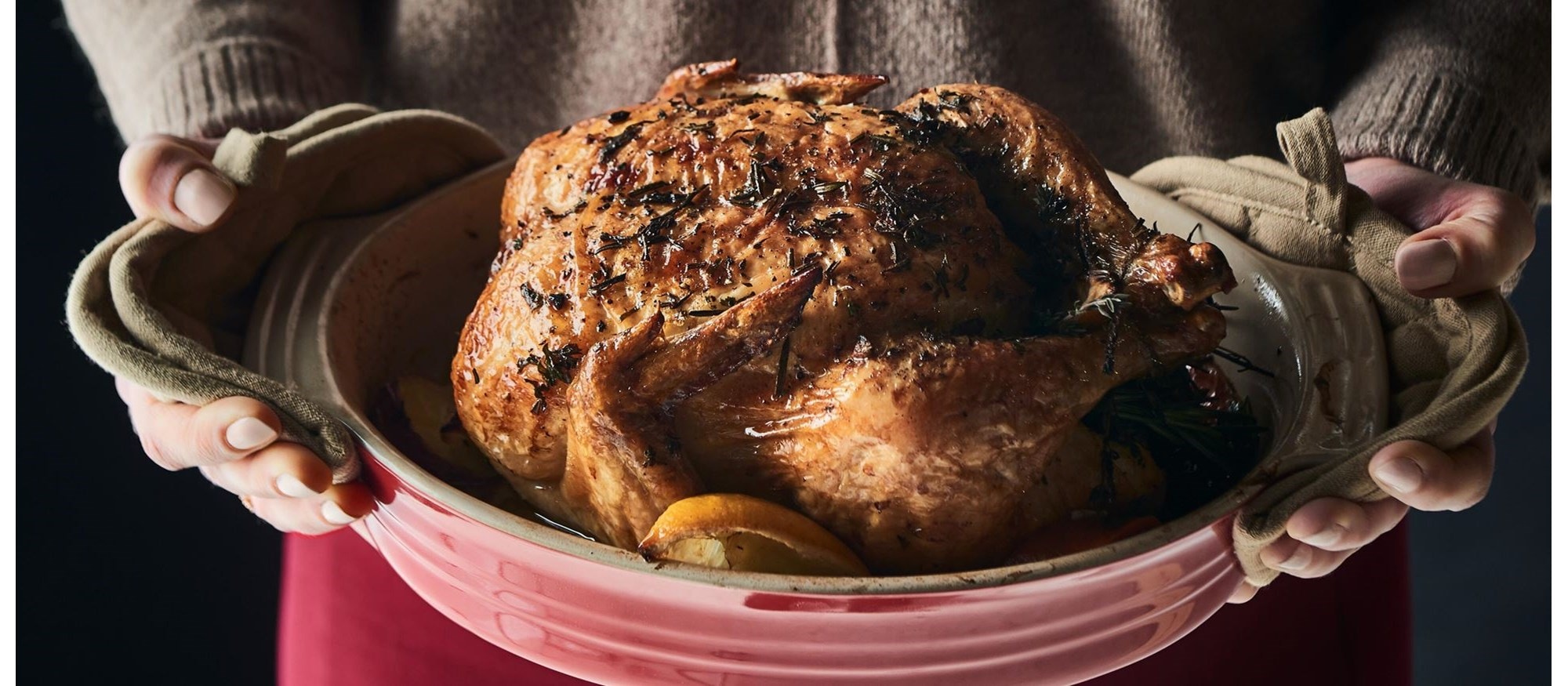
Credit: www.subzero-wolf.com
Frequently Asked Questions
How Long To Roast Chicken In Convection Oven?
Roast a whole chicken at 375°F for 20 minutes per pound. Check internal temperature reaches 165°F for safe consumption. Cooking time varies by chicken size and oven model. Use a meat thermometer for accuracy and perfect doneness every time.
Should I Reduce Temperature For Convection Roasting?
Yes, reduce the recipe’s temperature by 25°F when using a convection oven. This prevents overcooking and ensures even roasting. The fan circulates hot air, cooking food faster than conventional ovens. Adjusting temperature helps maintain juiciness and crisp skin.
How To Keep Chicken Skin Crispy In Convection Oven?
Pat chicken dry before roasting to remove moisture. Apply oil or butter evenly on the skin. Use high heat towards the end of cooking for crispiness. The convection fan helps circulate hot air, enhancing the skin’s crunch.
Can I Roast Stuffed Chicken In Convection Oven?
Yes, but adjust cooking time and check stuffing temperature. Ensure stuffing reaches 165°F to avoid foodborne illness. Convection ovens cook faster, so monitor closely. Consider loosely covering chicken with foil to prevent over-browning.
Conclusion
Roasting chicken in a convection oven is simple and quick. The hot air cooks the bird evenly and crisps the skin nicely. Use a thermometer to check the chicken’s temperature for safety. Let the chicken rest a few minutes before cutting.
This helps keep the meat juicy and tender. Try different seasonings to find your favorite flavor. Enjoy a delicious meal with less effort and great taste. Now, you can confidently roast a chicken anytime you want.