Have you ever burnt sugar in your saucepan and felt stuck, unsure how to clean it without scrubbing for hours? It’s frustrating when that sticky, burnt layer just won’t come off, and you worry about damaging your pan.
But don’t worry—removing burnt sugar is easier than you think. You’ll discover simple, effective methods to restore your saucepan to its shiny, clean state. Keep reading, because by the end, your pan will look as good as new—and you’ll save time and effort in the kitchen.

Credit: www.youtube.com
Causes Of Burnt Sugar
Burnt sugar in a saucepan happens for a few common reasons. Knowing these helps prevent it next time. Sugar burns quickly because it melts and then caramelizes at high heat. If left too long, it turns bitter and sticks to the pan.
Burnt sugar can ruin the taste of your dish and make cleaning hard. Here are the main causes that lead to burnt sugar in your saucepan.
High Heat Cooking
Cooking sugar on very high heat causes it to burn fast. Sugar melts and caramelizes but can easily go past the right point. This creates a burnt, bitter taste.
Not Stirring Enough
Sugar needs to be stirred often to cook evenly. Without stirring, some parts burn while others stay uncooked. This uneven heat causes sugar to stick and burn.
Using The Wrong Pan
Thin or low-quality pans heat unevenly. Hot spots form and cause sugar to burn in certain areas. A heavy, thick pan helps spread heat better.
Leaving Sugar Unattended
Sugar cooks quickly and needs attention. Leaving it alone for too long lets it burn. Constant watching stops sugar from going from caramel to burnt.
Adding Cold Ingredients Suddenly
Pouring cold liquid into hot sugar can cause it to seize and burn. The sudden temperature change affects sugar’s texture and cooking process.

Credit: food52.com
Immediate Steps After Burning
Burning sugar in a saucepan can be frustrating, but how you act immediately after can make a big difference in cleanup. Taking quick and careful steps helps prevent the burnt sugar from hardening further and damaging your pan. Your actions within the first few minutes set the stage for an easier removal process.
Cool The Pan Slightly Before Cleaning
Allow the saucepan to cool down just enough so it’s safe to handle but still warm. If you try to clean it while it’s too hot, you risk burns or warping the pan’s surface. Warm sugar is softer and easier to remove than completely hardened burnt sugar.
Fill The Pan With Warm Water
Add warm water directly into the burnt pan. The water should be hot enough to loosen the sugar but not boiling to avoid splashing. Let it sit for at least 15 to 30 minutes to soften the burnt residue.
Gently Scrape With A Wooden Or Silicone Tool
Use a wooden spoon or silicone spatula to gently scrape off the softened sugar. Avoid metal utensils as they can scratch your pan. This process takes patience, but it helps lift burnt bits without damaging your cookware.
Avoid Using Harsh Chemicals Immediately
Resist the urge to apply strong cleaning agents right away. Many commercial cleaners can be harsh on your pan’s finish, especially when combined with heat. Start with simple water and gentle scrubbing to protect your pan’s surface.
Consider Soaking Overnight If Needed
If the burnt sugar is stubborn, fill the pan with warm soapy water and let it soak overnight. This gives the sugar time to break down naturally. You’ll find scraping easier the next day, reducing elbow grease.
Soaking Methods
Soaking your saucepan is one of the easiest ways to loosen burnt sugar and make cleaning less of a chore. It softens the stubborn residue, reducing the need for harsh scrubbing that can damage your cookware. Choosing the right soaking method can save you time and effort while preserving your saucepan’s surface.
Using Hot Water And Dish Soap
Fill the saucepan with hot water, enough to cover the burnt sugar layer completely. Add a few drops of dish soap to the water, then let it sit for at least 30 minutes. The heat and soap work together to break down the sugar’s tough, sticky texture.
After soaking, try gently scraping the residue with a wooden spoon or non-abrasive scrubber. If some burnt sugar remains, repeat the soaking process. This simple approach is great for light to moderate burns and avoids harsh chemicals.
Vinegar And Baking Soda Soak
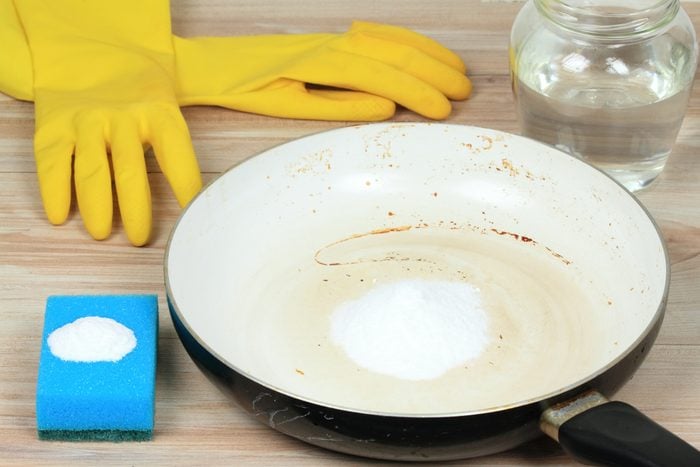
This method uses natural ingredients that react to lift burnt sugar effectively. Pour about one cup of white vinegar into the saucepan and bring it to a gentle boil on the stove. The acidity helps dissolve the burnt sugar, making it easier to remove.
Remove the pan from heat and add two tablespoons of baking soda. Expect fizzing—that’s the reaction working to loosen the burnt bits. Let it sit for 15-20 minutes, then scrub gently and rinse thoroughly.
Have you ever wondered why vinegar and baking soda work so well together? It’s the bubbling action that breaks up tough stains without damaging your pan. This soak is perfect for tougher burnt sugar layers and leaves your saucepan fresh.
Scrubbing Techniques
Scrubbing burnt sugar off a saucepan can feel like a tough job, but the right scrubbing techniques make a big difference. Choosing the correct tools and methods helps you clean effectively without damaging your cookware. Let’s look at how to scrub away burnt sugar carefully and efficiently.
Gentle Scrubbing Tools
Using gentle scrubbing tools is essential to protect your saucepan’s surface. Soft sponges, nylon scrubbers, or silicone brushes work well to remove burnt sugar without harsh abrasion.
Steel wool or metal scrubbers might seem tempting for tough stains, but they often scratch and ruin the finish. Instead, try soaking the pan first to loosen the burnt sugar, then use a soft scrubber to wipe it away.
Have you noticed how a simple nylon scrubber can sometimes remove stubborn spots better than aggressive scrubbing? It’s all about letting the tool work with the residue, not against it.
Avoiding Scratches
Scratches on your saucepan don’t just look bad—they can affect cooking performance and hygiene. Avoid using abrasive materials on non-stick or coated pans to keep them smooth and safe.
Test your scrubbing tool on a small, hidden area before tackling the entire pan. This practice saves your cookware from irreversible damage.
Remember, scrubbing with too much force often causes scratches. Instead, apply gentle pressure and give the cleaning agents time to soften the burnt sugar. This approach protects your pan and makes cleanup easier over time.
Boiling Cleaning Solutions
Boiling cleaning solutions can help tackle burnt sugar in a saucepan. Fill the pan with water and a splash of vinegar. Boil for several minutes to loosen the sugar.
Burnt sugar sticking stubbornly to your saucepan can feel like a culinary nightmare. Thankfully, boiling cleaning solutions offer a simple and effective way to tackle this sticky mess. Imagine your saucepan sparkling clean, ready for your next cooking adventure. If you're tired of scrubbing away at burnt sugar, give these boiling solutions a try. They're not only easy to follow but also use common household ingredients.
Boiling Water And Baking Soda
Start by filling the saucepan with enough water to cover the burnt sugar. Place it on the stove and bring it to a boil. Once boiling, add a few tablespoons of baking soda. You'll witness a fizzing reaction that helps loosen the burnt sugar. Let the mixture boil for several minutes, then turn off the heat. Allow it to cool slightly before using a spatula or wooden spoon to scrape away the residue. Have you ever noticed how baking soda seems to handle the toughest stains? That's because it acts like a gentle abrasive, making cleanup much easier.
Boiling Vinegar Mix
Pour equal parts water and white vinegar into the saucepan, ensuring the burnt sugar is submerged. Heat the mixture until it begins to boil. The acidity of vinegar works wonders in breaking down sugar residues. After boiling for about 10 minutes, remove the saucepan from the heat. Let it cool down, then scrub the pan with a non-abrasive pad. Vinegar not only cleans but also deodorizes, leaving your kitchen smelling fresh. Isn't it surprising how something as simple as vinegar can be so versatile? By using these boiling solutions, you're not just cleaning your cookware—you're also extending its lifespan. Which method will you try first?
Commercial Cleaners
Commercial cleaners can be a powerful solution when dealing with burnt sugar stuck to your saucepan. These products are designed to break down tough residues quickly, saving you time and effort. However, choosing the right cleaner and using it safely is crucial to avoid damaging your cookware or harming yourself.
Choosing The Right Cleaner
Not all commercial cleaners are created equal. Some are specifically formulated for burnt sugar and caramelized residues, while others target grease or mineral buildup. Look for products labeled safe for your type of saucepan, whether it’s stainless steel, non-stick, or cast iron.
Check the ingredients to ensure they contain effective agents like sodium bicarbonate or mild acids, which help dissolve burnt sugar without harsh abrasion. Avoid cleaners with bleach or strong chemicals if your pan has a delicate coating. Have you ever tried a cleaner that left your pan scratched or dull? Picking the right product upfront can prevent that disappointment.
Safety Tips
Commercial cleaners often contain strong chemicals, so protect yourself during use. Wear gloves to prevent skin irritation and ensure you’re working in a well-ventilated area to avoid inhaling fumes. Never mix different cleaners, as this can cause dangerous chemical reactions.
Before applying the cleaner, test a small area of your pan to check for any adverse reactions. Rinse thoroughly after cleaning to remove all residues. Do you really want to risk ingesting leftover chemicals in your next meal? Taking these precautions keeps your kitchen safe and your cookware in top shape.
Preventing Sugar Burn In Future
Preventing burnt sugar in your saucepan is all about mastering control and attention. It’s frustrating to spend time making a sauce only to find a stubborn burnt layer at the bottom. But with a few simple habits, you can keep your pans clean and your sugar perfectly melted every time.
Temperature Control
Keeping your heat at the right level is crucial. Sugar melts and caramelizes quickly, so using medium or low heat helps you avoid sudden burning. Have you ever cranked up the stove hoping for faster results, only to end up with a bitter mess?
Try heating your saucepan gradually. Start low and increase the temperature slowly if needed. This gentle approach gives you more control and reduces the risk of burnt sugar sticking to your pan.
Stirring Tips
Stirring is your best friend when working with sugar. But it’s not just about stirring often; it’s about how you stir. Use a wooden spoon or silicone spatula to scrape the bottom and sides regularly.
Don’t stir too aggressively—that can cause crystallization—but keep the sugar moving enough to prevent it from settling and burning. Have you noticed how a little consistent movement keeps your sauce smooth and your pan clean?
Credit: www.rd.com
Frequently Asked Questions
How Can I Safely Remove Burnt Sugar From A Saucepan?
To safely remove burnt sugar, soak the pan in hot water with dish soap for 30 minutes. Then, gently scrub with a non-abrasive sponge. Avoid harsh tools to protect the pan's surface and prevent scratches.
What Household Ingredients Remove Burnt Sugar Stains?
Use a mixture of baking soda and water or vinegar and water to tackle burnt sugar. These natural cleaners help loosen burnt residue without damaging your saucepan. Apply the paste, let it sit, then scrub gently.
Can Boiling Water Help Clean Burnt Sugar?
Yes, boiling water softens burnt sugar, making it easier to remove. Fill the pan with water, heat it until boiling, then let it cool. Afterward, scrub gently with a sponge to lift the burnt sugar.
Is It Safe To Use Bleach On Burnt Sugar Stains?
No, avoid using bleach as it can damage your saucepan and leave harmful residues. Stick to natural cleaners like baking soda or vinegar for safe, effective burnt sugar removal.
Conclusion
Removing burnt sugar from a saucepan does not have to be hard. Use simple household items like vinegar, baking soda, or hot water. Let them work for a few minutes to loosen the burnt sugar. Scrub gently with a sponge to avoid scratches.
Clean the pan soon after cooking to prevent tough stains. Regular care helps keep your cookware in good shape. Now, your saucepan can look clean and ready for the next meal. Small efforts bring big results in kitchen cleaning.