
Are you wondering if your stove is an induction model but aren’t sure how to tell? Knowing this can change the way you cook and help you make smarter choices in the kitchen.
Your stove’s technology affects everything from heating speed to energy use. You’ll discover simple ways to identify if your stove is induction without any guesswork. By the end, you’ll have the clear answers you need to cook with confidence and get the most out of your kitchen.
Keep reading—you’re just a few steps away from mastering your stove!

Credit: www.artisanwestappliance.com
Identifying Induction Stoves
Identifying induction stoves can be simple with the right tips. These stoves use magnetic energy to heat pots and pans. They look different from gas or traditional electric stoves. Checking some key features helps you know if your stove is induction.
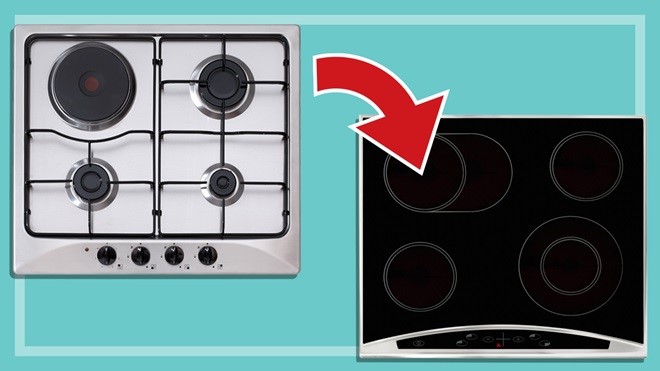
Visual Features To Spot
- Flat, smooth glass or ceramic cooktop surface
- No visible burners or coils like in electric stoves
- Usually black or dark gray with a glossy finish
- Clear outlines or circles showing cooking zones
- Absence of flames or heating elements on the surface
Induction stoves often have a sleek and modern look. Their surface stays cool except under the pot. This is different from electric stoves that glow red when hot.
Control Panel Indicators
- Digital touch controls instead of knobs
- Icons for power levels and timers
- Lights or displays that show heating zones
- Safety lock symbols to prevent accidental use
- Sometimes a “pot detection” indicator
The control panel on induction stoves is usually electronic. It offers precise temperature control. The stove may not work if no suitable pan is on it. This is a unique feature of induction cooking.
Credit: asthma.org.au
Testing With Cookware
Testing your cookware is a simple and effective way to find out if your stove uses induction technology. Since induction stoves require specific types of cookware, the interaction between the stove and your pots or pans can reveal a lot. Let’s dive into how you can quickly check this with items you probably already have in your kitchen.
Magnet Test Method
One of the easiest ways to test if your stove is induction is by using a magnet. Take a small magnet and press it against the bottom of your pan or pot. If the magnet sticks firmly, your cookware is compatible with induction stoves.
Why does this work? Induction stoves use magnetic fields to heat cookware directly, so magnetic materials are essential. If your cookware isn’t magnetic, the stove won’t heat it effectively.
Try this test on different pans to see which ones are induction-ready. This quick check can save you from buying new pots unnecessarily or wondering why your stove isn’t heating properly.
Compatible Cookware Types
Not all cookware works with induction stoves, so it helps to know what types are compatible. Look for:
- Cast iron:Naturally magnetic and works great on induction.
- Stainless steel:Only some types are magnetic, so test with a magnet.
- Enameled cast iron:Also induction-friendly due to its iron core.
Cookware made from aluminum, copper, or glass usually won’t work unless they have a magnetic base layer. Checking your pans first can prevent frustration and ensure you get the best cooking results.
Have you ever tried cooking on a stove that just wouldn’t heat your favorite pan? Testing your cookware now can stop that from happening again.
Power And Heat Characteristics
Understanding the power and heat characteristics helps identify an induction stove. Induction stoves use a unique way to create heat. Their power delivery and heat control differ from traditional stoves. This section explains how these features work and how to spot them.
Heat Generation Process
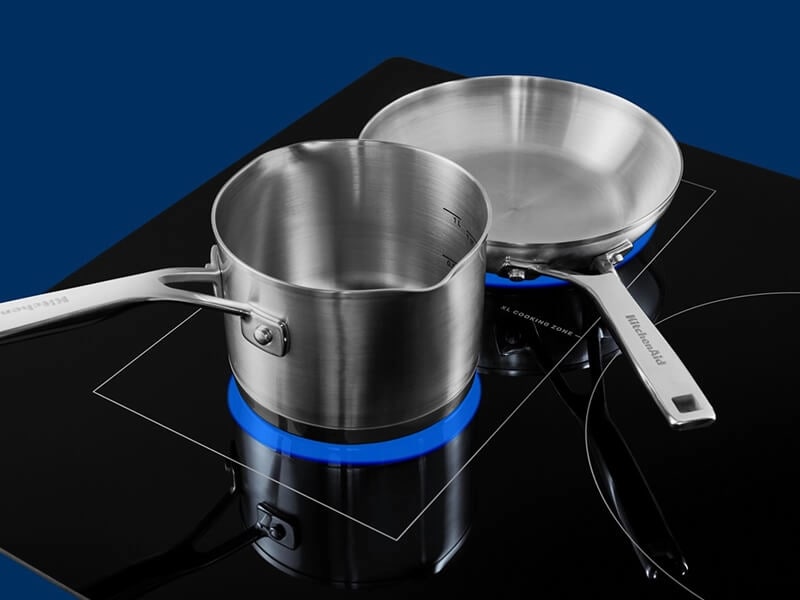
Induction stoves generate heat through magnetic fields. They do not heat the stove surface directly. Instead, the magnetic field causes the cookware to heat up. This process is fast and efficient. The stove surface stays cooler than the cookware. This reduces the risk of burns and saves energy.
Response Time And Temperature Control
Induction stoves react quickly to changes in settings. When you adjust the temperature, the heat changes almost instantly. This allows precise control over cooking. Traditional stoves take longer to heat or cool down. Induction stoves offer better control, making cooking easier and safer.
Credit: www.maytag.com
Checking Manufacturer Details
Check the stove’s label or manual for manufacturer details. These often indicate if the stove uses induction technology. Manufacturer information helps confirm the stove type quickly and easily.
Figuring out if your stove is induction might seem daunting at first, but diving into the manufacturer's details can make the process surprisingly straightforward. Often, the answer lies right beneath your fingertips, within the specifics provided by the manufacturer. By knowing where to look, you can uncover the necessary information with ease and confidence.
Model Number Lookup
Start with the model number of your stove. This unique identifier is usually found on a label or sticker on the appliance itself. Check areas like the back of the stove, inside the oven door, or beneath the cooktop lid. Once you have the model number, a quick online search can reveal detailed specifications. Manufacturer websites or retail platforms often list whether the stove is induction, gas, or electric. This approach not only confirms the type but also provides additional features you might not have been aware of.
User Manual Clues
Don't underestimate the value of the user manual that came with your stove. It’s a treasure trove of information, often detailing the type of cooktop you have. Look for sections that discuss the operation or maintenance of the stove. Check the manual for specific language like "induction," which indicates the technology used. Even if you've misplaced the manual, many manufacturers offer digital copies online, making it easy to access the information you need. By checking these manufacturer details, you can confidently determine if your stove is induction. What unexpected insights have you discovered about your appliances by simply digging a little deeper?
Common Misconceptions
Many people confuse induction stoves with other types of cooktops, leading to frustration when their pots don’t heat as expected. Understanding common misconceptions can save you time and help you identify your stove correctly. Let’s clear up some of these mix-ups so you know exactly what you have in your kitchen.
Induction Vs Ceramic Stoves
Both induction and ceramic stoves have smooth glass tops that look quite similar, which often causes confusion.
However, ceramic stoves generate heat through electrical resistance in the glass surface itself, which then transfers heat to the cookware.
Induction stoves, on the other hand, use magnetic fields to heat only the cookware, not the cooktop. This means the surface stays cooler to the touch compared to ceramic stoves.
One quick test you can try is to touch the stove surface after cooking. If it’s still very hot, it’s likely ceramic. If it’s only warm or cool, your stove might be induction.
Induction Vs Electric Coil
Electric coil stoves are easier to spot because of their visible metal coils that glow red when hot.
Induction stoves have no exposed coils and feature a flat surface, so if you don’t see coils, don’t automatically assume it’s induction—it could be ceramic.
Another point to consider is cookware compatibility. Induction stoves require magnetic pots and pans. If your cookware sticks to a magnet, your stove might be induction.
Have you ever placed a non-magnetic pan on your stove and noticed it didn’t heat up? That’s a strong hint your stove is induction.
Frequently Asked Questions
How Can I Visually Identify An Induction Stove?
An induction stove has a smooth, flat glass surface with no visible coils. It often features touch controls and digital displays. The surface remains cool except where cookware is placed, distinguishing it from traditional electric or gas stoves.
What Cookware Works On An Induction Stove?
Induction stoves require magnetic cookware like cast iron or stainless steel. Non-magnetic materials such as aluminum or glass won’t work unless they have a magnetic base. Testing with a magnet can quickly confirm compatibility.
Does An Induction Stove Heat Differently Than Gas Or Electric?
Yes, induction stoves use electromagnetic energy to heat pots directly. This method heats faster and more efficiently than gas or electric stoves. The surface stays cooler, reducing burns and energy waste.
Can I Test If My Stove Is Induction At Home?
Yes, place a magnet on the stove’s cooking zone. If it sticks firmly, the stove likely uses induction technology. Additionally, induction zones only heat when compatible cookware is detected.
Conclusion
Knowing if your stove is induction helps you cook smarter and safer. Check the surface for a smooth, glass top. Use a magnet on the burner—if it sticks, it’s likely induction. These stoves heat quickly and stay cool around the edges.
Understanding this can save energy and improve your cooking experience. Now, you can make better choices for your kitchen needs. Simple steps like these make a big difference. Trust your senses and tools to identify your stove type easily.


