Are you wondering if your kitchen has an induction cooktop but aren’t quite sure how to tell? Knowing the difference can save you time, energy, and even money.
You might be using one right now without realizing it! This guide will help you quickly identify if your cooktop is induction, so you can make the most of your cooking experience. Keep reading to discover simple signs and tips that will clear up any confusion and help you understand your kitchen better.
Credit: www.maytag.ca
Spotting Induction Cooktops
Spotting an induction cooktop can be simple with the right clues. These cooktops look different from traditional stoves. Knowing what to watch for helps you identify them quickly.
Visual Clues On Your Stove
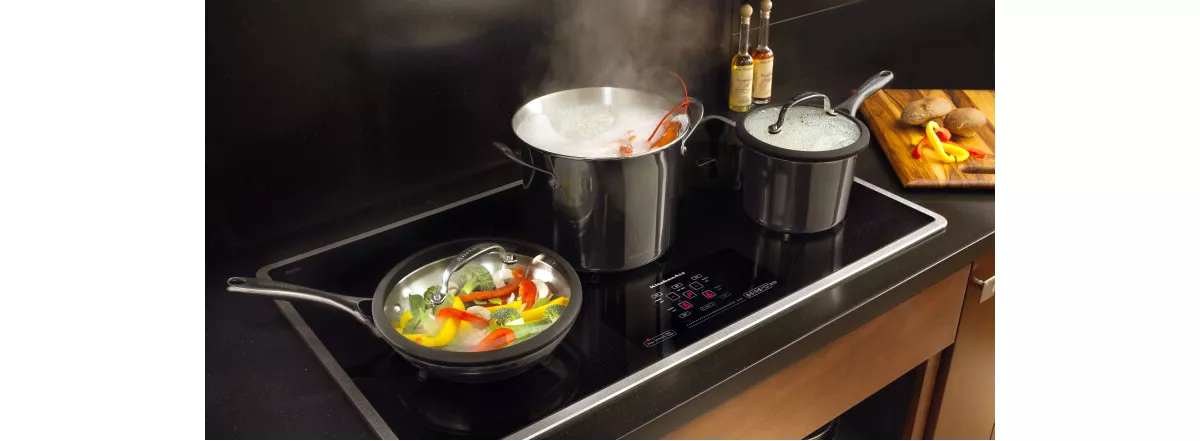
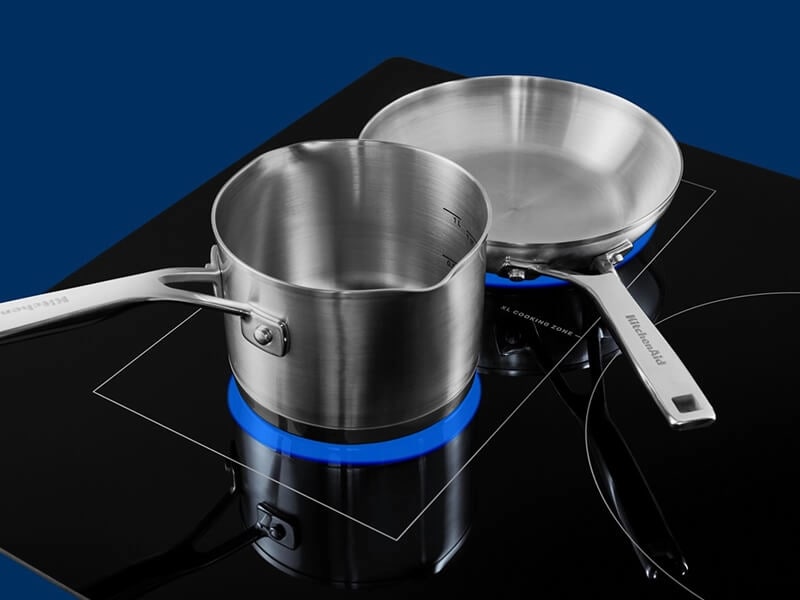
Induction cooktops usually have a flat, smooth surface. The surface often looks like black glass or ceramic. You may see circles or rings showing where to place pots. These markings are usually white or gray. There are no open flames or coil burners. The stove surface feels cool even when cooking.
Checking The Cooktop Surface
Run your hand over the surface. Induction cooktops stay cool to the touch except under the pan. The surface is sleek and easy to clean. It does not get red hot like electric coil burners. You will not see glowing heating elements.
Identifying Control Panel Features
Look at the control panel closely. Induction cooktops often have touch controls. Buttons may include power levels, timers, and safety locks. The panel usually lights up with digital numbers or symbols. There are no knobs to turn like on gas stoves.
Testing With Cookware
Place a magnet on the bottom of your cookware. If it sticks well, the pot works with induction cooktops. This simple test helps identify induction-compatible pans quickly.
Testing whether your cooktop is induction-based can be both intriguing and straightforward. One of the simplest ways to determine this is by testing it with your cookware. As you explore this, you'll gain insights into how induction cooktops work and why certain pots and pans are more compatible. Let’s dive into some practical methods you can use to identify if your cooktop is induction.
Using A Magnet Test
A quick and easy test involves a regular magnet. Grab a fridge magnet and place it on the base of your cookware. If it sticks firmly, you likely have an induction-compatible pot, which means your cooktop is induction-friendly. This is because induction cooktops rely on magnetic fields to generate heat. Have you ever wondered why some pots heat up faster than others on your stove? A magnet test can give you the answer. It’s a small experiment that reveals a lot about your kitchen setup.
Observing Heat Response
Watch how quickly your cookware heats up. Induction cooktops are known for their rapid heating capabilities. If your pot gets hot in a matter of seconds, you might be using an induction cooktop. Consider this: you’re boiling water and it starts bubbling faster than usual. This speed is an indicator of induction technology at work. Keep an eye on how evenly the heat distributes; induction cooktops typically offer consistent temperature across the pot's surface.
Comparing Cookware Types
Different cookware types react differently on induction cooktops. Stainless steel and cast iron are generally best for induction cooking. If you notice that your aluminum or copper pots are taking longer to heat or not heating at all, this could signal an induction cooktop. Think about the variety of pots and pans you own. Do some seem more effective on your stove than others? Understanding the material of your cookware can provide clues about your cooktop's nature. By testing with your cookware, you can gain a better understanding of your kitchen appliances and optimize your cooking experience. Are you ready to test your cookware and uncover the mystery of your cooktop?
Reviewing Product Labels
Reviewing product labels is a quick way to identify an induction cooktop. These labels hold essential details from the manufacturer. They often specify the cooktop type, power ratings, and safety information. Understanding these labels helps confirm whether the appliance uses induction technology.
Reading Manufacturer Information
Check the label for words like "induction" or "induction cooking." Manufacturers usually highlight this feature. The label might also show symbols representing induction, such as a coil or wave icon. Look for phrases like "magnetic cooktop" as well. This hints that the cooktop uses induction heating.
Locating Model Numbers
Find the model number on the label or the back of the cooktop. This number is unique to the product. It helps identify the exact type and features of the appliance. Write down or take a picture of this number. It will be useful for searching more details about your cooktop.
Searching Online Specifications
Use the model number to search the manufacturer’s website. This provides detailed product information and specifications. Look for terms like "induction" in the product description. Check for power consumption and cooking technology listed. This confirms whether your cooktop is induction-based or not.

Credit: www.artisanwestappliance.com
Consulting User Manuals
Consulting your cooktop’s user manual is one of the simplest ways to figure out if you have an induction cooktop. These manuals contain detailed information straight from the manufacturer, designed to help you understand your appliance better. Instead of guessing, you get clear, reliable answers right at your fingertips.
Finding Relevant Sections
User manuals can be long, but the key is to focus on sections like “Product Features,” “Technical Specifications,” or “Installation Guide.” These parts usually highlight the type of cooktop you own. Look for keywords such as “induction,” “magnetic,” or “electromagnetic” to quickly spot if induction technology is mentioned.
Don’t overlook the index or table of contents; they can save you time by directing you to the exact page. If you have a digital copy, use the search function to jump directly to terms like “induction” or “cooktop type.” This approach helps you avoid skimming through unrelated details.
Understanding Cooktop Terminology
Manuals often use specific terms that might confuse you if you’re not familiar with cooktop language. Knowing what words like “induction,” “ceramic,” or “radiant” mean can help you identify your cooktop type quickly.
- Induction:Uses magnetic fields to heat cookware directly, requires compatible pots.
- Ceramic:Smooth surface but heats through electrical resistance, not magnetic fields.
- Radiant:Uses coils beneath the surface to heat pots and pans.
If your manual mentions the cooktop heats only with “magnetic cookware,” it’s a strong sign you have induction. Have you ever tried placing a magnet on your pan to test this? Manuals often recommend this simple trick to confirm compatibility.
Benefits Of Induction Cooktops
Understanding the benefits of induction cooktops can help you decide if this cooking technology fits your kitchen needs. These cooktops offer unique advantages that affect everything from your energy bills to your cooking speed. Let’s look closely at why many home cooks prefer induction.
Energy Efficiency
Induction cooktops use electromagnetic energy to directly heat pots and pans, which means less heat escapes into the air. This direct transfer is more efficient than traditional gas or electric stoves, saving you energy and lowering your utility bills.
If you’ve noticed your kitchen stays cooler during cooking, that’s a sign of this efficiency. Have you ever wondered how much energy you waste with your current stove?
Safety Features
One of the standout benefits is safety. Induction cooktops only heat the cookware, not the cooktop surface itself, reducing the risk of burns. This makes them a great choice if you have children or want to avoid kitchen accidents.
Additionally, most induction models automatically shut off if no pan is detected, which can prevent fires. How important is kitchen safety in your daily routine?
Cooking Speed
Induction cooktops heat up faster than conventional stoves because the heat is generated directly in the pan. This means you can boil water, simmer sauces, or fry foods in less time.
Faster cooking saves you time and energy, making meal prep more efficient. Have you ever timed how long your current stove takes to reach boiling point?
Credit: www.maytag.com
Frequently Asked Questions
How Can I Identify An Induction Cooktop At Home?
Look for a smooth, flat surface with no visible heating elements. Induction cooktops often have touch controls and a digital display. They require compatible cookware made of magnetic materials like stainless steel or cast iron.
What Cookware Works With Induction Cooktops?
Only magnetic cookware works with induction cooktops. Use pots and pans made of cast iron or magnetic stainless steel. Non-magnetic materials like aluminum or glass won’t heat properly on induction cooktops.
Does An Induction Cooktop Heat Differently Than Others?
Yes, induction cooktops heat cookware directly using magnetic fields. This makes them faster and more energy efficient than gas or electric cooktops. The cooktop surface stays relatively cool during cooking.
How Do I Test If My Cooktop Is Induction?
Place a magnet on the cooktop surface. If it sticks firmly, your cooktop likely uses induction technology. Non-magnetic surfaces indicate a traditional electric or gas cooktop.
Conclusion
Knowing if you have an induction cooktop helps you cook safely and easily. These cooktops heat only when a special pan is on top. They stay cool around the edges and use magnets inside. You can check for a smooth glass surface and quick heating.
Understanding this can save energy and improve your kitchen experience. Try simple tests or read your appliance guide to be sure. Now, you can cook smarter and enjoy your meals more.