Are you wondering if your kitchen has an induction cooktop? It can be tricky to tell, especially when it looks similar to other types of stoves.
Knowing for sure can save you time, energy, and even money. You’ll discover simple ways to identify an induction cooktop quickly. By the end, you’ll feel confident about your kitchen setup and ready to cook smarter. Keep reading to find out how to spot this modern cooking tool in your home!
Types Of Cooktops
Choosing the right cooktop can change how you enjoy cooking every day. Different types of cooktops offer unique features that affect speed, energy use, and safety. Understanding these types helps you spot if you have an induction cooktop or another kind.
Gas Cooktops
Gas cooktops use open flames to heat pots and pans. You can usually see the blue flame when the burner is on. Many cooks prefer gas because it gives instant heat and precise temperature control.
If you find knobs that control visible flames, you likely have a gas cooktop. Gas cooktops often have grates made of cast iron or steel to hold your cookware above the flame.
Electric Coil Cooktops
Electric coil cooktops have metal coils that heat up when electricity passes through them. These coils glow red when hot, making it easy to tell when they are on. They are often the most affordable type but can be slower to heat and cool down.
Do you see raised coils on your cooktop surface? If yes, it’s an electric coil cooktop. The coils can sometimes be removed for cleaning, which is a handy feature.
Ceramic Glass Cooktops
Ceramic glass cooktops have a smooth, flat surface made of tough glass. The heating elements lie underneath this surface, often glowing red to show they’re hot. They look sleek and are easier to clean than coil cooktops.
Touching the surface feels flat and smooth, but it gets hot after use. If your cooktop looks like a smooth glass top without visible coils or flames, it’s probably ceramic glass.
Induction Cooktops
Induction cooktops also have a smooth glass surface, but they work differently. Instead of heating the surface, they use magnetic fields to heat the cookware directly. This means the cooktop stays relatively cool and heats food faster.
One quick way to check if you have induction is by trying a magnet on the surface. If the magnet sticks to the bottom of your pan and the cooktop heats up, it’s induction. Induction cooktops require magnetic cookware, so non-magnetic pans won’t work properly.

Key Features Of Induction Cooktops
Identifying whether you have an induction cooktop can be easier once you know what to look for. Induction cooktops have distinct features that set them apart from traditional electric or gas stoves. Recognizing these key traits will help you understand your kitchen better and improve your cooking experience.
Smooth Glass Surface
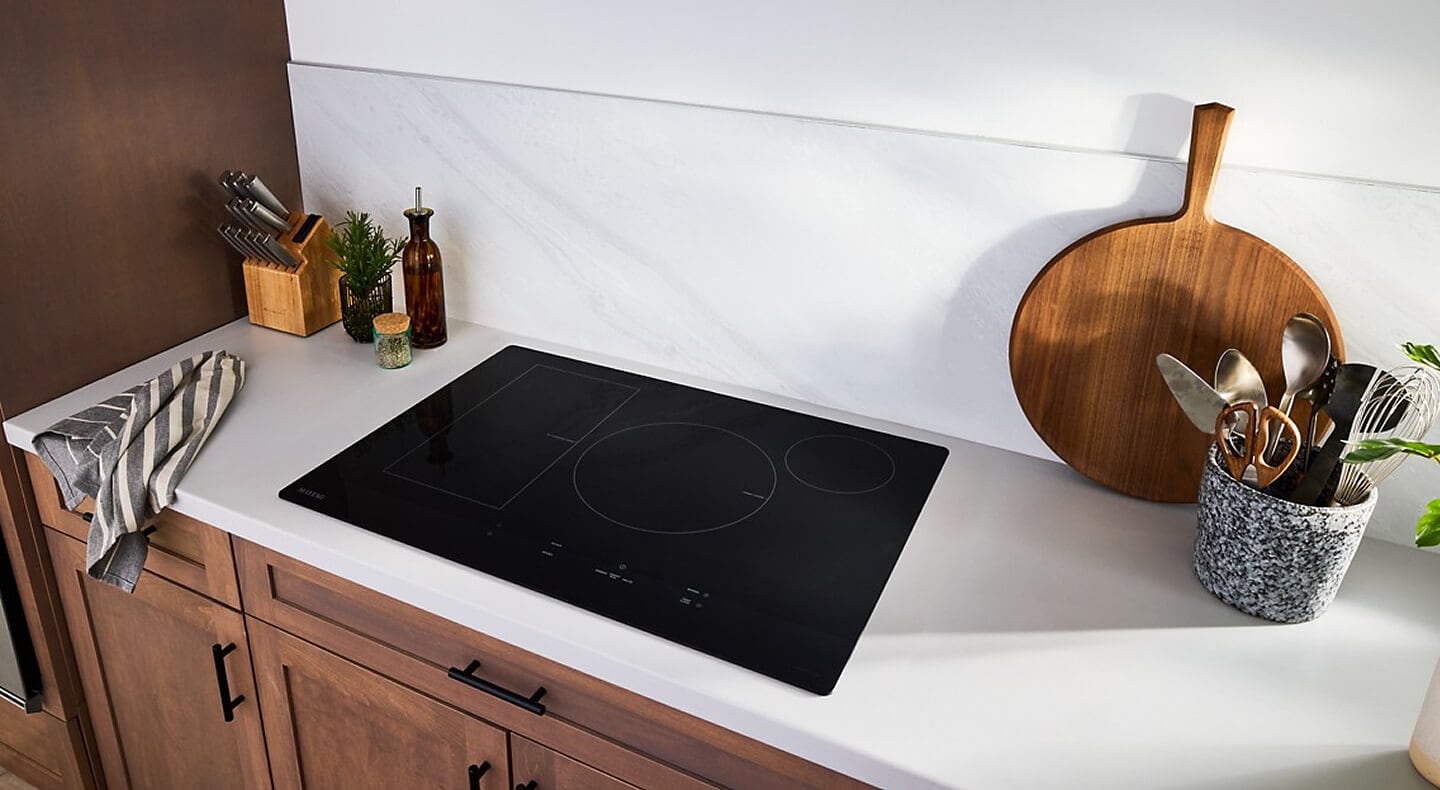
One of the most noticeable features of an induction cooktop is its smooth, flat glass surface. Unlike gas stoves with burners or electric coils, induction cooktops look sleek and modern, with a seamless glass top that’s easy to clean.
If your cooktop feels like a solid, smooth panel without any raised elements, it’s likely an induction type. This design not only looks good but also helps with quick cleanup of spills.
No Visible Heating Elements
Look closely at your cooktop’s cooking zones. If you don’t see any visible coils, gas flames, or glowing heating elements, your cooktop might be induction.
Induction uses magnetic fields to heat the cookware directly, so the surface itself stays relatively cool. This safety feature is unique and can give you a clue about your cooktop type.
Quick Heat Response
Have you noticed how fast your pots and pans heat up? Induction cooktops respond almost instantly when you adjust the temperature settings.
This quick heat response means your food cooks faster and with better precision. If your cooktop heats unevenly or takes a while to warm up, it probably isn’t induction.
Magnetic Test For Induction
The magnetic test for induction is a simple way to check if your cooktop uses induction technology. Induction cooktops work by using magnets to create heat directly in the pan. This means the cooktop surface itself does not get hot unless a magnetic pan is placed on it. Testing with a magnet helps you understand if your cooktop relies on this magnetic principle.
How To Perform The Test
Take a small magnet, like a fridge magnet or a magnet from a tool kit.
Place the magnet flat on the cooktop surface where you normally put your pots.
Try to move the magnet slowly across the surface.
Notice if the magnet sticks firmly or slides easily.
Interpreting The Results
- Magnet sticks well:Your cooktop likely uses induction technology.
- Magnet does not stick:The cooktop may be electric or gas, not induction.
- Magnet sticks loosely:The cooktop may have a metal surface but not induction.
Induction cooktops have a glass-ceramic surface, so the magnet sticks because of the coil below.
If the magnet does not stick, the cooktop works with different heating methods.
Control Panel Indicators
Control panel indicators are key to identifying if your cooktop is induction. These indicators give you clear clues about how the cooktop operates and what type of technology it uses. Paying close attention to the control panel can save you from guesswork and help you understand your kitchen setup better.
Digital Touch Controls
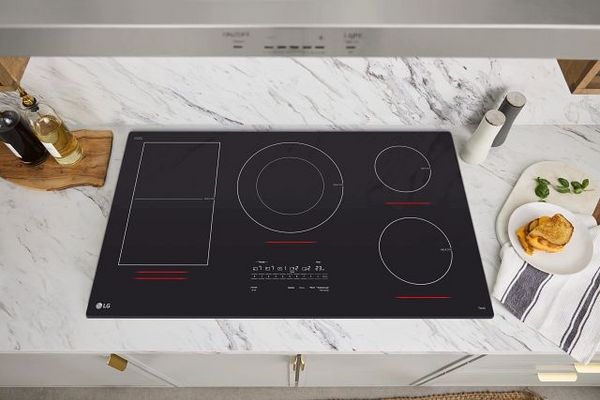
If your cooktop has a smooth, flat surface with digital touch controls instead of traditional knobs, it’s a strong hint that it might be an induction cooktop. These controls often light up when you touch them, allowing you to adjust settings with a simple swipe or tap.
Unlike gas or electric coil cooktops, induction models rely heavily on these digital panels for precise temperature control. Have you noticed how quickly the numbers change as you slide your finger? That responsiveness is typical for induction technology.
Power Level Settings
Look for power level settings displayed on the control panel. Induction cooktops usually offer a range of power levels, often numbered from low to high, to give you more control over cooking intensity.
These settings allow you to fine-tune heat output almost instantly, which is different from traditional electric cooktops where heat changes more slowly. If your panel shows levels like “1” through “9” or “Boost,” it’s a good sign you’re working with induction.
Safety Lock Features
Safety lock features are common on induction cooktops and are often indicated by a lock icon or a dedicated button on the control panel. This feature prevents accidental changes to your settings, especially useful if you have kids around or tend to bump the controls.
Do you see a lock symbol that you can activate or deactivate? This is a practical indicator of induction technology, designed to make your cooking safer and more reliable.
Cookware Compatibility
Understanding cookware compatibility is essential for induction cooktops. Not all pots and pans work with these modern stoves. Induction cooktops use magnetic fields to heat cookware. This requires specific types of cookware. Let's explore what you need.
Magnetic Cookware Requirement
Induction cooktops need magnetic cookware. This means the bottom of your pan should attract a magnet. Common compatible materials include cast iron and some stainless steel. If a magnet sticks firmly, your cookware is suitable.
Testing Cookware
Testing your cookware is simple. Use a small magnet from your fridge. Hold it against the bottom of your pot or pan. If it sticks well, the cookware will work on your induction cooktop. If it doesn’t, you might need new pots.
Benefits Of Induction Cooktops
Induction cooktops offer many benefits that make cooking easier and more efficient. They use magnetic energy to heat pots and pans directly. This method saves time and energy compared to traditional cooking surfaces.
These cooktops bring safety and convenience into the kitchen. Their smooth surface is simple to maintain. Here are some key benefits to know about induction cooktops.
Energy Efficiency
Induction cooktops heat faster than gas or electric stoves. They transfer energy directly to the cookware. This reduces wasted heat and lowers energy bills. Cooking times are shorter, saving power and time.
Safety Features
The surface stays cool except under the pot. This lowers the risk of burns. Induction cooktops also turn off automatically if no pan is detected. They prevent accidental fires and make kitchens safer for families.
Ease Of Cleaning
The flat glass surface is easy to wipe clean. Spills do not burn onto the cooktop. No burners or grates to remove and scrub. A simple cloth and mild cleaner keep it spotless.
Frequently Asked Questions
What Is An Induction Cooktop?
An induction cooktop uses magnetic fields to heat pots directly. It heats faster and is more energy-efficient than gas or electric stoves.
How Can I Tell If My Cooktop Is Induction?
Check if your cooktop surface stays cool while cooking. Induction cooktops heat only the cookware, not the surface itself.
Do All Pots Work On Induction Cooktops?
No, only magnetic cookware like cast iron or stainless steel works. Non-magnetic pots will not heat on induction cooktops.
Is An Induction Cooktop Energy Efficient?
Yes, induction cooktops use less energy by heating cookware directly. This reduces heat loss and shortens cooking times.
Conclusion
Knowing if you have an induction cooktop is easier than you think. Check for a smooth, flat surface with no open flames. Look for magnetic cookware, as induction needs it to work. The cooktop heats quickly and stays cool around the pans.
These signs clearly show an induction cooktop in your kitchen. Understanding this helps you use your stove safely and efficiently. Now you can cook with more confidence every day.