Have you ever wondered if your oven is a convection oven but weren’t quite sure how to tell? Knowing this can change the way you cook and bake, making your meals come out better and faster.
You might be missing out on a simple way to improve your kitchen skills without buying new gadgets. You’ll discover clear signs and easy tips to identify if your oven is convection. By the end, you’ll feel confident about your oven and ready to unlock its full potential.
Keep reading to find out how to spot a convection oven in your own home.
Credit: www.starfrit.com
What Is A Convection Oven
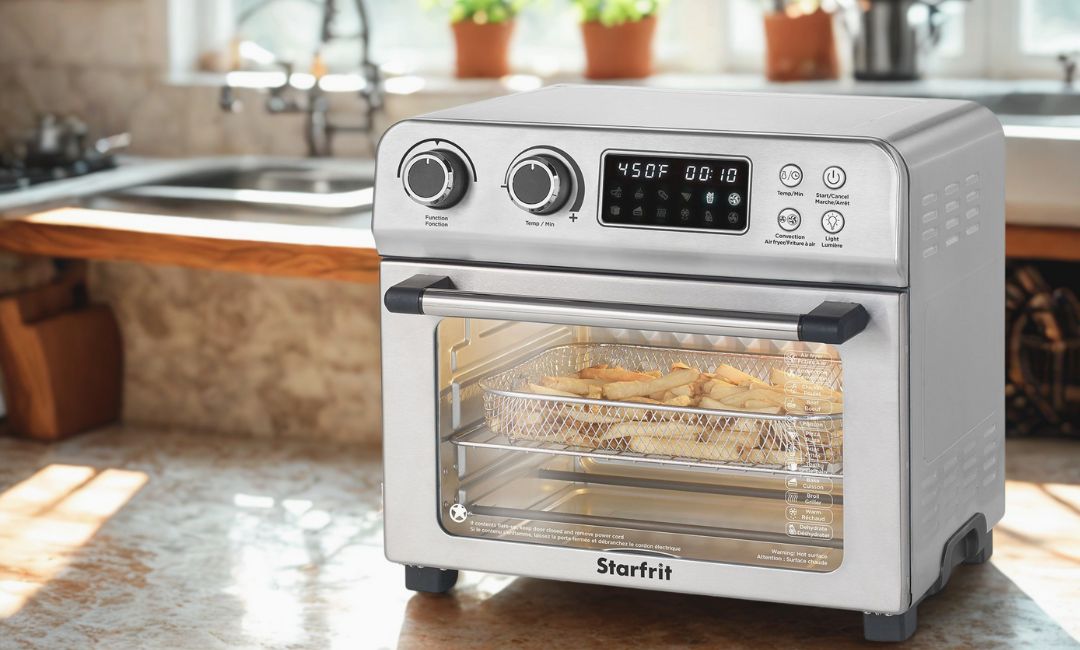
Understanding what a convection oven is can help you decide if it fits your cooking style and needs. Unlike traditional ovens, convection ovens use a fan to circulate hot air. This small difference can make a big impact on how your food cooks.
How A Convection Oven Works
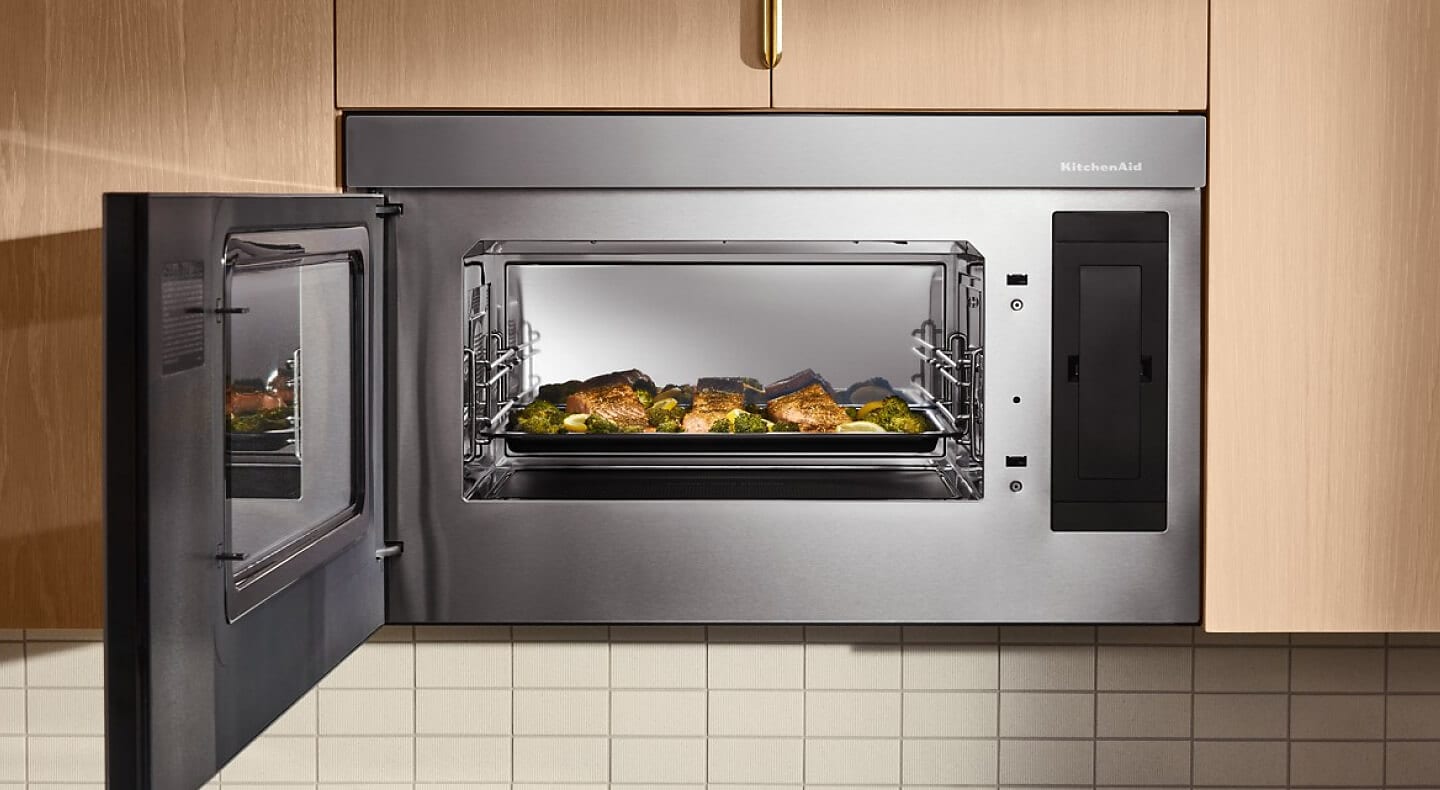
A convection oven has a built-in fan and exhaust system that blow hot air around the food. This movement of air helps cook food more evenly and often faster. You might notice your baked goods brown more nicely or your roasted vegetables come out crispier.
Differences Between Convection And Regular Ovens
- Heat Distribution:Regular ovens rely on radiant heat, which can create hot spots. Convection ovens spread heat evenly due to the fan.
- Cooking Time:Foods often cook 25% faster in a convection oven.
- Temperature Settings:Recipes may need a lower temperature or shorter cooking time in a convection oven.
Common Features Of Convection Ovens
You can usually spot a convection oven by its fan inside the cooking chamber. Many models have a setting to turn the fan on or off. Some also include multiple racks to take advantage of the even heat circulation.
Have you ever noticed uneven cooking or long baking times? That’s often a sign a traditional oven is struggling with heat distribution. A convection oven could solve that problem and save you time in the kitchen.
Credit: www.kitchenaid.com
Key Features To Spot
Recognizing a convection oven involves spotting certain key features. These features set convection ovens apart from regular ovens. Knowing these signs helps you identify your oven type quickly. Here are the main features to check for.
Fan And Exhaust System
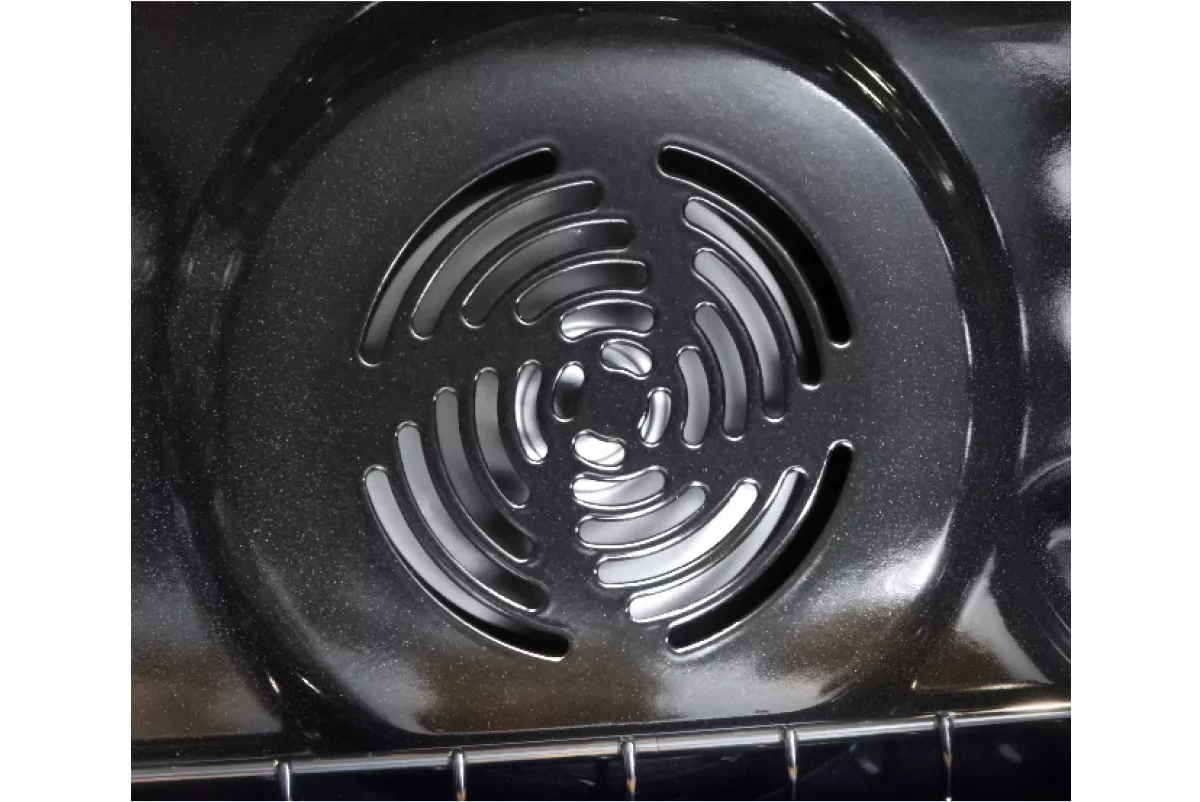
A convection oven has a built-in fan. This fan circulates hot air evenly inside the oven. You may see a small circular vent at the back or side. The exhaust system helps release excess heat and moisture. Regular ovens usually lack this fan and vent.
Control Panel Indicators
Look at the control panel closely. Convection ovens often have a dedicated button or setting labeled "Convection." This lets you turn the fan on or off. Some panels show symbols like a fan or waves. If your oven has these, it likely supports convection cooking.
Interior Design Differences
The oven's interior also gives clues. Convection ovens often have a visible fan cover or protective grill inside. Shelves may be spaced to allow better airflow. The back wall may look different due to the fan and vent system. These design changes help the oven cook food evenly.
Check The Oven Manual Or Label
Checking the oven manual or label is one of the simplest ways to find out if you have a convection oven. Most manufacturers clearly state the oven type and its features in these documents or on the appliance itself. If you still have the manual, it’s a quick way to get reliable information without guesswork.
Look for specific terms like “convection,” “fan-assisted,”or “true convection”in the manual’s description or specifications. These words usually indicate the presence of a fan that circulates hot air for even cooking. If the manual is missing, the oven label—often found inside the door or on the back—may provide similar clues.
Where To Find The Oven Manual Or Label
First, check any paperwork or booklets that came with your oven. Manuals often include detailed diagrams and feature lists that answer your question directly.
If you don’t have the physical copy, try searching online with the oven’s model number. Manufacturers frequently upload digital versions you can download.
The oven label is usually a sticker or metal plate located:
- Inside the oven door frame
- On the back of the oven
- Along the side edges of the oven cavity
What To Look For In The Manual Or Label
Scan for keywords such as “convection bake,” “fan-forced,”or “fan cooking.”These terms confirm the oven uses a fan to circulate heat.
Check the features section—some manuals list cooking modes clearly, showing if convection is an option.
If you see instructions about using a fan or settings related to fan speed, that’s a strong sign your oven is convection.
Why This Step Matters
Knowing whether your oven has convection capabilities helps you adjust cooking times and temperatures correctly.
It also prevents frustration from trying convection recipes on a conventional oven or vice versa.
Have you ever followed a recipe only to find your food overcooked or undercooked? Checking the manual or label can save you from this common kitchen mishap.
Credit: www.whirlpool.ca
Testing Your Oven
Check the oven’s back or inside door for a fan symbol or label. Convection ovens have a fan that circulates hot air for even cooking. Testing with a baking sheet in the center can also reveal faster, more even heating compared to regular ovens.
Testing your oven is key to determining if it’s convection. This process ensures accuracy in cooking and baking. Knowing how your oven works can make a big difference.
Cooking Time And Temperature
Check for faster cooking times. Convection ovens cook food quicker. They often need lower temperatures. Bake a small item like cookies. Use the same temperature and time as a regular oven. See if they cook evenly and faster. This is a sign of convection.
Even Heat Distribution
Place a tray of bread slices in your oven. Bake for a few minutes. Check the color of each slice. In a convection oven, slices will brown evenly. This shows even heat distribution. It’s a hallmark of convection cooking.
Common Misconceptions
Many people confuse their regular ovens with convection ovens due to common misconceptions. These misunderstandings can lead to improper use and missed opportunities in cooking. Let’s clear up some of the most frequent myths so you can confidently identify if you have a convection oven.
Convection Oven Means Faster Cooking Only
It’s true that convection ovens often cook faster, but that’s not their only feature. The key difference lies in the fan that circulates hot air evenly around your food. This air movement helps cook food more uniformly, not just quickly.
I once thought my oven was convection simply because my cookies baked faster one day. Later, I realized it was because I had accidentally switched to the broil setting. This taught me to look beyond cooking speed when identifying convection ovens.
All Ovens With Fans Are Convection Ovens
Not every oven with a fan is a convection oven. Some ovens use fans just to cool down internal components rather than circulate heat. A true convection oven actively uses the fan to push heated air around the food during cooking.
Check your oven’s manual or control panel for settings labeled “convection” or “convection bake.” That’s usually a clear sign your oven has this feature. Don’t rely solely on spotting a fan inside the oven cavity.
Convection Ovens Always Have A Special Convection Setting
Some convection ovens don’t have a separate convection mode. Instead, they run the fan automatically during all cooking cycles. This can confuse users into thinking they don’t own a convection oven at all.
Try observing whether your oven’s fan turns on during regular baking. If it does, you might already have a convection oven without realizing it. This practical test can help you identify the appliance without extra tools.
The Presence Of A Fan Means You Should Always Use Convection Mode
Even if your oven is convection, it doesn’t mean you should always use that mode. Certain recipes, like delicate cakes or soufflés, may bake better without air circulation. Using convection improperly can sometimes dry out or unevenly cook food.
Ask yourself: Does the recipe specifically mention convection baking? If not, it’s okay to stick to regular settings. Knowing when and how to use convection is just as important as knowing if your oven has it.
Benefits Of A Convection Oven
Convection ovens offer several benefits that improve cooking results. They use a fan to circulate hot air evenly. This helps food cook faster and more evenly than in a traditional oven.
The even heat distribution reduces hot spots. This means no more burnt edges or undercooked centers. Many people notice better texture and color in their dishes when using a convection oven.
Faster Cooking Times
The fan speeds up the cooking process by moving hot air around the food. This helps heat reach all parts of the dish quickly. You can often reduce cooking times by about 25% compared to a regular oven.
More Even Cooking
Hot air circulates constantly, so food cooks uniformly. This prevents uneven cooking and ensures consistent results. Roasts, cookies, and casseroles come out perfectly cooked every time.
Better Browning And Crispiness
Convection ovens promote better browning due to the dry, hot air. Foods like roasted vegetables and baked goods develop a crisp, golden crust. This adds great flavor and texture to your meals.
Energy Efficiency
Since food cooks faster, convection ovens use less energy overall. This can lower your electricity bills. Cooking multiple dishes at once is also easier because heat spreads evenly.
Versatility In Cooking
Convection ovens work well for baking, roasting, and even dehydrating. They handle different types of food with ease. This flexibility makes them a valuable kitchen tool.
Frequently Asked Questions
What Is A Convection Oven And How Does It Work?
A convection oven uses a fan to circulate hot air evenly. This speeds up cooking and browns food better than traditional ovens. It ensures consistent temperatures and reduces cooking time, making it ideal for baking, roasting, and reheating.
How Can I Identify If My Oven Is Convection?
Look for a fan symbol or "convection" label inside or on the oven door. Check the oven manual for specifications. If your oven has a fan at the back, it’s likely a convection model. Some ovens allow switching convection mode on or off.
What Are The Benefits Of Using A Convection Oven?
Convection ovens cook food faster and more evenly. They reduce hot spots, saving energy and improving food texture. They are perfect for roasting meats, baking cookies, and crisping foods with less oil. This results in better flavor and consistent results.
Can I Convert My Regular Oven To Convection?
No, regular ovens cannot be converted to convection because they lack the built-in fan system. You would need to buy a convection oven or a convection toaster oven. Adding a fan externally does not replicate true convection cooking.
Conclusion
Knowing whether you have a convection oven helps with cooking choices. Check the oven’s manual or look inside for a fan. This fan moves hot air for even cooking. Many ovens have a button or setting named "convection. " Using a convection oven can save time and cook food better.
Now you can tell if your oven has this useful feature. Cooking becomes easier and results improve with convection heat. Try it and enjoy your meals more often.