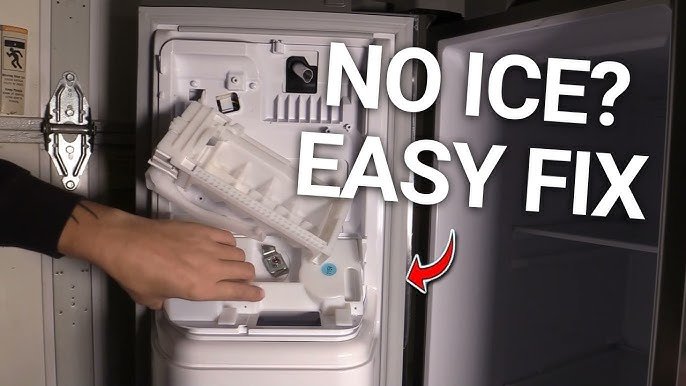
Is your ice maker refusing to make ice when you need it most? It’s frustrating to open the freezer and find no ice cubes ready to chill your drink.
You might wonder, “How do I get my ice maker to work again? ” The good news is, you don’t have to call a repair person just yet. You’ll discover simple, easy steps to troubleshoot and fix your ice maker quickly.
Keep reading, and you’ll have cold, fresh ice flowing again in no time.
Credit: www.ifixit.com
Common Ice Maker Problems
Ice makers are convenient appliances, but they can stop working properly due to several common issues. Identifying the root problem helps you fix your ice maker faster without unnecessary repairs or replacements. Understanding these typical issues puts you in control of your appliance’s performance.
Ice Maker Not Making Ice
If your ice maker isn’t producing any ice, the problem often lies with the water supply. Check if the water line is connected and turned on. A clogged or frozen water inlet valve can also block water flow, preventing ice formation.
Another frequent cause is a faulty ice maker assembly or a defective thermostat. You might hear the motor running, but no ice appears. Testing these parts with a multimeter can reveal if they need replacing.
Ice Maker Producing Small Ice Cubes
Small ice cubes usually indicate a low water level or weak water pressure. Your water filter might be clogged, restricting the water flow to the ice maker. Try replacing the filter and observe if the cube size improves.
Temperature settings inside the freezer also affect ice size. If the freezer is too warm, ice cubes won’t freeze completely, resulting in smaller or partial cubes. Adjusting the thermostat can help fix this.
Ice Maker Leaking Water
Water leaks around your ice maker can cause a mess and damage your fridge. One common reason is a cracked or loose water line connection. Inspect the tubing for cracks or loose fittings and tighten or replace them if necessary.
Another issue could be a faulty or frozen ice maker fill tube. If ice blocks the tube, water may overflow and leak. Carefully defrosting the tube can stop leaks and restore normal operation.
Basic Troubleshooting Steps
Getting your ice maker back to working condition can often be simpler than you think. Before calling a repair technician, try some basic troubleshooting steps. These quick checks can save time and money, and you might be surprised how often a simple fix does the trick.
Check Power And Settings
First, ensure your ice maker is properly plugged in and receiving power. Sometimes, the plug might be loose or the outlet may have tripped a circuit breaker. Double-check the power switch or control panel to confirm the ice maker is turned on.
Have you looked at the ice maker’s settings recently? Some models allow you to pause or adjust ice production. If the ice maker is set to “off” or “vacation mode,” it won’t produce any ice. Make sure the settings are correctly set for ice production.
Inspect Water Supply
Your ice maker needs a steady water supply to function. Check the water line connected to the appliance for kinks, leaks, or blockages. If the water pressure is too low, ice production will slow down or stop entirely.
Take a moment to inspect the water filter. A clogged filter can reduce water flow and affect ice quality. If you haven’t changed your filter in a while, replacing it might solve the problem instantly.
Reset The Ice Maker
Sometimes your ice maker just needs a fresh start. Unplug your fridge or ice maker for about 10 minutes to reset the system. This can clear minor glitches and allow the ice maker to restart its cycle properly.
If your model has a reset button, press it following the manufacturer’s instructions. After resetting, watch for ice production over the next few hours. Does the ice maker start working again? If not, the issue might be deeper, but resetting is always worth trying first.
Quick Fixes For Ice Maker Issues
If your ice maker has suddenly stopped producing ice, don’t panic. Many common issues can be fixed quickly with a little troubleshooting. These quick fixes often save you from calling a repair technician or replacing parts unnecessarily.
Clear Ice Blockages
Ice blockages are a frequent cause of ice maker problems. Check inside the ice maker and ice bin for any chunks of ice that might be stuck and blocking the flow. Carefully remove any blockages with a plastic utensil to avoid damaging the components.
Sometimes, the ice cube mold itself can have frozen water buildup. Try gently warming the area with a hairdryer on a low setting to melt the blockage without melting the entire ice tray. Have you noticed your ice cubes sticking together? This simple step could fix that.
Replace Water Filter
A clogged or old water filter can reduce water flow, affecting ice production. If you haven’t replaced your water filter in the last six months, it’s time to swap it out. Filters are inexpensive and easy to install, and doing this can improve both ice quantity and quality.
After replacing the filter, run water through the dispenser for a few minutes to clear out any trapped air. This step ensures your ice maker gets a steady supply of clean water. How often do you check your water filter’s condition?
Adjust Temperature Settings
The freezer temperature plays a crucial role in ice making. If the temperature is set too high, water won’t freeze properly. Aim to keep your freezer between 0°F (-18°C) and 5°F (-15°C) for optimal ice production.
If you recently adjusted your freezer temperature, try setting it back to this range and give the ice maker a few hours to catch up. Sometimes, simply dialing the temperature down by a degree or two can bring your ice maker back to life. What’s your freezer’s current temperature setting?
Credit: www.maytag.com
When To Call A Professional
Persistent ice maker issues or unusual noises signal the need for a professional. Complex repairs or electrical problems also require expert help. Avoid risking damage by calling a technician when basic fixes don’t work.
When your ice maker stops working, it can be quite a hassle, especially during those hot summer months when a cold drink is all you crave. While some issues can be fixed with a bit of DIY spirit, there are times when calling a professional is the best move. Understanding when to reach out for expert help can save you time, money, and a lot of frustration.
Persistent Ice Maker Problems
If your ice maker constantly fails to produce ice or makes ice inconsistently, it might be time to consult a professional. Continuous issues could indicate underlying problems that aren't immediately obvious. Attempting to fix these on your own might lead to further damage or void any existing warranties. Sometimes, the problem might seem simple, like a clogged water line, but there could be a more serious issue lurking beneath the surface. A professional can diagnose the problem accurately and provide a lasting solution. Why keep struggling with a malfunctioning appliance when an expert can restore its functionality swiftly?
Electrical Or Mechanical Issues
Electrical and mechanical issues can be tricky and potentially dangerous if you're not familiar with appliance repair. If your ice maker isn't turning on, or if you notice any strange noises, sparks, or burning smells, it's crucial to get professional help. Tinkering with electrical components without the right expertise can pose safety hazards to both you and your appliance. A qualified technician has the tools and knowledge to fix electrical faults safely and efficiently. Isn’t it worth ensuring your safety and peace of mind by letting a professional handle these complex issues?
Parts Replacement
Sometimes, your ice maker might need a part replaced to work correctly again. Whether it's the water inlet valve, ice mold thermostat, or any other component, replacing parts can be challenging. It requires knowing the exact part number and having the right tools. Professionals not only have access to the right parts but also the experience to replace them correctly. This ensures that your appliance returns to optimal performance without the risk of further issues. Why risk making a costly mistake when a professional can get it right the first time? In moments of uncertainty with your ice maker, remember that professional help is just a call away, ready to bring back the cool comfort of ice to your home.
Maintenance Tips To Keep Ice Maker Working
Keeping your ice maker working well needs regular care. Small efforts can stop common problems. Regular maintenance saves time and money on repairs. Follow these simple tips to keep your ice maker running smoothly.
Regular Cleaning
Clean your ice maker every few weeks. Remove ice build-up and wipe down surfaces. Use a mixture of warm water and mild soap. Avoid harsh chemicals that can damage parts. Rinse thoroughly to remove soap residue. Clean the ice bin and dispenser too. This stops bacteria and mold growth. A clean ice maker makes fresh, clear ice.
Routine Filter Changes
Change the water filter regularly. Check the manufacturer’s guide for timing. A clogged filter reduces water flow and ice quality. Fresh filters improve taste and remove impurities. Keep a spare filter handy for quick replacement. Proper filter care keeps your ice maker efficient and healthy.
Monitor Water Quality
Use clean, fresh water for your ice maker. Hard water can cause scale build-up inside. Scale blocks water flow and damages parts. Consider using filtered or softened water if possible. Regularly check water for unusual taste or color. Good water quality extends the life of your ice maker.
Credit: www.whirlpool.com
Frequently Asked Questions
Why Is My Ice Maker Not Making Ice?
Your ice maker may not work due to a clogged water line, frozen water inlet valve, or power issues. Check the water supply, reset the ice maker, and inspect for any blockages to restore functionality.
How Do I Reset My Ice Maker Quickly?
Locate the reset button or lever on your ice maker. Press and hold it for 10-15 seconds, then release. This often restarts the ice-making cycle and resolves minor glitches.
Can A Dirty Ice Maker Cause It To Stop Working?
Yes, dirt and mineral buildup can block water flow and sensors. Regular cleaning with vinegar or mild detergent improves performance and prevents stoppages.
What Temperature Should My Freezer Be For Ice Making?
Keep your freezer temperature between 0°F and 5°F (-18°C to -15°C). This range ensures optimal ice production and prevents ice from melting or freezing unevenly.
Conclusion
Getting your ice maker working again is possible with simple steps. Check the water supply and make sure it is connected. Clean the ice maker parts to remove dirt or ice blockages. Reset the ice maker to clear any errors.
Test the temperature settings inside the freezer. Small fixes often solve common problems fast. Don’t ignore regular maintenance to keep it running well. Stay patient and follow the steps carefully. Your ice maker can work like new again. Keep these tips handy for future issues.