Are you tired of waiting forever for your pasta to cook? What if you could have perfectly cooked pasta in just minutes, without standing over the stove?
Cooking pasta in a pressure cooker is a game-changer for anyone who loves quick and delicious meals. You’ll discover simple steps to make your pasta fast, easy, and just right every time. Keep reading, and you’ll never look at pasta the same way again.
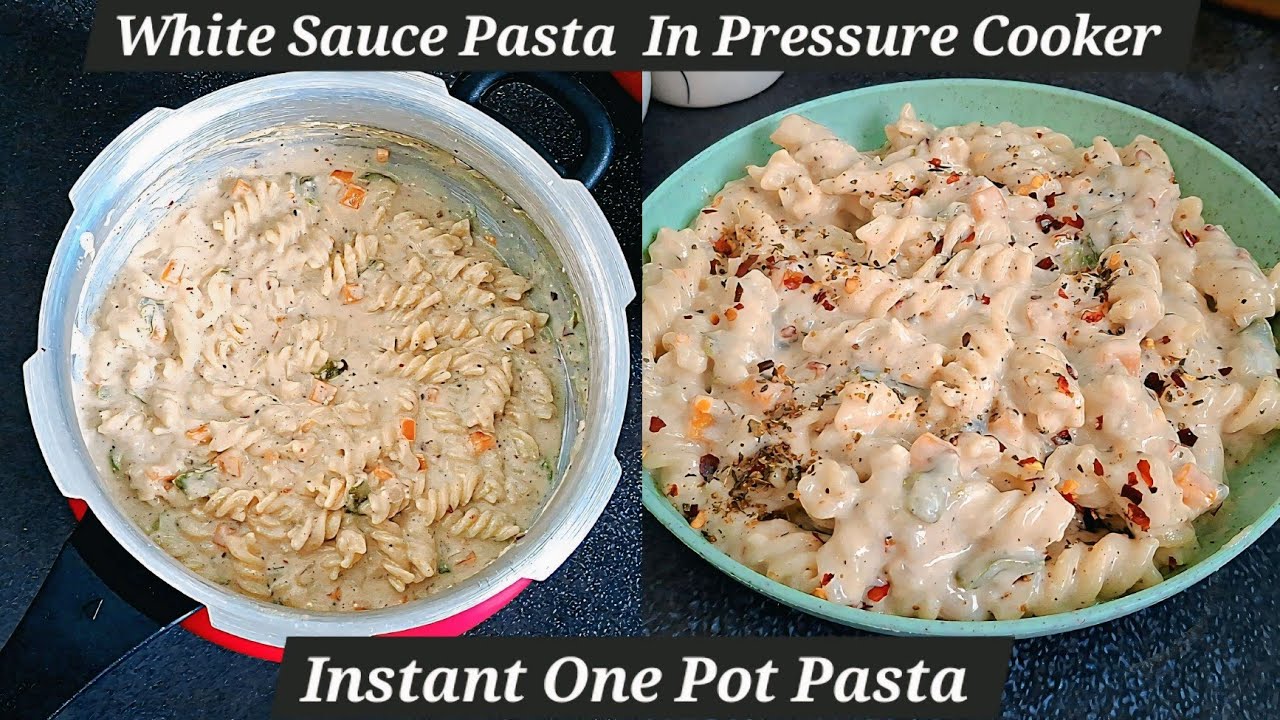
Credit: www.youtube.com
Choosing The Right Pasta
Choosing the right pasta is important for pressure cooker recipes. Different pasta shapes and sizes react differently under pressure. Some types cook well and keep their texture. Others may become mushy or lose their shape. Picking the right pasta makes your meal tasty and easy to prepare.
Types Suitable For Pressure Cooking
Short pasta shapes work best in pressure cookers. They cook evenly and quickly. Examples include:
- Penne
- Rigatoni
- Fusilli
- Macaroni
- Rotini
These types hold their shape and do not stick together easily. Small or thin pasta like orzo also works well. They need less cooking time.
Avoiding Overcooked Varieties
Long pasta like spaghetti or fettuccine often overcook in pressure cookers. Their thin strands become soft and sticky fast. Fresh pasta also cooks too quickly and can turn mushy. Avoid these types or cook separately by boiling. Using thick pasta shapes helps avoid overcooking. Always check cooking time carefully for best results.
Credit: www.simplyhappyfoodie.com
Gathering Ingredients And Tools
Cooking pasta in a pressure cooker saves time and effort. Before starting, gather all ingredients and tools. This step ensures smooth cooking without interruptions. Proper preparation leads to better results and tastier pasta.
Pasta And Water Ratio
Use the right amount of water for perfect pasta texture. Too much water makes pasta soft and soggy. Too little water causes burning or sticking. A good rule is to cover the pasta by about one inch of water. For example, for 8 ounces of dry pasta, use about 2 cups of water. Stir pasta well to avoid clumping.
Essential Pressure Cooker Accessories
- Pressure cooker with a secure lid and pressure valve
- Measuring cups for water and pasta
- Wooden spoon or silicone spatula for stirring
- Colander for draining pasta after cooking
- Heat-resistant gloves to handle hot cooker safely
Having these tools ready will make cooking easier. It also helps maintain safety and control during the process.
Preparing Pasta For Cooking
Preparing pasta for cooking in a pressure cooker is a simple yet crucial step that can greatly affect your final dish. Taking a few moments to rinse, measure, and season your pasta ensures even cooking and enhances flavor. Let’s dive into how you can get your pasta ready before it hits the pressure cooker.
Rinsing And Measuring Pasta
Start by measuring the amount of pasta you want to cook. Using a kitchen scale or measuring cups helps maintain the right pasta-to-water ratio, which is key in pressure cooking.
Rinsing pasta briefly under cold water removes excess starch that can make your dish sticky or gummy. It also prevents the pasta from clumping together inside the pressure cooker.
Have you ever noticed pasta sticking to the pot or turning mushy? Proper rinsing and measuring can solve that problem instantly.
Adding Seasonings And Oil
Before cooking, add seasonings directly to the water or pasta to build flavor from the start. Salt is essential; it seasons the pasta and enhances its taste.
A small splash of olive oil or any cooking oil helps prevent the pasta from sticking and adds a subtle richness. You don’t need much—just a teaspoon or two is enough.
Think about your favorite pasta dish—how do the flavors come together? Adding seasonings and oil at this stage sets the foundation for a delicious meal.
Setting Up The Pressure Cooker
Place the pasta and water inside the pressure cooker. Ensure the liquid covers the pasta for even cooking. Seal the lid tightly to build pressure.
Cooking pasta in a pressure cooker is a time-saving method that can produce perfectly cooked pasta with minimal effort. Setting up the pressure cooker correctly is crucial to achieve the desired texture and flavor. With just a few simple steps, you can ensure your pasta turns out delicious every time.
Adding Liquid
The first step in setting up your pressure cooker for pasta is adding the right amount of liquid. Water is the most common choice, but you can also use broth for extra flavor. Generally, use enough liquid to just cover the pasta. This ensures even cooking and prevents sticking. A good rule of thumb is about 4 cups of liquid for every 8 ounces of pasta. Have you ever tried adding a splash of olive oil or a pinch of salt to the water? It can enhance the taste and help prevent the pasta from clumping together. The next time you cook pasta, give it a try and see the difference it makes.
Layering Pasta In The Pot
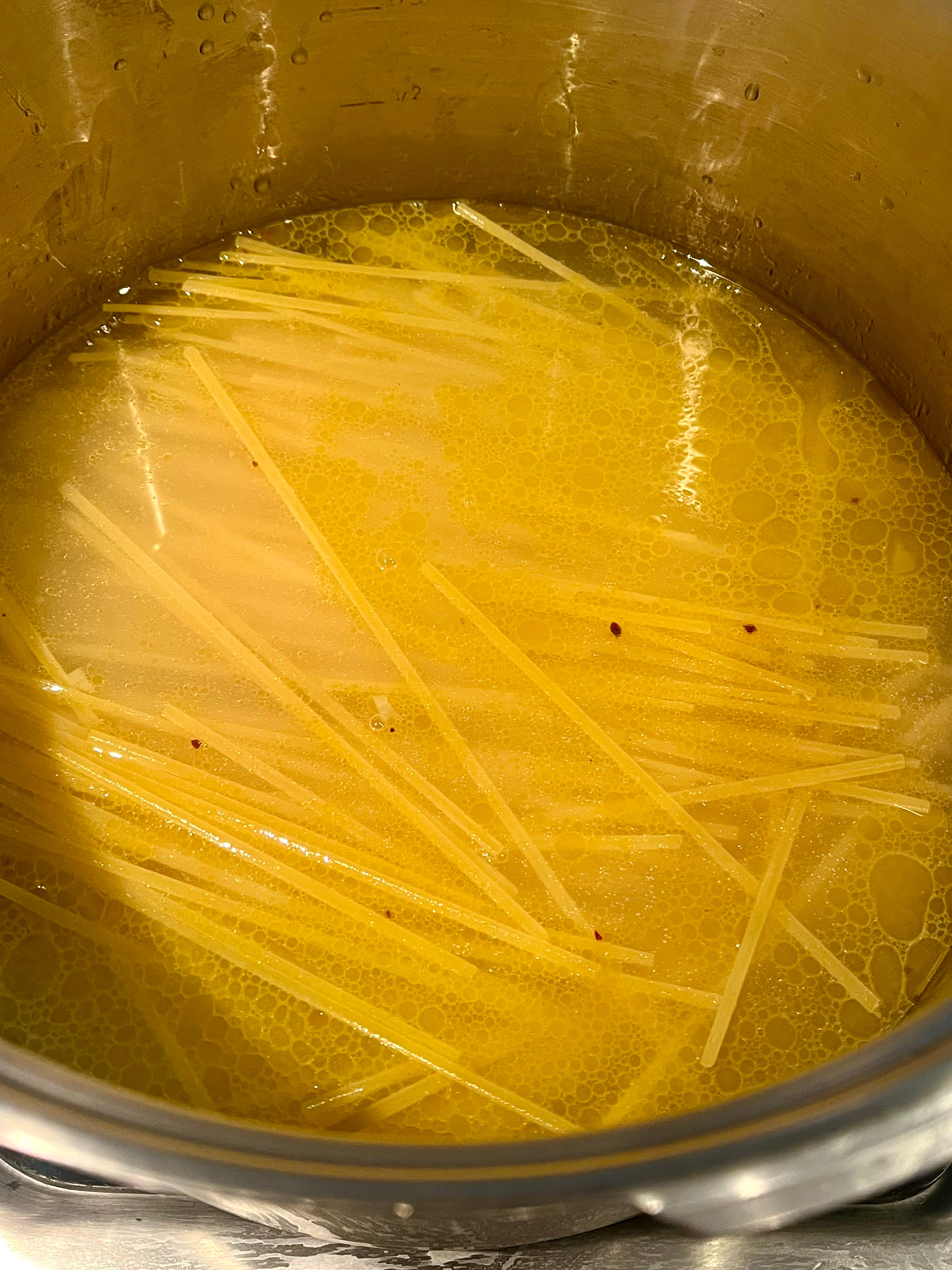
Once your liquid is in place, it's time to add the pasta. Layering the pasta correctly is essential to avoid uneven cooking. Spread the pasta evenly across the bottom of the pot. If you're cooking long pasta like spaghetti, break it in half and crisscross it. This helps it cook uniformly and reduces the chance of sticking. Avoid piling the pasta in one spot. This can lead to a clump of undercooked and overcooked pasta. Have you considered using a trivet or steamer basket? It can help keep the pasta from sticking to the bottom of the pot. By following these simple steps, setting up your pressure cooker for pasta becomes a breeze. Have you ever wondered how much time you could save by using a pressure cooker for pasta? Give it a try and enjoy perfectly cooked pasta with minimal fuss.
Cooking Time And Pressure Settings
Cooking pasta in a pressure cooker saves time and effort. The key is setting the right cooking time and pressure level. These factors affect the pasta texture and doneness. Too much pressure or time can make pasta mushy. Too little leaves it undercooked. Follow simple guidelines to get perfect pasta every time.
Recommended Cooking Times
Most pasta cooks quickly in a pressure cooker. Use these general times at high pressure:
- Thin pasta (angel hair, vermicelli): 1 to 2 minutes
- Regular pasta (spaghetti, penne, macaroni): 3 to 5 minutes
- Thick or large pasta (rigatoni, shells): 6 to 8 minutes
Always start timing once the cooker reaches full pressure. Release pressure quickly to avoid overcooking. Adjust time slightly for personal texture preference.
Adjusting For Different Pasta Types
Different pasta shapes and sizes need time adjustments.
- Small shapes cook faster. Reduce time by 1 minute.
- Fresh pasta cooks faster than dried. Lower time by 2 minutes.
- Gluten-free pasta needs gentle cooking. Use low pressure and less time.
Test new pasta types with short cooking times first. You can always cook a bit longer if needed. Keep notes for future cooking.
Releasing Pressure Safely
Releasing pressure safely after cooking pasta in a pressure cooker is crucial for both the texture of your dish and your safety. If you rush this step, your pasta might turn mushy or stick together. Taking your time and choosing the right release method makes a big difference in the final outcome.
Natural Vs. Quick Release Methods
Natural release means letting the pressure drop on its own without opening the valve. This takes about 10 to 15 minutes, allowing the pasta to finish cooking gently. The result is usually more tender pasta, perfect if you prefer a softer texture.
Quick release, on the other hand, involves turning the valve to release steam immediately. This method stops the cooking process fast, helping avoid overcooked pasta. However, you need to be careful to avoid hot steam burns. Always use a long utensil or oven mitt to turn the valve away from your face and hands.
Think about the type of pasta you’re cooking. Delicate shapes like angel hair benefit from natural release, while sturdier types like penne handle quick release well. Have you tried both? Which texture do you prefer?
Avoiding Overcooking
Overcooked pasta is a common mistake when pressure cooking. It happens when you release pressure too slowly or leave pasta in hot water too long after cooking. To avoid this, time your release based on your pasta type and recipe.
- For quick release, be ready to drain immediately once pressure drops.
- For natural release, check the pasta after 10 minutes to prevent over-softening.
- Use cold water rinse right after draining if you want to stop cooking instantly.
My experience taught me that rushing the release leads to sticky pasta, especially with fusilli or shells. Patience during pressure release gives you better control over doneness. How do you usually manage your pressure cooker timing?
Serving And Enhancing Pasta
After cooking pasta in a pressure cooker, the way you serve and enhance it can make all the difference. Properly handling your pasta right after cooking ensures it maintains the perfect texture. Then, adding the right sauces and toppings can elevate your dish from simple to sensational.
Draining And Fluffing Pasta
Once the pressure cooker releases steam, carefully open the lid and check your pasta. Use a colander or slotted spoon to drain any excess water quickly. Avoid rinsing the pasta unless your recipe specifically calls for it, as rinsing removes the starch that helps sauce cling to the noodles.
After draining, fluff the pasta gently with a fork. This stops the noodles from sticking together and helps keep them light and separate. Have you noticed how a quick fluff can completely change the texture and mouthfeel of your pasta?
Adding Sauces And Toppings
Now that your pasta is perfectly cooked and fluffed, it’s time to add flavor. Pour your favorite sauce over the pasta while it’s still warm to help it absorb better. Whether it’s a rich marinara, creamy Alfredo, or a simple olive oil and garlic mix, the key is to coat every strand evenly.
Don’t stop at just sauce. Think about toppings that add texture and taste. Fresh herbs like basil or parsley, a sprinkle of Parmesan cheese, toasted pine nuts, or even a handful of sautéed mushrooms can transform your dish. What’s your go-to topping that makes your pasta unforgettable?
Troubleshooting Common Issues
Using a pressure cooker to make pasta can save you time, but it does come with its quirks. Sometimes the pasta ends up mushy or sticks to the pot, leaving you frustrated. Let’s tackle these common issues so your pasta turns out perfectly every time.
Dealing With Mushy Pasta
Mushy pasta usually means it was cooked too long or there was too much liquid. Pressure cookers work fast, so reduce the cooking time compared to stovetop methods. Try cutting the suggested time by at least half and check the texture right after releasing the pressure.
If you’ve already got mushy pasta, drain it immediately and toss it with a bit of olive oil or sauce to help improve the texture. Have you noticed how different pasta shapes react differently under pressure? Thinner pastas like angel hair will turn mushy faster than thicker ones like rigatoni.
Preventing Sticking And Burning
Sticky or burnt pasta often happens when there isn’t enough water or the pressure cooker is too hot. Always add enough water to cover the pasta by at least an inch and stir well before sealing the lid. Using a little oil in the water can also help keep the pasta from sticking together.
If you see burning at the bottom, check if your cooker’s heat is too high or if there’s enough liquid inside. You might need to lower the heat once the cooker reaches pressure or add a splash more water next time. Have you tried stirring the pasta just before sealing the lid? It’s a small step that makes a big difference in avoiding clumps.
Tips For Perfect Pressure Cooker Pasta
Cooking pasta in a pressure cooker saves time and keeps noodles tender. Use enough water to cover pasta and set the timer for half the usual cooking time. Stir well to prevent sticking and release pressure carefully for best results.
Cooking pasta in a pressure cooker can be quick and easy. It saves time without compromising taste or texture. Here are some tips to help you make perfect pasta every time.
Batch Cooking And Storage
Cooking pasta in batches can be efficient. Make sure to slightly undercook the pasta. It will continue cooking during storage. Use airtight containers to keep it fresh. Store in the refrigerator for up to three days. For longer storage, freeze the pasta. Reheat with a splash of water to avoid dryness.
Flavor Variations And Add-ins
Enhance your pasta with different flavors. Add garlic or herbs while cooking for a rich taste. Consider adding vegetables like bell peppers or spinach. For protein, include cooked chicken or beans. Cheese lovers can stir in grated parmesan or mozzarella. Experiment with sauces like marinara or pesto. Adjust spices to suit your taste.
Credit: catherine244.substack.com
Frequently Asked Questions
How Long Does It Take To Cook Pasta In A Pressure Cooker?
Cooking pasta in a pressure cooker usually takes 4 to 6 minutes. The exact time depends on the pasta type and size. Quick cooking saves time compared to boiling. Always follow specific pasta package instructions for best results.
Can I Cook Pasta Without Boiling Water First?
Yes, you can cook pasta directly in the pressure cooker without pre-boiling. Add pasta, water, and salt, then pressure cook. This method saves time and reduces cleanup while ensuring perfectly cooked pasta.
How Much Water Is Needed For Pressure Cooker Pasta?
Use enough water to just cover the pasta in the pressure cooker. Typically, 2 cups of water per 8 ounces of pasta works well. Avoid excess water to prevent mushy pasta and ensure even cooking.
Should I Add Oil When Cooking Pasta In A Pressure Cooker?
Adding a small amount of oil can prevent pasta from sticking. However, it is optional and depends on personal preference. Stir pasta before sealing the cooker to reduce clumping.
Conclusion
Cooking pasta in a pressure cooker saves time and effort. It cooks evenly and quickly, making meal prep simple. Just add pasta, water, and salt, then seal and cook. Watch the time closely to avoid mushy noodles. This method works well for many pasta types.
Try it for a fast, tasty meal any day. Enjoy soft, flavorful pasta with less fuss and cleanup. Give pressure cooker pasta a chance—it’s easy and practical.