
Are you tired of the same old scrambled or fried eggs every morning? What if you could make perfectly cooked eggs that are easy to grab, fun to eat, and ready in no time?
Cooking eggs in a muffin pan is a simple trick that changes the way you start your day. Imagine having a batch of delicious, evenly cooked eggs waiting for you—no mess, no fuss. You’ll discover step-by-step how to make eggs in a muffin pan that will save you time and add a tasty twist to your breakfast routine.
Keep reading, and you’ll wonder why you didn’t try this sooner!
Choosing The Right Muffin Pan
Choosing the right muffin pan can make a big difference in how your eggs turn out. The pan’s material, size, and coating all affect cooking time, cleanup, and even the taste. Understanding these factors helps you pick a pan that fits your kitchen style and cooking habits.
Material Options
Muffin pans come in different materials like aluminum, stainless steel, and silicone. Aluminum heats quickly and evenly, giving your eggs a consistent texture. Stainless steel is durable and resists rust but may heat unevenly, so keep an eye on your eggs while cooking.
Silicone pans are flexible and easy to pop eggs out of, but they don’t conduct heat as well. I once tried silicone and noticed my eggs took longer to cook, which made me adjust my timing. What kind of material do you prefer for quick and easy breakfasts?
Size And Shape Considerations
Standard muffin pans have cups that hold about 3.5 ounces, but mini or jumbo sizes are also available. Smaller cups cook eggs faster and are great for bite-sized snacks. Larger cups give you room to add veggies, cheese, or meat for a heartier meal.
Shape matters too—round cups create classic muffins, while square or deeper cups can hold more ingredients without spilling. Think about how you like your eggs and what fits your meal plans before choosing a pan size and shape.
Non-stick Vs Silicone
Non-stick muffin pans are popular because they prevent eggs from sticking and make cleanup easier. A good non-stick coating means less oil or butter, which helps keep your eggs healthier. However, these pans can scratch easily, so use silicone or wooden utensils to protect the surface.
Silicone pans are naturally non-stick and very flexible, perfect if you want to easily pop out your cooked eggs. They also handle temperature changes well, but sometimes eggs don’t brown as nicely as with metal pans. Which feature matters more to you—easy release or browning?

Credit: msrachelhollis.com
Preparing Eggs For Muffin Pan Cooking
Preparing eggs for muffin pan cooking is simple and fun. It sets the base for tasty and neat egg muffins. Proper preparation ensures even cooking and great flavor. Small steps before baking can make a big difference.
Beating And Seasoning
Beat eggs gently until yolks and whites mix well. Avoid over-beating to keep a tender texture. Add salt and pepper for basic taste. A pinch of herbs or spices can enhance flavor. Seasoning before cooking helps flavors blend evenly.
Adding Fillings And Mix-ins
Choose fillings like cheese, vegetables, or cooked meats. Chop ingredients small to fit muffin cups. Mix-ins add texture and taste to plain eggs. Layer fillings or stir them into the beaten eggs. Avoid watery veggies to keep muffins firm.
Using Whole Eggs Vs Egg Whites
Whole eggs give a rich, creamy texture and taste. Egg whites create lighter, lower-calorie muffins. Mix whole eggs and whites for balance. Whites need extra seasoning as they are mild. Pick based on your health needs and flavor preference.
Cooking Methods In Muffin Pans
Cooking eggs in a muffin pan offers several simple methods. Each method suits different kitchen tools and time limits. This variety lets you choose the best way for your morning routine or meal prep. Explore these common cooking techniques to make perfect eggs every time.
Baking In The Oven
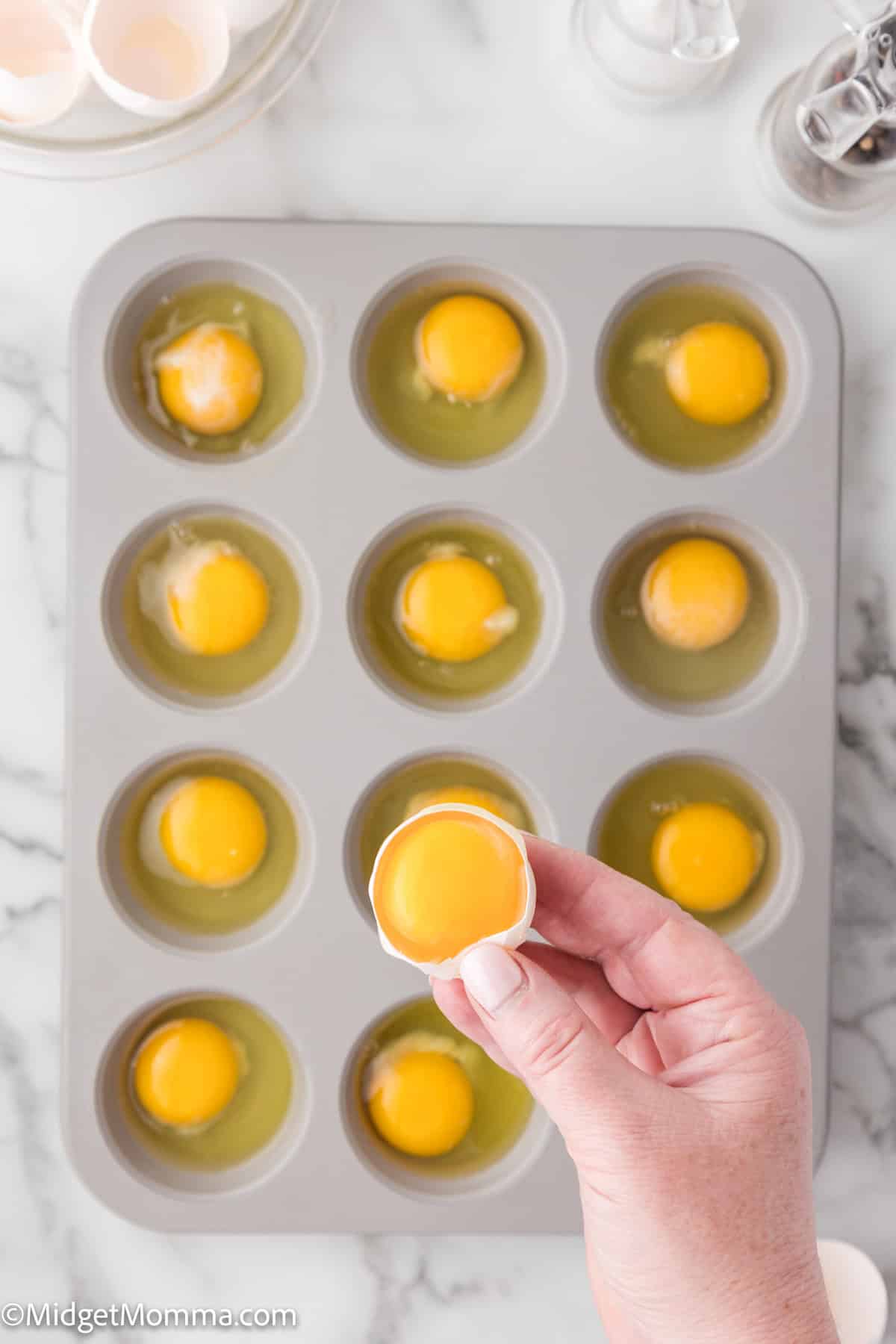
Baking eggs in the oven is easy and hands-off. Preheat the oven to 350°F (175°C). Grease the muffin pan with oil or butter to prevent sticking. Crack one egg into each muffin cup. Bake for 12 to 15 minutes until the eggs set. You can add cheese, vegetables, or meat for extra flavor. This method cooks eggs evenly and works well for batch cooking.
Microwave Techniques
Microwaving eggs in a muffin pan saves time. Use a microwave-safe muffin pan or silicone mold. Spray the cups with cooking spray. Crack eggs into each cup and season lightly. Cook on high for 30 to 60 seconds. Check doneness and heat more if needed. This way is quick but requires careful timing to avoid overcooking.
Using A Slow Cooker
The slow cooker method is great for gentle, even cooking. Lightly grease the muffin pan and place it inside the slow cooker. Crack eggs into each cup. Cover and cook on low for 1 to 2 hours. This technique is ideal for busy mornings or when you want eggs ready at a set time. It yields soft and tender eggs without constant attention.
Easy Muffin Pan Egg Recipes
Cooking eggs in a muffin pan is simple and fun. It’s perfect for busy mornings or family brunches. You can prepare a variety of delicious egg dishes with minimal effort. Let's explore some easy muffin pan egg recipes that everyone will love.
Classic Baked Eggs
For a classic taste, bake eggs with a sprinkle of salt and pepper. Preheat your oven to 350°F (175°C). Lightly grease each muffin cup. Crack one egg into each cup. Add a pinch of salt and pepper on top. Bake for 12 to 15 minutes, until whites are set. Enjoy these with toast or on their own.
Egg Muffins With Vegetables
Boost your morning with veggie-packed egg muffins. Chop your favorite vegetables like bell peppers, spinach, or mushrooms. In a bowl, mix eggs, a splash of milk, salt, and pepper. Stir in the vegetables. Pour the mixture into greased muffin cups. Fill each cup about 3/4 full. Bake at 350°F (175°C) for 18 to 20 minutes. Enjoy a healthy start to your day.
Cheesy Egg Cups
Cheesy egg cups are a treat for cheese lovers. Start with greased muffin cups. Place a small slice of ham at the bottom. Crack an egg into each cup. Sprinkle shredded cheese on top. Bake at 375°F (190°C) for 15 to 18 minutes. The cheese will melt into the egg, creating a gooey delight. Serve warm for a delicious breakfast.
Tips For Perfect Egg Muffins
Mastering the art of cooking eggs in a muffin pan can save you time and add variety to your breakfast routine. Achieving perfect egg muffins means paying attention to a few key details that affect texture, flavor, and cleanup. Let’s dive into practical tips to make your egg muffins turn out just right every time.
Preventing Sticking
Nothing ruins the joy of a perfect egg muffin like it sticking stubbornly to the pan. To avoid this, always grease your muffin pan well with butter, oil, or non-stick spray. If you prefer, use silicone muffin liners—they make cleanup a breeze and keep the muffins intact.
Have you tried sprinkling a little cheese or breadcrumbs on the pan before adding the egg mixture? This can create a barrier that helps the muffins release easily. Also, letting the muffins cool for a few minutes before removing them can prevent breakage.
Cooking Time And Temperature
The right cooking time and temperature are crucial for fluffy, tender egg muffins. Baking at 350°F (175°C) usually works best, allowing eggs to cook evenly without drying out. Typically, 18-22 minutes is enough, but ovens vary, so keep an eye on them.
Do you notice the edges getting too brown or the center still jiggly? Adjust your oven temperature slightly or tent the muffins with foil to prevent over-browning. A toothpick test can help you check doneness—if it comes out clean, your muffins are ready.
Storage And Reheating
Egg muffins are perfect for meal prep, but storing and reheating them properly keeps them tasty and safe. Cool the muffins completely before storing to avoid condensation that makes them soggy. Place them in an airtight container and refrigerate for up to 4 days.
Reheat muffins in the microwave for about 30 seconds or in a toaster oven for a crisper texture. Ever tried freezing egg muffins? They freeze well—just thaw overnight in the fridge before reheating. This way, you can enjoy a quick and nutritious breakfast any day of the week.
Credit: www.midgetmomma.com

Credit: www.tasteofhome.com
Frequently Asked Questions
How Long To Cook Eggs In A Muffin Pan?
Bake eggs in a muffin pan at 350°F for 12-15 minutes. Cooking time varies by oven and egg size. Check for firm whites and slightly set yolks. Avoid overcooking to keep eggs tender and moist. Adjust time for desired doneness.
Can I Add Vegetables To Muffin Pan Eggs?
Yes, you can add chopped vegetables like spinach, peppers, or tomatoes. Mix veggies with eggs before pouring into muffin cups. This boosts flavor and nutrition. Precook harder vegetables slightly to ensure they cook fully. Customize with your favorite ingredients.
Should I Grease The Muffin Pan For Eggs?
Greasing the muffin pan is important to prevent sticking. Use non-stick spray, butter, or oil to coat each cup. This helps eggs release easily after baking. It also makes cleanup faster and preserves the muffin pan’s surface.
Can I Make Egg Muffins Ahead And Store Them?
Yes, bake egg muffins in advance and store in the fridge. Keep them in an airtight container for up to 4 days. Reheat in the microwave or oven before serving. This makes a quick and healthy breakfast option.
Conclusion
Cooking eggs in a muffin pan saves time and effort. You get neat, easy-to-handle egg cups every time. Experiment with different toppings for variety and taste. Perfect for quick breakfasts or meal prep ahead. Cleaning is simple, making cooking stress-free.
Try this method and enjoy eggs made your way. Simple steps lead to tasty, consistent results each time. Give it a try and see how easy it is!


