Are you ready to enjoy tender, flavorful corned beef without spending hours in the kitchen? Cooking corned beef in a slow cooker is one of the easiest ways to get a juicy, mouthwatering meal with minimal effort.
Imagine coming home to the delicious aroma of perfectly cooked meat, ready to serve whenever you are. You’ll discover simple steps and insider tips to make your slow cooker corned beef a family favorite. Keep reading, and you’ll never want to cook corned beef any other way!
Choosing Corned Beef
Choosing the right corned beef is the first step to making a delicious slow-cooked meal. The cut and quality of the meat can change the texture and flavor significantly. Knowing what to look for saves time and ensures you end up with a tender, flavorful dish.
Types Of Corned Beef Cuts
Corned beef comes mainly from two cuts: brisket and round. The brisket is the most common and has a good balance of fat and muscle, which makes it tender when slow-cooked. The flat cut brisket is leaner, while the point cut has more marbling and flavor.
The round cut is leaner and less fatty, so it cooks faster but can sometimes be tougher. It’s a good choice if you prefer a leaner meal or want to avoid extra fat. Have you noticed how different cuts affect the tenderness of your slow-cooked meals?
Selecting Quality Meat
Look for corned beef that has a bright pink color and is moist but not slimy. Avoid packages with excessive liquid or discoloration. Freshness impacts both taste and how well the meat will hold up during the long cooking process.
Check the label for the curing ingredients—traditional corned beef has a mix of salt, sugar, and pickling spices. Some brands add preservatives or extra sodium, which can affect flavor and healthiness. Choosing a product with simple, natural ingredients often leads to a cleaner taste.
When you buy corned beef, think about how much fat you want in your finished dish. More fat means richer flavor, but it also means more trimming after cooking. What balance between flavor and health do you prefer in your meals?
Preparing Corned Beef
Preparing corned beef properly sets the foundation for a tender and flavorful meal. Taking time to rinse and trim the beef ensures you remove excess salt and any unwanted bits. Then, adding the right seasonings helps the meat soak up delicious flavors during slow cooking.
Rinsing And Trimming
Start by rinsing the corned beef under cold water to wash away the brine and surface salt. This step prevents your dish from becoming too salty, which is a common pitfall.
Next, trim off any thick fat layers if you prefer a leaner result. However, leaving some fat can enhance flavor and moisture as the beef cooks slowly.
Have you noticed how a little extra fat can make the meat juicier? It’s worth experimenting with based on your taste.
Adding Seasonings
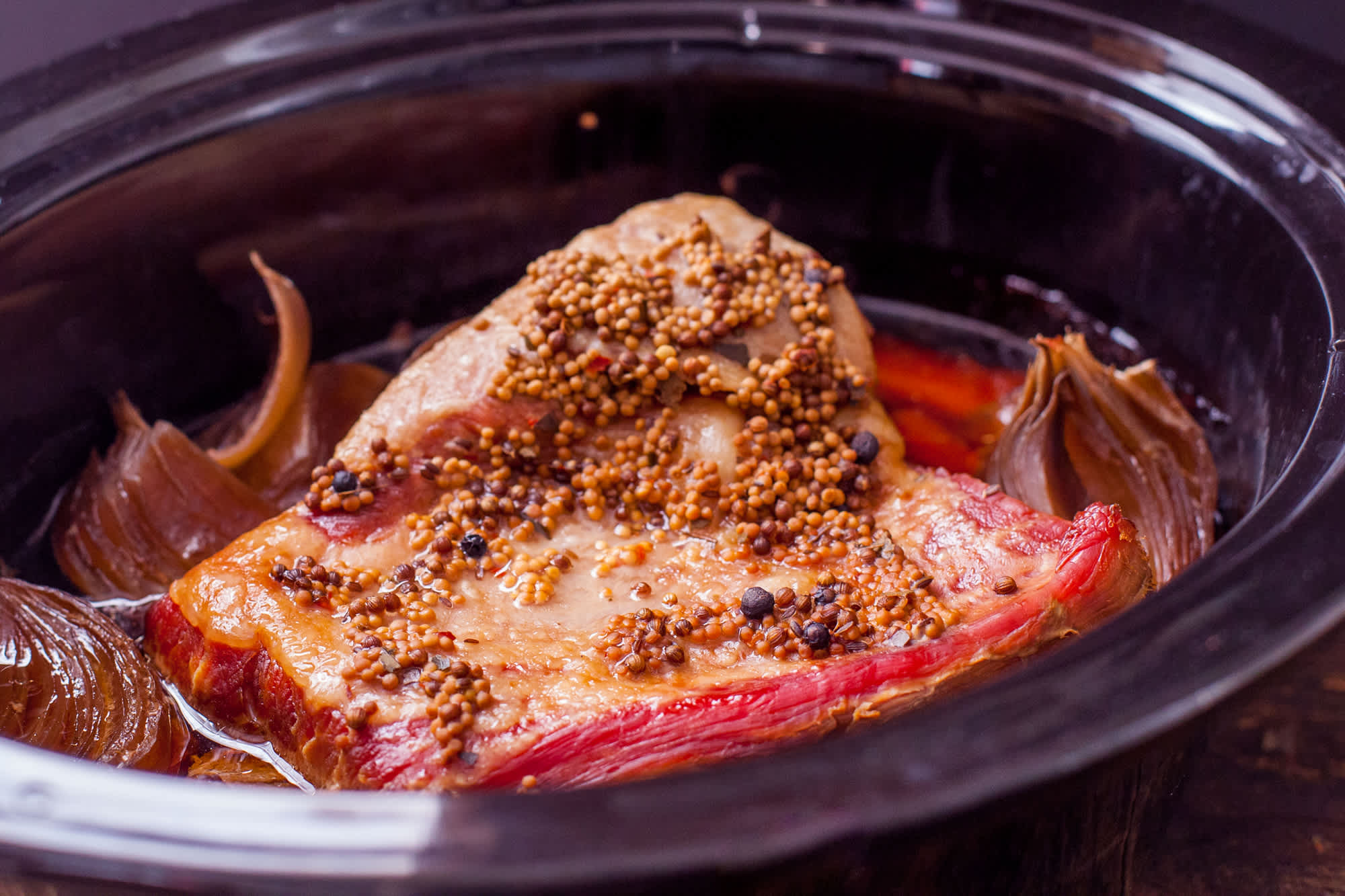
Though corned beef usually comes with a seasoning packet, you can boost flavor by adding fresh spices.
- Cracked black pepper
- Bay leaves
- Mustard seeds
- Garlic cloves
- Onion slices
These simple additions turn your slow cooker into a flavor powerhouse. You control the intensity, so adjust to your liking.
Think about the last time you enhanced a dish with a spice you didn’t expect—did it surprise your taste buds? Your slow cooker corned beef can do the same.
Setting Up The Slow Cooker
Setting up your slow cooker correctly is key to cooking tender and flavorful corned beef. It’s not just about tossing everything in and hitting start. The way you arrange ingredients and add liquids impacts the cooking process and final taste.
Adding Liquid
Start by adding enough liquid to keep the corned beef moist throughout the long cooking time. Water or beef broth works well, but you can also use beer for extra flavor. Aim for about 4 cups, enough to cover the meat halfway.
Don’t pour the liquid directly over the meat. Instead, add it around the sides to avoid washing away the seasoning on the corned beef’s surface. This little trick helps preserve the rich flavors.
Layering Vegetables
Place sturdy vegetables like potatoes, carrots, and onions at the bottom of the slow cooker. They act as a natural rack, keeping the corned beef elevated from the liquid. This prevents the meat from boiling and promotes even cooking.
Layering veggies also infuses the broth with their flavors, creating a delicious base for your meal. Try cutting vegetables into uniform sizes so they cook evenly and finish at the same time as the beef.
Credit: www.food.com
Cooking Time And Temperature
Getting the cooking time and temperature right is key to making tender, flavorful corned beef in your slow cooker. If the temperature is too low or the time too short, your beef might turn out tough. Too high or too long, and it could dry out. Finding the sweet spot ensures every bite melts in your mouth.
Low Vs High Settings
Your slow cooker usually has two main temperature settings: low and high. Cooking corned beef on lowmeans a slow, gentle simmer that breaks down tough fibers and connective tissue. This setting is ideal if you want the juiciest, most tender result.
On the other hand, the highsetting cooks the beef faster by increasing the heat. This is helpful if you’re short on time, but it requires careful monitoring to avoid drying out the meat. Have you noticed how sometimes fast cooking can sacrifice flavor?
Estimated Cooking Duration
Generally, corned beef takes about 8 to 10 hours on lowor 4 to 6 hours on highin a slow cooker. The exact time depends on the size and thickness of your brisket. For example, a 3-pound corned beef usually needs around 8 hours on low.
If you’re using the high setting, start checking tenderness around the 4-hour mark. You want to easily insert a fork without resistance. This hands-on approach helps you avoid overcooking.
- Low setting: 8–10 hours for tender, juicy meat
- High setting: 4–6 hours when time is tight
- Check for fork-tender texture before finishing
What cooking setting have you found works best with your slow cooker? Experimenting with these times can help you tailor the perfect corned beef every time.
Checking For Doneness
Checking for doneness is a crucial step when cooking corned beef in a slow cooker. It ensures your meat is safe to eat and reaches the perfect tenderness. Relying solely on cooking time can be misleading since slow cooker temperatures and corned beef cuts vary.
Using A Meat Thermometer
A meat thermometer is your best friend for accurate doneness checks. Insert it into the thickest part of the corned beef without touching the bone or fat. Your target temperature should be around 190°F to 205°Ffor tender, fully cooked meat.
Why risk guessing when a quick temperature check guarantees safety and flavor? If the temperature is below 190°F, keep cooking and check again after 30 minutes. This simple tool saves you from undercooked or tough corned beef every time.
Texture And Tenderness Tips
Beyond temperature, feel your corned beef for texture. It should be soft and easily pierced with a fork. If it resists, it needs more time to break down tough fibers.
Slow cooking is about patience. Let the meat rest for 10-15 minutes after turning off the cooker; this helps juices redistribute. Ever had corned beef that was dry or chewy? That rest period often makes the difference between a good meal and a great one.
Serving Suggestions
Serve slow-cooked corned beef with boiled potatoes and steamed cabbage for a classic meal. A side of mustard or horseradish sauce adds extra flavor. Warm bread or dinner rolls complement the dish well.
Cooking corned beef in a slow cooker is a delightful experience, but what truly elevates the meal is how you serve it. The right accompaniments can transform a simple dish into a festive feast. Let's explore some serving suggestions that will make your corned beef shine.
Traditional Accompaniments
Pairing corned beef with traditional sides can transport you to a cozy Irish kitchen. - Cabbage: A classic partner, cabbage soaks up the flavorful juices from the beef. Try steaming it in the slow cooker during the last hour of cooking for a tender texture. - Potatoes: Whether mashed or boiled, potatoes provide a hearty base. Red potatoes hold their shape well and complement the beef's rich taste. - Carrots: Sweet and earthy, carrots offer a vibrant contrast. Slice them into chunks and cook alongside the beef for added sweetness. These staples not only honor tradition but also balance the meal, making each bite a comforting experience.
Creative Side Dishes
If you're feeling adventurous, why not try something different to surprise your taste buds? - Coleslaw with a Twist: Add apple slices and walnuts to your coleslaw for a refreshing crunch. This tangy side dish pairs wonderfully with the savory beef. - Roasted Brussels Sprouts: Toss them with olive oil and sprinkle with sea salt before roasting. Their crispy edges and nutty flavor add an exciting twist to the meal. - Garlic Mashed Cauliflower: For a lighter option, swap potatoes for mashed cauliflower. Infuse it with garlic and parmesan for a creamy, flavorful side. These creative options not only add color and texture but also invite compliments from your guests. Have you ever tried pairing corned beef with an unexpected side dish? What was your favorite? Mixing tradition with creativity can lead to delicious discoveries.
Storing And Reheating Leftovers
Saving your corned beef leftovers is easy and keeps the flavor fresh. Proper storage helps prevent spoilage and maintains taste. Reheating the meat correctly ensures it stays juicy and tender. Follow simple steps to keep your corned beef delicious for your next meal.
Proper Storage Methods
- Cool the corned beef to room temperature within two hours.
- Wrap the meat tightly in plastic wrap or aluminum foil.
- Place the wrapped corned beef in an airtight container or zip-top bag.
- Store in the refrigerator for up to 4 days.
- For longer storage, freeze the corned beef for up to 2 months.
- Label the container with the date before refrigerating or freezing.
Best Reheating Practices
- Thaw frozen corned beef overnight in the refrigerator.
- Reheat gently to avoid drying out the meat.
- Use a microwave on medium power, covered with a microwave-safe lid.
- Heat in a slow cooker on low for 1-2 hours.
- Reheat in an oven at 325°F (165°C), wrapped in foil, for 15-20 minutes.
- Add a splash of broth or water to keep the meat moist during reheating.

Credit: www.cuisinart.com

Credit: www.foodfaithfitness.com
Frequently Asked Questions
How Long To Cook Corned Beef In A Slow Cooker?
Cook corned beef in a slow cooker for 8 to 10 hours on low heat. This ensures tender, flavorful meat. High heat cooking takes 4 to 5 hours but may reduce tenderness.
What Liquid Should I Use For Slow Cooker Corned Beef?
Use beef broth, water, or beer as the cooking liquid. These liquids enhance flavor and keep the meat moist. Avoid acidic liquids like vinegar for long cooking.
Should I Add Vegetables When Slow Cooking Corned Beef?
Yes, add vegetables like potatoes, carrots, and cabbage in the last 2 hours. This prevents overcooking and maintains their texture and flavor.
Can I Cook Frozen Corned Beef In A Slow Cooker?
It’s best to thaw corned beef before slow cooking. Cooking frozen meat can cause uneven cooking and unsafe temperatures.
Conclusion
Cooking corned beef in a slow cooker is simple and hands-free. Just add your meat, spices, and some water or broth. Let it cook slowly for several hours until tender. The slow cooker makes the beef soft and full of flavor.
Serve it with potatoes or cabbage for a complete meal. You can enjoy a tasty, comforting dish with little effort. This method saves time and keeps your kitchen cool. Try it for a cozy dinner that everyone will like.