Are you craving tender, flavorful corned beef but worried about the long cooking time? What if you could have perfectly cooked corned beef in a fraction of the time?
Using a pressure cooker is the secret to making your meal faster without losing any taste. You’ll discover simple steps to cook corned beef that’s juicy and delicious every time. Ready to impress your family or guests with a hearty dish?
Keep reading, and you’ll master the easy way to cook corned beef in your pressure cooker.
Choosing Corned Beef
Choosing the right corned beef is key to a tasty meal. The cut and quality of the meat affect the flavor and texture. Knowing which cut suits your cooking style helps you get the best results in your pressure cooker.
Types Of Corned Beef Cuts
Corned beef comes from different parts of the cow. Each cut has unique qualities for cooking.
- Brisket:The most common cut for corned beef. It has a good fat layer that keeps the meat tender and juicy.
- Point Cut:A fattier section of the brisket. It is softer and richer in flavor.
- Flat Cut:Leaner than the point cut. It slices well and looks neat on the plate.
- Round Cut:From the rear leg. It is lean and less tender but cooks well under pressure.
Selecting Quality Meat
Choose fresh corned beef with a bright red color. Avoid cuts that look brown or have a strong smell.
Look for marbling, which are small fat streaks in the meat. Marbling adds flavor and keeps the beef moist.
Check the packaging date and use meat that is fresh or properly refrigerated.
Pick a size that fits your pressure cooker and the number of people you will serve.

Credit: www.acedarspoon.com
Preparing Corned Beef
Preparing corned beef properly sets the stage for a tender, flavorful meal, especially when using a pressure cooker. Taking a little extra time to rinse, trim, and season the beef can make a big difference in the final taste and texture. Let’s look at how to get your corned beef ready before it hits the pot.
Rinsing And Trimming
Start by rinsing the corned beef under cold water. This removes excess brine and any surface salt that might make your dish too salty.
After rinsing, pat the beef dry with paper towels. This helps the seasoning stick better during cooking.
Next, trim off any thick layers of fat. Leaving a thin layer adds flavor and moisture, but too much fat can result in a greasy texture. Have you ever bitten into corned beef and felt overwhelmed by fat? Trimming balances richness and tenderness perfectly.
Seasoning Tips
Corned beef usually comes with a spice packet, but you can boost the flavor by adding your own touches. Think about adding garlic cloves, peppercorns, bay leaves, or mustard seeds.
Sprinkle fresh herbs like thyme or rosemary to create a deeper aroma. Don’t be afraid to experiment here—your pressure cooker will infuse the beef with every spice you add.
Remember, seasoning isn’t just about salt. Layering flavors helps the meat shine through without being overpowering. What spices do you love in your corned beef? Try adding them next time and see how it changes the dish.
Pressure Cooker Setup
Setting up your pressure cooker properly is key to cooking tender, flavorful corned beef quickly. Getting the basics right helps you avoid common pitfalls like dry meat or undercooked spots. Let’s look at how to prepare your pressure cooker so your corned beef comes out perfect every time.
Choosing The Right Pressure Cooker
Not all pressure cookers are created equal. If you have an electric model with multiple settings, make sure it has a “meat” or “stew” option for even cooking. Stovetop pressure cookers heat up faster and allow you to control pressure manually, which can be handy if you want to adjust cooking times on the fly.
Capacity matters too. A 6-quart cooker is usually ideal for a standard corned beef brisket. If your corned beef is larger, consider an 8-quart model to ensure there’s enough room for liquid and aromatics without overcrowding. Have you checked if your cooker’s gasket and valves are clean and working? Small maintenance details can affect cooking performance significantly.
Adding Liquids And Aromatics
Pressure cookers need liquid to build steam and create pressure. For corned beef, water or broth works best—about 2 cups is usually sufficient. Avoid filling the cooker more than halfway to leave space for pressure to build safely.
Adding aromatics transforms your corned beef from bland to savory. Toss in ingredients like garlic cloves, bay leaves, peppercorns, and onion slices. These simple additions infuse the meat with flavor during cooking, so you don’t need to add heavy seasoning later.
Have you ever tried adding a splash of beer or a few mustard seeds? These can add subtle depth to the taste. Experiment with what you have in your kitchen; small tweaks can make a big difference in the final dish.
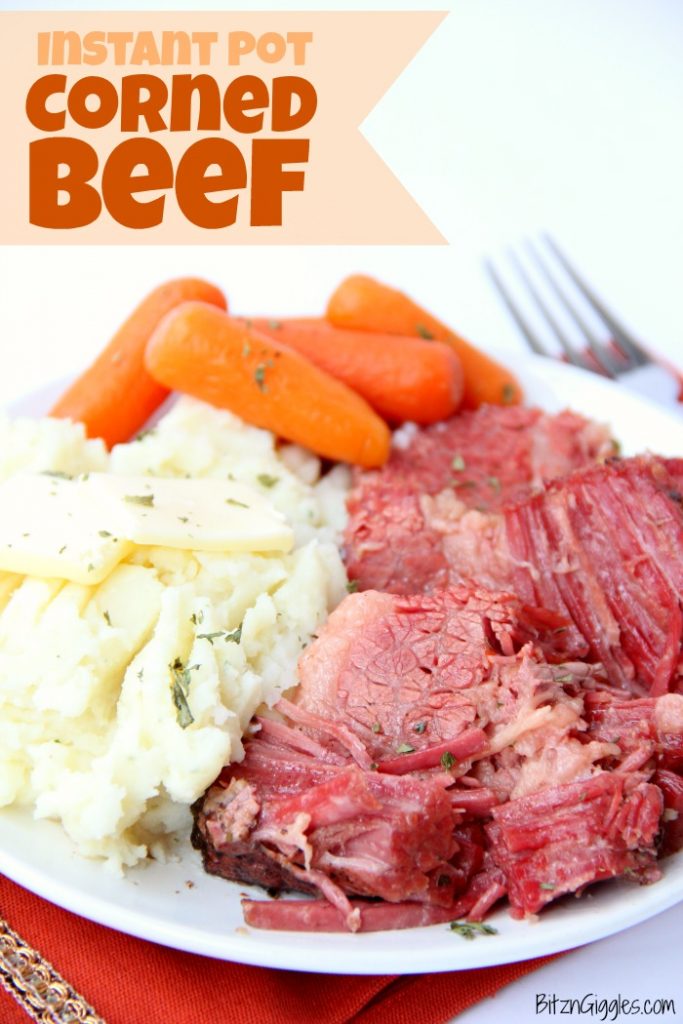
Credit: bitzngiggles.com
Cooking Times And Pressure Settings
Set the pressure cooker to high and cook corned beef for about 70 minutes per pound. Natural pressure release helps keep the meat tender and juicy. Adjust time slightly based on the size and thickness of the beef.
Cooking corned beef in a pressure cooker saves time and delivers tender results. Understanding the correct cooking times and pressure settings is key. This ensures the meat is cooked to perfection. Let's explore these important details.
Recommended Pressure Levels
Use the high-pressure setting for corned beef. This helps break down the tough fibers. Set your pressure cooker to 15 PSI. This setting cooks the beef evenly and quickly. Always check your specific model's manual. Some may have different recommendations.
Adjusting Time For Size And Thickness
Cooking time depends on the beef's size and thickness. Thicker cuts need more time. Typically, cook for 90 minutes per three-pound piece. For thicker or larger cuts, add 10-15 minutes. Always check the meat's internal temperature. It should reach 145°F for safe consumption. Use a meat thermometer for accuracy. Adjusting these elements ensures your corned beef is tender and flavorful.
Releasing Pressure Safely
Releasing pressure safely is key to prevent burns and accidents. Use the natural release method or carefully turn the valve to release steam slowly. Always keep hands and face away from the steam vent.
Releasing pressure safely from your pressure cooker is crucial when cooking corned beef. The pressure cooker, a time-saving marvel, demands respect and understanding to operate safely. Mastering the art of pressure release can be the difference between a delicious meal and a messy kitchen.
Natural Vs. Quick Release Methods
Natural release and quick release are two methods to safely release pressure. Natural release allows the pressure to drop gradually without interference. You simply let the cooker sit until the pressure decreases naturally. In contrast, the quick release method involves manually releasing pressure using the valve. This is faster but requires caution to avoid burns from the steam. Imagine you're in a hurry to get dinner on the table; the quick release is a tempting option. However, patience is often rewarded with tender meat. Natural release maintains moisture better, ensuring your corned beef is juicy and flavorful. Think about how you've cooked corned beef in the past: did you rush it, or let it take its time? Consider your schedule and taste preferences before choosing a release method. If you've got the time, natural release can enhance your meal's quality. But quick release is a handy shortcut when time is tight.
Credit: www.simplyhappyfoodie.com
Checking For Tenderness
Checking for tenderness is a key moment in cooking corned beef in your pressure cooker. This step ensures your meat is soft and juicy, not chewy or dry. Knowing how to check properly saves you from overcooking or undercooking, making your meal much more enjoyable.
Testing Meat Doneness
To test if your corned beef is done, use a fork or a sharp knife to pierce the thickest part of the meat. If it slides in easily and the meat starts to pull apart, it’s tender and ready. If you feel resistance or the meat feels firm, it needs more cooking time.
Another way is to gently twist the fork after inserting it. If the meat flakes apart without much effort, you have a tender corned beef. This simple test helps you avoid guesswork and ensures perfect texture every time.
Troubleshooting Tough Corned Beef
If your corned beef is still tough after the recommended cooking time, don’t worry. Close the lid and cook it under pressure for an additional 10 to 15 minutes. This extra time often breaks down the tough fibers.
Make sure you’re using enough liquid in the pressure cooker; too little can cause the meat to dry out and become tough. Also, check that your pressure cooker is reaching and maintaining the correct pressure level.
Have you ever been surprised by how much extra time your corned beef needed? It’s a common experience that teaches you to rely on texture tests rather than just the clock. Trust your hands and tools to guide you to tender results.
Serving Suggestions
After you’ve cooked your corned beef perfectly in the pressure cooker, the next step is deciding how to serve it. The right sides can elevate your meal and bring out the rich flavors of the beef. Whether you prefer classic pairings or want to try something new, here are some ideas that work beautifully with corned beef.
Traditional Side Dishes
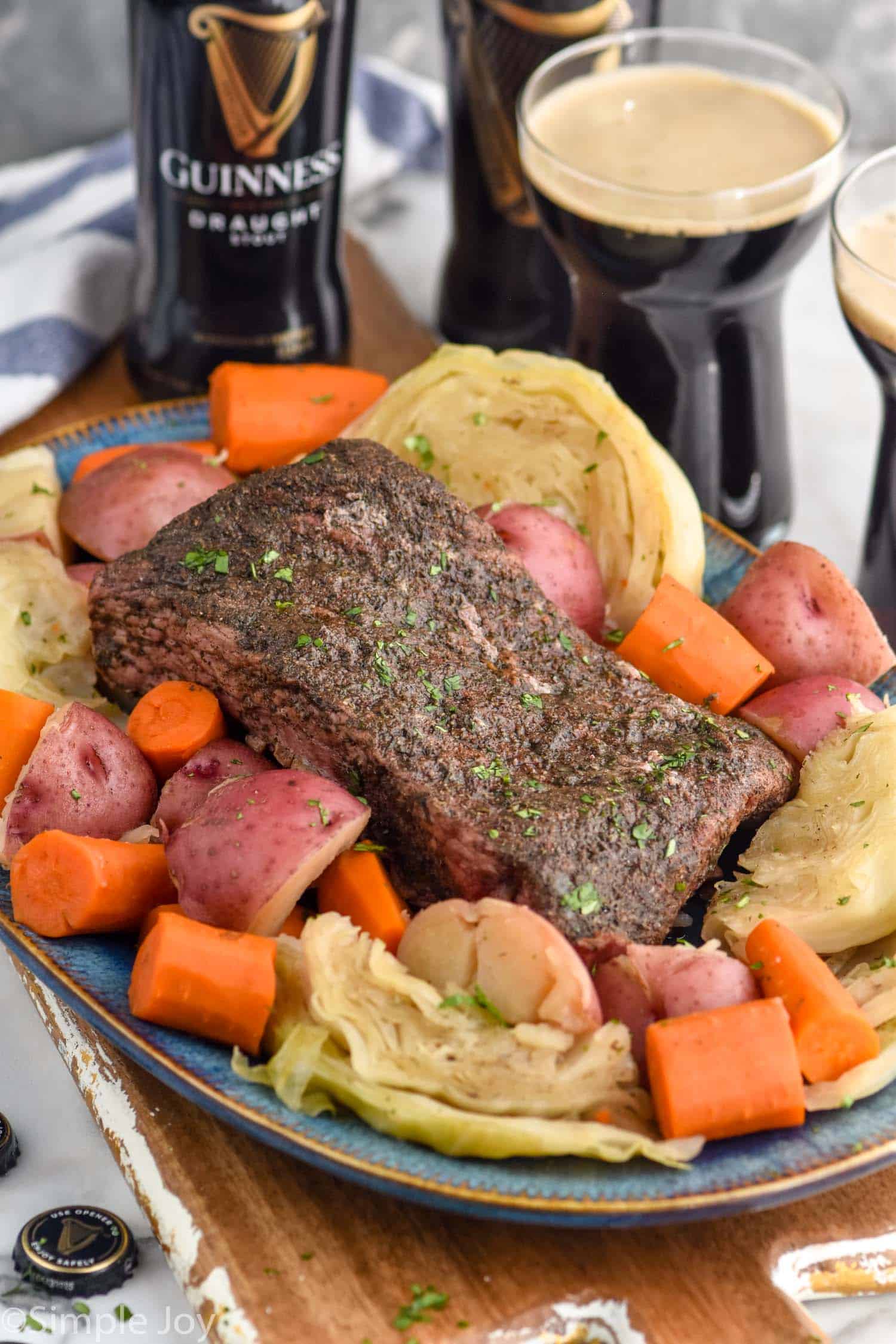
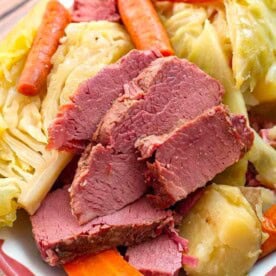
Classic sides never go out of style with corned beef. Think about serving it with boiled potatoes, carrots, and cabbage. These vegetables soak up the flavorful cooking broth and complement the salty beef perfectly.
- Boiled Potatoes:Use small red or Yukon gold potatoes, boiled until tender and tossed with a bit of butter and parsley.
- Steamed Cabbage:Cut wedges of cabbage steamed until soft but still a little crisp add a fresh bite.
- Carrots:Slice carrots thick and steam or roast them for a slightly sweet contrast.
- Mustard Sauce or Horseradish:A tangy mustard or spicy horseradish sauce adds a nice kick to each bite.
Have you ever tried serving corned beef with these traditional sides? They create a comforting and balanced plate that’s familiar and satisfying.
Creative Meal Ideas
If you want to switch things up, corned beef is surprisingly versatile. Use leftovers in sandwiches, tacos, or even a hash for breakfast. These ideas help you enjoy your meal in fresh, exciting ways.
- Corned Beef Hash:Dice the beef and fry it with onions and potatoes until crispy. Top with a fried egg for a hearty breakfast.
- Reuben Sandwich:Layer sliced corned beef with Swiss cheese, sauerkraut, and Russian dressing on rye bread, then grill it.
- Corned Beef Tacos:Warm tortillas filled with chopped corned beef, cabbage slaw, and a squeeze of lime create a fusion twist.
- Shepherd’s Pie:Use corned beef in place of ground meat, topped with mashed potatoes and baked until golden.
What’s your favorite unexpected way to enjoy corned beef? Trying one of these ideas could turn leftovers into a new family favorite.
Storing Leftovers
Storing leftover corned beef properly is just as important as cooking it right. If you want to enjoy that tender, flavorful meat again, you need to handle it with care after cooking. Poor storage can lead to dry, tough leftovers or even food safety issues.
Cooling And Refrigeration Tips
After cooking your corned beef in the pressure cooker, let it cool down a bit before storing. But don’t leave it out too long—ideally, transfer it to the fridge within two hours to prevent bacteria growth.
Slice the beef into smaller portions before refrigerating. This helps it cool faster and makes reheating easier later.
- Use airtight containers or wrap the beef tightly in plastic wrap or foil.
- Label your leftovers with the date to keep track of freshness.
- Store in the fridge for up to 3-4 days for best taste and safety.
Reheating Without Drying
Reheating corned beef can be tricky—heat it too long and it dries out. To keep it juicy, add a splash of beef broth or water before warming.
Use a low heat setting whether you’re reheating on the stove, in the oven, or microwave. Cover the meat to trap moisture.
- Stovetop: Warm gently in a covered pan with a bit of liquid.
- Oven: Wrap in foil and heat at 275°F (135°C) until warm.
- Microwave: Cover with a damp paper towel and heat in short bursts.
Have you noticed how small adjustments in reheating make your leftovers taste nearly as good as fresh? Try these tips next time and see the difference yourself.
Frequently Asked Questions
How Long Does It Take To Cook Corned Beef In A Pressure Cooker?
Cooking corned beef in a pressure cooker typically takes 70 to 90 minutes. This time depends on the beef's size and thickness. Using high pressure ensures the meat becomes tender and flavorful faster than traditional methods.
What Liquid Should I Use For Corned Beef In A Pressure Cooker?
Use water, beef broth, or beer as the cooking liquid. These liquids add moisture and enhance the corned beef's flavor. Avoid using too much liquid; about 2 cups usually suffice for pressure cooking.
Can I Cook Vegetables With Corned Beef In A Pressure Cooker?
Yes, add vegetables like potatoes, carrots, and cabbage. Add them halfway through cooking to avoid overcooking. This method saves time and makes a complete meal in one pot.
Do I Need To Soak Corned Beef Before Pressure Cooking?
No, soaking corned beef before pressure cooking is not necessary. The pressure cooker softens the meat effectively. However, rinsing the beef can reduce excess salt if desired.
Conclusion
Cooking corned beef in a pressure cooker saves time and keeps it tender. The process is simple and quick. Just add spices, water, and the beef to the cooker. Let it cook under pressure until soft. You get flavorful, juicy meat every time.
Serve it with your favorite sides for a hearty meal. This method suits busy days or when you want a fast dinner. Try it today for a tasty, easy dish.