Are you craving juicy, tender chicken wings but short on time? Cooking wings in a pressure cooker is the answer you’ve been looking for.
Imagine getting perfectly cooked wings that are full of flavor in a fraction of the usual time. You’ll discover simple steps to make delicious chicken wings right in your pressure cooker. Keep reading, and soon you’ll be enjoying wings that impress everyone—without the wait or hassle.

Credit: thecookful.com
Preparing Chicken Wings
Preparing chicken wings properly sets the stage for a delicious meal. Careful preparation ensures even cooking and better flavor. Follow simple steps to get your wings ready for the pressure cooker.
Choosing The Right Wings
Select fresh or fully thawed wings for the best results. Look for wings with firm texture and no unpleasant smell. Both whole wings or separated drumettes and flats work well. Avoid wings with broken bones or excessive skin tears.
Cleaning And Patting Dry
Rinse the wings under cold water to remove any surface debris. Use paper towels to pat them completely dry. Dry wings help spices stick better and improve browning after cooking. Avoid soaking wings in water for too long.
Seasoning Tips
Season wings evenly for bold and balanced flavor. Use salt and pepper as a base. Add garlic powder, paprika, or cayenne for a mild kick. Marinate wings for at least 30 minutes if time allows. Use a bowl or resealable bag for easy mixing.

Credit: lazymomguide.home.blog
Setting Up The Pressure Cooker
Setting up your pressure cooker correctly is essential to cook chicken wings perfectly. It influences the texture, flavor, and how well the wings cook under pressure. Let’s break down what you need to focus on before hitting that start button.
Selecting Pressure Cooker Models
Not all pressure cookers perform the same, especially with chicken wings. Some models offer programmable settings specifically for poultry, which can save you time and ensure consistent results.
If you’re using an electric pressure cooker like an Instant Pot, choose one with at least 6 quarts capacity to avoid overcrowding. For stovetop models, check for sturdy construction and reliable pressure release valves—these features impact safety and cooking quality.
Think about your kitchen space and how often you cook wings. Would a multi-functional model that also sautés and slow cooks make your life easier?
Adding Liquid For Pressure Cooking
Pressure cookers need liquid to build steam and pressure; without it, your wings could burn or cook unevenly. Typically, you should add at least 1 cup of liquid—water, broth, or a mix of sauces work well.
Consider the flavor impact of the liquid you choose. Broth adds depth, while water keeps it neutral, letting your seasoning shine. Avoid too much liquid, or your wings might end up soggy instead of tender and juicy.
Have you tried adding a splash of apple cider vinegar or a bit of hot sauce to your liquid? It can subtly enhance the wings’ taste during cooking.
Using The Right Accessories
Accessories can make a big difference in how your chicken wings turn out. A trivet or steaming rack lifts the wings above the liquid, preventing them from sitting in sauce and becoming mushy.
Use a silicone or metal rack designed for your cooker’s size. Some pressure cookers come with these, but if yours doesn’t, investing in one is worth it.
Also, consider a heatproof bowl or basket if you want to separate wings from the cooking liquid for crisping afterward. Do you own any of these accessories, or are you relying on just the basic pot?
Cooking Wings Under Pressure
Cooking wings under pressure is a game-changer for busy cooks who want juicy, tender chicken wings without waiting forever. The pressure cooker traps steam, cooking the wings quickly while locking in moisture. But to get the best results, you need to understand how timing, wing size, and safety impact the process.
Recommended Cooking Times
Generally, chicken wings take about 8 to 10 minutes under high pressure. This short cooking time is enough to make the meat tender and fully cooked without drying it out. If you want crispy skin afterward, you can quickly broil or air-fry them for a few minutes.
Adjusting For Wing Size
Smaller wings will cook faster, so reduce pressure time by 1-2 minutes to avoid overcooking. Larger or meaty wings may need an extra minute or two for tenderness. Always check your wings after cooking; if they aren’t quite done, sealing the pot again and cooking for a couple more minutes won’t hurt.
Safety Tips During Pressure Cooking
- Make sure there is enough liquid in the cooker to create steam – at least 1 cup of water or broth.
- Don’t overfill the pressure cooker; leave room for steam to circulate freely around the wings.
- Always follow the manufacturer’s instructions for your specific model.
- Let the pressure release naturally for 5 minutes before using quick release to prevent hot liquid from splattering.
Have you ever rushed through cooking only to find your wings dry or undercooked? Paying attention to these timing and safety details will help you avoid that disappointment and get perfectly cooked wings every time.
Making Wings Crispy
Cooking chicken wings in a pressure cooker makes them tender and juicy. Yet, pressure cooking leaves the skin soft. Crisp skin means extra flavor and a great texture. To get crispy wings, use a quick high-heat method after pressure cooking. This adds a crunchy outside while keeping the inside moist.
Air Fryer Finish
After pressure cooking, place wings in an air fryer basket. Set the temperature to 400°F (200°C). Cook for 5-7 minutes or until the skin turns golden and crisp. Shake the basket halfway to cook evenly. This method is fast and makes wings nicely crunchy.
Broiling In The Oven
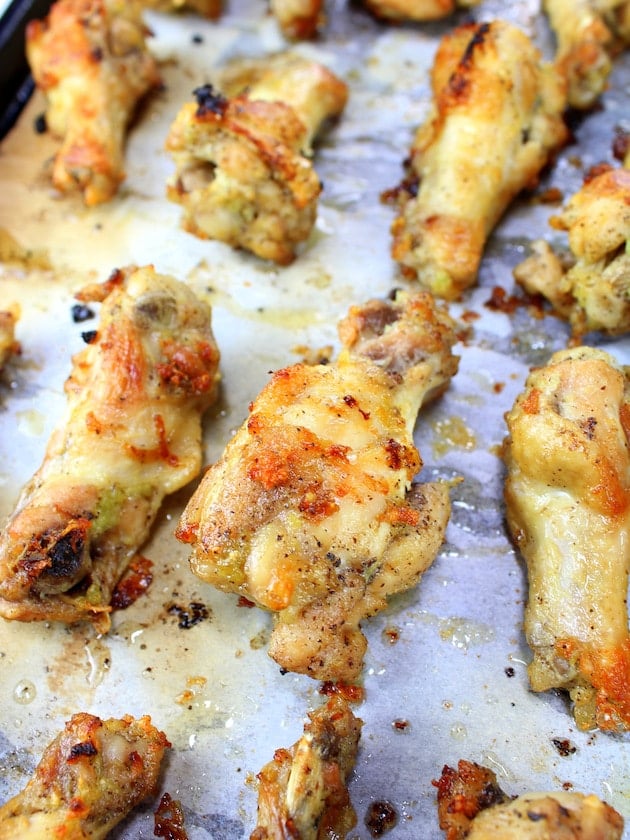
Spread the wings on a baking sheet lined with foil. Turn on the oven broiler to high. Place the wings about 6 inches from the heat source. Broil for 3-5 minutes on each side. Watch closely to avoid burning. This method crisps the skin quickly and adds a smoky flavor.
Pan-searing Techniques
Heat a skillet over medium-high heat with a small amount of oil. Add the wings in a single layer. Cook for 2-3 minutes on each side until skin is crispy and golden. Use a spatula to turn the wings carefully. Pan-searing adds a nice crunch and works well for small batches.
Flavor Variations
Experimenting with different flavors can transform your pressure-cooked chicken wings from simple to sensational. You don't have to stick to one taste profile every time. Trying out various sauces and seasonings can keep your meals exciting and satisfy different cravings.
Classic Buffalo Sauce
Buffalo sauce is a timeless choice for chicken wings. It combines hot sauce, butter, and a bit of garlic powder to create a spicy, tangy coating. After pressure cooking, toss your wings in this sauce for a quick and delicious finish.
Want a milder version? Adjust the hot sauce amount to suit your heat tolerance. Adding celery sticks and blue cheese dressing on the side can complete the experience perfectly.
Asian-inspired Glaze
Try a sweet and savory glaze with soy sauce, honey, garlic, and ginger. This mix creates a sticky coating that clings beautifully to wings. Pressure cooking keeps the meat juicy while the glaze adds a punch of flavor.
Adding a sprinkle of sesame seeds and chopped green onions right before serving boosts both texture and appearance. Have you ever noticed how a simple ingredient like ginger can brighten the whole dish?
Dry Rub Seasonings
Dry rubs are a fantastic way to infuse wings with bold flavors without extra sauce. Use a blend of smoked paprika, cumin, garlic powder, salt, and pepper for a smoky, savory taste. Rub the seasoning on the wings before cooking to let the spices penetrate deeply.
Once cooked, you can serve the wings as is or with a dipping sauce on the side. What’s your favorite spice to add a personal twist to dry rubs?
Serving Suggestions
Serve chicken wings with fresh celery sticks and a side of blue cheese or ranch dip for a classic touch. Pair with crunchy vegetables or your favorite dipping sauce to enhance flavor and texture.
Cooking chicken wings in a pressure cooker is quick and easy. Once they're cooked, serving them can be fun and creative. The right dips, sides, and presentation elevate your meal. Here are some ideas to make your chicken wings truly special.
Dips And Sauces
Pair your chicken wings with a variety of dips. Classic options include ranch, blue cheese, and honey mustard. For a spicy kick, try buffalo sauce or sriracha. Sweet lovers might enjoy a honey BBQ or teriyaki glaze. Offering a mix of dips caters to different tastes.
Side Dishes To Pair
Complement your chicken wings with tasty sides. A crisp coleslaw provides a refreshing contrast. Cornbread or garlic bread adds a hearty touch. For something light, serve a mixed green salad. Fries or sweet potato wedges are always a hit with wings.
Presentation Ideas
Presentation makes your meal more appetizing. Arrange wings neatly on a platter. Add a sprinkle of fresh herbs like parsley for color. Use small bowls for dips and sauces to keep things tidy. For an elegant touch, serve wings on a wooden board. A simple garnish can elevate the look of your dish.
Troubleshooting Common Issues
Troubleshooting common issues with chicken wings in a pressure cooker helps get better results fast. Many cooks face problems like wings lacking crispiness or becoming soggy. Knowing simple fixes saves time and reduces frustration. Here are some common problems and how to solve them.
Wings Not Crispy Enough
Pressure cookers create steam, which keeps wings tender but not crispy. To crisp wings, use these tips:
- After cooking, place wings on a baking sheet.
- Broil in the oven for 3-5 minutes to add crunch.
- Use a high heat setting to evaporate moisture quickly.
- Lightly coat wings with oil before broiling.
This method adds a crispy texture without drying the meat.
Overcooked Or Soggy Wings
Overcooking makes wings mushy or soggy. Avoid this by:
- Reducing the pressure cooking time by 1-2 minutes.
- Releasing pressure quickly to stop cooking immediately.
- Not overcrowding the cooker; cook in batches if needed.
- Patting wings dry before cooking to reduce excess moisture.
These steps help keep wings juicy but firm.
Pressure Cooker Malfunctions
Pressure cookers can fail or work poorly due to simple issues. Check these points:
- Ensure the sealing ring is clean and properly placed.
- Check the vent pipe for blockages before cooking.
- Verify the lid locks securely to build pressure.
- Use the correct pressure setting for chicken wings.
Regular maintenance prevents malfunctions and improves cooking results.
Credit: tasteandsee.com
Frequently Asked Questions
How Long To Cook Chicken Wings In A Pressure Cooker?
Cook chicken wings under high pressure for 8 to 10 minutes. Use natural release for 5 minutes, then quick release. This timing ensures tender, juicy wings every time.
Can I Cook Frozen Chicken Wings In A Pressure Cooker?
Yes, you can cook frozen wings directly. Increase cooking time to 12-15 minutes under high pressure. Always check internal temperature for safety; it should reach 165°F (74°C).
Should I Add Water When Pressure Cooking Chicken Wings?
Yes, always add at least 1 cup of water or broth. This creates steam and prevents burning. It also helps the pressure cooker function properly.
How Do I Make Crispy Chicken Wings After Pressure Cooking?
After pressure cooking, broil or air-fry wings for 3-5 minutes. This crisps the skin and adds a delicious texture. Watch closely to avoid burning.
Conclusion
Cooking chicken wings in a pressure cooker saves time and keeps them juicy. You get tender wings quickly without much effort. Just follow the steps carefully and use your favorite sauce. This method works well for busy days or when you want a simple meal.
Try it once, and you’ll enjoy easy, tasty wings anytime. No need for long cooking or extra tools. Enjoy cooking and sharing delicious wings with family and friends. Simple, fast, and delicious—that’s how pressure cooker wings should be!