Are you craving a warm, comforting meal that practically cooks itself? Learning how to cook beef stew in a slow cooker is the answer.
Imagine coming home to a rich, flavorful stew with tender meat and perfectly cooked vegetables—all ready when you walk in the door. This guide will show you simple steps to make a hearty beef stew that will satisfy your hunger and impress your family.
Keep reading, and you’ll discover easy tips to turn basic ingredients into a delicious, slow-cooked masterpiece.
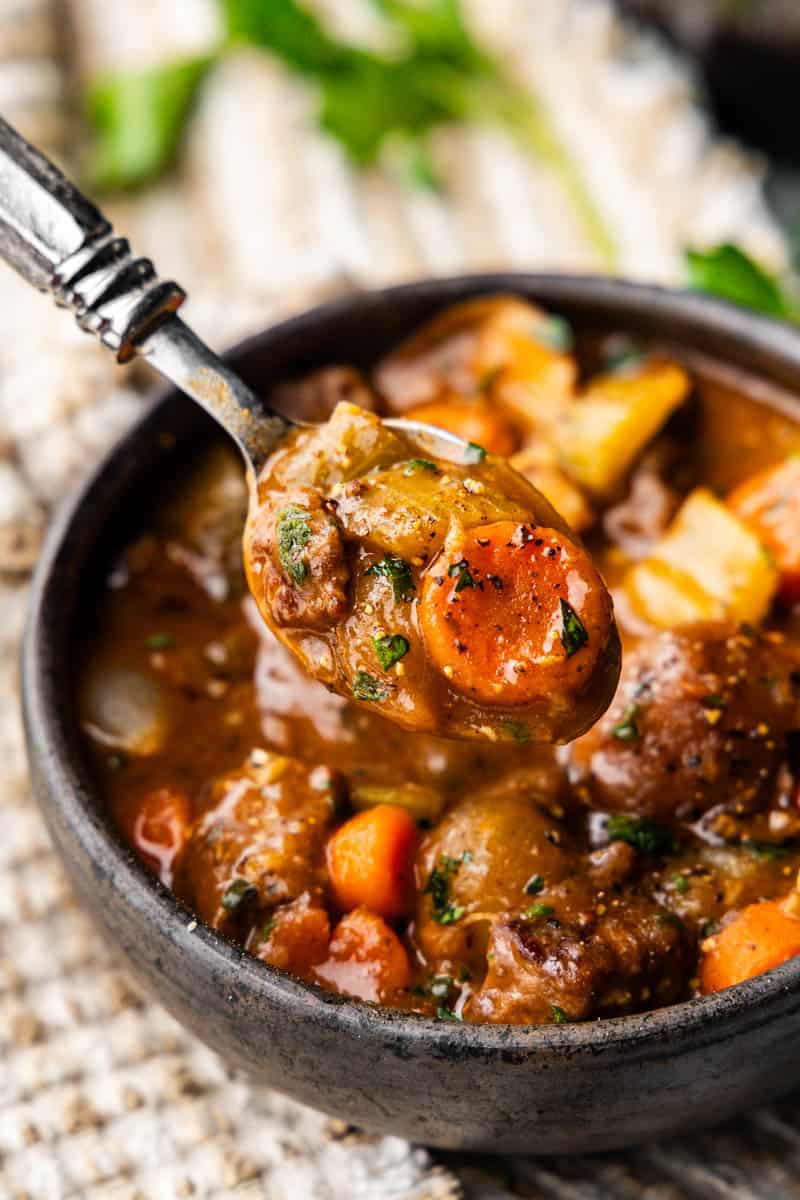
Credit: thestayathomechef.com
Choosing The Right Beef
Choosing the right beef for your slow cooker stew makes all the difference. The right cut not only enhances flavor but also ensures tender, melt-in-your-mouth texture. Picking wisely saves time and effort, letting the slow cooker work its magic without turning your stew tough or dry.
Best Cuts For Stew
Look for beef cuts that become tender with slow cooking. Chuck roast is a top choice because it has enough fat and connective tissue to break down beautifully over hours. Brisket and round are also great options, offering rich flavor and a hearty texture.
- Chuck Roast:Well-marbled and affordable, it softens perfectly in a slow cooker.
- Brisket:Adds a deep, beefy flavor but needs longer cooking to become tender.
- Round:Leaner than chuck but still becomes tender when cooked slowly.
- Short Ribs:Great for richer stews, though pricier, they offer excellent flavor and tenderness.
Have you ever grabbed a random cut and ended up with chewy, disappointing stew? Choosing the right cut prevents that frustration.
Tips For Quality Meat
Quality matters as much as the cut. Look for beef with a bright red color and some marbling—those little streaks of fat add flavor and moisture. Avoid meat that looks dull or has a slimy texture.
- Check the sell-by date to ensure freshness.
- Buy from a trusted butcher who can recommend stew-friendly cuts.
- Consider grass-fed beef for a different flavor profile and leaner meat.
- Don’t shy away from slightly tougher cuts; slow cooking will transform them.
Next time you shop, ask yourself: Does this piece promise both flavor and tenderness after hours in the slow cooker? Choosing well at the start means your stew will reward your patience with every bite.
Credit: themodernproper.com
Preparing Ingredients
Preparing your ingredients carefully sets the foundation for a delicious beef stew in the slow cooker. Taking time with this step ensures that flavors develop fully and textures turn out just right. It’s more than just chopping and seasoning—it’s about treating each component with care to bring out the best in your dish.
Chopping Vegetables
Cut your vegetables into uniform pieces so they cook evenly throughout the long slow cooking process. Aim for chunks about 1 to 1.5 inches in size. This size keeps them from turning mushy while allowing them to absorb the stew’s rich flavors.
Don’t rush this part. Taking a few extra minutes to chop your carrots, potatoes, and onions neatly will pay off in texture and presentation. Have you noticed how unevenly cut veggies can lead to some pieces being overcooked while others remain too firm?
Seasoning And Marinating
Seasoning your beef before adding it to the slow cooker makes a big difference in taste. Sprinkle salt, pepper, and your favorite herbs directly onto the meat, then rub them in to lock in flavor. Letting the beef sit with the seasonings for at least 30 minutes enhances the depth of the stew.
If time allows, marinate the beef in a mixture of broth, garlic, and herbs. This extra step tenderizes the meat and infuses it with savory notes that slowly develop as it cooks. Have you tried marinating beef stew meat before? It might just change the way you think about slow cooker recipes.
Setting Up The Slow Cooker
Setting up the slow cooker correctly is key to making a delicious beef stew. It helps all the flavors come together slowly and evenly. Start by preparing your ingredients and placing them in the cooker in the right order. This simple step ensures the meat and vegetables cook perfectly and stay tender.
Layering Ingredients
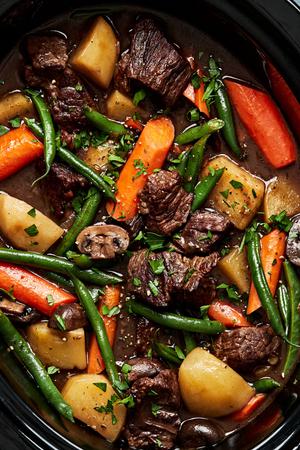
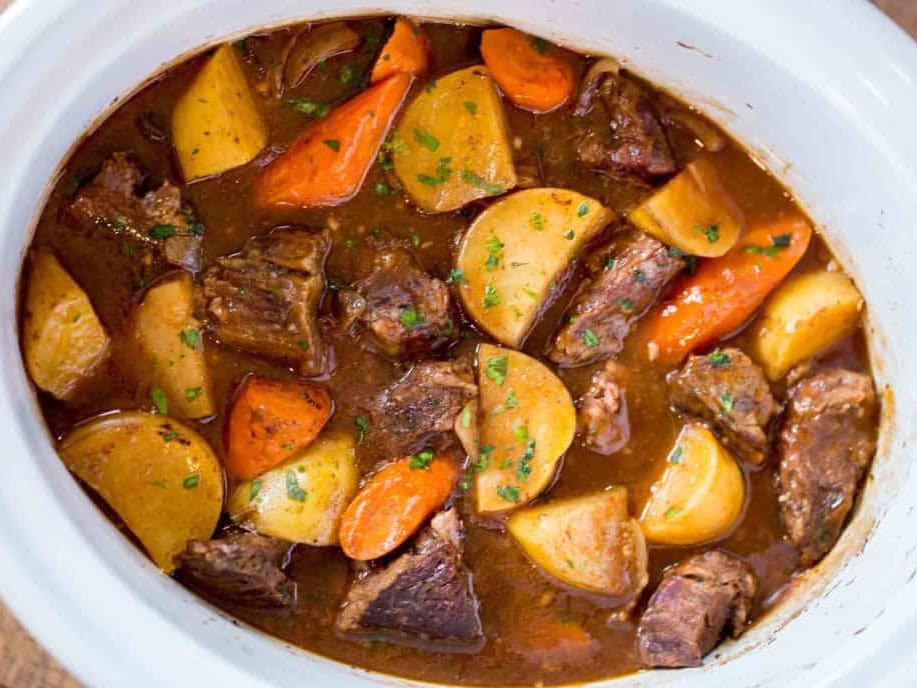
Begin by placing the root vegetables like potatoes, carrots, and onions at the bottom of the slow cooker. These take longer to cook and benefit from direct heat. Next, add the beef pieces on top of the vegetables. This arrangement helps the meat stay juicy and allows its flavors to drip down and season the vegetables below.
Avoid overcrowding the cooker. Leave some space for heat to circulate. This helps everything cook evenly and prevents overcooking.
Adding Liquids And Spices
Pour in the broth or stock next. Use enough to cover the ingredients halfway. This keeps the meat moist and creates a rich stew base. Add your spices now, such as bay leaves, thyme, salt, and pepper. Stir gently to mix the flavors without disturbing the layers too much.
Do not add too much liquid. The stew should be thick and hearty, not watery. The slow cooker seals in moisture, so a little liquid goes a long way.
Cooking Process
Cooking beef stew in a slow cooker is a simple yet rewarding process. It allows the flavors to meld beautifully while making the meat tender and juicy. Understanding the cooking process can help you get the best results every time.
Low Vs High Settings
Choosing between low and high settings on your slow cooker changes how your stew turns out. Cooking on low usually means 7 to 8 hours of slow simmering, which makes the beef incredibly tender and the flavors richer.
High setting cooks the stew faster, often in 3 to 4 hours, but you risk tougher meat if you don’t check it carefully. Think about your schedule—do you have time to let it cook all day, or do you need it ready quicker?
I've found that low heat brings out the best texture in beef stew. But if you’re pressed for time, high setting still works well if you keep an eye on the meat’s tenderness.
Cooking Time Recommendations
The cooking time depends on the cut and size of the beef chunks. Larger pieces need more time to become tender, so plan accordingly.
| Beef Cut | Low Setting (Hours) | High Setting (Hours) |
|---|---|---|
| Chuck Roast, Cubed | 7-8 | 3-4 |
| Stew Meat (Smaller Pieces) | 6-7 | 3 |
Adding vegetables early in the cooking process can cause them to become mushy. Consider adding root vegetables like potatoes and carrots halfway through if you prefer some firmness.
Have you ever noticed how your stew tastes different depending on when you add the vegetables? Experiment with timing to find your perfect balance of texture and flavor.
Thickening The Stew
Thickening your beef stew in a slow cooker can transform it from a simple soup into a rich, hearty meal. The right thickness gives your stew body and makes every spoonful satisfying. But how do you get that perfect texture without overcooking or ruining the flavor?
Using Flour Or Cornstarch
Flour and cornstarch are classic thickeners that many cooks trust. To avoid lumps, mix either with a small amount of cold water before adding it to your stew. This slurry should be stirred in during the last 30 minutes of cooking, allowing it to thicken without losing its potency.
Remember, cornstarch tends to give a clearer, shinier finish, while flour creates a more opaque, hearty look. If you want a thicker stew, add a bit more, but do so gradually. Have you tried adding flour directly to the stew? It often clumps, so the slurry trick makes a big difference.
Alternative Thickeners
Looking for other ways to thicken your stew? Mashed potatoes, pureed vegetables, or even instant potato flakes can work wonders. These options add texture and can deepen the flavor without relying on starches like flour or cornstarch.
You can also let your stew cook uncovered for the last hour to reduce the liquid naturally. This method intensifies flavors and thickens the broth without any additives. Would you consider using these alternatives to keep your stew gluten-free or add extra nutrients?
Serving Suggestions
Pair beef stew with crusty bread for dipping. Serve alongside mashed potatoes or rice for a hearty meal. Add a fresh salad to complement the rich flavors.
When you've spent hours letting your beef stew simmer to perfection in a slow cooker, serving it right can elevate your culinary experience. Whether you're hosting a dinner party or enjoying a cozy night in, your choice of accompaniments can make all the difference. Let's explore some delightful ways to serve your hearty stew.
Side Dishes That Pair Well
Enhance the flavors of your beef stew by pairing it with the right side dishes.
- Crusty Bread:A warm, crusty loaf is perfect for soaking up the rich, savory broth.
- Mashed Potatoes:Creamy mashed potatoes complement the tender beef and vegetables, adding comfort to every bite.
- Steamed Rice:If you prefer a lighter option, serve the stew over a bed of fluffy steamed rice.
- Roasted Vegetables:Add color and nutrition with a side of roasted carrots, parsnips, or Brussels sprouts.
Experimenting with different sides can transform each meal into a unique experience. Have you tried pairing your stew with something unexpected?
Garnishing Ideas
A sprinkle of fresh garnishes can bring your beef stew to life, adding both flavor and visual appeal.
- Fresh Herbs:Chopped parsley or thyme adds a burst of freshness and a pop of color.
- Grated Cheese:A dusting of Parmesan or cheddar can add a rich, creamy finish.
- Cracked Black Pepper:A dash of freshly cracked pepper enhances the stew's savory notes.
- Red Pepper Flakes:For a kick of heat, sprinkle some red pepper flakes on top.
Don't underestimate the power of a simple garnish. It can turn a humble stew into a dish that delights both the eyes and the taste buds. What garnish do you reach for when serving beef stew?
Tips For Best Results
Getting the best results from your slow cooker beef stew doesn’t have to be complicated. Small adjustments can make a big difference in flavor and texture. Let’s look at some practical tips that can help you avoid common pitfalls and keep your stew delicious even after storing and reheating.
Avoiding Common Mistakes
One common mistake is adding too much liquid. Remember, slow cookers trap steam, so your stew won’t reduce like it does on the stove. Start with less broth or water than you think you need; you can always add more later if it’s too thick.
Another tip is not browning your beef first. I used to skip this step until I noticed my stew lacked depth. Browning creates rich flavor and a better texture. It’s worth the few extra minutes before everything goes into the slow cooker.
Lastly, avoid overcooking your vegetables. Root veggies like carrots and potatoes hold up well, but softer veggies should be added later to prevent mushiness. Have you ever had a stew where the veggies turned into mush? It’s disappointing and easy to prevent.
Storage And Reheating
Storing beef stew properly keeps it tasting fresh and safe to eat. Cool it quickly after cooking by placing the pot in an ice bath or dividing it into smaller containers. This stops bacteria from growing and preserves texture.
When reheating, do it gently. Use a low setting on your stove or microwave and stir occasionally. Rapid reheating can toughen the meat and break down the vegetables.
Also, consider freezing portions for later. Label containers with the date, and use within 3 months for best taste. Thaw in the fridge overnight before reheating to keep the stew’s consistency intact.
Credit: dinnerthendessert.com
Frequently Asked Questions
How Long Should Beef Stew Cook In A Slow Cooker?
Beef stew typically cooks for 7 to 8 hours on low heat. This slow cooking tenderizes the meat and blends flavors. Cooking on high heat takes about 4 hours but may reduce flavor development.
What Cuts Of Beef Are Best For Slow Cooker Stew?
Chuck roast is the best choice for slow cooker beef stew. It becomes tender and flavorful after long, slow cooking. Avoid lean cuts, as they can become tough and dry.
Can I Add Vegetables At The Start Of Cooking?
Yes, add root vegetables like carrots and potatoes at the start. They cook well over several hours and absorb stew flavors. Softer vegetables should be added later to avoid overcooking.
Should I Brown Beef Before Adding To Slow Cooker?
Browning beef before slow cooking enhances stew flavor and color. It seals in juices and creates a richer taste. This step is optional but highly recommended for best results.
Conclusion
Slow cooker beef stew cooks slowly to bring out rich flavors. Just add ingredients, set the cooker, and wait patiently. The meat becomes tender and the vegetables soft. This method saves time and requires little effort. Perfect for busy days or cozy dinners.
You get a warm, hearty meal with minimal work. Try different spices or vegetables to suit your taste. Enjoy the comfort of homemade beef stew anytime. Simple steps lead to great results every time.