
Are you tired of bacon that’s unevenly cooked or leaves a greasy mess on your stovetop? Cooking bacon in a convection oven could be the easy, mess-free solution you’ve been looking for.
Imagine crispy, perfectly cooked bacon with less effort and cleanup. In this guide, you’ll discover simple steps to get delicious bacon every time using your convection oven. Keep reading to unlock the secret to bacon that’s crispy, flavorful, and ready faster than you think.
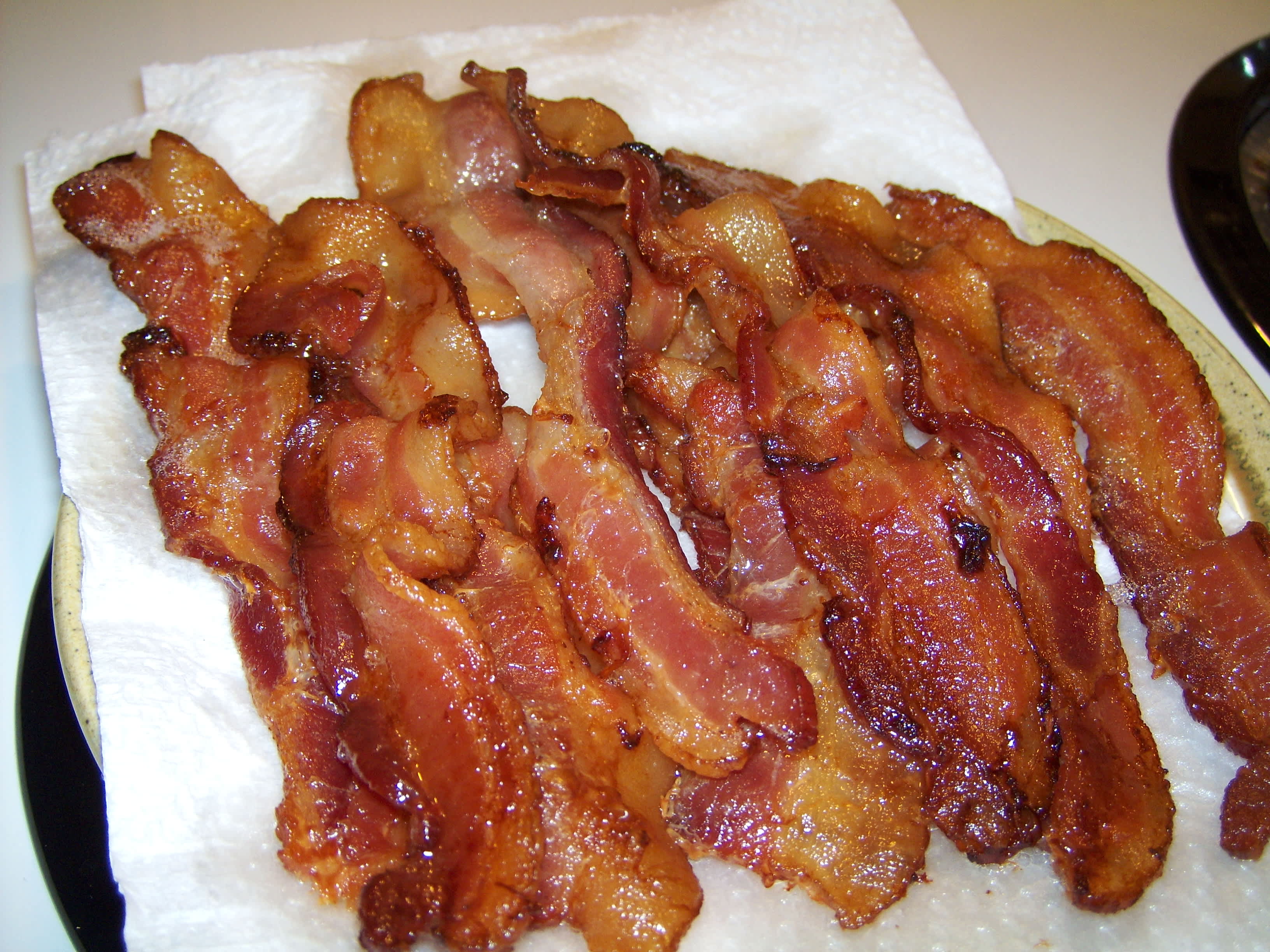
Credit: www.food.com
Choosing The Right Bacon
Choosing the right bacon is key to cooking it perfectly in a convection oven. The type of bacon affects the taste, texture, and cooking time. Picking the best bacon suits your recipe and personal taste. Here is a simple guide to help you select the right bacon for your convection oven cooking.
Types Of Bacon Cuts
Bacon comes in various cuts, each with a unique texture and flavor. The most common cuts include:
- Streaky Bacon:Thin strips with fat and meat layers. Crisps well in the oven.
- Back Bacon:Leaner, cut from the loin. Offers a meatier bite.
- Jowl Bacon:Comes from the pig’s cheek. Chewy and flavorful.
Streaky bacon is popular for convection oven cooking due to its even fat distribution.
Thickness Matters
Bacon thickness changes cooking time and crispiness. Thin slices cook faster and become crispier quickly. Thick-cut bacon needs longer cooking to render fat fully.
Thicker bacon gives a meatier texture but may stay chewy if undercooked. Choose thickness based on your preference for crispiness or chewiness.
Smoked Vs. Unsmoked
Smoked bacon has a rich, smoky flavor from wood smoke. It adds depth to dishes without extra seasoning. Unsmoked bacon tastes milder and more natural.
Smoked bacon suits recipes needing strong flavor. Unsmoked works well when you want to control seasoning. Both types cook well in a convection oven but taste differently.
Preparing Your Convection Oven
Getting your convection oven ready is key to cooking bacon that’s crispy and evenly done. Unlike a regular oven, a convection oven circulates hot air, which changes how you prepare it. Paying attention to the details like temperature, rack placement, and the right trays can make all the difference.
Setting The Temperature
Set your convection oven to 375°F (190°C) for bacon. This temperature crisps the bacon without burning it. If you crank it too high, the bacon can cook unevenly or smoke, so stick close to this moderate heat.
Have you noticed how bacon sometimes cooks too fast on the edges but stays soft in the middle? That’s often because the temperature was too high or uneven. Keep it steady at 375°F for the best balance.
Rack Positioning
Place your oven rack in the middle position. This allows the air to flow all around the bacon, cooking it evenly. If the rack is too close to the top, the bacon may burn quickly; too low, and it might not crisp well.
Think about how air circulates inside your oven. Middle rack positioning gives the bacon the best exposure to the hot air currents. Have you tried shifting the rack before? Notice how that changes the texture?
Using Oven-safe Trays
Choose a sturdy, oven-safe tray or baking sheet with a rim to catch the bacon fat. A rimmed tray prevents grease from spilling and reduces mess. Avoid glass dishes unless they clearly state they’re safe for high heat.
For extra crispiness, some cooks like to place a wire rack on the tray so the bacon isn’t sitting in its own fat. This also helps the hot air circulate more evenly around each slice. Do you prefer your bacon super crispy or a bit chewy? Your tray setup can help you get just that.
Cooking Bacon Step-by-step
Cooking bacon in a convection oven can be a game-changer for your breakfast routine. It offers even cooking and less mess compared to stovetop frying. Let's break down the process into manageable steps so you can get perfectly crispy bacon every time.
Arranging Bacon Strips
Lay your bacon strips flat on a baking sheet lined with foil or a wire rack. Make sure the strips don’t overlap; overlapping causes uneven cooking. Using a wire rack lets the fat drip away, resulting in crispier bacon.
Think about how you like your bacon—do you want it extra crispy or a bit chewy? Arranging them carefully helps you control that texture. I once tried crowding the strips, and half of them turned out soggy. Don’t make the same mistake!
Cooking Time Guidelines
Set your convection oven to 375°F (190°C) for ideal bacon cooking. Thin-cut bacon usually takes about 12-15 minutes, while thicker cuts might need 18-20 minutes. Keep an eye on the bacon starting at the 10-minute mark to avoid burning.
Remember, ovens can vary. Your first batch is your best teacher—note the time it took and adjust next time. Do you prefer your bacon lighter or darker? Adjust the time accordingly to match your taste.
Flipping Or Not
One of the perks of a convection oven is you usually don’t need to flip the bacon. The hot air circulates evenly, cooking both sides at once. This saves you time and keeps the bacon intact.
If you use a wire rack, flipping becomes even less necessary. However, if you want ultra-even crispness, flipping halfway through can help. Have you tried both ways? You might find skipping the flip gives you the perfect balance of crunch and tenderness.
Achieving Extra Crispiness
Achieving extra crispiness in bacon cooked in a convection oven is simple. The key lies in controlling air flow, heat, and bacon placement. These factors help render fat evenly and create a crunchy texture.
Small adjustments can make a big difference. Use these tips to get bacon that is perfectly crispy and delicious every time.
Using A Wire Rack
Place bacon strips on a wire rack set over a baking sheet. This allows hot air to circulate all around the bacon. Fat drips below, preventing sogginess. The even air flow helps the bacon crisp up faster and more evenly. Avoid stacking slices. Keep them flat and spaced apart for best results.
Adjusting Temperature And Time
Start with a temperature of 375°F (190°C). This is hot enough to crisp without burning. Cook bacon for 12 to 15 minutes, depending on thickness. Thinner slices need less time, thicker slices need more. For extra crispiness, increase temperature to 400°F (204°C) in the last few minutes. Watch closely to avoid burning. Use a timer to stay on track.
Monitoring Bacon Closely
Check bacon after 10 minutes to assess progress. Look for edges turning golden brown and fat bubbling. Turn bacon strips halfway through cooking for even crispiness. Remove bacon as soon as it reaches desired crispness. Overcooking causes dryness and bitterness. Stay near the oven during the last minutes. This prevents burning and ensures perfect results.
Cleaning And Safety Tips
Keep the oven clean to avoid smoke and odors while cooking bacon. Use an oven-safe tray and place foil beneath to catch grease for easy cleanup. Always handle hot trays carefully to prevent burns and ensure good ventilation in the kitchen.
Cooking bacon in a convection oven can be a game-changer for your breakfast routine, but it does come with its own set of cleaning and safety challenges. The good news is, with a few straightforward tips, you can easily manage these issues. Whether you're concerned about handling hot grease, cleaning the oven trays, or preventing smoke, this guide has you covered.
Handling Hot Bacon Grease
Hot bacon grease can be tricky to handle. Ensure you have a heat-resistant container ready to pour the grease into once your bacon is cooked. This prevents accidental spills that could lead to burns or messes on your kitchen counter. Consider using a metal can or a glass jar with a lid. Always let the grease cool before disposing of it or storing it for future use. Never pour hot grease down the sink, as it can clog your pipes.
Cleaning Oven Trays
Cleaning oven trays might seem daunting, but it doesn't have to be. Line your trays with aluminum foil before cooking to catch any drippings. This simple step makes clean-up a breeze. After cooking, wait for the trays to cool down before removing the foil. If grease has seeped through, soak the trays in warm soapy water to loosen any baked-on bits. A gentle scrub with a non-abrasive sponge usually does the trick.
Preventing Smoke
Preventing smoke is essential for a pleasant cooking experience. Make sure your oven is clean before you start cooking; old grease can smoke and burn. Position your bacon on an elevated rack so the grease drips away, reducing the chance of smoke. Keep a close eye on the cooking process, as bacon can quickly go from crisp to burnt, filling your kitchen with unwanted smoke. These tips not only help in maintaining cleanliness but also ensure your safety while you enjoy perfectly cooked bacon. Have you ever thought about how these small steps can make your kitchen time more enjoyable?
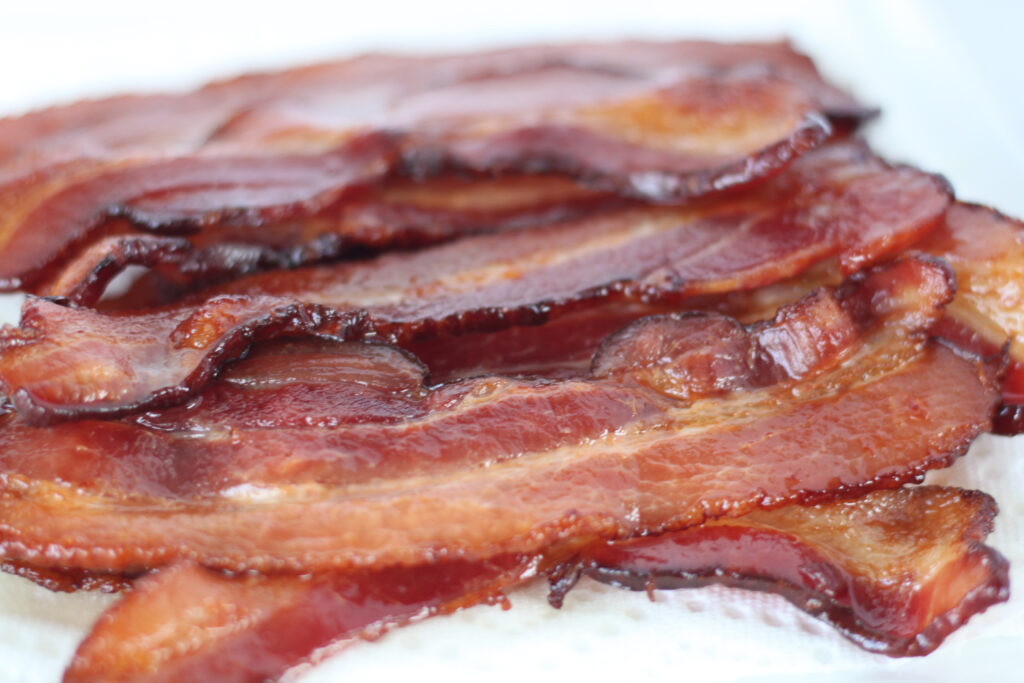
Credit: wholelottayum.com
Creative Bacon Serving Ideas
Bacon cooked in a convection oven offers a perfect crispy texture that can elevate any meal. Once you have your bacon ready, the possibilities for serving it creatively are endless. You can transform simple dishes into flavorful delights by adding bacon in unexpected ways.
Bacon In Breakfast Dishes
Think beyond the classic bacon and eggs. Add crispy bacon bits to your scrambled eggs or mix them into an omelet for an extra crunch. You can also layer bacon on top of avocado toast or fold it into breakfast burritos to boost flavor.
Ever tried bacon-stuffed pancakes or waffles? Adding bacon pieces inside or on top turns your morning into a savory-sweet treat. These ideas make breakfast more exciting and satisfying.
Bacon As A Salad Topper
Salads become instantly more appealing with bacon. Sprinkle crispy bacon pieces over your greens for a smoky, salty punch that contrasts well with fresh vegetables. It pairs wonderfully with spinach, arugula, or even a simple Caesar salad.
Try combining bacon with ingredients like blue cheese, walnuts, and dried cranberries for an interesting texture and flavor balance. Bacon can turn a basic salad into a meal on its own.
Bacon In Sandwiches And Wraps
Adding bacon to your sandwiches or wraps gives them a satisfying crunch and rich flavor. Whether it’s a classic BLT or a turkey wrap, bacon enhances every bite. You can also layer it with cheese and fresh veggies for a gourmet touch.
Consider using bacon to add texture to grilled cheese sandwiches or even burgers. Have you ever paired bacon with apple slices or spicy mustard in a sandwich? These combinations surprise your taste buds and make lunchtime more fun.

Credit: thekitchencommunity.org
Frequently Asked Questions
How Long To Cook Bacon In A Convection Oven?
Cook bacon in a convection oven at 400°F for 12-15 minutes. Check at 10 minutes to avoid burning. Adjust time for thickness and desired crispiness.
Can I Cook Bacon Without A Baking Sheet?
Yes, you can place bacon directly on the oven rack. Use a tray below to catch drippings. This method makes bacon crispier and reduces grease.
Should I Flip Bacon While Cooking In Convection Oven?
Flipping bacon is optional in a convection oven. The circulating air cooks evenly. Flip if you want uniform crispness on both sides.
Is Convection Oven Better For Cooking Bacon?
Yes, convection ovens cook bacon faster and more evenly. The hot air circulation crisps bacon nicely without extra grease. It’s an efficient way to cook bacon.
Conclusion
Cooking bacon in a convection oven is quick and simple. The heat circulates evenly, making bacon crispy every time. You can cook many slices at once without burning them. Just follow the temperature and time tips carefully. Remember to watch the bacon as it cooks.
This method saves you from messy stovetop splatters. Enjoy delicious, evenly cooked bacon with less effort. Try it today for a tasty breakfast or snack. Easy, clean, and tasty—what more could you want?


