Cooking a turkey in a convection oven can seem tricky, but it doesn’t have to be. You want a juicy, perfectly browned bird without spending hours guessing the right time and temperature.
If you’ve ever wondered how to get that crispy skin and tender meat just right, you’re in the right place. This guide will walk you through simple steps to make your turkey the star of any meal. Keep reading—you’re about to discover easy tips that will make your cooking stress-free and your turkey unforgettable.
Credit: www.101cookingfortwo.com
Choosing The Right Turkey
Choosing the right turkey sets the stage for a perfectly cooked bird in your convection oven. The turkey you pick affects cooking time, flavor, and how juicy your final dish will be. Let’s break down what to consider before you bring your turkey home.
Fresh Vs Frozen
Fresh turkeys often promise better texture and flavor, but they require careful timing to avoid spoilage. Frozen turkeys give you flexibility; you can buy them well in advance and thaw slowly in your fridge. Think about your schedule: Do you have enough time to thaw a frozen bird safely? If not, fresh might be the better choice.
Size Matters
Your convection oven's capacity limits the size of turkey you can cook. Smaller birds cook more evenly and faster, which is perfect if you’re new to convection cooking. For larger gatherings, a 12-14 pound turkey usually fits most ovens comfortably. Have you measured your oven space yet? Knowing this helps avoid last-minute surprises.
Preparing The Bird
Before cooking, remove the giblets and neck from the cavity, whether fresh or frozen. Pat the turkey dry with paper towels to ensure crispy skin. Seasoning early, even the night before, lets flavors seep deeper. Do you prefer a simple salt rub or a full herb marinade? Your choice here impacts the taste and texture profoundly.
Setting Up The Convection Oven
Setting up your convection oven correctly is key to roasting a turkey that is juicy on the inside and perfectly browned on the outside. It’s not just about turning the oven on; it involves fine-tuning temperature, positioning the turkey, and choosing the right equipment. Getting these details right can save you from dry meat and uneven cooking.
Adjusting Temperature
Convection ovens cook faster because of the fan that circulates hot air. You need to lower the temperature from what a traditional recipe suggests. A good rule is to reduce the temperature by about 25°F (around 15°C).
If your turkey recipe says 350°F, set your convection oven to 325°F instead. This adjustment helps the turkey cook evenly without burning the skin. Have you ever noticed how the edges of your roast get too dark while the center stays undercooked? This simple temperature tweak can fix that.
Rack Placement
Where you place the turkey in the oven affects air circulation and cooking speed. The middle rack is usually best because it allows hot air to flow around the bird evenly. Avoid placing the turkey too close to the heating elements.
If your convection oven has multiple racks, position the turkey on the lowest or middle rack and leave enough space around the pan. This setup prevents hot spots and ensures the heat reaches all sides. Think about how cramped a room feels versus one with space to move; your turkey needs that room too.
Using A Roasting Pan
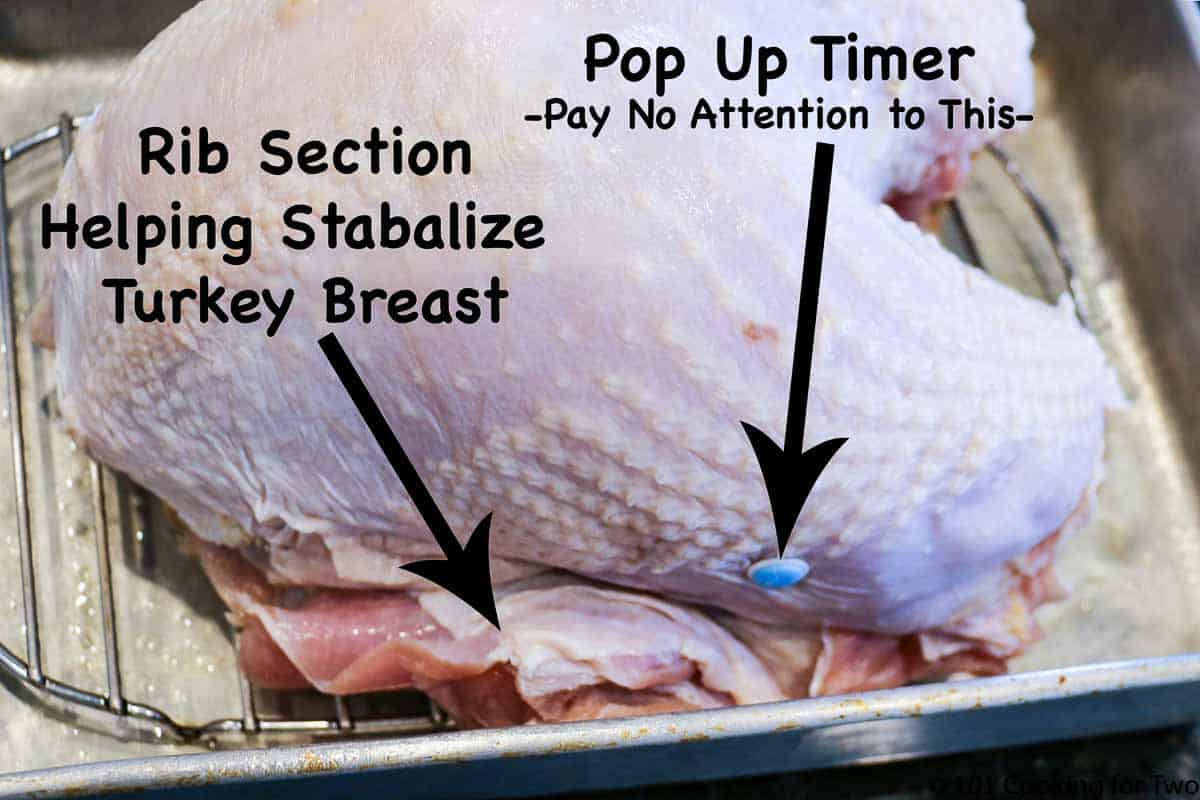
A roasting pan with a rack is essential for proper heat circulation. The rack lifts the turkey off the pan’s surface, allowing air to move underneath and around the meat. This helps the skin crisp up and prevents the bottom from steaming.
Choose a pan that fits your turkey comfortably without crowding. Some pans come with a lid, but for convection roasting, it’s better to leave the turkey uncovered so the hot air can work its magic. Have you ever tried roasting a turkey in a shallow dish? It usually results in soggy skin and uneven cooking.
Preparing The Turkey For Cooking
Remove the turkey from packaging and pat it dry with paper towels. Season inside and out with salt, pepper, and your favorite herbs. Let it sit at room temperature for 30 minutes before placing it in the convection oven.
Preparing the turkey for cooking is a crucial step in ensuring a delicious and evenly cooked bird. A convection oven provides consistent heat circulation, but the preparation you do beforehand can make all the difference. From seasoning to trussing, each step plays a vital role in achieving that perfect holiday centerpiece.
Seasoning And Marinating
Start by considering your flavor profile. Whether you love a classic herb blend or prefer a spicy kick, your seasoning choice should reflect your taste. Rub the turkey generously with your selected spices, ensuring it reaches every nook and cranny. Marinating the turkey can add an extra depth of flavor. Consider marinating it overnight in a mixture of olive oil, lemon juice, and your favorite herbs. This not only infuses flavor but also helps to keep the meat moist during cooking.
Trussing Techniques
Trussing may sound fancy, but it’s a simple technique that makes a big difference. By tying the turkey with kitchen twine, you help the bird cook more evenly. This ensures that the wings and legs stay close to the body, preventing them from drying out. To truss your turkey, tuck the wings under the bird and tie the legs together. This step might seem unnecessary, but it’s worth it for that picture-perfect presentation.
Adding Aromatics
Aromatics can transform your turkey from good to great. Think about what scents you want to waft through your home as the bird roasts. Consider adding onions, garlic, and herbs like rosemary and thyme inside the turkey cavity. These aromatics release their flavors into the meat, enhancing every bite. You could even add slices of citrus for a refreshing twist that complements the savory herbs. By experimenting with different combinations, you can create a signature dish that reflects your culinary style. Have you ever tried a unique aromatic blend that surprised you with its delicious outcome? Don't be afraid to get creative; your taste buds will thank you!

Credit: food52.com
Cooking Times And Temperatures
Mastering cooking times and temperatures is key to a perfectly roasted turkey in your convection oven. Unlike conventional ovens, convection ovens use a fan to circulate hot air, which cooks your turkey faster and more evenly. Understanding how to adjust the temperature and timing will help you avoid undercooking or drying out your bird.
General Cooking Guidelines
Set your convection oven to 325°F (163°C) for roasting turkey. This temperature balances thorough cooking with moisture retention. A good rule of thumb is to reduce the cooking time by about 25% compared to a traditional oven.
For example, a 12-pound turkey typically takes around 3 to 3.5 hours in a convection oven, whereas it might take 4 to 4.5 hours in a conventional oven. Always place the turkey breast side up on a rack to allow even air circulation. Avoid opening the oven frequently; each time you do, heat escapes and affects cooking time.
Checking For Doneness
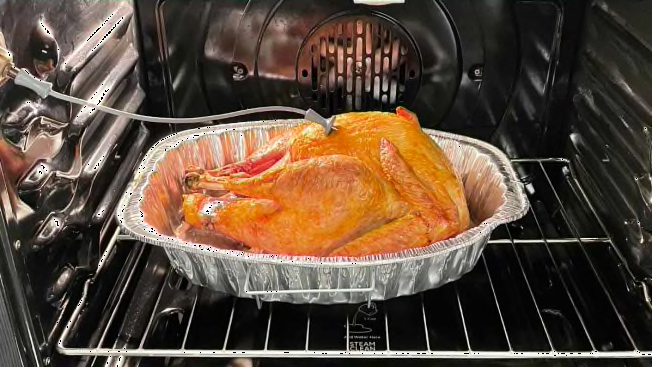
Temperature is your best guide to doneness, not just appearance. Insert a meat thermometer into the thickest part of the breast and the innermost part of the thigh. The turkey is safe to eat once the breast reaches 165°F (74°C) and the thigh hits 175°F (79°C).
Have you ever cut into a turkey too early, only to find it undercooked? A thermometer can save you from that disappointment. If you don’t have one, check the juices—clear juices usually indicate your turkey is done, but this method isn’t as reliable.
Resting The Turkey
After removing the turkey from the oven, let it rest for at least 20 to 30 minutes. Resting allows the juices to redistribute throughout the meat, making it juicier and easier to carve. Cover the turkey loosely with foil to keep it warm during this time.
Skipping the resting phase can lead to dry slices and lost flavor. Think of resting as the final step that turns your turkey from good to great. Have you noticed how much easier it is to carve a rested turkey? That’s the magic at work.
Tips For Juicy, Flavorful Results
Cooking a turkey in a convection oven can yield moist and tasty meat. The right tips help keep the turkey juicy and full of flavor. Small steps make a big difference in the final dish.
Basting Methods
Basting adds moisture and flavor to the turkey skin. Use a spoon or a brush to apply juices from the pan. Baste every 20 to 30 minutes during cooking. Avoid opening the oven door too often to keep heat steady. Use melted butter, broth, or a mix of herbs and oil for basting. This helps the turkey brown evenly and stay tender.
Using A Meat Thermometer
A meat thermometer ensures the turkey is cooked perfectly. Insert it into the thickest part of the breast or thigh. The safe internal temperature is 165°F (74°C). Check the temperature near the end of cooking to avoid overcooking. Removing the turkey at the right time keeps it juicy and prevents dryness. Let the turkey rest after cooking for 15 to 20 minutes before carving. This lets the juices spread inside the meat.
Avoiding Common Mistakes
- Do not cook the turkey at too high a temperature.
- Avoid opening the oven door too often during cooking.
- Do not skip resting the turkey after cooking.
- Do not forget to remove giblets from the cavity before cooking.
- Do not rely only on cooking time; use a meat thermometer.
Following these tips will give you a turkey that is juicy and flavorful. Simple care during cooking makes a big difference.
Serving And Leftover Ideas
Serving your perfectly cooked turkey fresh from the convection oven is only part of the experience. How you carve and store the leftovers can make a big difference in taste and convenience for meals to come. Let's dive into some smart ways to handle your turkey after it’s out of the oven.
Carving Tips
Start carving your turkey by letting it rest for at least 20 minutes to keep the juices locked in. Use a sharp, thin knife to slice through the breast meat smoothly without shredding it.
Cut along the breastbone and remove the legs and wings separately. Slice the dark and white meat into even pieces for easy serving.
Have you tried carving directly onto a cutting board with a groove? It catches all the juices, which you can spoon over the slices for extra flavor.
Storing Leftovers
Cool your turkey leftovers to room temperature before storing them. Place the meat in airtight containers or wrap tightly with foil to keep moisture in and prevent odors from spreading in your fridge.
Label your containers with the date—you want to eat leftover turkey within 3 to 4 days to ensure freshness and safety.
If you won’t eat it soon, freezing is a great option. Cut the meat into portions and freeze in zip-top bags, squeezing out as much air as possible.
Creative Recipes
Don’t let your leftover turkey go to waste. Use it in sandwiches with cranberry sauce and melted cheese for a quick, satisfying lunch.
Transform your turkey into a hearty soup by simmering it with vegetables, noodles, and herbs. It’s a warm, comforting way to enjoy your meal again.
Ever tried turkey fried rice? Chop the meat finely and stir-fry it with rice, eggs, and veggies for a delicious, easy dinner that feels completely new.
Credit: www.consumerreports.org
Frequently Asked Questions
How Long Does Turkey Take In A Convection Oven?
A turkey cooks about 25% faster in a convection oven. Generally, plan for 10-12 minutes per pound at 325°F. Use a meat thermometer to ensure the internal temperature reaches 165°F for safety and perfect doneness.
Should I Reduce Temperature For Convection Oven Turkey?
Yes, reduce the cooking temperature by 25°F compared to a conventional oven. This prevents overcooking and helps the turkey cook evenly. For example, if the recipe says 350°F, set your convection oven to 325°F.
How Do I Ensure A Crispy Skin On Convection Turkey?
To get crispy skin, pat the turkey dry and apply oil or butter. Cook uncovered and avoid basting with liquid. The convection fan circulates hot air, which helps brown and crisp the skin effectively.
Can I Cook A Frozen Turkey In A Convection Oven?
It's best to fully thaw your turkey before cooking in a convection oven. Thawed turkey cooks more evenly and safely. Cooking frozen turkey can result in uneven cooking and longer cooking times.
Conclusion
Cooking a turkey in a convection oven saves time and cooks evenly. The hot air circulates around the bird, making the skin crispy and the meat juicy. Remember to adjust the temperature and check the turkey often. Rest the turkey after cooking to keep it tender.
With these steps, your turkey will turn out delicious every time. Enjoy your meal and share your success with family and friends!