Are your dishes coming out spotty or cloudy after a wash? You might be missing an important step: adding rinse aid to your dishwasher.
Knowing how to add rinse aid correctly can make a huge difference in how shiny and clean your dishes look. You’ll learn exactly where to put rinse aid, how much to use, and tips to keep your dishwasher running at its best.
Keep reading, and you’ll never have to worry about dull dishes again!
Why Use Rinse Aid
Rinse aid plays a key role in dishwashing. It helps improve the final results of your dishwasher cycle. Without rinse aid, spots and water marks can appear on your dishes. Using rinse aid ensures your dishes look cleaner and dry faster. It also helps your dishwasher work more efficiently.
Benefits For Spotless Dishes
Rinse aid reduces water droplets on dishes. This prevents spots and streaks from forming. It breaks the surface tension of water, allowing it to slide off easily. Glasses and plates come out clear and shiny. No more cloudy or dull-looking dishes after washing.
Improving Drying Performance
Rinse aid helps water evaporate quickly from dishes. This speeds up the drying process inside the dishwasher. It stops water from pooling in hard-to-reach places. Your dishes dry evenly without needing extra towel drying. This saves time and effort after each wash.
Locating The Rinse Aid Dispenser
Knowing where to find the rinse aid dispenser in your dishwasher is the first step to improving your dishwashing results. Without locating this compartment, you might miss out on the benefits rinse aid offers, like spot-free dishes and faster drying.
Let's explore where these dispensers usually hide and how you can easily recognize them.
Common Dispenser Locations
Most rinse aid dispensers are built into the inside of the dishwasher door. This spot keeps the rinse aid close to the water jets for effective distribution during the rinse cycle.
In some dishwasher models, you might find the dispenser near the detergent compartment or sometimes on the side walls inside the tub. If you have a newer or high-end model, check the user manual as designs can vary significantly.
- Inside the dishwasher door, next to or near the detergent holder
- On the side wall inside the dishwasher tub
- Sometimes integrated into the detergent dispenser cover
How To Identify The Rinse Aid Compartment
The rinse aid compartment usually has a small cap or lid, often marked with a symbol like a water droplet or a star. It’s smaller than the detergent compartment and designed for liquid, not powder.
Opening the dishwasher door fully and looking closely at the detergent area helps. If you see a small, round cap with a twist-off lid or a flip top, you’ve likely found it.
Ever struggled to figure this out? One trick is to pour a tiny bit of water into the suspected compartment and watch if it drains quickly. If it does, that’s a good sign it’s the rinse aid dispenser designed to release liquid during cycles.
Choosing The Right Rinse Aid
Choosing the right rinse aid improves your dishwasher’s cleaning power. It helps dishes dry quickly and stops water spots. Picking the best product depends on your needs and dishwasher type. Understanding different options makes the task easier.
Types Of Rinse Aid Products
Rinse aids come in liquid, powder, or tablet forms. Liquid rinse aids are the most common and easy to use. They fit in a special dispenser inside the dishwasher. Powder rinse aids mix with detergent but are less popular. Tablets often combine detergent and rinse aid in one. Each type has pros and cons based on convenience and dishwasher model.
Eco-friendly Options
Eco-friendly rinse aids reduce environmental impact. They use natural ingredients and avoid harsh chemicals. These options often come in biodegradable packaging. Some brands focus on plant-based formulas that are gentle yet effective. Choosing eco-friendly products helps protect water systems and wildlife. They also work well in modern energy-efficient dishwashers.

Credit: www.walmart.ca
Step-by-step Guide To Adding Rinse Aid
Adding rinse aid to your dishwasher improves drying and prevents spots on dishes. This simple process helps your dishwasher work better and keeps your dishes shiny. Follow these clear steps to add rinse aid correctly.
Preparing The Dishwasher
Open the dishwasher door fully to access the inside. Locate the rinse aid dispenser, usually near the detergent compartment. Make sure the dishwasher is empty or remove any dishes close to the dispenser area. Clean the dispenser cap if it looks dirty or sticky. This ensures smooth filling without spills.
Filling The Dispenser
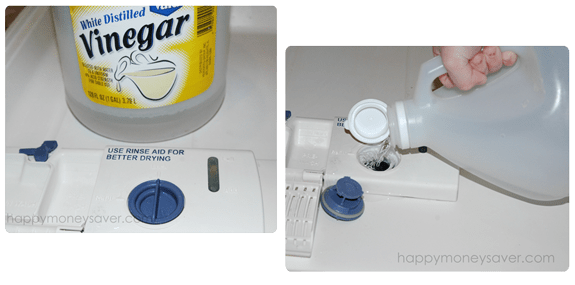
Open the rinse aid dispenser cap by twisting it counterclockwise. Use a measuring cup or the rinse aid bottle nozzle to pour the liquid gently. Fill the dispenser until it reaches the fill line or is nearly full. Avoid overfilling to prevent leaks or buildup. Close the dispenser cap tightly by twisting it clockwise to secure it.
Checking The Level Indicator
Look for a small window or float inside the dispenser cap. This shows the current rinse aid level. The indicator changes color or position when the dispenser is full or empty. Check this indicator regularly to know when to refill. Keeping the rinse aid topped up ensures better dishwashing results every time.
Adjusting Rinse Aid Settings
Rinse aid settings control how much rinse aid your dishwasher uses. Adjusting these settings helps prevent spots and improves drying. Check your dishwasher’s manual to find and change the rinse aid level easily.
Adjusting rinse aid settings can optimize your dishwasher's performance. Rinse aid ensures dishes dry better and prevents water spots. Adjusting the settings can make a big difference in your dishwashing results.
When To Increase Or Decrease Dosage
You might need to change the rinse aid dosage based on certain conditions. If your dishes come out with water spots, increase the dosage. If there's a residue or film on dishes, reduce it. Adjust according to the hardness of your water. Hard water often requires more rinse aid. Softer water needs less. Check your dishes regularly to find the right balance.
Using Dishwasher Controls
Most dishwashers have a control panel for rinse aid settings. Locate the rinse aid compartment inside the dishwasher door. Refer to your user manual for specific instructions. Typically, you can adjust settings with a dial or buttons. Turn the dial to add more or less rinse aid. Some dishwashers have digital controls. Use them to set the exact level you need. Regularly check and adjust these settings for best results.
Credit: happymoneysaver.com
Maintenance Tips For Rinse Aid
Proper maintenance of rinse aid ensures your dishwasher works well and your dishes come out spotless. Regular care helps avoid buildup and keeps rinse aid flowing smoothly. Follow these tips to maintain the rinse aid system effectively and extend your dishwasher’s life.
Refilling Frequency
Check the rinse aid level at least once a month. Most dishwashers have a clear indicator to show when the rinse aid is low. Refill the dispenser before it runs out to keep drying performance strong. Avoid overfilling to prevent spills inside the machine. Use only the recommended rinse aid type for your model.
Cleaning The Dispenser
Clean the rinse aid dispenser regularly to prevent clogs. Remove the cap and wipe inside with a soft cloth. Use warm water to rinse away any residue or buildup. Avoid harsh cleaners that could damage the dispenser. Keeping the dispenser clean ensures proper rinse aid release during each wash cycle.
Troubleshooting Common Issues
Adding rinse aid to your dishwasher usually seems straightforward, but sometimes issues pop up that can leave you puzzled. Troubleshooting these common problems helps keep your dishes sparkling and your machine running smoothly. Let’s take a closer look at some frequent rinse aid challenges and how you can fix them quickly.
Rinse Aid Not Dispensing
If you notice your dishwasher isn’t dispensing rinse aid, the problem might be with the dispenser itself. Check if the rinse aid compartment is properly closed and not jammed. Sometimes, hardened rinse aid residue can block the dispenser, so clean it gently with a damp cloth.
Also, verify that your dishwasher’s settings haven’t disabled the rinse aid function. Some models let you adjust how much rinse aid is released during a cycle—too low a setting can make it seem like it’s not working. Have you checked the manual for your specific dishwasher model to ensure the settings are correct?
Spotting And Film On Dishes
Spotting or a cloudy film on your dishes often means the rinse aid isn’t doing its job well. This can happen if the rinse aid reservoir is empty or if the dispenser isn’t releasing enough liquid. Try refilling the rinse aid and increasing the dosage if your dishwasher allows it.
Hard water can also cause spots and film. Consider testing your water hardness and, if needed, use a water softener alongside your rinse aid. Have you noticed a difference in dish cleanliness after adjusting the rinse aid level or using a water softener?

Credit: www.youtube.com
Frequently Asked Questions
What Is Rinse Aid And Why Use It In Dishwashers?
Rinse aid helps dishes dry faster and prevents water spots. It reduces residue and improves cleaning efficiency. Adding rinse aid ensures sparkling, streak-free dishes after each wash cycle.
How Do I Add Rinse Aid To My Dishwasher?
Open the dishwasher door and locate the rinse aid dispenser. Pour rinse aid into the compartment until full. Close the lid securely before running the dishwasher.
How Often Should I Refill Rinse Aid In Dishwashers?
Refill rinse aid every 1 to 2 months or when the indicator light shows low. Frequency depends on dishwasher use and water hardness. Regular refills maintain optimal drying performance.
Can I Use Vinegar Instead Of Rinse Aid?
Vinegar can be a natural alternative but may damage dishwasher seals over time. Rinse aids are specially formulated for safe, effective drying. Use rinse aid for best results.
Conclusion
Adding rinse aid to your dishwasher keeps dishes shiny and clean. It helps water dry faster and stops spots from forming. Just open the rinse aid compartment and pour in the liquid until full. Close it tightly to avoid spills.
Check the level often and refill as needed. This simple step improves your dishwashing results every time. Clean dishes without extra effort? Yes, please. Keep your dishwasher working well by adding rinse aid regularly. Easy and effective.