Choosing the right size Dutch oven can change the way you cook forever. But how do you know which one fits your kitchen and your meals perfectly?
Whether you’re making a hearty stew for your family or baking fresh bread, picking the right size is key to getting great results every time. You’ll discover simple tips to find the perfect Dutch oven size that matches your cooking style and needs.
Keep reading, and you’ll never have to guess again!
Choosing The Right Size
Choosing the right size Dutch oven can completely change your cooking experience. It’s not just about fitting your recipe; it’s about making sure your meals come out perfect every time. Picking the wrong size might mean uneven cooking or wasting space in your kitchen.
Common Dutch Oven Sizes
Dutch ovens come in a variety of sizes, usually measured in quarts. The most common sizes you’ll find are:
- 3 to 4 quarts:Ideal for small families or cooking side dishes.
- 5 to 6 quarts:The most popular size, perfect for everyday meals and small roasts.
- 7 to 8 quarts:Great for larger families or batch cooking.
- 9 quarts and above:Best for big gatherings or cooking large cuts of meat.
Knowing these sizes helps you match your cooking needs without guesswork. Think about how many people you usually cook for—this is your starting point.
Factors Influencing Size Choice
Ask yourself: How often do you cook for more than two people? If it’s rare, a smaller Dutch oven might be enough. But if you love hosting or meal prepping, go bigger.
Also consider your storage space. Do you have room to store a bulky 9-quart pot? If not, a medium size might be more practical.
Think about the types of meals you make. Are you simmering stews, baking bread, or roasting whole chickens? Different dishes need different capacities. For example, a 5-quart Dutch oven handles soups and stews well, but if you want to roast a large chicken comfortably, you’ll want something larger.
Finally, your stovetop size and oven capacity matter. A Dutch oven too large might not heat evenly on small burners. Have you checked the size compatibility before buying?
Cooking For Individuals And Small Families
Choosing the right Dutch oven size matters more than you might think, especially when cooking for just yourself or a small family. Too big, and you waste space and energy; too small, and your meals may not turn out as planned. Finding a balance can make cooking more enjoyable and efficient.
Best Sizes For Solo Cooking
If you usually cook for one, a Dutch oven between 2 to 3 quarts works best. It’s big enough to make soups, stews, or even a small roast without leftovers taking over your fridge. I once used a 5-quart Dutch oven for solo meals and ended up eating the same stew for three days straight—definitely not ideal.
Smaller sizes heat faster and are easier to clean, which saves you time. Consider your typical recipes and how much you eat in one sitting to decide precisely.
Ideal Sizes For Couples
For two people, a 4 to 5-quart Dutch oven hits the sweet spot. It allows you to prepare enough food for dinner and some leftovers without overcrowding. When I switched to a 5-quart pot for cooking with my partner, meal prep became more flexible—sometimes we cooked together, and sometimes one pot was enough for both of us.
This size is also versatile enough to handle casseroles, roasts, or baking bread. Think about how often you entertain guests or batch cook, as that might push you toward the larger end of this range.
Feeding Larger Groups
Feeding larger groups requires careful choice of Dutch oven size. The right size ensures everyone gets a hearty meal without waste. Cooking for many means balancing volume with ease of handling. Dutch ovens come in various sizes to match your needs. Pick one that fits your usual group size and the type of dishes you make.
Sizes For Families Of Four To Six
For families with four to six members, a Dutch oven between 5 and 7 quarts works well. This size holds enough food for a full meal plus some leftovers. It fits well on most stovetops and ovens. Ideal for stews, roasts, and casseroles.
- 5-quart: Perfect for smaller families or simple meals.
- 6-quart: Good for slightly larger portions and more variety.
- 7-quart: Great for bigger appetites and multi-dish cooking.
This range balances cooking volume without being too heavy to lift.
Options For Big Gatherings
Big gatherings need larger Dutch ovens to cook enough food at once. Sizes from 8 to 12 quarts or more suit these occasions. They allow cooking large roasts, big batches of chili, or soups for many people. Large Dutch ovens can be heavy, so consider handles and weight.
- 8-quart: Suitable for groups up to 10 people.
- 10-quart: Ideal for 10 to 15 guests.
- 12-quart or larger: Best for very large groups or special events.
Choosing a bigger Dutch oven saves time by cooking in one pot.
:max_bytes(150000):strip_icc()/caraway-dutch-oven-grace-kelly-02-310e6411b1ed482e8c90418ccd75cb69.jpg)
Credit: www.seriouseats.com
Dish Types And Size Recommendations
Choosing the right Dutch oven size depends on your cooking needs and family size. Smaller pots suit side dishes, while larger ones fit stews or roasts for groups. Consider dish type and servings to pick the best size.
Determining the right size of a Dutch oven can be a game-changer for your cooking adventures. Different dish types call for different sizes, ensuring you have the perfect fit for your culinary creations. From simmering soups to baking the perfect loaf of bread, knowing the ideal Dutch oven size is essential.
Soups And Stews
When you're making soups and stews, a Dutch oven is your trusty sidekick. A 5 to 7-quart Dutch oven is generally ideal. It gives you ample space to stir and simmer without spilling over. If you're like me and love inviting friends over for a hearty meal, the larger size ensures everyone leaves satisfied. Imagine a cold winter night where the aroma of your stew fills the room—having the right size pot makes all the difference.
Baking Bread
Baking bread in a Dutch oven is a rewarding experience. A 4 to 6-quart size is usually sufficient for most bread recipes. It provides the perfect environment for dough to rise and crust to form beautifully. Have you ever tried baking sourdough? The crusty, golden exterior paired with a soft interior is easily achieved with this size. You’ll be surprised at how such a simple change can elevate your baking game.
Roasting Meats
Roasting meats is another area where Dutch ovens excel. For this, a larger size, around 6 to 8 quarts, is recommended. This size accommodates a whole chicken or a sizeable roast comfortably. Picture hosting a holiday dinner, and your Dutch oven serves as the centerpiece. The right size ensures even cooking, making your meal the star of the evening. So, what’s the next dish you plan to master with your Dutch oven?
Material And Weight Considerations
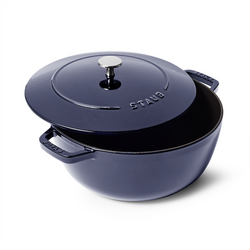
Choosing the right material and weight is vital for your Dutch oven. It affects cooking performance and ease of use. Dutch ovens come in different materials, mainly cast iron and enameled cast iron. Each has unique benefits and drawbacks. Weight also matters for handling and storage.
Cast Iron Vs. Enameled
Cast iron Dutch ovens are heavy and durable. They hold heat well and cook food evenly. They need seasoning to keep a non-stick surface. Cast iron can react with acidic foods.
Enameled Dutch ovens have a smooth, glass-like coating. They do not need seasoning and resist rust. Cleaning is easier with enamel. They are slightly lighter than bare cast iron. Enameled pots do not react with food.
Handling And Storage Tips
Heavy Dutch ovens require strong handles and good grip. Use oven mitts or pot holders to avoid burns. Lift with both hands to avoid accidents.
Store Dutch ovens in a dry place to prevent rust. Do not stack heavy pots on top of them. Keep lids separate or on top to avoid chips.
Credit: www.surlatable.com
Budgeting For Your Dutch Oven
Setting a budget for a Dutch oven helps you find the right size without overspending. Prices vary based on size, brand, and material. Understanding these differences makes it easier to pick a pot that fits your needs and wallet.
Price Ranges By Size
Smaller Dutch ovens usually cost less. They are great for singles or couples. Larger ones cost more but serve big families or groups. Here is a simple guide to typical price ranges:
- 4-quart: $40 to $100
- 5 to 6-quart: $70 to $150
- 7-quart and above: $100 to $250+
Prices depend on the brand and whether the oven is cast iron or enameled. Keep in mind that some brands offer lifetime warranties.
Long-term Investment Value
A Dutch oven can last for decades with proper care. Spending a bit more now can save money later. High-quality ovens heat evenly and resist chipping. They also improve cooking results over time.
Think of your Dutch oven as a kitchen tool that keeps giving back. It’s better to invest in a pot that you will use often and enjoy for years.
Maintaining And Caring For Your Dutch Oven
Taking good care of your Dutch oven is key to keeping it in top shape for years. Proper maintenance not only preserves its appearance but also ensures better cooking performance every time you use it. Let’s dive into how you can clean, season, and store your Dutch oven to get the most out of it.
Cleaning Tips
After cooking, avoid using harsh detergents or metal scrubbers that can damage the surface. Instead, soak the pot in warm water to loosen stuck-on food, then gently scrub with a soft sponge or nylon brush.
If stubborn residue remains, simmer water with a little baking soda inside the pot for a few minutes to help lift it off. Always dry your Dutch oven thoroughly to prevent rust, especially if it has an exposed cast iron rim.
Seasoning And Storage
Seasoning your Dutch oven helps build a natural, non-stick surface and protects against rust. If you notice dull spots or food sticking more than usual, apply a thin layer of vegetable oil inside the pot, then heat it in the oven at 350°F for an hour.
Store your Dutch oven with the lid off or with a paper towel between the lid and pot to allow air circulation. This simple step prevents moisture buildup and keeps your cookware fresh and ready for the next meal.

Credit: www.reddit.com
Frequently Asked Questions
What Size Dutch Oven Is Best For Family Cooking?
A 5 to 7-quart Dutch oven suits most families. It handles meals for 4 to 6 people comfortably. Smaller sizes may limit cooking capacity, while larger ones can be bulky and inefficient for everyday use.
How Do I Choose Dutch Oven Size For Recipes?
Match the Dutch oven size to your common recipe portions. Use smaller sizes for side dishes and larger ones for soups or stews. Consider the amount of food you usually prepare to avoid overcrowding or underutilization.
Can A Small Dutch Oven Cook Meals For Many?
Small Dutch ovens (2 to 3 quarts) are ideal for side dishes or small meals. For larger groups, a Dutch oven of at least 6 quarts is more practical. Size impacts cooking time and heat distribution.
Is A Large Dutch Oven Necessary For Baking Bread?
A 4 to 6-quart Dutch oven is perfect for baking artisan bread. It provides enough space for dough to rise and bake evenly. Larger sizes may waste heat, while smaller ones might restrict dough expansion.
Conclusion
Choosing the right Dutch oven size depends on your cooking needs. Small pots suit singles or couples. Larger ones work best for families or gatherings. Think about meals you cook often. Will you make soups, stews, or roasts? Also, consider storage space in your kitchen.
A good size saves time and energy. It makes cooking easier and more fun. Take your time deciding. The right Dutch oven helps you cook better meals. Simple and practical choice wins every time.