Grilling baby back ribs on a gas grill can be a game-changer for your next cookout. But how long should you grill them to get that perfect balance of tender, juicy meat and smoky flavor?
If you’ve ever wondered about the ideal grilling time, you’re in the right place. You’ll discover the simple timing tips that will help you avoid dry ribs and impress everyone at your table. Keep reading, and you’ll learn exactly how to master your gas grill for mouthwatering baby back ribs every time.
Choosing The Right Ribs
Choosing the right ribs sets the foundation for a delicious grilling experience. Your final taste and texture depend heavily on the quality and preparation of the ribs you pick. Spending a little extra time here will make your grilling process smoother and more enjoyable.
Selecting Quality Meat
Look for ribs with a pinkish-red color and firm texture. Avoid ribs that look pale or have dry edges, as these might be less fresh. Check for some marbling—thin streaks of fat within the meat—that helps keep the ribs juicy during grilling.
Ask your butcher about the source of the ribs. Sometimes, locally raised pork offers better flavor and freshness. Also, consider the size: baby back ribs are smaller and leaner than spare ribs, usually around 3 to 6 inches long, making them perfect for gas grilling.
Preparing Ribs For Grilling
Before grilling, remove the silver skin—the thin, tough membrane on the back of the ribs. Leaving it on can make your ribs chewy and prevent seasonings from fully penetrating. Use a paper towel to grip and pull it off easily.
Trim any excess fat, but don’t overdo it since some fat adds flavor and moisture. After trimming, season your ribs generously. Whether you prefer a dry rub or a marinade, let the ribs rest in the fridge for at least an hour to absorb the flavors.
Setting Up The Gas Grill
Setting up your gas grill properly is crucial for perfectly cooked baby back ribs. It’s not just about turning it on; the way you prepare the grill affects the heat distribution and ultimately, the flavor and tenderness of your ribs. Taking time here ensures a smooth cooking process and delicious results.
Preheating The Grill
Start by turning on your gas grill and setting it to a medium heat. Let it preheat with the lid closed for about 10 to 15 minutes. This step helps the grill reach an even temperature, which prevents flare-ups and uneven cooking.
Have you noticed how skipping preheating can cause your ribs to cook unevenly? I learned this the hard way during my first grilling attempt—it made a huge difference once I gave the grill enough time to heat up properly.
Ensuring Proper Temperature
The ideal temperature for grilling baby back ribs is between 225°F and 250°F. Use a grill thermometer or the built-in gauge to monitor this closely. Maintaining a steady, low heat allows the ribs to cook slowly and absorb smoky flavors without drying out.
If your grill runs hotter, try adjusting the burners or moving the ribs to a cooler part of the grill. Do you have a spot on your grill that tends to stay cooler? Using indirect heat there can make a big difference in getting that tender, fall-off-the-bone texture.
Seasoning Techniques
Seasoning baby back ribs properly is key to enhancing their natural flavors before they hit the grill. The right seasoning technique can transform your ribs from ordinary to mouthwatering. You want your ribs to have a perfect balance of taste, moisture, and texture that keeps everyone coming back for more.
Dry Rubs
Dry rubs are a fantastic way to add a burst of flavor and create a delicious crust on your ribs. They usually combine salt, sugar, and spices like paprika, black pepper, garlic powder, and cayenne pepper.
Apply the rub generously, making sure to cover every inch of the ribs. Letting the ribs sit with the rub for at least an hour, or even overnight, allows the spices to penetrate deeply.
Have you ever noticed how a well-applied dry rub makes the ribs slightly sticky before grilling? That’s the sugar caramelizing, locking in flavor and moisture during cooking.
Marinades
Marinades add moisture and infuse your ribs with layers of flavor before grilling. They often include acidic ingredients like vinegar, citrus juice, or soy sauce, combined with oil and herbs.
Soak your ribs in marinade for a few hours to tenderize and flavor the meat thoroughly. Remember, longer marinating times don’t always mean better results — sometimes 2 to 4 hours is enough to avoid overpowering the ribs.
Think about the flavors you want to highlight. Would a sweet and tangy marinade with honey and mustard suit your taste? Or do you prefer something smoky with liquid smoke and Worcestershire sauce?
Grilling Process
Grilling baby back ribs on a gas grill is a rewarding process that combines technique and patience. Understanding how to control heat and manage the cooking environment can transform your ribs from ordinary to mouthwatering. Let’s break down the grilling process into manageable parts that help you achieve tender, flavorful ribs every time.
Indirect Vs. Direct Heat
Choosing between indirect and direct heat is crucial for grilling ribs properly. Direct heat cooks food quickly by placing it right over the flames, which can burn the ribs before they are tender. Indirect heat cooks slowly, allowing the ribs to become tender while absorbing smoky flavors.
For baby back ribs, indirect heat is usually the best option. Set your gas grill burners on one side and place the ribs on the opposite side. This method mimics low-and-slow smoking, giving you ribs that are juicy and well-cooked without charring.
Managing Grill Temperature
Temperature control is key to grilling ribs perfectly. Aim to keep your grill at a steady 225°F to 250°F for slow cooking. This range allows the ribs to cook evenly and break down connective tissues, resulting in tender meat.
Use your grill’s built-in thermometer or an external grill thermometer to monitor the temperature. Adjust burners as needed to maintain heat—turn them down if it gets too hot or add a water pan to stabilize the environment. Have you ever noticed how a few degrees difference can change the texture of your ribs? Keeping that temperature steady is what separates good ribs from great ones.
Timing For Perfect Ribs
Timing is the key to grilling baby back ribs perfectly. Ribs need enough time to become tender and juicy. Too short, and they stay tough. Too long, and they dry out. Knowing the right timing helps you cook ribs that pull away from the bone with ease.
Cooking Time Guidelines
Set your gas grill to medium heat, about 275°F to 300°F. Cook the ribs slowly for best results. Plan for about 1.5 to 2 hours of grilling time. Use indirect heat by turning off burners directly under the ribs. This prevents burning and cooks ribs evenly.
- Preheat grill to medium (275°F–300°F)
- Cook ribs over indirect heat
- Grill for 90 to 120 minutes
- Turn ribs every 30 minutes
Keep the grill closed to hold in heat and smoke. This helps build flavor and tenderness.
Checking Doneness
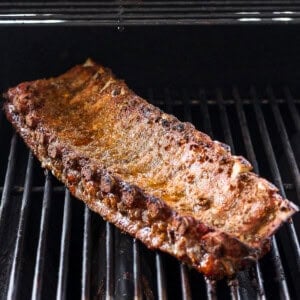
Check ribs after 90 minutes for tenderness. Use tongs to gently lift the ribs. They should bend easily and meat should start to pull from the bones. Another way is the toothpick test. Insert a toothpick between the bones. It should slide in with little resistance.
Look for a slight char on the outside. This shows caramelization without burning. Avoid cutting ribs to check doneness because juices escape and ribs dry out.
Credit: fitfoodiefinds.com
Finishing Touches
Finishing touches bring the grilled baby back ribs to perfection. This stage focuses on flavor and texture. It enhances the taste and ensures the ribs stay juicy and tender. The two key steps are adding sauce and resting the ribs.
Adding Sauce
Apply barbecue sauce in the last 10-15 minutes of grilling. Brush the sauce on both sides of the ribs. Close the grill lid to let the sauce set and caramelize. Avoid adding sauce too early. It can burn and taste bitter. Use a thick, flavorful sauce for the best results.
Resting The Ribs
After grilling, let the ribs rest for 10-15 minutes. Resting allows juices to redistribute inside the meat. Cover the ribs loosely with foil to keep them warm. This step makes the ribs tender and moist. Cut the ribs after resting for clean, easy slices.
Common Mistakes To Avoid
Grilling baby back ribs on a gas grill can be rewarding, but many stumble over simple mistakes that impact flavor and texture. Avoiding these pitfalls will help you serve ribs that are tender, juicy, and perfectly cooked every time. Let’s look at some common errors and how you can steer clear of them.
Overcooking
It’s tempting to leave ribs on the grill longer, thinking it will make them more tender. However, overcooking dries out the meat and makes it tough. Keep an eye on your grill timer and test for doneness by gently pulling the ribs; if the meat starts to separate easily from the bone, they’re ready.
Remember, ribs continue to cook slightly even after you take them off the grill. If you pull them too late, you lose juiciness. Have you ever bitten into ribs that felt rubbery? That’s usually overcooking at play.
Inadequate Heat Management
Gas grills can have hot spots, and ignoring this can cause uneven cooking. High direct heat might char the outside while leaving the inside undercooked. Adjust your grill to use indirect heat for slow cooking, and move ribs around if you notice flare-ups or uneven browning.
Using a two-zone setup—one side on medium heat and the other off—gives you control. This way, you can sear the ribs briefly over direct heat, then move them to the cooler side to cook gently. Have you tested your grill’s heat zones before? It makes a big difference in cooking consistency.

Credit: www.hotrodsrecipes.com
Serving Suggestions
Serving baby back ribs fresh off the grill is a rewarding experience, but pairing them with the right sides and drinks can elevate your meal to another level. Think about the textures and flavors that complement the smoky, tender ribs. What will make your guests ask for seconds? Here are some ideas to help you create a well-rounded plate.
Side Dishes
Choose sides that balance the richness of the ribs without overpowering them.
- Coleslaw:A crisp, tangy coleslaw adds a refreshing crunch and helps cut through the meat’s fattiness.
- Grilled Corn on the Cob:Sweet and slightly charred corn pairs perfectly with smoky ribs and adds a natural sweetness.
- Baked Beans:Rich and hearty baked beans bring a touch of sweetness and earthiness that complements the smoky flavor.
- Potato Salad:Creamy potato salad is a classic choice that adds smoothness and a mild flavor contrast.
Have you ever tried mixing a spicy side with your ribs? It can add an exciting kick and create a memorable meal.
Beverage Pairings
The right drink can enhance every bite of your grilled ribs.
- Craft Beer:A hoppy IPA or a malty amber ale can balance the sweetness and smokiness of the ribs.
- Red Wine:Choose a bold red like Zinfandel or Syrah that can stand up to the rich flavors.
- Lemonade or Iced Tea:For a non-alcoholic option, these refreshing drinks cleanse your palate between bites.
- Whiskey Cocktails:A smoky or slightly sweet whiskey cocktail can mirror the ribs’ flavor profile beautifully.
What’s your favorite drink to enjoy with ribs? Trying new pairings might surprise you and boost your grilling game.

Credit: www.thepioneerwoman.com
Frequently Asked Questions
How Long Should Baby Back Ribs Be Grilled On Gas?
Baby back ribs typically need 1. 5 to 2 hours on a gas grill. Use indirect heat at 225-250°F. Turn ribs occasionally for even cooking. This method ensures tender, juicy ribs with a smoky flavor.
What Temperature Is Best For Grilling Baby Back Ribs?
Maintain a gas grill temperature of 225-250°F for baby back ribs. This low and slow heat breaks down connective tissues. It results in tender, flavorful ribs without drying them out.
Should Baby Back Ribs Be Wrapped While Grilling?
Wrapping ribs in foil after 1 hour helps retain moisture. It also speeds up cooking and tenderizes the meat. Unwrap in the final 20 minutes to firm up the bark.
How Do I Know When Baby Back Ribs Are Done?
Ribs are done when internal temperature reaches 190-203°F. The meat should pull back from the bones slightly. A bend test, where ribs bend without breaking, also indicates doneness.
Conclusion
Grilling baby back ribs on a gas grill takes patience and care. Aim for about 1. 5 to 2 hours at low heat. Keep the temperature steady around 225°F to 250°F. Check ribs often to avoid overcooking. Tender ribs will pull away from the bone easily.
Use a meat thermometer to ensure they reach 190°F inside. Let the ribs rest before slicing. This helps keep them juicy and flavorful. With practice, you will find the perfect timing for your grill. Enjoy your delicious, tender baby back ribs every time.