Are you looking for a quick and easy way to cook healthy vegetables without extra pots or gadgets? Steaming vegetables in your rice cooker is a simple trick that can save you time and keep your veggies fresh and full of flavor.
Imagine having perfectly steamed carrots, broccoli, or green beans ready while your rice cooks—no mess, no hassle. You’ll discover step-by-step how to use your rice cooker to steam vegetables like a pro, making your meals tastier and your kitchen routine smoother.
Keep reading to unlock this handy cooking secret!
Credit: www.chowhound.com
Benefits Of Steaming Vegetables
Steaming vegetables is a simple way to keep their natural flavors and nutrients intact. It doesn’t require oil or extra fat, making your meals healthier and lighter. If you want to maximize taste and health benefits, steaming is a smart choice.
Preserves Nutrients Better Than Boiling
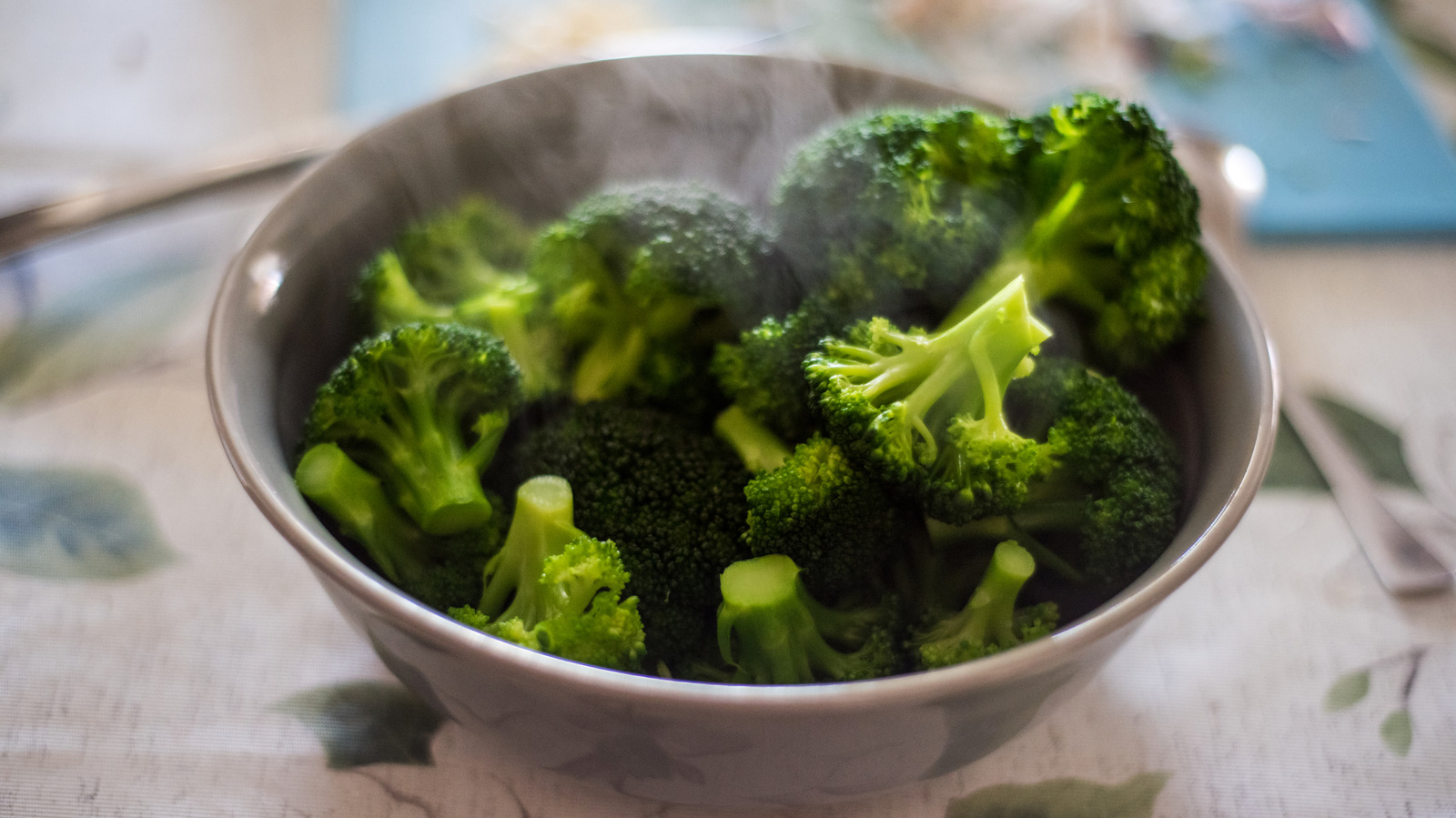
Steaming keeps more vitamins and minerals in your vegetables compared to boiling. Water can wash away nutrients during boiling, but steaming uses just the right amount of moisture. Have you noticed how steamed broccoli tastes fresher and looks brighter? That’s because it retains more of its natural goodness.
Enhances Natural Flavors
Steamed vegetables hold their crispness and vibrant color, making your plate more appealing. The gentle heat brings out their natural sweetness without adding salt or seasoning. You might find yourself enjoying veggies more when they taste this fresh and pure.
Easy And Convenient Cooking Method
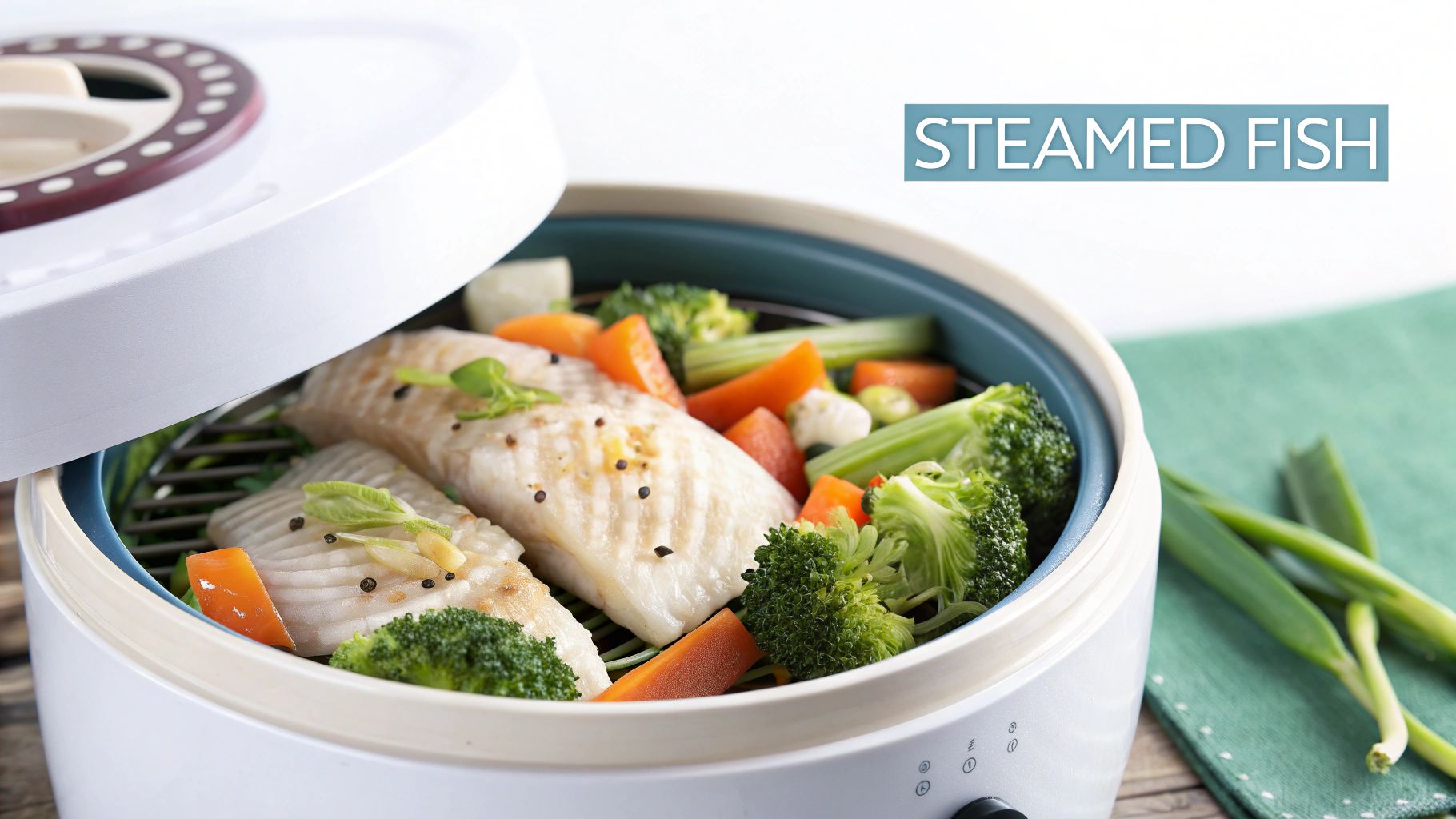
Steaming in a rice cooker is hassle-free and perfect for busy days. You just add water, place your veggies in the steaming basket, and let the cooker do the work. It’s a hands-off process that frees you up to prepare other parts of your meal.
Supports Weight Management
Because steaming doesn’t require oil or butter, it cuts down on extra calories. This method fits well with diets focused on weight control or heart health. If you want to enjoy satisfying meals without guilt, steaming is a great technique to use regularly.
Maintains Texture And Appearance
Steamed vegetables keep a pleasant firmness and don’t get mushy like boiled ones often do. This makes your dishes more enjoyable to eat and visually appealing. When your food looks good, you’re more likely to savor it fully.
Credit: folders.co.nz
Choosing The Right Rice Cooker
Choosing the right rice cooker is a crucial step if you want to steam vegetables effectively. Not all rice cookers come with the same capabilities or features, so picking one that suits your cooking habits can make a big difference. Have you ever tried steaming veggies in a basic rice cooker and ended up with unevenly cooked food? That’s often because the appliance wasn’t designed with steaming in mind.
Types Of Rice Cookers
Rice cookers come in various types, each with different cooking styles and price points. The most common are:
- Basic Rice Cookers:These usually have simple on/off switches and are designed mainly for cooking plain rice. They rarely include steaming trays or special settings for vegetables.
- Micom Rice Cookers:These use microcomputer technology to adjust cooking times and temperatures. They often come with steaming baskets, making them more versatile for steaming vegetables.
- Induction Heating Rice Cookers:These provide precise temperature control and even heat distribution. They usually feature multiple cooking modes, including dedicated steaming options.
Think about how often you plan to steam vegetables. If it’s a regular part of your meals, investing in a Micom or Induction Heating model could save you time and frustration.
Features For Steaming
Some rice cookers include specific features that enhance steaming, making your experience more convenient and effective. Key features to look for include:
- Steaming Basket or Tray:This accessory keeps vegetables above the water level to steam evenly without getting soggy.
- Steaming Mode:A preset function that adjusts the heat and cooking time for optimal steaming results.
- Keep Warm Function:This keeps your vegetables warm after steaming without overcooking them.
- Timer and Delay Start:These help you plan your meals by starting the steaming process at the right time.
When I switched to a rice cooker with a steaming basket and preset steam mode, my vegetables turned out consistently crisp and flavorful. Have you noticed how simple features can transform your cooking results?
Preparing Vegetables For Steaming
Preparing vegetables for steaming in a rice cooker is a simple process that sets the foundation for tasty, healthy dishes. Proper preparation ensures even cooking and preserves nutrients. Clean, well-cut vegetables steam better and taste fresher.
Washing And Cutting
Start by washing vegetables thoroughly under cold running water. Remove dirt and pesticides. Use a vegetable brush for firmer produce like carrots or potatoes.
Cut vegetables into similar-sized pieces. This helps them cook evenly. Smaller pieces steam faster and are easier to eat. Avoid cutting too small to prevent mushiness.
Vegetables Best For Steaming
- Broccoli
- Carrots
- Green beans
- Cauliflower
- Peas
- Spinach
- Asparagus
These vegetables hold their shape and flavor well after steaming. Root vegetables may require longer steaming times. Leafy greens need less time to avoid overcooking.
Step-by-step Steaming Process
Steaming vegetables in a rice cooker is simple and effective. It keeps nutrients and flavors intact while making cooking easy. Follow this step-by-step process to get perfectly steamed vegetables every time.
Adding Water
Pour water into the rice cooker’s inner pot. Use about 1 to 2 cups depending on your rice cooker size. The water should not touch the steaming basket or tray. This water will create the steam needed to cook the vegetables.
Arranging Vegetables
Place the vegetables in the steaming basket or tray. Cut them into even pieces for uniform cooking. Avoid overcrowding to let steam circulate well. Leafy greens, carrots, broccoli, and beans work great for steaming.
Setting The Cooker
Close the lid securely. Turn on the rice cooker to the “Cook” or “Steam” mode. Steam for 5 to 15 minutes depending on vegetable type and size. Check doneness by piercing with a fork. Turn off the cooker and carefully remove the basket once done.
Tips For Perfectly Steamed Veggies
Steaming vegetables in a rice cooker is easy and efficient. Just add water and place veggies in the steaming tray. Set the cooker and wait until they're tender and vibrant.
Steaming vegetables in a rice cooker is simple and nutritious. Achieving perfectly steamed veggies requires some know-how. With the right tips, you can enjoy vegetables that are both delicious and healthy.
Timing And Texture
Timing is crucial for perfect steamed veggies. Different vegetables require different cooking times. For example, carrots and broccoli cook at different rates. Cut vegetables into uniform sizes. This ensures even cooking. Check the texture frequently. You want veggies tender but not mushy. A few minutes can change the texture completely. Start with shorter times and adjust as needed.
Flavor Enhancements
Spice up your vegetables with flavor enhancements. Add herbs or spices to the water. Try garlic, ginger, or lemon slices for extra taste. These simple additions make a big difference. Consider using broth instead of water. This adds depth to the flavor. Experiment with different combinations to find your favorite taste.

Credit: www.youtube.com
Cleaning And Maintenance After Steaming
After steaming vegetables in your rice cooker, cleaning and maintenance are key to keeping the appliance in great shape. Neglecting this can cause odors, stains, or even damage over time. Taking a few minutes to clean right away makes your next cooking experience much better.
Cleaning The Steaming Basket And Inner Pot
Remove the steaming basket and rinse it under warm water immediately after use. This helps prevent vegetable bits from sticking and hardening. Use a soft sponge with mild dish soap to scrub away any residue gently.
For the inner pot, avoid harsh abrasives that could scratch the non-stick surface. If you notice stubborn stains, soak the pot in warm, soapy water for 10-15 minutes before wiping clean. Have you ever tried using a mixture of baking soda and water? It works wonders on tough spots without damaging the surface.
Wiping Down The Lid And Exterior
The lid often collects steam and small splashes, so wipe it with a damp cloth after every use. Check the rubber gasket or seal for trapped food particles, as these can cause odors or reduce the lid’s effectiveness. A quick wipe with a cloth dipped in vinegar can keep it fresh and clean.
Don’t forget the exterior of your rice cooker. A soft cloth with a bit of soapy water will remove fingerprints and stains. Keeping the outside clean helps maintain the appliance’s appearance and prevents grime buildup.
Maintaining The Heating Element And Drain Holes
Be cautious when cleaning near the heating element. Avoid getting it too wet to prevent electrical issues. Instead, gently wipe with a dry or slightly damp cloth.
Some rice cookers have drain holes to collect excess water. Make sure these are clear after steaming. Use a cotton swab or toothpick to remove any blockages that could affect performance.
Recipe Ideas Using Steamed Vegetables
Steamed vegetables offer a fresh, healthy base for many dishes. They keep their natural flavors and nutrients. Using a rice cooker to steam vegetables is simple and convenient. Once steamed, these veggies can be part of many tasty recipes. Here are some easy ideas to try.
Simple Side Dishes
Steamed vegetables make perfect side dishes. They pair well with almost any main course.
- Steamed broccoli with a squeeze of lemon and a pinch of salt.
- Carrots and green beans tossed in olive oil and garlic.
- Cauliflower florets sprinkled with a little Parmesan cheese.
- Mixed vegetables drizzled with soy sauce and sesame seeds.
These sides are quick to prepare and add color and nutrition to your meal.
Healthy Meal Combos
Combine steamed vegetables with proteins and grains for balanced meals.
- Steamed mixed veggies over brown rice with grilled chicken strips.
- Quinoa bowl with steamed spinach, roasted chickpeas, and avocado slices.
- Oven-baked salmon served with steamed asparagus and sweet potatoes.
- Tofu stir-fry featuring steamed snap peas, bell peppers, and carrots.
These combos are easy to make and support a healthy lifestyle.
Frequently Asked Questions
How Do You Prepare Vegetables For Steaming In A Rice Cooker?
Wash vegetables thoroughly and cut them into uniform pieces. This ensures even cooking and preserves nutrients during steaming.
Can All Vegetables Be Steamed In A Rice Cooker?
Most vegetables can be steamed in a rice cooker. However, dense vegetables may require longer steaming times.
How Long Should You Steam Vegetables In A Rice Cooker?
Steaming time varies by vegetable type but generally ranges from 5 to 15 minutes for tender, crisp results.
Is Steaming Vegetables In A Rice Cooker Healthier?
Yes, steaming retains more nutrients and vitamins than boiling, making it a healthier cooking method.
Conclusion
Steaming vegetables in a rice cooker is quick and easy. Just add water, place the veggies in the basket, and start the cooker. This method keeps vegetables fresh and full of nutrients. You do not need special tools or skills to do it.
Enjoy healthy, tasty veggies with little effort. Try this simple way to cook vegetables anytime. It saves time and uses one appliance. Simple steps lead to great results in your kitchen.